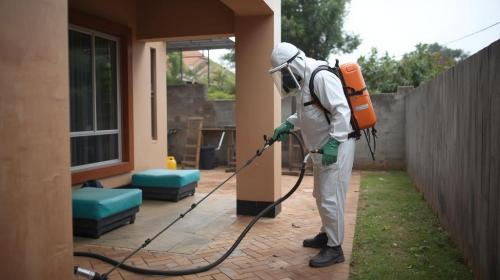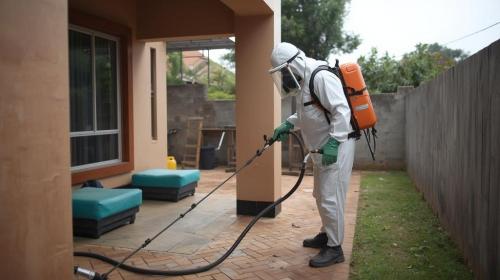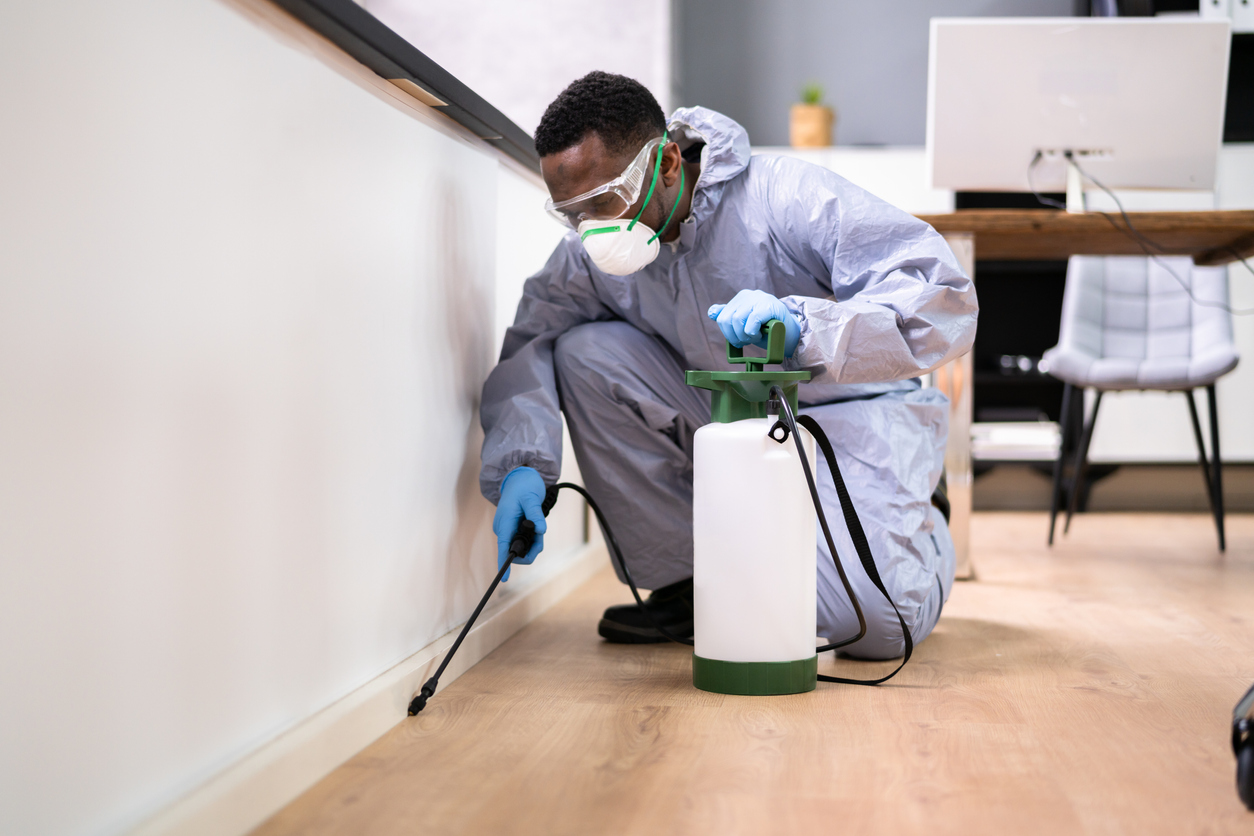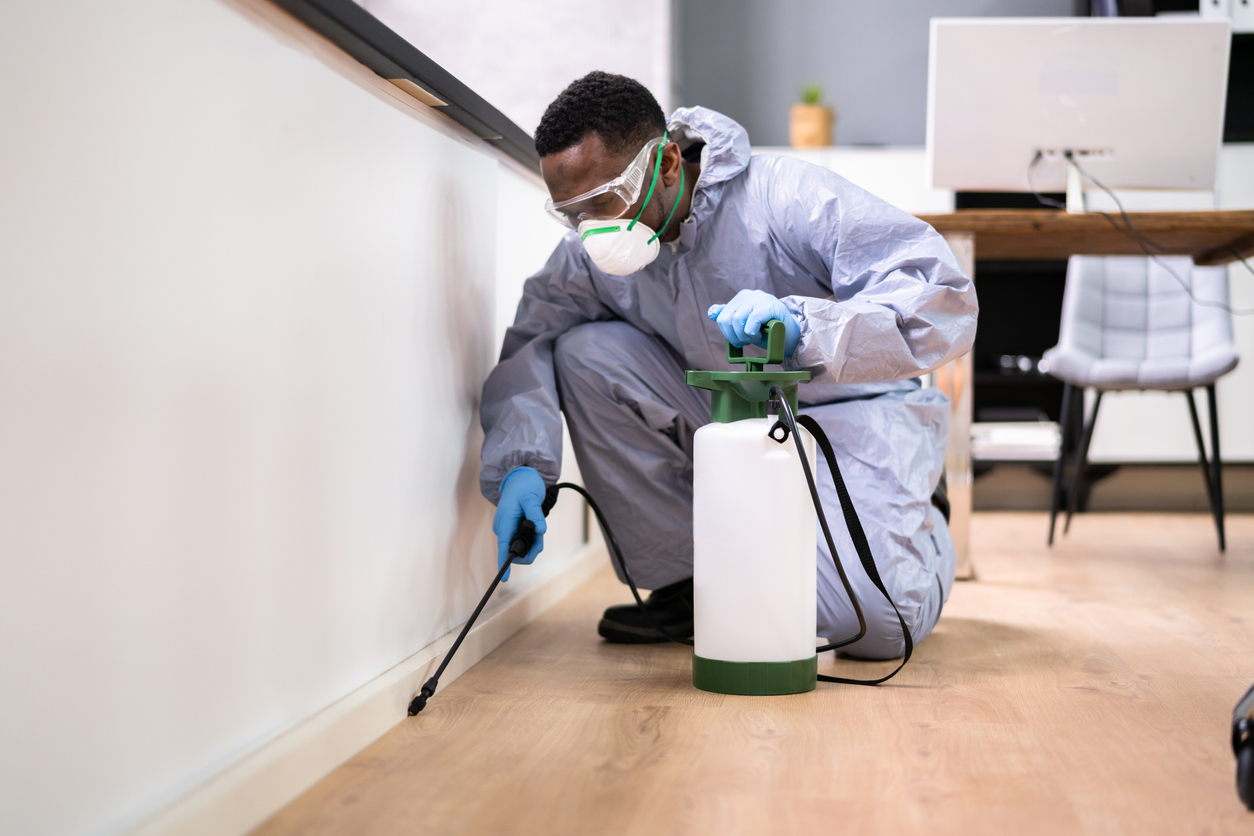


Fumigation is one of those services many Kenyans call when frustration has already reached mwisho. Maybe cockroaches are running around the kitchen every night in Umoja. Maybe bedbugs have made a bedsitter in Roysambu impossible to sleep in. Maybe mosquitoes are disturbing guests in a Diani Airbnb, or rats are chewing stock in a small shop in Gikomba. By the time most people call a fumigator, they want one thing: pests gone quickly.
That expectation is understandable. Nobody wants to keep paying for sprays, losing sleep, hiding pest problems from visitors, or worrying about health officers in a restaurant. But fumigation is often misunderstood. It can be very effective when done properly, but it is not magic. It cannot fix every pest problem permanently, especially when the source of the infestation is still there.
Understanding what fumigation can and cannot do helps homeowners, tenants, landlords, and business owners make better decisions. It also prevents disappointment after treatment. The best results come when a trained provider uses the right method, the client prepares well, and the underlying causes are addressed.
Why People Often Expect Too Much From Fumigation
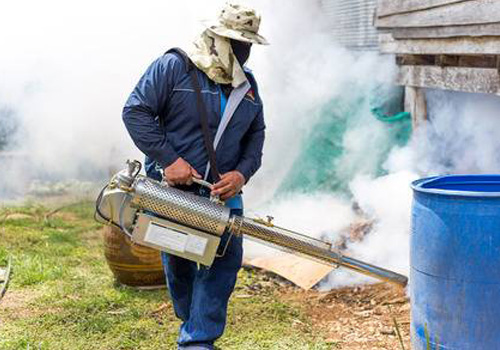
In Kenya, many people use the word fumigation to mean any pest control treatment. A technician may be doing residual spraying, misting, fogging, baiting, dusting, or rodent control, but the client will still call it fumigation. That confusion matters because different methods give different results.
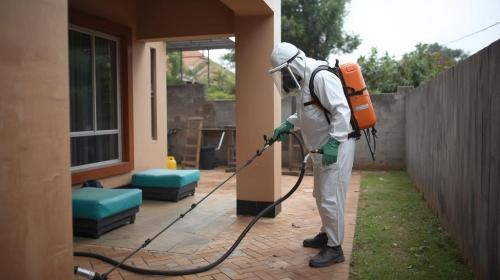
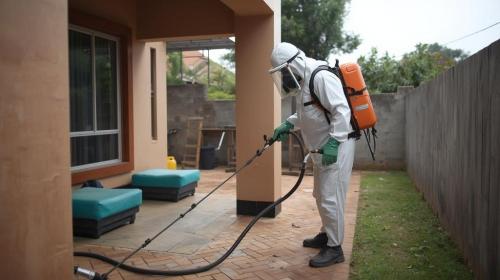
True fumigation usually involves using a gas or fumigant in a sealed space, often for specialised situations such as grain stores, containers, or certain commercial settings. What most homes receive is usually spraying, misting, fogging, baiting, or a combination of pest control methods. These methods can work well, but they have limits.
A tenant in Pipeline may expect one spray to eliminate bedbugs forever. A restaurant owner in Kilimani may expect cockroaches to disappear even though bins remain open overnight and grease is not cleaned behind equipment. A landlord in Githurai may fumigate one unit and expect pests not to move from neighbouring rooms.
Sometimes the fumigator is at fault because they overpromise. Other times, the client expects fumigation to solve issues that need cleaning, sealing, repairs, follow-up, or cooperation from neighbours. That is where disappointment begins.
What Fumigation Can Do Well
Fumigation and professional pest control treatments can deliver strong results when the pest is correctly identified, the right product is used, and the treatment is done safely. It is not just about spraying a strong-smelling chemical. Good work starts with inspection and a proper plan.
It Can Reduce Active Pest Infestations Quickly
One of the biggest benefits of fumigation is speed. If a home has visible cockroach activity, a proper treatment can reduce the active population quickly. If bedbugs are hiding around a bed frame, mattress seams, skirting boards, and sofa joints, a detailed treatment can kill many of the visible adults and nymphs.
This matters because pests affect comfort and peace of mind. A family in Donholm may not sleep well when bedbugs are biting every night. A food kiosk in Kongowea may lose customers if cockroaches are seen near the counter. Professional treatment can bring fast relief when the infestation is active and visible.
However, fast reduction is not the same as permanent elimination. The remaining eggs, hidden pests, and external sources still need attention.
It Can Reach Areas Normal Cleaning Cannot Reach
Pests hide in places that ordinary cleaning misses. Cockroaches squeeze into cabinet hinges, fridge motors, sockets, cracks, drains, and dark corners behind appliances. Bedbugs hide inside wooden joints, mattress seams, curtain folds, wall cracks, and furniture. Mosquitoes rest in dark corners, ceilings, bathrooms, and vegetation around compounds.
Professional fumigation methods can reach some of these hidden areas better than normal cleaning. Fogging, misting, targeted spraying, dusting, and baiting can help treat cracks, voids, corners, and pest routes. A good technician will know where to focus instead of spraying open floors only.
This is why inspection matters. If the provider does not look for hiding places, they may treat the wrong areas and leave the main problem untouched.
It Can Help Break the Breeding Cycle
Some pest problems continue because eggs, larvae, or young pests keep developing after adults are killed. Bedbugs may hatch after treatment. Cockroach nymphs may continue emerging from hidden areas. Mosquitoes keep breeding where stagnant water remains.
Professional pest control can help interrupt this cycle when the right method and follow-up schedule are used. For example, bedbug treatment may need a second visit after a certain period. German cockroach control may need gel bait and monitoring. Mosquito control may combine adult mosquito treatment with advice on removing breeding sites.
This is where many cheap jobs fail. A one-time spray may kill visible pests but fail to deal with the next generation. Proper fumigation is usually a process, not a single event.
It Can Support Businesses With Hygiene and Compliance
For businesses, fumigation can do more than remove pests. Restaurants, hotels, bakeries, supermarkets, schools, warehouses, and Airbnbs need pest control to protect customers, stock, reputation, and sometimes compliance requirements.
A restaurant in Westlands with cockroaches is not only dealing with embarrassment. It may face customer complaints, poor reviews, or questions from public health officers. A guest house in Naivasha with bedbugs can lose bookings quickly. A warehouse in Mombasa with rodents can suffer stock damage.
Professional fumigation can provide service records, reports, certificates where applicable, and advice that helps businesses show they are taking pest control seriously. This documentation can be useful for landlords, property managers, food businesses, and hospitality operators.
What Fumigation Cannot Do
Fumigation has limits. Knowing these limits helps clients avoid wasting money and helps service providers avoid unrealistic promises.
It Cannot Replace Cleanliness
Fumigation can kill pests, but it cannot clean a dirty kitchen, remove grease, empty bins, wash dishes, or clear food scraps. If a restaurant kitchen has open waste, water leaks, grease behind cookers, and food particles under equipment, cockroaches will keep finding what they need to survive.
The same applies to homes. If food is left uncovered, dishes stay dirty overnight, bins are not emptied, and water leaks under the sink, cockroach control becomes harder. Spraying may reduce the population, but the conditions will keep attracting new pests.
Cleanliness alone may not remove an established infestation, but fumigation without hygiene is also incomplete. The two work together.
It Cannot Guarantee Pests Will Never Return
No honest fumigator should promise that pests will never come back. Kenya’s housing and business environments make reinfestation possible.
In apartment blocks, cockroaches can move through drains, ducts, wall cracks, shared plumbing, and neighbouring units. Bedbugs can return through luggage, visitors, second-hand furniture, mattresses, or untreated rooms. Rats can re-enter through gaps in doors, roofs, walls, and drainage systems. Mosquitoes can keep coming if stagnant water remains nearby.
Fumigation can control the current problem and reduce pest activity, but long-term prevention depends on follow-up, sealing entry points, hygiene, repairs, and sometimes treating neighbouring units. In flats and hostels, one unit may not be enough if the whole block has a problem.
It Cannot Fix Structural Problems
Some pest issues are caused by building defects or poor maintenance. Fumigation cannot seal holes, repair broken drains, fix leaking pipes, replace rotten wood, or close roof gaps.
If rats are entering a shop through a gap under the door, rodent treatment may reduce the current population, but new rats can still come in. If termites are attacking timber because the structure or soil was not properly treated, surface spraying may not solve the deeper issue. If mosquitoes are breeding in blocked gutters or open tanks, fogging only kills adult mosquitoes temporarily.
A good fumigator should point out structural issues. The client may then need a plumber, carpenter, mason, cleaner, or landlord intervention to fix the root cause.
It Cannot Work Properly With the Wrong Product or Method
Using the wrong chemical or method can make fumigation ineffective or unsafe. Some products are designed for specific pests and environments. A product meant for agricultural use is not automatically suitable for indoor homes, kitchens, schools, or restaurants.
Cockroaches may need gel bait and crack treatment, not just open spraying. Bedbugs may need detailed treatment of beds, sofas, cracks, and follow-up. Rodents may need bait stations, traps, proofing, and monitoring. Termites need proper inspection and specialised treatment depending on the case.
A strong smell does not mean a product is effective. In fact, some effective products have little smell. Clients should be cautious of anyone who equates “dawa kali” with safety or quality. Professional pest control is about correct application, not just harsh odour.
It Cannot Be Safe If Instructions Are Ignored
Even when the right product is used, safety depends on following instructions. If a client re-enters too soon, leaves food uncovered, lets children touch wet treated surfaces, or fails to ventilate, problems can occur.
The fumigator should give clear instructions before and after the job. The client should follow them. This may include staying out for the recommended period, ventilating rooms, covering food and utensils, washing certain items, keeping pets away, and avoiding immediate mopping of treated areas unless advised.
Safety is shared. The technician must apply correctly, and the client must follow aftercare instructions.
Common Kenyan Scenarios and What to Expect
A bedsitter in Zimmerman with bedbugs may improve after one treatment, but a second visit may still be needed if eggs hatch or the infestation was heavy. Washing bedding, reducing clutter, treating the bed frame, and avoiding untreated second-hand furniture are all important.
A restaurant in Kilimani with cockroaches may need residual treatment, gel bait, drain inspection, and monthly monitoring. If staff leave bins open and grease remains behind equipment, pests may return quickly. Fumigation can help, but hygiene practices must change.
A maisonette in Syokimau with mosquitoes may benefit from fogging, but adult mosquitoes can return if there is stagnant water nearby. Open tanks, blocked gutters, flower pots, construction holes, and nearby swampy areas must be addressed.
A shop in Gikomba with rats may need bait stations and traps, but if goods are stored on the floor and door gaps remain open, rats can come back. Proofing and proper storage are part of control.
A hostel near a university may need block-wide bedbug treatment. Treating one room may give short-term relief, but if students keep moving mattresses and clothes between rooms, the problem can spread again.
How to Get Better Results From Fumigation
The first step is hiring a trained and reliable provider. Ask questions before booking. What pest are they treating? What method will they use? Is follow-up needed? How should you prepare? How long should people and pets stay out? What should be cleaned afterward? A serious provider will explain without getting irritated.
You can also compare professionals through platforms where service providers are easier to verify. The Real Plug helps users find vetted professionals, service providers, and businesses in Kenya. When choosing a fumigator, look for clear service descriptions, reviews, contact details, and signs that the provider explains their process properly.
Preparation also matters. Remove or cover food, utensils, toys, pet bowls, and personal items where needed. For bedbugs, wash bedding and clothes as advised. Reduce clutter so the technician can access hiding places. For cockroaches, clean food residues and fix leaks. For rodents, store food properly and clear hiding areas.
After treatment, follow the instructions. Stay out for the recommended time, ventilate, avoid wiping away bait or residual treatment too soon, and report pest activity honestly during follow-up. If follow-up is recommended, schedule it. Do not expect a serious infestation to disappear forever after one quick visit.
Finally, deal with the root cause. Seal holes, repair leaks, clear stagnant water, improve waste handling, and involve neighbours or landlords where the problem is shared. Fumigation works best when the environment stops inviting pests back.
Questions to Ask Before Paying for Fumigation
Before hiring a provider, ask what pest they believe you have and how they identified it. Ask whether one visit is enough or whether follow-up is needed. Ask what products or methods will be used and whether they are suitable for your type of property. Ask how long people and pets should stay away. Ask what preparation is required before the technician arrives.
For businesses, ask whether the provider can give a service report or certificate where applicable. Restaurants, hotels, schools, offices, and property managers may need documentation for records or inspections.
Do not choose based on price alone. A cheap treatment that fails may cost more in repeat jobs, complaints, damaged reputation, or discomfort.
Final Thoughts
Fumigation can do a lot when used properly. It can reduce active infestations, reach hidden pests, support business hygiene, and give homes and workplaces relief from bedbugs, cockroaches, mosquitoes, rats, termites, and other pests. It can also provide documentation and peace of mind when handled by a professional.
But fumigation cannot clean a dirty kitchen, seal a rat hole, fix leaking pipes, stop pests from untreated neighbours, or guarantee that pests will never return. It cannot work properly if the wrong method is used, and it cannot be safe if instructions are ignored.
The best approach is to see fumigation as part of pest control, not the whole solution. Hire the right person, prepare the space, follow aftercare instructions, schedule follow-up where needed, and fix the conditions attracting pests.
When you understand what fumigation can and cannot do, you make better decisions, spend money more wisely, and get results that actually last longer.