

Bedbugs can test anyone’s patience. You pay for fumigation, leave the house for hours, wash bedding, and finally hope for a peaceful night. Then two weeks later, the itching starts again. Someone in your estate WhatsApp group says the same thing happened in Rongai. A cousin in Kisumu says they fumigated twice and still saw bedbugs. A tenant in Mombasa insists the technician used weak dawa.
So, can bedbugs come back after fumigation? Yes, they can. But that does not always mean the fumigation failed or the provider was fake. Bedbugs are difficult because of how they hide, how they reproduce, and how easily they move from one place to another. In many Kenyan homes, hostels, rentals, and Airbnbs, the problem comes back because the first treatment was incomplete, follow-up was skipped, preparation was poor, or the pests were reintroduced from outside.
Fumigation can work, but bedbug control needs a process. One quick spray rarely solves a serious infestation. To understand why, you need to know how bedbugs survive and what proper treatment should include.
Why Bedbugs Are So Hard to Eliminate
Bedbugs are not like cockroaches that run across the kitchen when lights go on. They are small, flat, quiet, and very good at hiding. During the day, they stay in cracks and tight spaces. At night, they come out to feed, usually when people are asleep.
They hide in mattress seams, bed frames, wooden joints, screw holes, skirting boards, sockets, curtain folds, sofa seams, wall cracks, luggage, books, and even small gaps in furniture. In a bedsitter in Pipeline or a hostel near a university, one bedbug problem can spread quickly because people live close together and share furniture, bags, bedding, and laundry areas.
Bedbugs do not come because a house is dirty. They feed on blood, not food scraps. A clean apartment in Kilimani, Syokimau, or Nyali can still get bedbugs if they are carried in through luggage, second-hand furniture, visitors, school boxes, or neighbouring units.
Their eggs make the problem harder. Bedbug eggs are tiny and can be hidden deep in cracks or fabric seams. A treatment may kill many adult bedbugs and young nymphs, but some eggs may survive and hatch later. When that happens, the client may say the bedbugs came back, yet the issue may be that the life cycle was not fully broken.
What Fumigation Does to Bedbugs
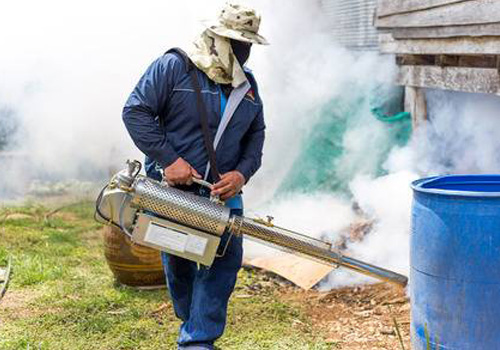
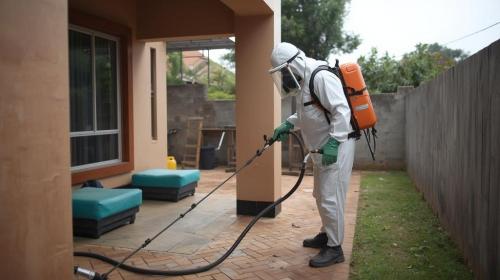
In Kenya, many people use the word fumigation to describe almost any pest treatment. For homes, bedbug “fumigation” usually means residual spraying, misting, fogging, dusting, steaming, or a combination of methods. True gas fumigation, where a building is sealed and filled with a fumigant, is not common for ordinary homes because it is more specialised, costly, and requires strict controls.
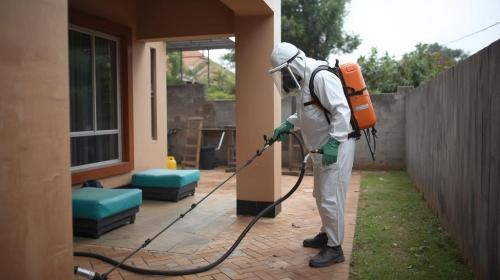
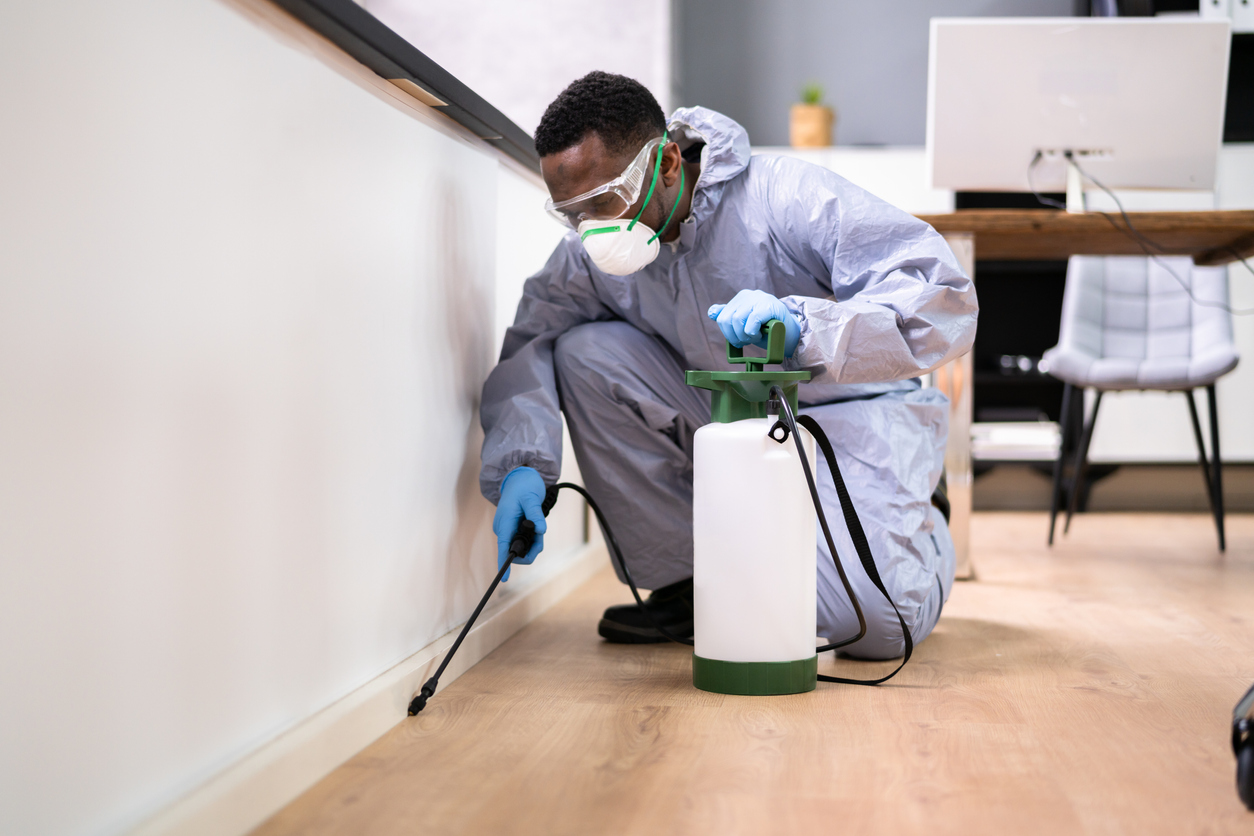
Most residential bedbug treatment works by applying products to areas where bedbugs hide or walk. The treatment may kill bedbugs on contact and leave a residue that continues working for a period. A proper technician should inspect the house first, identify hiding places, treat beds and furniture carefully, and explain what the client should do before and after treatment.
The important thing to understand is this: one treatment may not kill every bedbug and egg. That is why follow-up is often needed. The first visit reduces the active infestation. The second visit targets newly hatched bedbugs and remaining activity.
If a provider promises that one spray will always finish bedbugs forever, be cautious. Bedbug control needs honesty, inspection, preparation, and follow-up.
Why Bedbugs Return After Fumigation
Bedbugs may appear again after fumigation for several reasons. Some are caused by poor service. Others are caused by the client’s environment, neighbours, or new exposure.
Only One Treatment Was Done
This is one of the most common reasons bedbugs return. A single visit can reduce the problem, but it may not break the full life cycle. Eggs hidden in cracks, furniture, or fabric may hatch after the first treatment. If there is no follow-up, the new bedbugs start feeding, and the infestation slowly builds again.
For many bedbug cases, especially moderate or heavy infestations, a second visit should be part of the plan. The exact timing depends on the method used and the technician’s assessment, but the client should know from the beginning that bedbug work is usually a process.
Many people choose the cheapest quote and later pay more because follow-up was not included. Cheap one-visit treatment may feel affordable, but it can become expensive if the pests return.
The House Was Not Prepared Properly
Preparation matters a lot in bedbug control. If the house is cluttered, the technician may not reach all hiding places. If clothes, bedding, curtains, bags, and boxes are piled up, bedbugs can survive inside them.
In many Kenyan bedsitters and small rentals, space is limited. Clothes are stored under beds, bags are stacked behind doors, and furniture is close together. If these areas are not opened, washed, inspected, or treated properly, bedbugs can remain hidden.
Clients should follow preparation instructions carefully. This may include washing bedding, drying clothes properly, reducing clutter, emptying drawers where needed, moving furniture for access, and keeping items sealed until treatment is completed. Do not move infested items from room to room without guidance, because that can spread the problem.
Hidden Areas Were Missed
Bedbugs hide in places many people forget. A technician who only sprays the mattress and floor may miss bed frames, sockets, skirting, curtain rods, sofas, bedside tables, wall cracks, and wooden joints.
Poor application is a major reason treatment fails. A strong smell does not mean the job was thorough. A good bedbug treatment should be detailed and targeted. The technician should inspect sleeping and resting areas carefully, not just spray open spaces.
This is why trained and reliable providers matter. Bedbug work takes patience. If someone rushes through a two-bedroom house in a few minutes and leaves no aftercare instructions, do not expect strong results.
Bedbugs Came From Neighbours
In flats, hostels, bedsitter blocks, and apartment courts, bedbugs can spread between units. They may move through cracks, shared walls, conduits, furniture movement, laundry, or tenant activity. If your unit is treated but the next unit is heavily infested, reinfestation can happen.
This is common in high-density areas such as Pipeline, Githurai, Roysambu, Zimmerman, Kahawa West, Umoja, Bamburi, and student hostels around universities. One tenant may keep treating their house while the source remains next door.
In such cases, the landlord or caretaker should be involved. Block-wide inspection and treatment may be needed. Treating one unit repeatedly without addressing the source can become frustrating and costly.
Bedbugs Were Reintroduced
Sometimes the treatment worked, but new bedbugs were brought in later. This happens more often than people think.
Bedbugs can enter through second-hand furniture, mattresses, sofas, school boxes, travel bags, visitors’ luggage, shared transport, hotels, hostels, or laundry. A student returning from school can bring them in a box. A traveller can carry them from a guest house. A sofa bought cheaply from an online seller can introduce them into a clean home.
If bedbugs appear weeks or months after successful treatment, ask what changed. Did you travel? Did someone visit? Did you buy second-hand furniture? Did a child return from boarding school? Did you move items from an infested house?
Reintroduction is not the same as treatment failure, but it still needs quick action.
The Wrong Product or Method Was Used
Some bedbug treatments fail because the provider used the wrong product, underdosed, sprayed poorly, or used products unsuitable for indoor use. This can happen when untrained operators try to cut costs or use whatever chemical is available.
Bedbug control should use suitable products, correct methods, and proper safety instructions. If a provider cannot explain what they are doing, where bedbugs hide, why follow-up matters, or how you should prepare, that is a warning sign.
Clients looking for reliable providers should compare professionals carefully. The Real Plug helps users find vetted professionals, service providers, and businesses in Kenya. For bedbug treatment, choose providers who explain their process clearly, offer follow-up where needed, and can be reached if the problem continues.
How Long Should Bedbug Treatment Last?
After a proper first treatment, you should usually notice a clear reduction in bites and visible bedbugs. Some activity may still appear for a short period, especially if hidden bugs are coming out or eggs are hatching. This is why the follow-up visit matters.
After the full treatment plan is completed, the house should remain bedbug-free unless there is reinfestation from outside, untreated neighbouring units, or missed hiding spots. If bites continue strongly after the agreed follow-up period, the technician should inspect again.
Do not immediately assume the chemical failed. But also do not ignore ongoing bites. Bedbug problems are easier to fix when reported early.
What to Do After Fumigation to Keep Bedbugs Away
What you do after treatment affects the result. The technician has a role, but the client also has responsibilities.
Follow all aftercare instructions. Stay out of the house for the recommended time, ventilate properly, and avoid mopping treated areas too soon unless advised. Wipe food-contact surfaces where needed, but do not remove treatment from skirting boards, bed frames, and cracks before it has worked.
Wash bedding, clothes, curtains, and washable fabrics as advised. Heat helps kill bedbugs in fabrics, so drying items in strong sun or using heat where available can help. Keep treated and cleaned items sealed until the process is complete.
Reduce clutter. Bedbugs love hiding places. Clothes under the bed, cardboard boxes, old newspapers, and unused furniture can make treatment harder. Use sealed plastic containers where possible instead of cardboard.
Seal cracks and gaps. If bedbugs hide in wall cracks, loose skirting, damaged bed frames, and socket gaps, treatment becomes harder. Simple repairs can reduce hiding spaces.
Be careful with second-hand items. Inspect mattresses, sofas, beds, and chairs before bringing them inside. Check seams, joints, screw holes, and fabric folds. If you are unsure, have items treated before use.
Talk to neighbours or the landlord if you live in a shared building. If several units have bedbugs, coordinated treatment is better than each tenant fighting alone.
When Should You Call the Technician Back?
Call the technician if you continue seeing live bedbugs after the expected period, if bites continue after the follow-up, or if activity appears in a new area. Do not wait until the infestation grows again.
Avoid spraying random supermarket insecticides after professional treatment unless the technician advises it. Some products may scatter bedbugs deeper into cracks or interfere with the treatment plan. Report what you are seeing and let the provider inspect.
A professional fumigation provider should not disappear after payment. They should explain whether what you are seeing is normal, whether follow-up is due, or whether another source is involved. If your provider refuses to inspect or keeps blaming you without checking, that is a red flag.
Can You Get Rid of Bedbugs Completely?
Yes, bedbugs can be eliminated. Many homes, hostels, hotels, and Airbnbs in Kenya manage to stay bedbug-free because they follow proper control measures. The key is not one dramatic spray. It is a complete process.
You need inspection, proper treatment, follow-up, fabric handling, clutter reduction, sealing hiding places, and prevention against reintroduction. In shared buildings, landlord and neighbour cooperation may also be necessary.
Hotels and guest houses that handle bedbugs well usually inspect rooms regularly, train staff to recognise signs early, protect mattresses, act quickly when complaints arise, and document treatment. Homes can use the same thinking on a smaller scale.
If bedbugs keep returning every few months, there is likely a source that has not been addressed. It may be a neighbour, a sofa, a work bag, school items, travel luggage, or missed hiding places. Finding that source is just as important as spraying again.
How to Choose the Right Bedbug Fumigation Provider
Before hiring someone, ask how they handle bedbugs. Do they inspect before treatment? Do they treat beds, sofas, skirting, cracks, and other hiding places? Do they give preparation and aftercare instructions? Is follow-up included? What should you do if you still see activity?
Do not choose only by price. A very cheap treatment that skips follow-up may cost more in the long run. Also be careful with providers who promise instant permanent results without inspection.
A good provider should be clear, reachable, and honest about the process. Bedbugs are tough, so you need someone who understands the pest, not just someone with a sprayer.
Final Thoughts
Bedbugs can come back after fumigation, but usually there is a reason. Sometimes eggs hatch after the first treatment. Sometimes the second visit was skipped. Sometimes the house was not prepared properly. Sometimes bedbugs are coming from neighbours, second-hand furniture, travel bags, school boxes, or visitors. Sometimes the provider used poor methods or missed important hiding places.
That does not mean fumigation cannot work. It means bedbug control must be done as a complete process. One spray is rarely enough for a serious infestation. The best results come from proper inspection, suitable treatment, follow-up, heat and washing for fabrics, clutter control, sealing cracks, and preventing reintroduction.
If you live in Nairobi, Mombasa, Kisumu, Nakuru, Eldoret, or any other part of Kenya and bedbugs return after fumigation, do not panic and do not keep switching fundis blindly. Find out why they returned. Then fix the weak point in the process.
Bedbugs are stubborn, but they are not unbeatable. With the right approach, your home can stay clear.