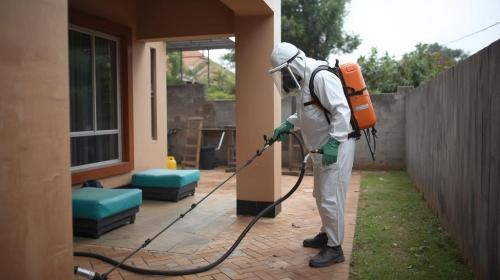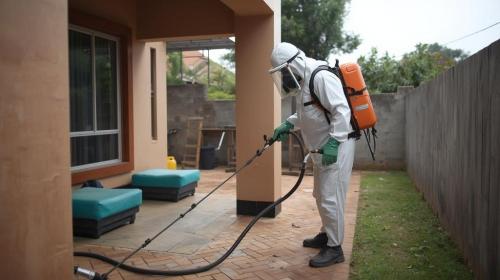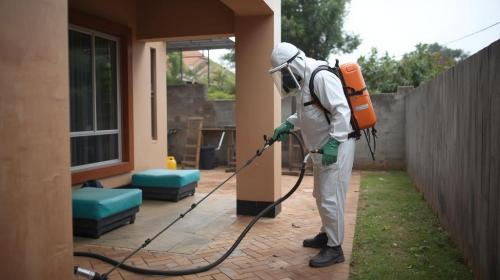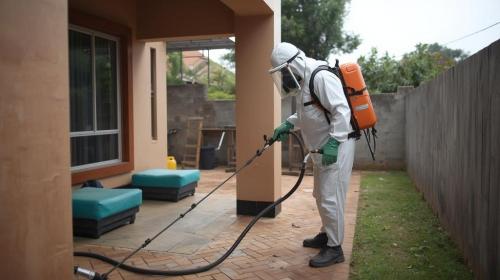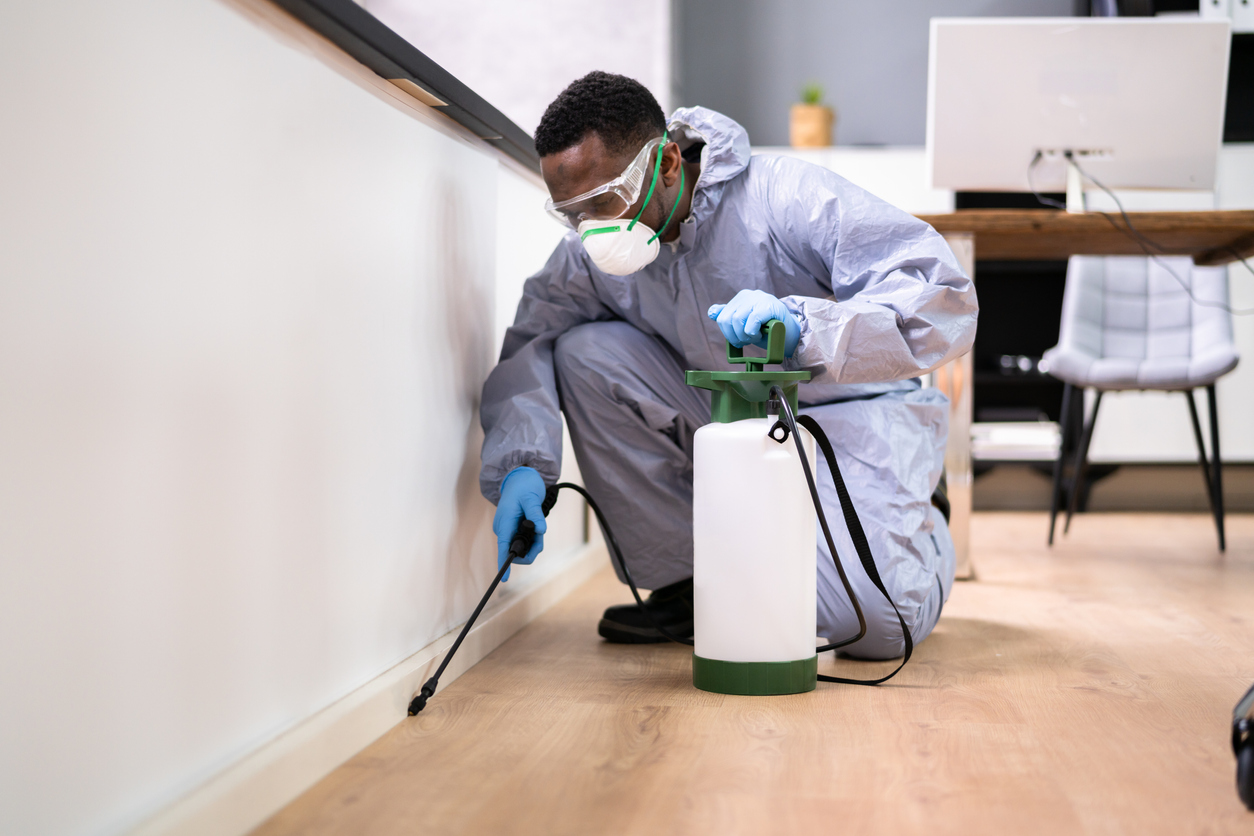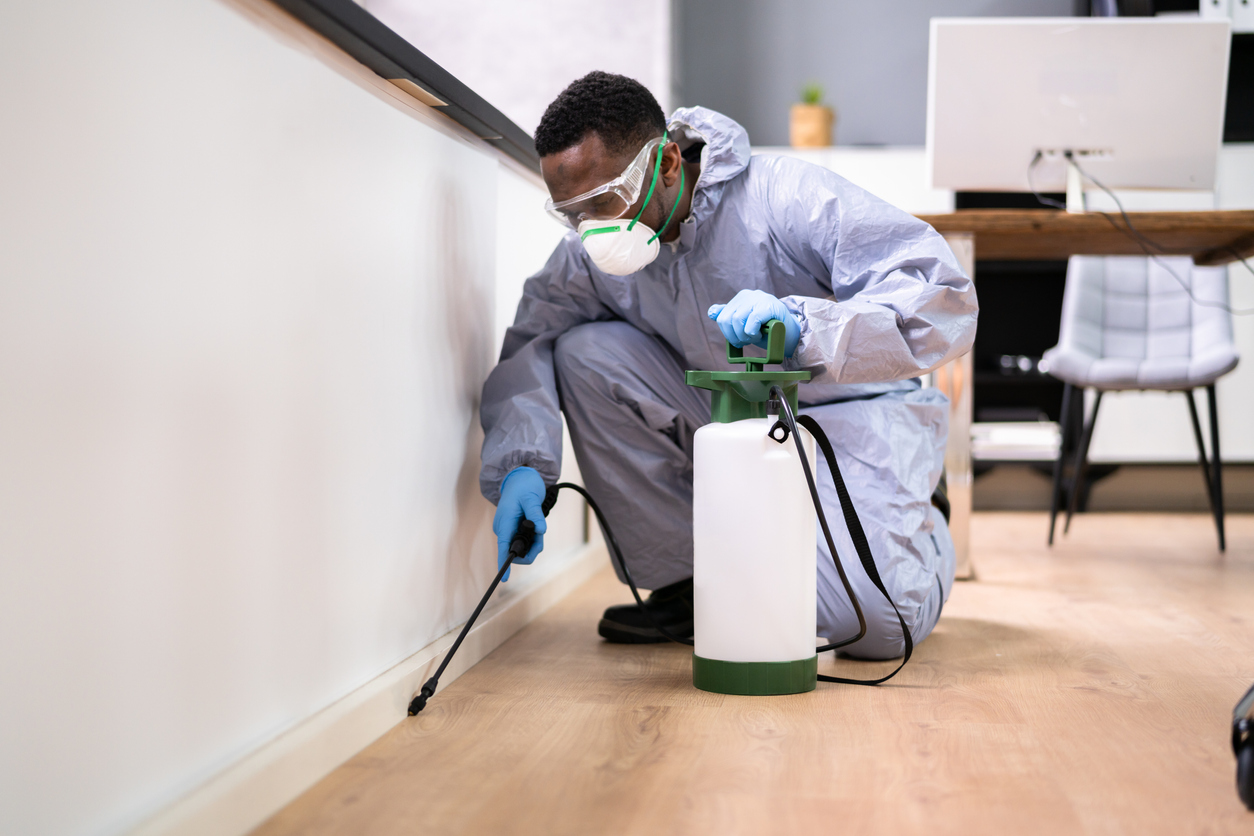


A lot of people in Kenya have gone through the same frustrating cycle. You call a fumigator, leave the house for a few hours, come back hoping the problem is finished, then two weeks later the pests are back. In Umoja, someone says bedbugs returned after treatment. In Nyali, a restaurant owner complains that cockroaches are still appearing near the fridge. In Kisumu, a landlord keeps changing fumigation providers because tenants still report bites.
It is easy to blame the technician immediately, and sometimes that blame is fair. Some providers do poor work, use weak products, skip inspection, or disappear after one visit. But in many cases, the bigger issue is that fumigation alone was expected to solve a pest problem that needed more than chemicals.
Fumigation can be effective, but it is not a complete pest control system on its own. It can reduce active pests, reach hidden areas, and give quick relief. What it cannot do is clean your kitchen, seal holes, stop pests from neighbouring units, remove stagnant water, repair leaks, or prevent someone from bringing in infested furniture.
To get lasting results, homeowners, tenants, landlords, and business owners need to understand why pests return and what must happen alongside fumigation.
Why Fumigation Alone Often Disappoints People
Many Kenyans treat fumigation like an instant cure. Once the house is sprayed, the expectation is that every pest should disappear and never return. That expectation is understandable, especially when someone has paid good money and suffered through bedbug bites, cockroach embarrassment, or rat damage. But pests do not survive only because no one sprayed. They survive because the environment supports them.
In high-density estates like Pipeline, Kawangware, Roysambu, Githurai, and Bamburi, units often share walls, drains, ducts, ceilings, and waste areas. If one tenant treats their house but neighbouring units remain infested, pests can move back. In restaurants, cockroaches may return if grease, food scraps, water leaks, and open bins remain. In shops and godowns, rats may keep entering through gaps under doors or roof spaces.
Fumigation deals with the pests present at the time of treatment. It does not automatically remove the reasons pests came in the first place. That is why a one-time spray may bring relief for a short while, then the problem slowly returns.
Pest Life Cycles Make One Treatment Limited
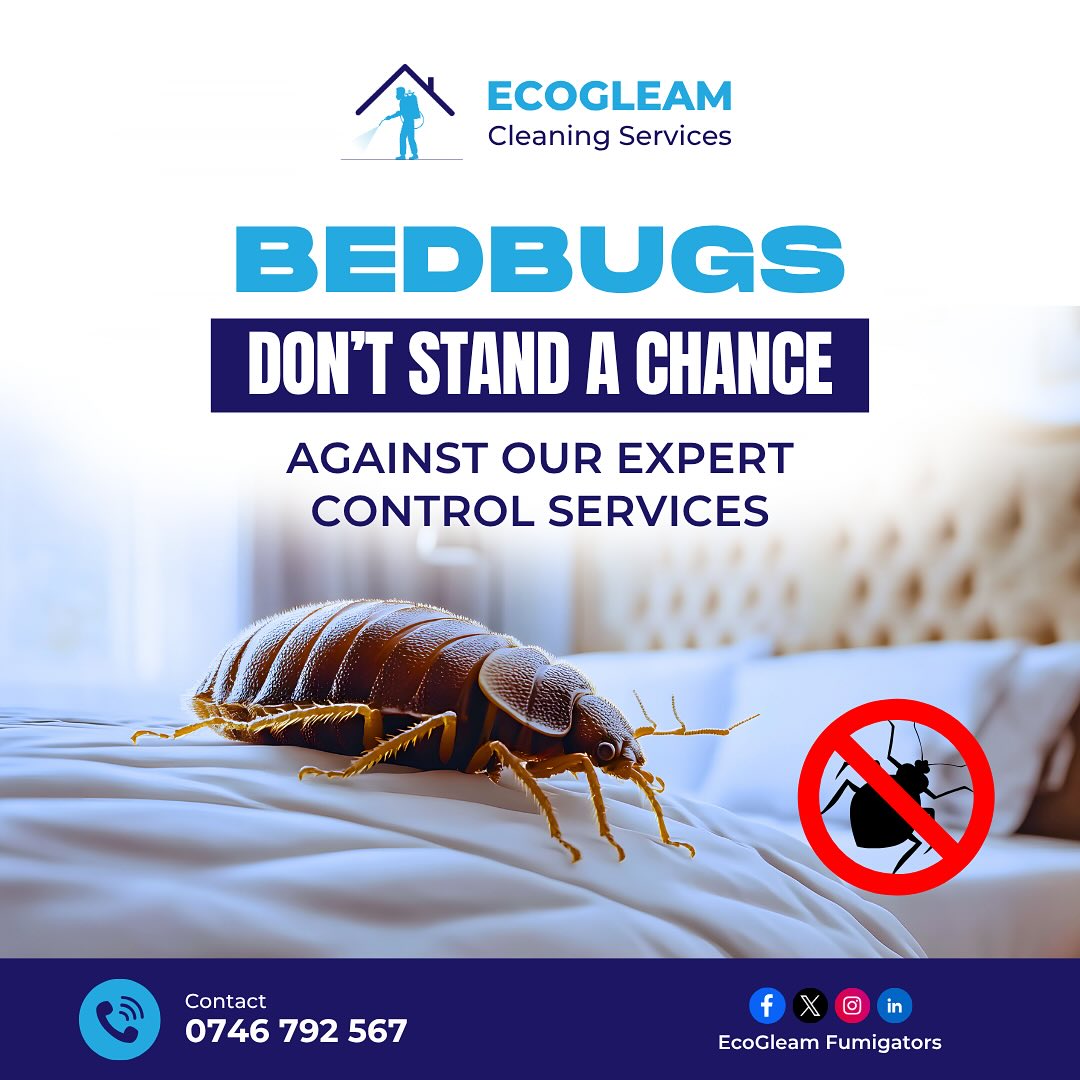
One reason fumigation alone may not solve a pest problem is that many pests have life cycles that continue after treatment. Bedbugs are a good example. They hide in mattress seams, wooden bed frames, curtains, skirting boards, sockets, cracks, and furniture joints. A treatment may kill many adults and young bedbugs, but eggs hidden deep in cracks may hatch later.
This is why some bedbug jobs need a second visit. If the client expects one treatment to finish everything, they may feel cheated when they see activity after a few days. In reality, the treatment plan may simply be incomplete without follow-up.
Cockroaches also reproduce quickly, especially German cockroaches in kitchens. They hide inside appliances, cabinets, hinges, sockets, drains, and tiny cracks. A spray may kill the ones moving around, but eggs and hidden nymphs may continue developing. Gel bait and monitoring may be needed to reduce the colony properly.
Rodents are different but just as stubborn. You may kill several rats, but if the building still has food waste, open stores, and entry holes, more rats can move in from nearby plots, drains, markets, or neighbouring buildings.
Pests are not a one-day problem. Their life cycles and hiding habits often require a process.
Environmental Conditions Keep Attracting Pests
Chemicals can kill pests, but they do not change the environment. If the space still offers food, water, shelter, warmth, and entry points, pests will keep coming back.
A leaking pipe under a sink in South B can keep cockroaches alive even after treatment. Open bins behind a restaurant in Mombasa can attract rats and flies. Stagnant water in open containers, blocked gutters, or construction holes can keep mosquitoes breeding around homes in Kisumu, Diani, and Kitengela. Bushy compounds and untreated soil can encourage termites and ants around homes.
In many rental buildings, poor waste management is a major issue. If garbage piles up near the gate or bins overflow, pests are invited back daily. In apartment blocks, drains and shared plumbing can help cockroaches move from one unit to another. Treating one house helps, but it may not solve a block-wide problem.
Fumigation works best when the environment stops supporting pests. Otherwise, it becomes a repeated expense instead of a lasting solution.
Human Habits Can Reintroduce Pests
Pests also return because of everyday habits. Bedbugs can be carried in bags, clothes, mattresses, sofas, and second-hand furniture. A student returning to a hostel near Thika or Eldoret can unknowingly bring them back after visiting home. A tenant may buy a second-hand couch in Gikomba or Kongowea and introduce bedbugs into a house that was recently treated.
Cockroaches thrive where food is left uncovered, dirty dishes stay overnight, bins remain open, and grease builds up behind appliances. Even after fumigation, these habits can bring the problem back. In food businesses, staff behaviour matters a lot. If cleaning is only done where customers can see, cockroaches will hide and breed in the forgotten areas.
Rodents return when food stocks are poorly stored, doors are left open, or waste is not managed. Mosquitoes return when water is left standing around the compound. Termites can keep attacking where wood touches soil or moisture problems remain.
Fumigation is important, but the people using the space also have a role. Bila cooperation, the results will not last.
Poor Application Can Make Fumigation Fail Faster
Sometimes pests return because the treatment was not done properly. Kenya has many genuine fumigation professionals, but there are also people who buy a sprayer, mix chemicals by guesswork, and call themselves experts.
A poor fumigation job may involve no inspection, wrong product choice, weak dilution, spraying only open floors, ignoring hiding places, or failing to give aftercare instructions. For bedbugs, treating only the mattress and walls may miss bed frames, sockets, curtains, sofas, and cracks. For cockroaches, spraying the kitchen floor but ignoring fridge motors, cabinet hinges, drains, and cooker areas leaves the colony alive.
Using the wrong product also causes problems. Some products may repel pests without killing enough of them, pushing them into other rooms or neighbouring units. Others may not be suitable for indoor use. Some may have no lasting effect. A strong smell does not mean the treatment is effective.
This is why choosing a trained and reliable provider matters. A good fumigator should inspect first, explain the method, target hiding areas, and recommend follow-up where needed.
Shared Buildings Need Shared Pest Control
In many Kenyan apartments, pests are not limited to one unit. Cockroaches move through shared drains, pipes, ducts, wall cracks, and waste areas. Bedbugs can spread through furniture movement, visitors, laundry, and neighbouring rooms. Rats may move through ceilings, roof spaces, drainage lines, and garbage points.
If only one tenant fumigates, they may get temporary relief. But if the rest of the block is untreated, pests can return. This is common in bedsitter blocks, hostels, flats, and rental units with high tenant movement.
Landlords and caretakers should take block-wide pest control seriously. Treating one unit after complaints is reactive. A better approach is coordinated treatment, waste management, sealing cracks, drain control, and regular monitoring. It may cost more upfront, but it reduces repeated complaints.
Tenants also need to report pest problems early instead of hiding them out of embarrassment. The longer pests spread through a building, the harder and more expensive they are to control.
Businesses Need More Than Occasional Spraying
For restaurants, hotels, shops, supermarkets, bakeries, butcheries, warehouses, schools, and Airbnbs, fumigation alone is rarely enough. These places need systems.
A restaurant in Kilimani may need monthly inspection, cockroach gel baiting, drain checks, waste control, staff cleaning routines, and service records. A hotel in Diani may need mosquito control, room checks, bedbug monitoring, and quick response when guests complain. A warehouse in Mombasa may need rodent bait stations, proofing, stock storage rules, and regular monitoring.
Occasional spraying may reduce pests for a few days, but businesses need prevention because one pest sighting can damage reputation. A cockroach in a restaurant dining area, a bedbug complaint in a guest house, or rats in a store can cost more than a proper pest control plan.
This is why commercial pest control should be treated as maintenance, not emergency panic.
What Actually Works: Integrated Pest Management
The best approach is Integrated Pest Management, often shortened to IPM. It simply means using several methods together instead of relying on chemicals alone.
It starts with inspection. The technician should identify the pest, where it is hiding, how it entered, what it is feeding on, and how severe the infestation is. Without inspection, treatment is guesswork.
Next comes sanitation and prevention. This may involve cleaning grease, sealing food, emptying bins, fixing leaks, clearing clutter, removing stagnant water, trimming bushes, and storing items properly.
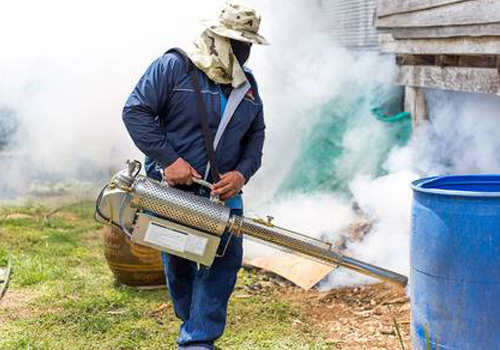
Then comes targeted treatment. This may include spraying, gel bait, dusting, traps, bait stations, fogging, heat treatment for fabrics, or other methods depending on the pest. The treatment should match the problem.
After that, follow-up and monitoring are needed. Bedbugs, cockroaches, rodents, and some commercial pest issues often require checking progress. A second visit may be necessary, especially where eggs, hidden nests, or external sources are involved.
Finally, client education matters. A good provider should explain what the client must do to keep pests away. If the client does not understand their role, the same problem may return.
How to Work Better With a Fumigation Provider
As a client, do not hire someone only because they are cheap or available immediately. Ask questions. What pest do you think it is? Where is it hiding? What method will you use? Is follow-up needed? How should I prepare? How long should people and pets stay away? What should I do after treatment?
A serious provider will answer clearly. They may ask for photos, inspect the site, and explain why one visit may or may not be enough. Be cautious of anyone who promises to finish all pests forever without seeing the place.
It also helps to compare professionals from trusted spaces. The Real Plug helps users find vetted professionals, service providers, and businesses in Kenya. For pest control, looking at provider details, reviews, services, and contact information can reduce the risk of hiring someone who overpromises and underdelivers.
Once you hire a provider, do your part. Prepare the space, follow instructions, avoid cleaning away treatments too soon, report pest sightings honestly, and fix the issues they point out. Pest control works better when the technician and client cooperate.
Common Examples From Kenyan Homes and Businesses
A bedsitter in Rongai with bedbugs may be treated once and feel better for a few days. Then eggs hatch, or the tenant brings back an infested bag, and bites return. The better solution is treatment plus follow-up, washing and drying bedding, reducing clutter, sealing cracks, and checking luggage and furniture.
A restaurant in Nairobi CBD may pay for night spraying but still see cockroaches near the fryer. Inspection may reveal grease buildup, water under the sink, open bins, and roaches hiding inside equipment. The better solution is deep cleaning, leak repair, gel baiting, residual treatment, staff hygiene routines, and monitoring.
A warehouse in Mombasa may reduce rats with bait, but they return through door gaps and feed on spilled grain. The better solution is sealing entry points, storing goods off the floor, cleaning spillage daily, using bait stations, and monitoring activity.
A maisonette in Kitengela may fog for mosquitoes every few weeks, but uncovered tanks, blocked gutters, and nearby stagnant water keep breeding mosquitoes. The better solution is source reduction, larval control where appropriate, screening, and targeted fogging.
Final Thoughts
Fumigation alone may not solve a pest problem because pests are connected to environment, structure, habits, neighbours, and life cycles. Spraying can reduce the pests you see today, but it cannot remove food scraps, seal holes, fix leaks, wash bedding, clear stagnant water, or stop pests moving from untreated spaces.
That does not mean fumigation is useless. It is a valuable tool when used properly. The problem comes when people expect it to do everything by itself. Lasting pest control needs inspection, sanitation, exclusion, targeted treatment, monitoring, follow-up, and client cooperation.
If pests keep coming back after fumigation, do not just switch fundis blindly. Ask what is attracting them, where they are hiding, whether follow-up was done, and what changes are needed in the space. Sometimes the real solution is not stronger dawa. It is a better plan.
When fumigation is combined with prevention and proper follow-up, homes in Fedha, hostels in Thika, restaurants in Nyali, and warehouses in Industrial Area can finally move from repeated frustration to real control.