

Bedbugs are frustrating enough when you can see them. But the real headache is often what you cannot see: the eggs. Many people in Kenya fumigate their homes, sleep peacefully for a few days, then start getting bites again. The first thought is usually, “Huyu fundi alitumia dawa fake.” Sometimes that may be true, but many times the problem is bedbug eggs that survived the first treatment and hatched later.
So, can fumigation kill bedbug eggs? It can affect some eggs, but most fumigation methods used in Kenyan homes do not kill every bedbug egg in one visit. Bedbug eggs are tiny, hidden, sticky, and protected by a tough outer shell. Unless the chemical reaches them directly and stays effective, some eggs may survive. That is why proper bedbug control usually needs follow-up treatment, heat, washing, clutter reduction, and careful inspection.
For tenants, landlords, Airbnb hosts, hostel managers, and homeowners, understanding bedbug eggs can save you money and stress. It also helps you know when a treatment was incomplete, when follow-up is needed, and what role you must play after fumigation.
Why Bedbug Eggs Are So Difficult to Kill
Bedbugs are small, flat insects that hide close to where people sleep or rest. They feed on blood, then return to hiding. A female bedbug can lay several eggs over time, and those eggs are usually placed in protected areas where normal cleaning or spraying may not reach.
Bedbug eggs are very small, often about the size of a tiny grain. They are pale, sticky, and easy to miss. You may find them in mattress seams, wooden bed joints, headboards, skirting boards, curtain folds, sofa seams, wall cracks, sockets, screw holes, luggage, and furniture joints.
In a bedsitter in Pipeline, a one-bedroom in Ruaka, a hostel room in Thika, or an Airbnb in Naivasha, bedbug eggs can hide in places that look harmless. You may clean the room and still miss them. You may spray the mattress and still leave eggs behind in the bed frame or wall crack.
The egg shell protects the developing bedbug inside. Many chemicals that kill adult bedbugs quickly do not penetrate eggs easily. Eggs also do not move around like adult bedbugs, so they may not cross treated surfaces until after they hatch. This is why one treatment may reduce the adult population but fail to stop the next generation.
What Fumigation Usually Means in Kenyan Homes
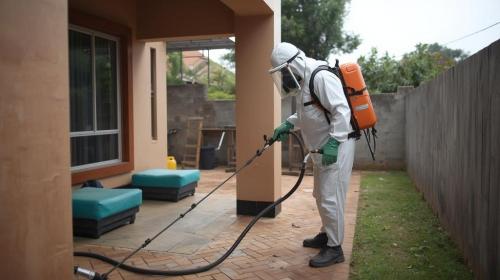
In Kenya, people use the word fumigation to describe many pest control methods. For bedbugs in homes, rentals, hostels, and guest rooms, it often means residual spraying, misting, fogging, dusting, steaming, or a combination of treatments. True gas fumigation, where a space is fully sealed and filled with fumigant gas, is not common for ordinary homes because it is more specialised, expensive, and requires strict safety controls.
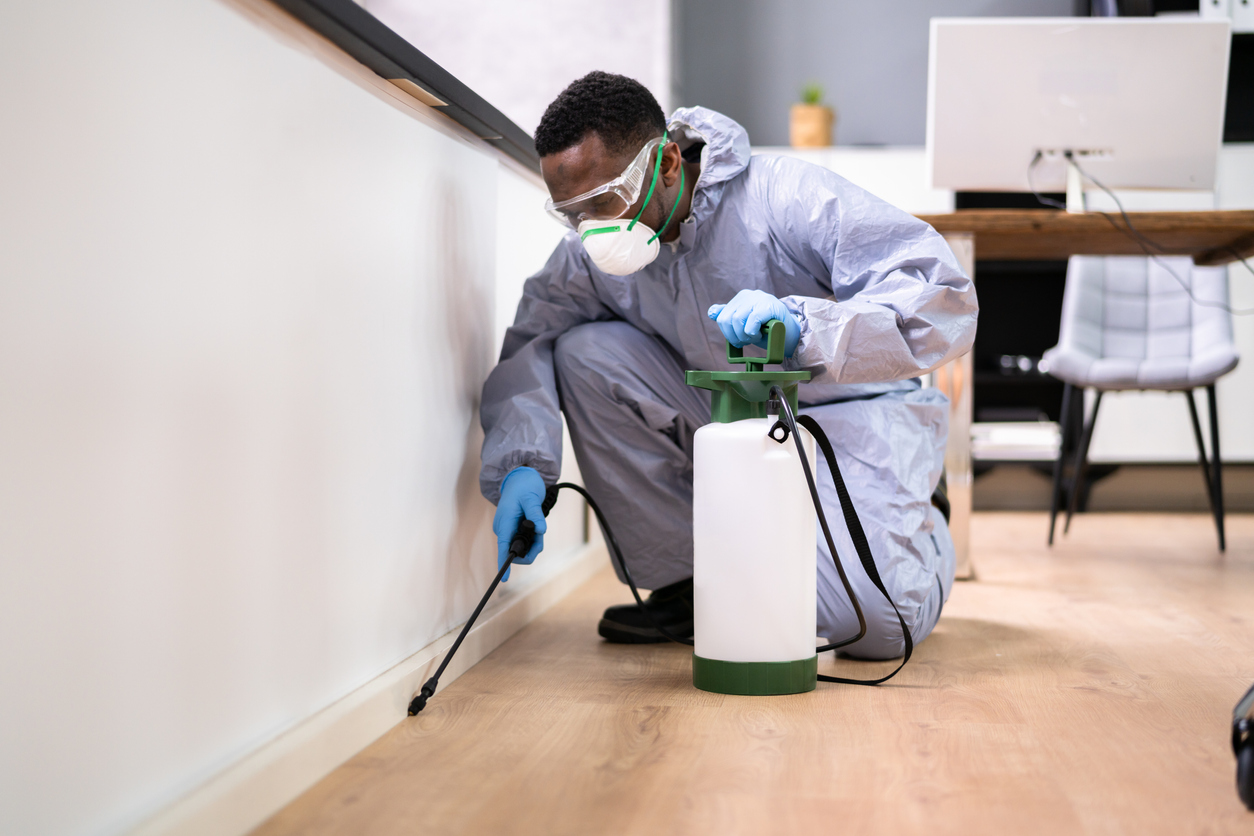
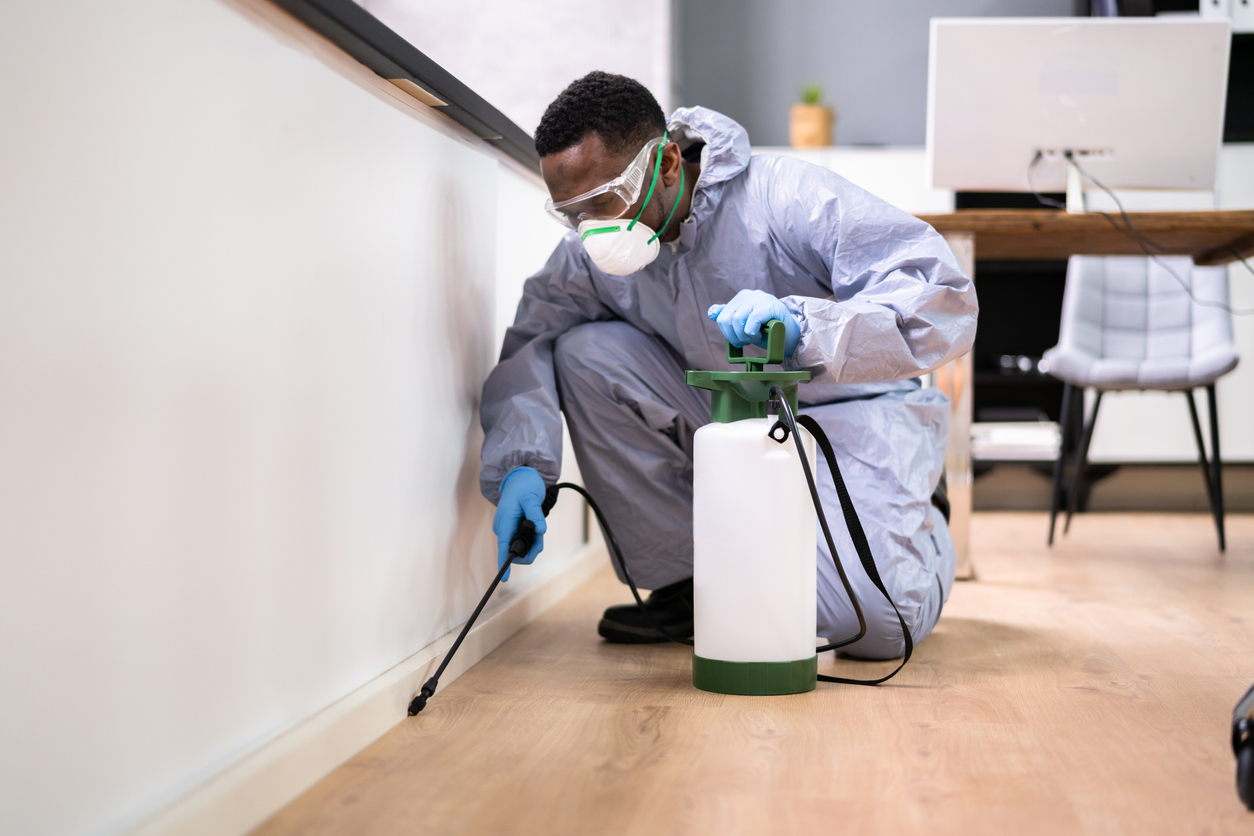
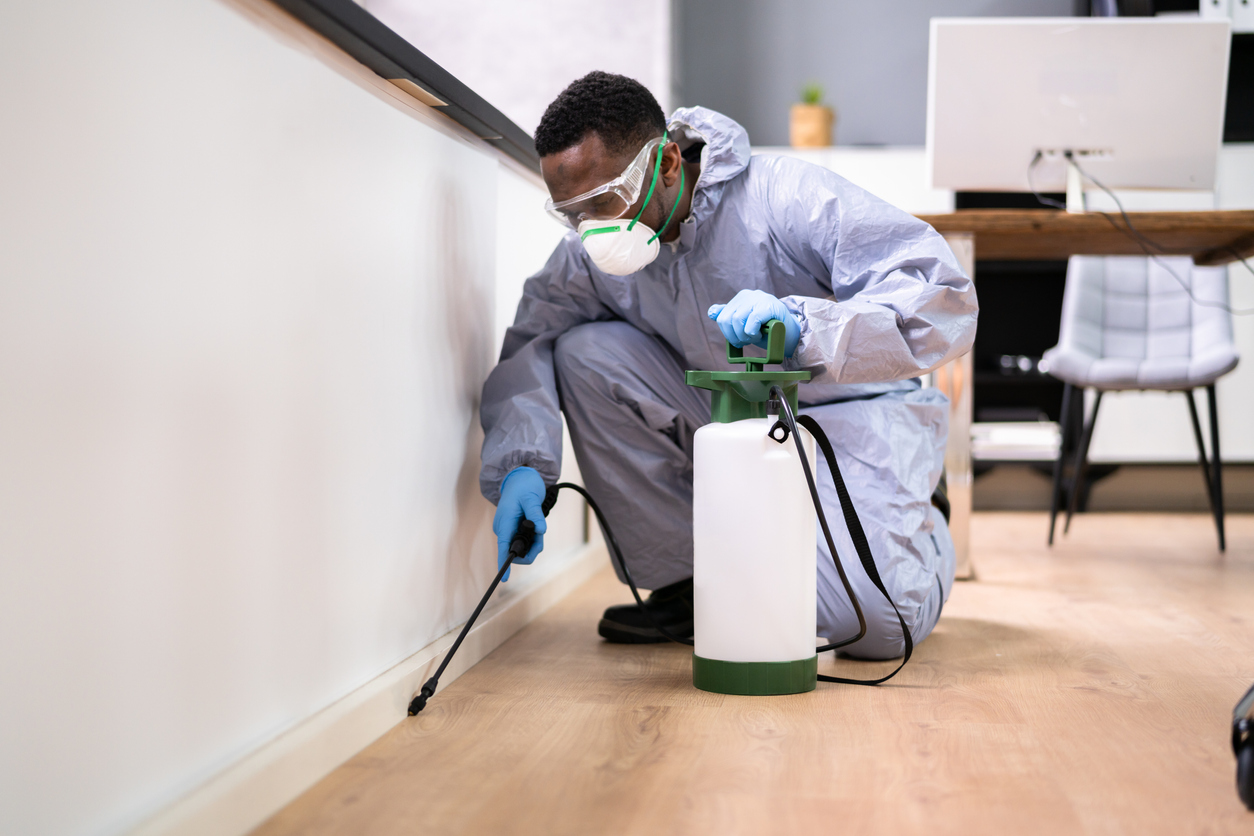
Most household bedbug treatment involves applying pest control products to surfaces where bedbugs hide, rest, or walk. The product may kill on contact and may also leave a residual effect on treated surfaces. When bedbugs or newly hatched nymphs walk over those surfaces, they pick up the product and die.
This can work well against adult bedbugs and nymphs. The challenge is eggs. If eggs are hidden deep inside a mattress seam, socket gap, wooden crack, or furniture joint, the spray may not touch them directly. If the chemical does not reach the egg, it may not kill it.
That is why a serious technician should not promise that one quick spray will kill every egg in a house. Bedbug control is a process, not a one-time miracle.
Can Chemicals Kill Bedbug Eggs?
Some pest control products can affect bedbug eggs, especially if they contact the eggs directly. Products with certain active ingredients may have some ovicidal effect, meaning they can kill or disrupt eggs. Some insect growth regulators may also affect young bedbugs and their development.
However, even when a product can affect eggs, the challenge is contact. The chemical must reach the egg. In real homes, eggs are often hidden in cracks, fabric folds, furniture joints, and tight spaces. A light mist over the room may not reach them. Spraying open floors and walls will not help much if the eggs are inside a bed frame screw hole or behind loose skirting.
Some common sprays are better at killing moving bedbugs than eggs. In such cases, the treatment relies on residual action. The eggs hatch, the young nymphs come out, and then they die after crossing treated surfaces. This is one reason aftercare instructions matter. If you mop or wipe treated areas too soon, you may remove the residue before hatchlings come out.
So, fumigation may kill some bedbug eggs, but it should not be relied on as the only method for clearing eggs completely.
Why One Fumigation Visit Is Usually Not Enough
One of the biggest reasons bedbugs return after fumigation is that only one visit was done. The first treatment may kill adults and nymphs, but some eggs may survive. After several days, those eggs hatch. The new bedbugs start feeding, and the client thinks the treatment failed.
In many cases, the treatment was simply incomplete. For bedbugs, a follow-up visit is often necessary, especially where the infestation is moderate or heavy. The first visit reduces the active population. The follow-up targets newly hatched bedbugs and any surviving insects.
This is common in Kenyan rentals, bedsitters, hostels, and apartments where bedbugs may have been hiding for weeks or months before anyone calls a technician. By the time bites become obvious, eggs may already be spread across several hiding places.
If a technician offers only one spray with no follow-up and no explanation, ask questions. A proper bedbug plan should explain the life cycle, preparation steps, treatment areas, aftercare, and when another visit may be needed.
Heat Is One of the Best Ways to Kill Bedbug Eggs
Heat is very effective against bedbugs and their eggs when applied correctly. Bedbug eggs are more vulnerable to high temperatures than to many surface sprays. This is why professional steam treatment can be useful for mattresses, bed frames, sofas, curtains, and cracks where eggs may be hiding.
At home, you can also use heat in practical ways. Wash bedding, clothes, curtains, and washable fabrics in hot water where possible. Dry items in strong heat where available. In sunny areas like Mlolongo, Kitengela, Kisumu, Mombasa, and many parts of Kenya, people sometimes place sealed black bags with fabrics in direct sun, but this must be done carefully and long enough for heat to build inside the items. Sun alone may not reach every hidden egg if items are packed too tightly.
Steam can help on mattresses, sofa seams, bed joints, and curtains, but it must be applied slowly and carefully. Moving too fast may not deliver enough heat. Also, steam should be used safely around electronics, sockets, and delicate materials.
Heat works best when combined with professional treatment, not as a careless guess. For serious infestations, ask a trained provider whether steaming or heat treatment is suitable for your situation.
Cleaning and Vacuuming Help Remove Eggs
Cleaning alone will not solve a bedbug infestation, but it supports treatment. Vacuuming can physically remove some eggs, live bedbugs, shed skins, and droppings from mattresses, carpets, bed frames, and room edges. Use a crevice tool where possible because eggs hide in tight spaces.
After vacuuming, empty the contents carefully outside the house. If the vacuum has a bag, seal and dispose of it properly. Do not empty it inside the house, because you may spread live bugs or eggs back into the room.
Washing fabrics also helps. Bedding, curtains, clothes, cushion covers, and washable items should be handled carefully. Put them in sealed bags before moving them so you do not spread bedbugs to other rooms. Wash and dry as advised. Keep clean items sealed until treatment is complete.
Decluttering is also important. Bedbugs love hiding in cardboard boxes, piles of clothes, old bags, books, shoes, and unused furniture. The more clutter you have, the more places eggs can hide. In small bedsitters and hostel rooms, reducing clutter can make a big difference.
Common Mistakes That Let Bedbug Eggs Survive
One common mistake is treating only the mattress. Bedbugs may bite from the bed, but they do not hide only there. Eggs may be in the bed frame, headboard, skirting boards, sockets, curtains, sofa, bedside table, and cracks around the room. A proper treatment should focus on all likely hiding places.
Another mistake is poor preparation. If clothes, bags, boxes, and bedding are piled everywhere, the technician may not reach important areas. The treatment becomes shallow, and eggs survive. A good provider should give preparation instructions before the visit.
Some people mop too soon after treatment. This can remove residual product from areas where newly hatched bedbugs are supposed to cross later. You should follow the technician’s instructions on what to clean, what to leave, and for how long.
Using random over-the-counter sprays after professional treatment can also interfere with results. Some sprays may scatter bedbugs deeper into cracks or away from treated areas. If you are seeing activity after treatment, call the technician before adding other products.
Throwing away furniture carelessly is another issue. If you drag an infested mattress through the house or leave it outside without wrapping it, you can spread eggs to corridors, staircases, neighbours, or garbage handlers. If an item must be discarded, ask how to do it safely.
How Professionals Target Bedbug Eggs
A serious bedbug treatment starts with inspection. The technician should check mattresses, bed frames, headboards, sockets, skirting, curtains, sofas, furniture joints, and cracks. They should look for live bugs, eggs, droppings, shed skins, and stains.
After inspection, they should use suitable methods for the site. This may include residual treatment, contact treatment, dusting in cracks where appropriate, steaming, and follow-up visits. The method depends on the infestation level, room type, safety concerns, and available equipment.
For a hostel in Eldoret, the plan may involve treating multiple beds and checking student belongings. For an Airbnb in Diani, it may involve treating the affected room, inspecting nearby rooms, steaming soft furnishings, and monitoring before reopening. For a bedsitter in Githurai, the technician may need to treat the bed, sofa, wardrobe, skirting, and wall cracks because everything is close together.
Professional treatment is not just spraying the air and leaving. Bedbug eggs require patience and detail.
If you are comparing providers, The Real Plug helps users find vetted professionals, service providers, and businesses in Kenya. For bedbug work, look for providers who explain inspection, egg control, preparation, aftercare, and follow-up clearly.
What You Should Do Before Fumigation
Before fumigation, ask the technician for preparation instructions. Do not start moving everything randomly because you might spread bedbugs to clean areas.
Strip beds and seal bedding in bags before washing. Remove clutter from under beds and corners. Empty drawers if advised. Pull furniture slightly away from walls so the technician can access skirting and cracks. Keep personal items organised and sealed where possible.
Wash fabrics in hot water where suitable and dry them properly. For items that cannot be washed, ask whether heat, sun exposure, steaming, or sealing is recommended. Avoid moving infested items into other rooms without guidance.
If you live in a shared building, hostel, or apartment block, inform the landlord or caretaker if you suspect the infestation is coming from outside your room. Treating only one unit may not be enough if nearby rooms are also affected.
What You Should Do After Fumigation
After treatment, follow safety and aftercare instructions carefully. Stay out for the recommended time, ventilate when you return, and avoid touching treated areas unnecessarily.
Do not mop treated skirting, bed frames, cracks, and room edges too soon unless the technician says so. Residual treatment may need to remain in place to affect newly hatched nymphs. Food-contact surfaces should be cleaned as advised, but do not remove treatment from pest hiding areas too early.
Keep washed items sealed until the room is ready. Avoid bringing in second-hand furniture during the treatment period. Inspect bags, school boxes, travel luggage, and visitors’ items if you have had repeated infestations.
Monitor the room after treatment. Look for new bites, live bugs, droppings, or shed skins. If activity continues after the expected period, call the technician for follow-up instead of starting a new random spray.
When Follow-Up Treatment Is Needed
Follow-up treatment is common with bedbugs because of eggs. If eggs survive the first visit and hatch later, the second visit helps target the new nymphs before they mature and reproduce.
The need for follow-up depends on infestation level, treatment method, preparation quality, and whether the source has been controlled. Heavy infestations in rentals, hostels, and cluttered homes may need more than two visits. Mild cases caught early may be easier, but they still require monitoring.
A provider who includes follow-up or explains when it is needed is usually more realistic than one promising instant permanent results. Bedbugs are tough, and honest communication matters.
Can You Kill Bedbug Eggs Permanently?
Yes, bedbug eggs can be killed, but usually not through one quick fumigation visit alone. The best results come from combining methods. Professional treatment reduces adults and nymphs. Residual products help affect hatchlings. Heat and steam target eggs in fabrics and cracks. Washing and drying fabrics remove or kill eggs in clothing and bedding. Vacuuming removes some eggs physically. Follow-up catches what survived.
You also need to prevent reintroduction. Second-hand furniture, visitors, travel bags, school boxes, hostels, and neighbouring units can bring bedbugs back. If you clear the current infestation but bring in another infested item, the cycle starts again.
For flats and shared buildings, talk to neighbours, caretakers, or landlords where necessary. Bedbug control is harder when the source is next door and untreated.
Final Thoughts
Fumigation can kill some bedbug eggs if the product touches them directly, but it should not be expected to kill every egg in one visit. Bedbug eggs are tiny, hidden, sticky, and protected. Many survive because they are deep inside seams, cracks, sockets, bed frames, sofas, and furniture joints.
That does not mean fumigation is useless. It means bedbug control must be done properly. The best approach is inspection, targeted treatment, heat where possible, washing fabrics, vacuuming, clutter reduction, sealing cracks, and follow-up. One spray may reduce the problem, but a complete plan clears it.
If someone promises to kill all bedbug eggs instantly with one quick spray, be careful. A good provider will explain the life cycle, tell you how to prepare, treat hiding places carefully, and schedule follow-up where needed.
Bedbugs are stubborn, but they are not unbeatable. When fumigation is combined with heat, cleaning, prevention, and proper follow-up, homes, rentals, hostels, and guest rooms in Kenya can become bedbug-free and stay that way.