

Finding bedbugs in your home can make you feel like everything is contaminated. You start looking at the mattress, sofa, clothes, curtains, bags, shoes, baby toys, and even books with suspicion. In a bedsitter in Pipeline, a one-bedroom in Ruaka, or a family house in Syokimau, the first reaction is often panic: should I throw everything away?
The good news is that you do not need to throw away most things after a bedbug infestation. Many items can be saved with proper treatment, heat, washing, vacuuming, sealing, and follow-up. In fact, throwing things away too quickly can make the problem worse because bedbugs may spread to corridors, staircases, neighbours, garbage collectors, or even another home if the items are picked and resold.
That said, there are some items you may need to discard, especially if they are heavily infested, badly damaged, difficult to treat, or not worth the cost of saving. The smart approach is not to panic. Treat first, inspect carefully, then decide what should stay and what should go.
Do Not Throw Things Away Before Treatment
The first rule after finding bedbugs is simple: do not rush to drag your mattress, sofa, or clothes outside before treatment. This is one of the biggest mistakes people make in apartments, bedsitters, hostels, and rental blocks across Kenya.
When you move infested items through the house, hallway, lift, staircase, or compound, bedbugs and eggs can fall off along the way. In flats in Umoja, Kasarani, Kahawa West, Zimmerman, and Bamburi, this can easily spread the problem to neighbours. If someone picks the discarded item and takes it home, the infestation continues somewhere else.
Before throwing anything away, seal it or treat it. A pest control provider may advise you to keep furniture inside during the first treatment so that bedbugs hiding in it are exposed. If you remove the item too early, you may remove the pests from the treatment area and allow them to survive.
If an item must be disposed of, wrap it completely in plastic, tape it well, and label it clearly as bedbug-infested. Do not leave an exposed mattress in the corridor or at the roadside. Hiyo ni kupelekea watu wengine shida.
Most Clothes, Bedding, and Curtains Can Be Saved
You usually do not need to throw away clothes, bedsheets, blankets, duvets, pillowcases, curtains, or towels after a bedbug infestation. These items can often be treated with heat and washing.
Bedbugs and their eggs are vulnerable to high heat. Wash washable fabrics in hot water where the material allows, then dry them thoroughly using high heat or strong sun. If you have access to a dryer, use the highest safe setting for the fabric. If you do not have a dryer, seal items in black plastic bags and place them in direct sun for enough time to heat through, especially in hot areas like Mlolongo, Kitengela, Kisumu, Mombasa, and many parts of Nairobi.
Be careful not to move infested laundry loosely from room to room. Put items in sealed bags before carrying them to the washing area. After washing and drying, keep clean items sealed until the room has been treated and cleared. This prevents bedbugs from crawling back into freshly cleaned clothes.
Delicate clothes may need dry cleaning or special handling. Tell the cleaner there may be bedbugs so the items are handled safely. Do not hide the issue out of embarrassment.
Can You Keep Your Mattress After Bedbugs?
In many cases, yes, you can keep your mattress after bedbugs. Throwing away a mattress is not always necessary, especially if it is still in good condition and the infestation is not extreme.
Bedbugs often hide in mattress seams, labels, buttons, folds, and edges. A trained technician can treat these areas carefully. After treatment, you can use a bedbug-proof mattress encasement to trap any remaining bugs inside and prevent new ones from entering the mattress. This also makes future inspection easier because bedbugs have fewer hiding places.
However, you may consider throwing away a mattress if it is badly torn, heavily infested inside the filling, old, dirty beyond recovery, or already due for replacement. If the mattress has open seams and exposed foam where bedbugs are deep inside, treatment may be harder.
If you decide to dispose of it, do not just carry it outside uncovered. Wrap it fully in heavy plastic, seal it with tape, and label it as bedbug-infested. This protects neighbours, waste handlers, and anyone who might be tempted to pick it.
What About Sofas and Cushioned Furniture?
Sofas can often be saved, but they need careful inspection. Bedbugs hide in seams, folds, wooden frames, stapled fabric, cushions, zips, and joints. A simple spray on the outside may not reach them.
If the sofa is valuable and still in good condition, professional treatment, steaming, vacuuming, and follow-up may help. The technician may need to turn it over, inspect the frame, treat cracks, and focus on fabric folds. Cushion covers should be washed or heat-treated where possible.
But some sofas are not worth saving. If the fabric is torn, foam is exposed, the frame is damaged, and bedbugs are deep inside, disposal may be more practical. This is especially true for old second-hand couches that already have many hiding spaces. Keeping such a sofa may lead to repeated treatments and stress.
If you throw it away, dispose of it responsibly. Do not sell it, donate it, or leave it outside for someone else to pick. That only moves the problem to another family.
Wooden Beds, Wardrobes, Tables, and Chairs
Wooden furniture is usually treatable. Bedbugs like wood because it has cracks, joints, screw holes, and tight spaces. A wooden bed frame in a bedsitter in Githurai or a wardrobe in a house in Donholm can hold many hidden bedbugs if not inspected properly.
The good thing is that wood can often be treated through steaming, targeted spraying, dusting in cracks where appropriate, dismantling, sunning, and sealing gaps. If the furniture is strong and valuable, do not rush to throw it away.
You may need to dismantle bed frames so the technician can reach joints and screw holes. After treatment, consider sealing cracks, tightening loose joints, and painting or varnishing rough areas to reduce hiding spaces.
Throw away wooden furniture only if it is broken, rotten, badly cracked, heavily infested, or too cheap to justify repeated treatment. A damaged bed with many deep cracks may keep harbouring pests even after spraying.
Electronics and Appliances Need Special Care
Bedbugs can hide in electronics because they like warm, dark, tight spaces. They may enter televisions, laptops, speakers, decoders, extension cables, microwaves, and other appliances. This does not mean you should throw them away immediately.
Do not spray electronics with liquid pesticide. You can damage the device or create a safety risk. Instead, ask a professional how to handle them. Depending on the item, options may include careful inspection, sealing, controlled treatment methods, or professional heat treatment where available.
For small electronics, sealing and monitoring may be recommended. Some items may be placed in controlled treatment bags by professionals, but this should be done carefully and safely. Do not experiment with chemicals inside electronics.
Throw away electronics only if they are already spoiled, low-value, or impossible to treat safely. In most cases, a TV or laptop should not be discarded just because bedbugs were found nearby.
Books, Documents, Bags, and Shoes
Books and documents are tricky because you cannot wash them. Bedbugs do not eat paper, but they can hide between pages, in book spines, and inside boxes. If the books are important, seal them in plastic containers or bags and keep them isolated as advised. A professional can guide you depending on the severity.
Avoid cardboard boxes where possible because bedbugs can hide in the folds. Use sealed plastic containers instead, especially when packing after treatment or moving houses.
Bags and shoes can often be saved. Inspect seams, zips, folds, soles, and hidden pockets. Wash or heat-treat what can safely handle it. For school bags, travel bags, and suitcases, be extra careful because they can reintroduce bedbugs after treatment.
Throw away old, torn bags or shoes if they are heavily infested and not worth cleaning. But do not throw away valuable items before trying safe treatment options.
Children’s Toys and Baby Items
Most toys can be saved. Plastic toys can be washed in hot soapy water where safe. Stuffed toys can often be washed and dried with heat, depending on the material. Baby blankets, soft toys, and fabric items should be handled like bedding and clothes.
For toys that cannot be washed, sealing and professional advice may be needed. Be cautious with items babies put in their mouths. Do not apply pesticides directly to toys, baby mattresses, feeding items, or anything children handle closely unless a qualified professional gives safe guidance.
If a toy is cheap, torn, heavily infested, or impossible to clean safely, it may be better to discard it. Always seal it first.
Items You Should Consider Throwing Away
You do not need to throw away everything, but some items are better removed.
Heavily infested, low-value items may not be worth saving. Old rugs, torn slippers, damaged cushions, cheap storage boxes, broken chairs, and worn-out fabric items can be discarded if treating them costs more than replacing them.
Severely damaged mattresses and sofas may also need to go. If they are torn open and bedbugs are deep inside the foam or stuffing, treatment may not reach all hiding areas.
Items that cannot be treated safely may need professional assessment. This may include certain delicate fabrics, antiques, medical devices, or sensitive electronics. These cases are less common, but they should be handled carefully.
You may also choose to discard an item for peace of mind. Some people cannot sleep on a mattress again after knowing it had bedbugs, even if it has been treated. That feeling is valid. Just make sure disposal is done safely so you do not spread the infestation.
How to Dispose of Bedbug-Infested Items Safely
Safe disposal matters, especially in shared buildings and estates where people may pick discarded furniture.
First, treat or seal the item before moving it. If possible, have it sprayed, steamed, or wrapped while still inside the room. Second, wrap it completely in heavy plastic or a mattress bag. Seal all edges with strong tape so bedbugs cannot escape.
Third, label it clearly. Write “Bedbug infested. Do not take.” This may feel dramatic, but it protects other people. In Kenya, discarded furniture can be picked up very quickly and resold or reused. A clear warning helps prevent the infestation from spreading.
Fourth, coordinate with your caretaker, landlord, garbage collector, or waste handler. Do not leave the item in a shared corridor overnight. Move it directly to the agreed disposal point.
Never sell or donate infested furniture. Even if you are trying to recover money, you may be starting a serious problem for another household.
What Tenants and Landlords Should Know
Bedbug infestations can create tension between tenants and landlords. A tenant may blame the house. A landlord may blame the tenant’s furniture. Sometimes the infestation was already there before move-in. Other times it was introduced later through luggage, visitors, second-hand furniture, or school items.
The best approach is early communication. Tenants should report bedbugs quickly instead of hiding the problem. Landlords should inspect vacant units and treat them before new tenants move in, especially in buildings with previous complaints. If several units are affected, treating one room or one house may not be enough.
Landlords should not force tenants to throw away all belongings. Most items are treatable. Tenants should also avoid moving infested items through shared spaces without sealing them.
If you are moving from an infested house to a new place in Fedha, Thika, Syokimau, or Nakuru, treat and heat your belongings before packing. Use plastic bins instead of cardboard boxes where possible. Inspect the moving vehicle and avoid carrying untreated furniture directly into the new home.
How Professionals Help You Decide What to Keep
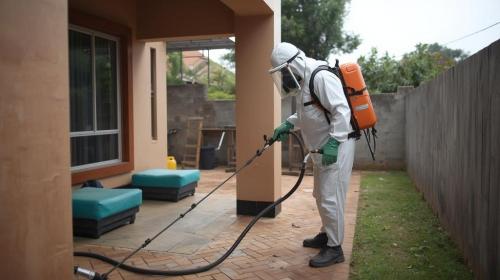
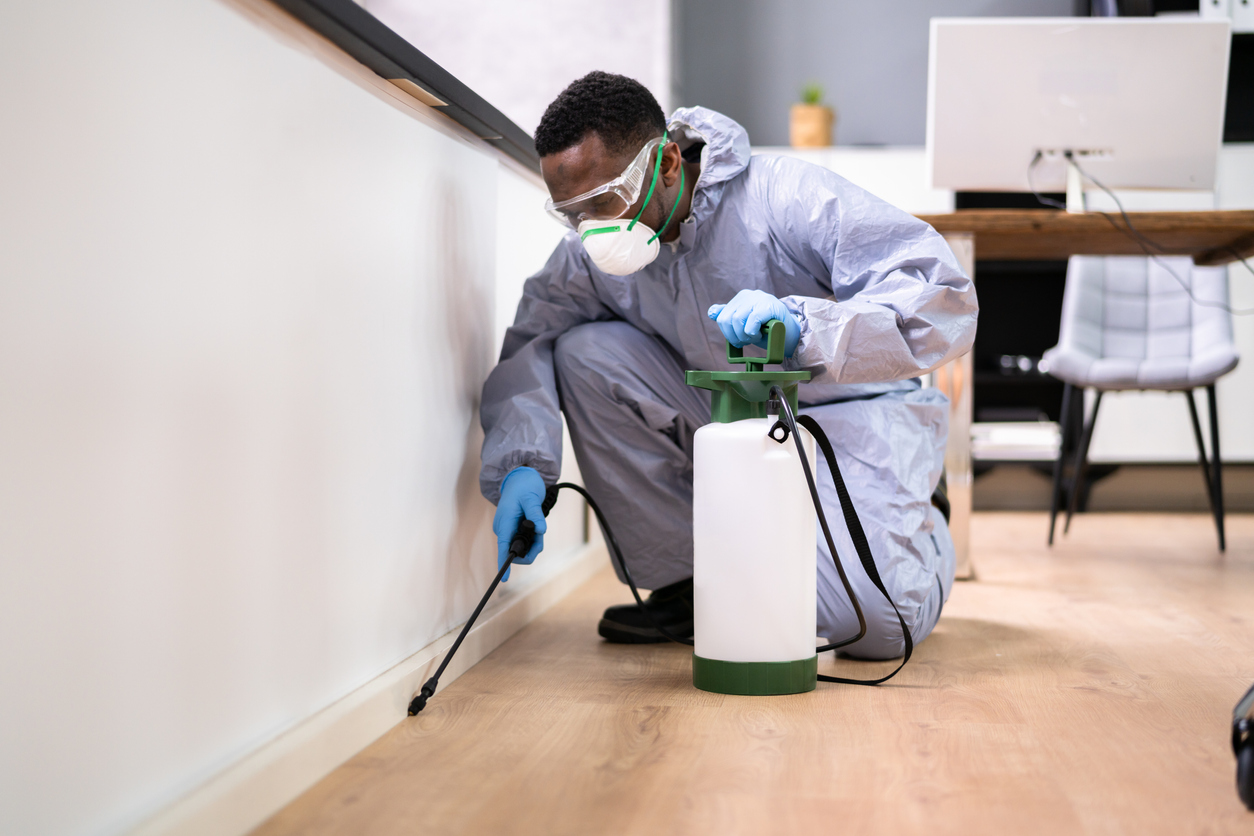
A good pest control provider should inspect your belongings and advise what can be saved. They may recommend treating the mattress, steaming the sofa, washing fabrics, sealing books, or discarding only badly damaged items.
This guidance can save you money. Without professional advice, many people throw away expensive furniture unnecessarily. Others keep badly infested items and suffer repeated outbreaks. The right decision depends on the item’s value, condition, infestation level, and treatment options.
Platforms like The Real Plug help users find vetted professionals, service providers, and businesses in Kenya. When dealing with bedbugs, look for providers who offer inspection, treatment guidance, follow-up, and honest advice on what should be kept or discarded.
What to Do Before Deciding to Throw Anything Away
Before disposing of belongings, take a calm step-by-step approach. Identify where bedbugs are hiding. Treat the affected rooms and items. Wash and heat fabrics. Vacuum mattresses, sofas, carpets, and cracks. Seal cleaned items in bags or plastic containers. Monitor after treatment.
After the first treatment and follow-up, review what still shows signs of infestation. If an item remains heavily infested, damaged, or impossible to treat, then disposal may make sense.
Do not make expensive decisions in panic. Bedbugs are stressful, but panic can cost you more than the infestation itself.
Final Thoughts
After a bedbug infestation, you do not need to throw away everything. Most clothes, bedding, curtains, mattresses, wooden furniture, books, toys, bags, and electronics can be saved with the right handling. Heat, washing, vacuuming, sealing, professional treatment, and follow-up can clear many items safely.
You should consider throwing away items that are heavily infested, badly damaged, low-value, or impossible to treat safely. Even then, dispose of them responsibly. Wrap them, seal them, label them, and avoid spreading bedbugs to neighbours or waste handlers.
The main rule is simple: treat first, decide second. Do not drag infested furniture outside in panic. Do not sell or donate items that may spread bedbugs. Get professional advice where needed, save what can be saved, and let go of what is truly not worth keeping.
Bedbugs are tough, but they do not have to clear your whole house or your bank account. With patience and the right process, you can recover your space without throwing away everything you own.