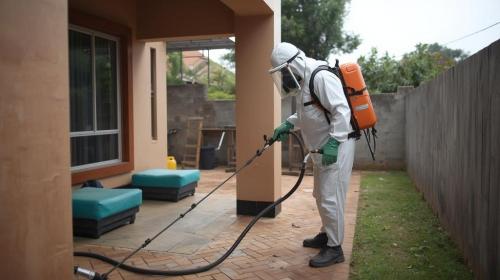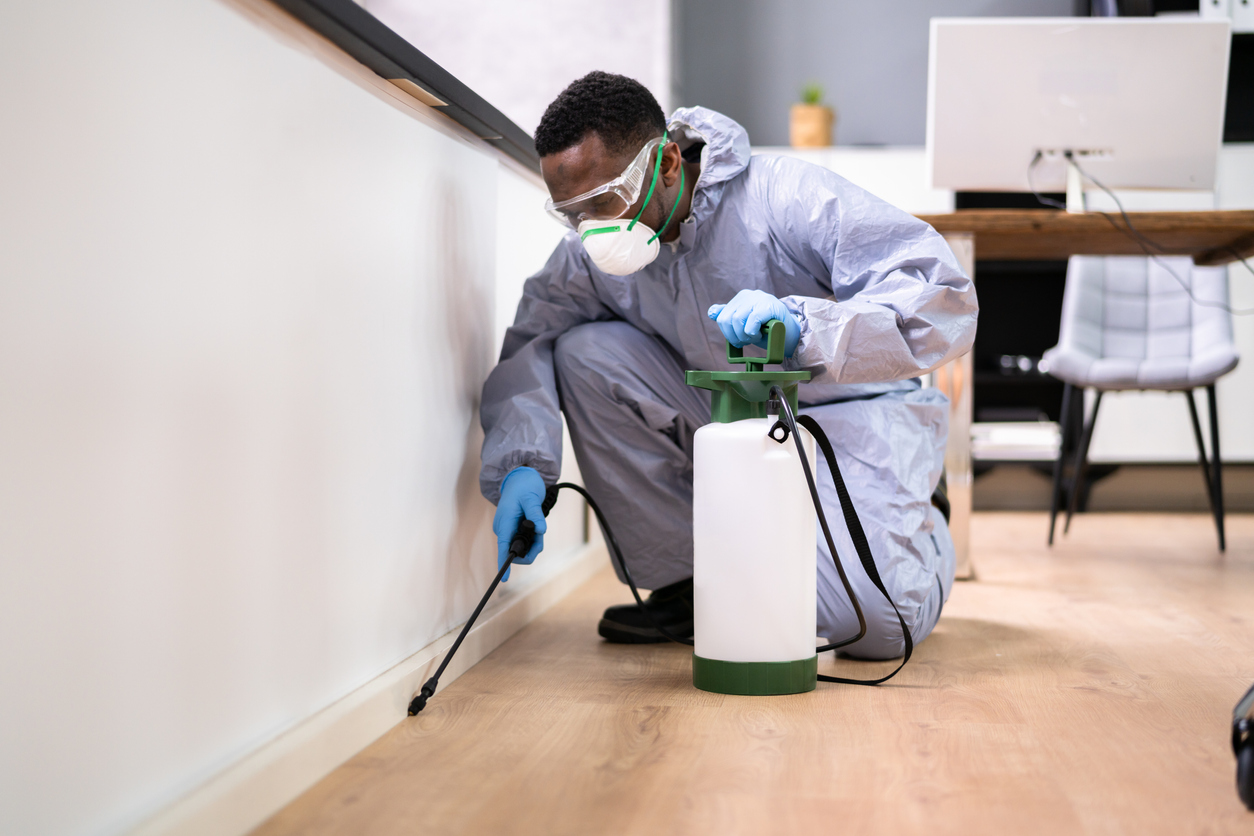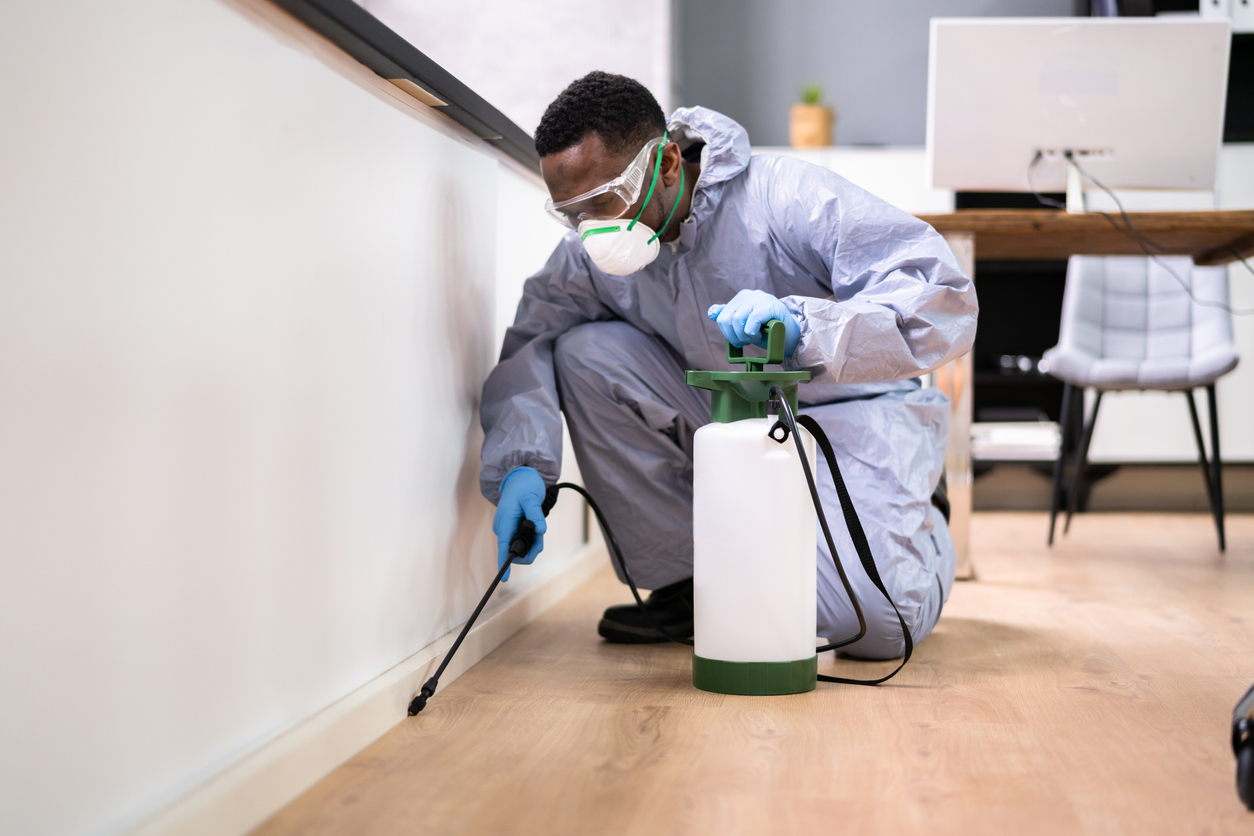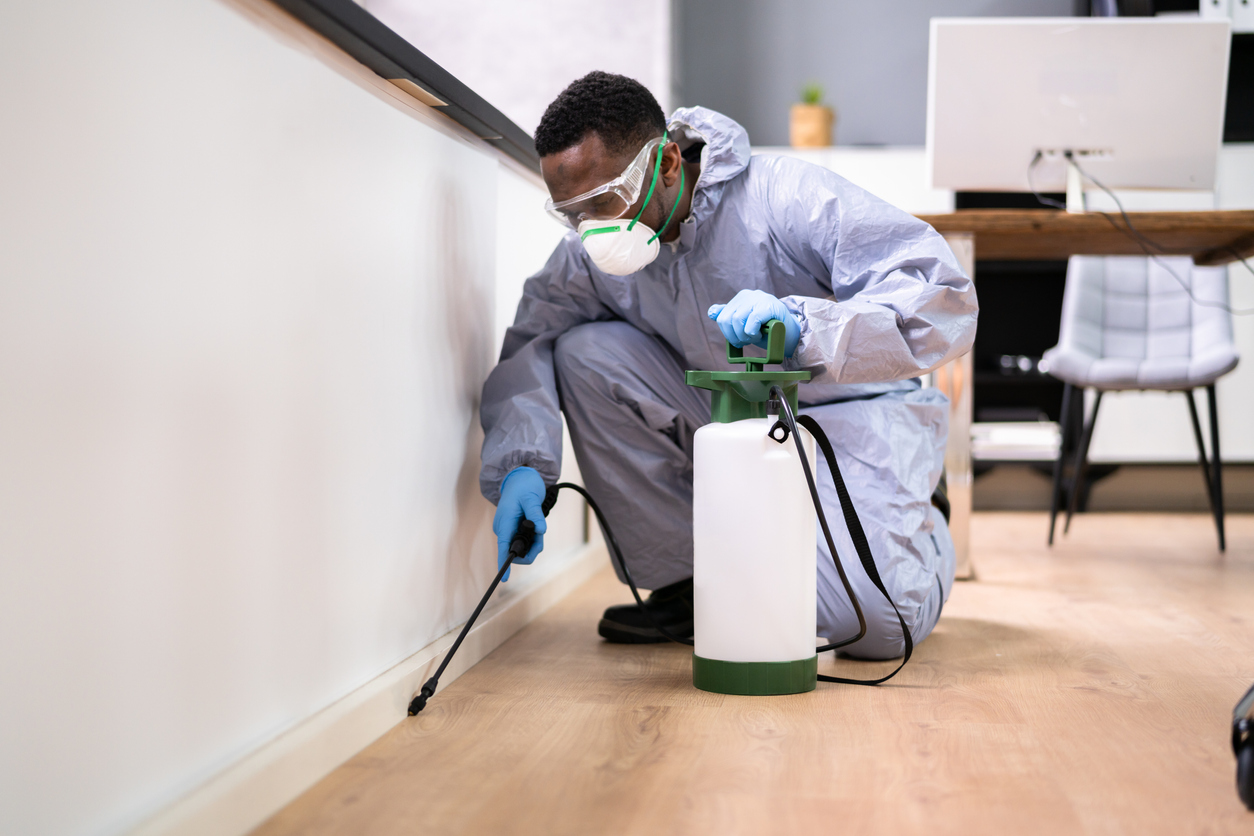


Cockroaches are stubborn pests, and anyone who has dealt with them in a Kenyan home or business knows how frustrating they can be. You call a fumigator, prepare the kitchen, leave the house for a few hours, and come back hoping the problem is finished. Then later that night, one roach walks across the counter like nothing happened. Eish, that one sighting can make you wonder whether the treatment worked at all.
So, can cockroaches survive fumigation? Yes, some can. But it does not always mean the fumigator used weak chemicals or cheated you. Cockroaches survive for different reasons. Sometimes the chemical did not reach their hiding places. Sometimes eggs hatch after treatment. Sometimes the roaches are coming from drains, neighbours, or nearby waste areas. In other cases, the wrong method was used for the type of cockroach in the building.
Fumigation can reduce and control cockroaches, but it works best when it is part of a proper pest control plan. For homes, restaurants, hotels, rentals, offices, and shops in Kenya, the goal should not just be to spray. The goal should be to find the source, treat the right areas, remove what attracts them, and follow up.
Why Cockroaches Are Hard to Control
Cockroaches are not just dirty insects that appear because a kitchen has crumbs. They are survivors. They hide in tiny cracks, move mostly at night, reproduce quickly, and can stay out of sight even when the infestation is growing.
In a Nairobi bedsitter, they may hide behind a small fridge, inside a microwave, under the sink, or behind fixed kitchen cabinets. In a restaurant in Westlands, they may live near fryers, drains, coffee machines, dishwashing areas, and grease traps. In Mombasa or Kisumu, larger cockroaches may come from drains, manholes, septic areas, and damp compounds.
This is why a quick spray on the floor and walls often fails. The cockroaches you see are usually only part of the problem. The real colony may be hidden deep inside appliances, cracks, drain lines, or neighbouring spaces.
To control cockroaches properly, the technician must know what type of cockroach is present and where it is breeding.
Common Cockroaches Found in Kenyan Homes and Businesses
Not all cockroaches behave the same way. Understanding the type makes a big difference in treatment.
German cockroaches are the small light-brown roaches often found in kitchens, restaurants, hostels, offices, and apartments. They breed fast and prefer warm hidden places close to food and water. You may find them inside fridge motors, microwaves, cabinet hinges, sockets, and cracks around the sink. They are common in busy kitchens in estates like Umoja, Buruburu, Pipeline, Kasarani, and in food businesses across towns.
American cockroaches are larger, reddish-brown, and sometimes fly. They are often linked to drains, sewers, manholes, septic tanks, bathrooms, and damp areas. You may see them at night in bathrooms, corridors, compounds, or near drains. Spraying inside the house may kill those that entered, but more can come from outside if the drainage source is not treated.
Brown-banded cockroaches are less talked about but can appear in bedrooms, offices, shelves, ceilings, and electronics. They may not stay only in kitchens, so treating the kitchen alone may miss them.
If a technician treats every cockroach problem the same way, some will survive. German cockroaches need careful crack treatment, baiting, and follow-up. American cockroaches often need drain and external source control. That is why inspection matters before treatment.
How Fumigation Kills Cockroaches
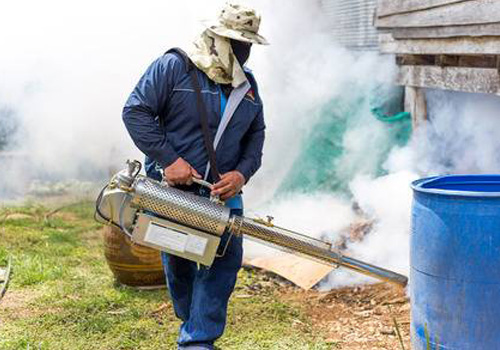
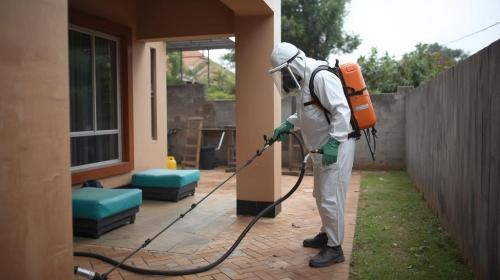
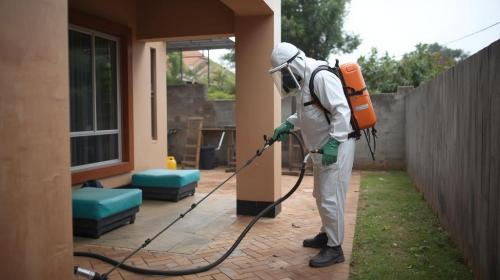
In many Kenyan homes, the word fumigation is used for residual spraying, misting, fogging, baiting, or general pest treatment. For cockroaches, the most common approach is to apply insecticide in areas where roaches walk, hide, or feed.
A residual spray leaves a chemical layer on treated surfaces. When cockroaches walk across it, they pick it up on their bodies and legs. Some die after contact, while others ingest it while grooming. Gel bait works differently. Roaches eat the bait, return to hiding areas, and may spread the effect to others in the colony.
A good treatment may combine spraying, gel baiting, dusting, drain treatment, sanitation advice, and follow-up. The exact method depends on the species, infestation level, building type, and safety concerns.
If the treatment is done properly, you may see more cockroaches during the first few days. That can actually happen because roaches are disturbed, exposed, or dying. Over the next several days, sightings should reduce. If live activity remains high after the expected period, something was missed or the source is still active.
Why Cockroaches Survive Fumigation
Cockroaches survive fumigation for several reasons. Some are related to poor service, while others are linked to the building, environment, or client habits.
The Chemical Did Not Reach Their Hiding Places
Cockroaches hide where normal spraying may not reach. German cockroaches can live inside appliance motors, under cabinet lips, behind tiles, inside wall cracks, and near sink plumbing. If the technician sprays only open surfaces, the hidden colony remains safe.
This is common in small kitchens where appliances are not moved and cabinets are fixed tightly against walls. The client may see dead roaches for a day or two, then the hidden survivors come out again at night.
A proper technician should inspect the kitchen, check appliances where safe, treat cracks and crevices, and place bait in strategic hidden areas. Spraying the middle of the floor is not enough.
Eggs Hatched After Treatment
Cockroach eggs can survive treatment depending on where they are hidden and what method was used. German cockroaches carry egg cases and drop them in protected spaces. If adults are killed but egg cases hatch later, small nymphs may appear after some days.
This does not always mean the treatment failed completely. It may mean follow-up is needed. Residual products and bait can help catch newly hatched roaches, but if the client wipes treated areas too soon or removes bait, the protection is reduced.
For heavy infestations, one visit is often not enough. A follow-up visit helps deal with hatchlings and survivors.
The Wrong Method Was Used
Cockroach control is not always about spraying more. In some cases, gel bait is more effective than broad spraying, especially for German cockroaches hiding in kitchens and appliances. For drain-based cockroaches, treating the kitchen only may not solve the source. For commercial kitchens, sanitation and monitoring are just as important as chemicals.
Using the wrong product or method can also scatter cockroaches. Some products repel them, pushing them deeper into walls or into neighbouring rooms. Others may not have enough residual effect. Some may be unsuitable for indoor use.
A strong chemical smell does not prove quality. What matters is whether the product and method match the pest and the site.
Cockroaches Are Coming From Drains or Outside
If you keep seeing large cockroaches in the bathroom or near drains, the problem may not be inside the house. The source may be sewer lines, manholes, septic tanks, open drains, or damp external areas.
This is common in some apartments, maisonettes, restaurants, and coastal homes. You can spray indoors and get temporary relief, but more cockroaches may come in through bathroom drains, gaps under doors, or drainage points.
In such cases, treatment should include drain management, external inspection, sealing gaps, covering drains where appropriate, and sometimes involving the landlord, caretaker, or property manager.
Neighbours or Shared Spaces Are Infested
In flats, hostels, apartments, and courts, cockroaches can move between units through pipes, cracks, ceiling spaces, ducts, drains, and shared waste areas. Treating one unit may reduce the problem temporarily, but reinfestation can happen if the building has a wider issue.
This is common in high-density rental areas where garbage handling, shared plumbing, and tenant movement make pest control harder. If several tenants are complaining, the landlord should consider coordinated treatment.
A clean individual house may still get cockroaches if the block’s drains, garbage area, or neighbouring units are heavily infested.
Food, Water, and Grease Are Still Available
Cockroaches need food, water, and shelter. If these remain, treatment becomes harder. A leaking tap, water under the sink, open bins, dirty dishes overnight, grease behind cookers, food crumbs, or unsealed cereals can keep survivors alive.
Restaurants, cafés, bakeries, and small eateries are especially vulnerable because food and moisture are always present. If staff clean only visible areas but ignore behind fryers, fridges, and shelves, cockroaches will continue breeding.
Fumigation can reduce the population, but hygiene and maintenance decide whether they stay away.
Treated Areas Were Cleaned Too Soon
Many clients mop immediately after fumigation because of the smell, dust, or discomfort. Unfortunately, this can remove residual treatment before it works fully. If a product is meant to stay on certain hidden surfaces for a period, washing it off too soon reduces its effect.
This does not mean you should leave food-contact surfaces dirty. Follow the technician’s aftercare instructions. Usually, food preparation areas may need wiping before use, while skirting, cracks, behind appliances, and other treated non-contact areas should be left undisturbed for the recommended time.
If you are unsure, ask before cleaning.
What You May See After Cockroach Fumigation
After a proper treatment, it is normal to see some activity at first. You may see cockroaches moving slowly, coming out during the day, or dying in open areas. You may also find dead roaches in the morning. This can be a sign that the treatment is affecting them.
Within a few days, sightings should reduce. After one to two weeks, the activity should be much lower. If you still see many live cockroaches every night, egg cases, droppings, and active movement in the same areas, the treatment may need follow-up or a different approach.
Do not judge the whole job by one cockroach. One roach may enter from outside or emerge from a drain. Instead, look at the pattern. Are sightings reducing or increasing? Are you seeing babies? Are they coming from one specific area? This information helps the technician adjust the plan.
How to Get Rid of Cockroaches More Effectively
To control cockroaches properly, combine treatment with prevention.
Start with inspection. Identify the species and source. Are they small German cockroaches in the kitchen, big American cockroaches from drains, or roaches spreading from neighbouring units? The answer changes the treatment.
Use a combination of methods. For German cockroaches, gel bait, crack treatment, dusting in safe areas, and targeted residual treatment may work better than spraying alone. For drain cockroaches, drain treatment and external source control are important. For businesses, monitoring traps and regular service plans help detect activity early.
Remove food and water sources. Fix leaks, keep sinks dry at night, store food in sealed containers, clean grease behind appliances, empty bins, and avoid leaving dishes overnight. In restaurants, staff should clean under and behind equipment, not just visible counters.
Seal entry points. Close gaps around pipes, doors, skirting, cabinets, and drains where possible. Use door brushes, drain covers, and proper repairs. If you live in a shared building, report wider issues to the landlord or caretaker.
Schedule follow-up. Heavy infestations usually need more than one visit. Follow-up helps catch hatchlings and survivors. It also gives the technician a chance to check whether the source was correctly identified.
For clients who want to compare reliable providers, The Real Plug helps users find vetted professionals, service providers, and businesses in Kenya. When choosing a fumigation provider, look for someone who explains inspection, baiting, follow-up, and aftercare instead of promising one magic spray.
Can Cockroaches Become Resistant to Fumigation?
Cockroaches can become harder to control when the same type of chemical is used repeatedly, especially in places that spray often, such as restaurants, hostels, apartments, and commercial kitchens. This does not mean they are impossible to kill. It means the treatment plan may need to change.
A trained provider may rotate products, use bait with a different mode of action, apply insect growth regulators where appropriate, improve sanitation, and target hiding places more carefully. Resistance is one reason random repeated spraying often fails. The better approach is a planned cockroach control programme.
If you have fumigated several times and cockroaches still appear, do not keep repeating the same method blindly. Ask for inspection, species identification, source tracing, and a written plan.
When to Call the Technician Back
Call the technician if live cockroach activity remains high after the expected period, if you see many small nymphs, if roaches are still coming from the same hiding spot, or if the problem seems to be spreading to other rooms.
Avoid spraying random supermarket insecticides immediately after professional treatment unless advised. Some sprays can repel cockroaches away from bait, scatter them deeper into cracks, or interfere with the treatment plan.
A professional should be willing to explain what is happening and whether follow-up is needed. If they disappear after payment, refuse to inspect, or blame you without checking the site, that is a red flag.
Final Thoughts
Cockroaches can survive fumigation when the treatment misses hiding places, eggs hatch later, the wrong method is used, treated areas are cleaned too soon, or new roaches keep coming from drains, neighbours, or outside sources. This does not mean fumigation is useless. It means cockroach control needs a complete approach.
For Kenyan homes, rentals, restaurants, hotels, offices, and shops, the best results come from inspection, correct identification, targeted treatment, gel bait where needed, sanitation, sealing, follow-up, and proper aftercare. One quick spray may reduce what you see, but it may not solve the source.
If you still see cockroaches after fumigation, look at the pattern before panicking. Are they fewer? Are they dying? Are they coming from drains? Are they small babies from hidden eggs? The answer will guide the next step.
Cockroaches are tough, but they are not unbeatable. With the right method, a clean and dry environment, and proper follow-up, you can control them and keep them from taking over your space.