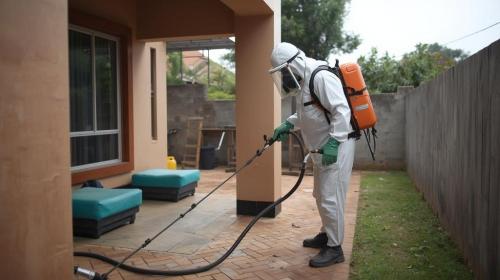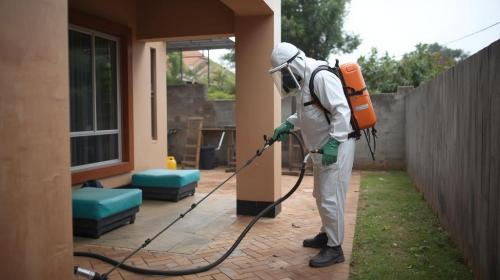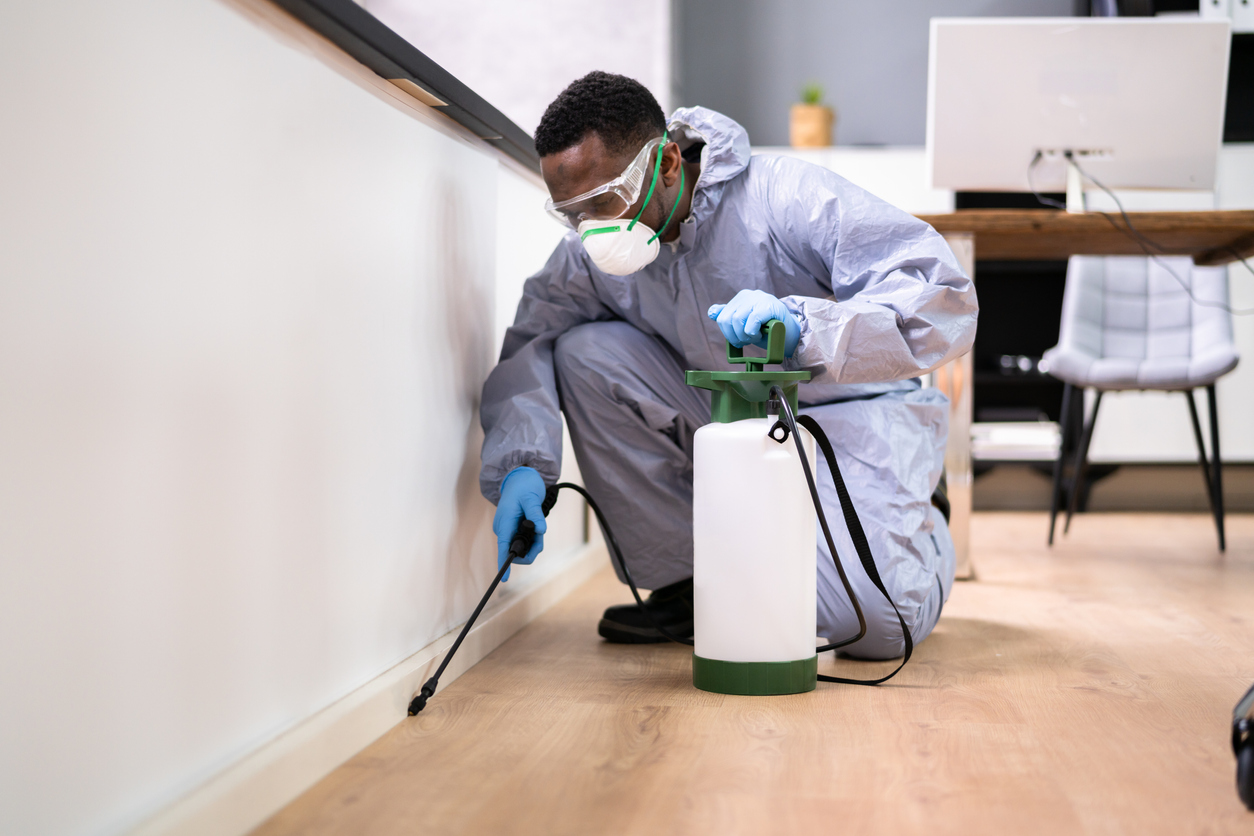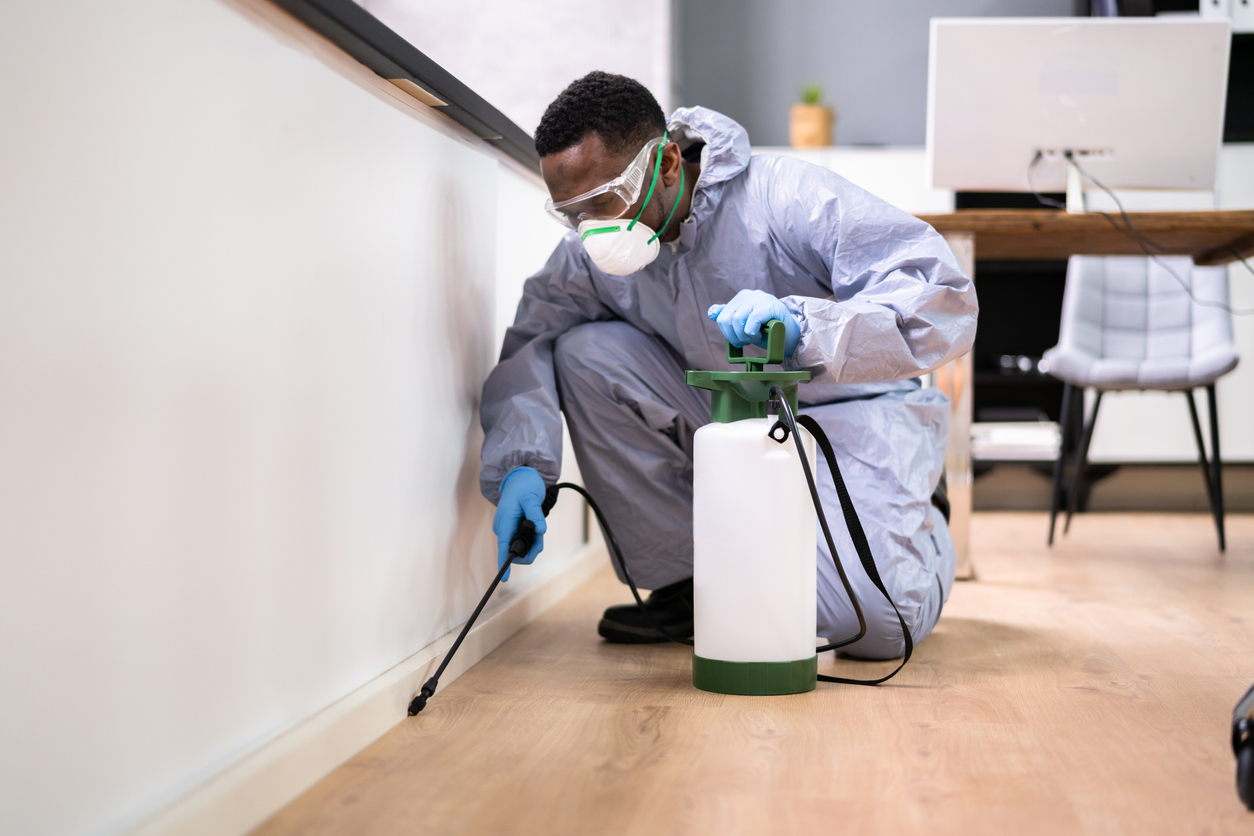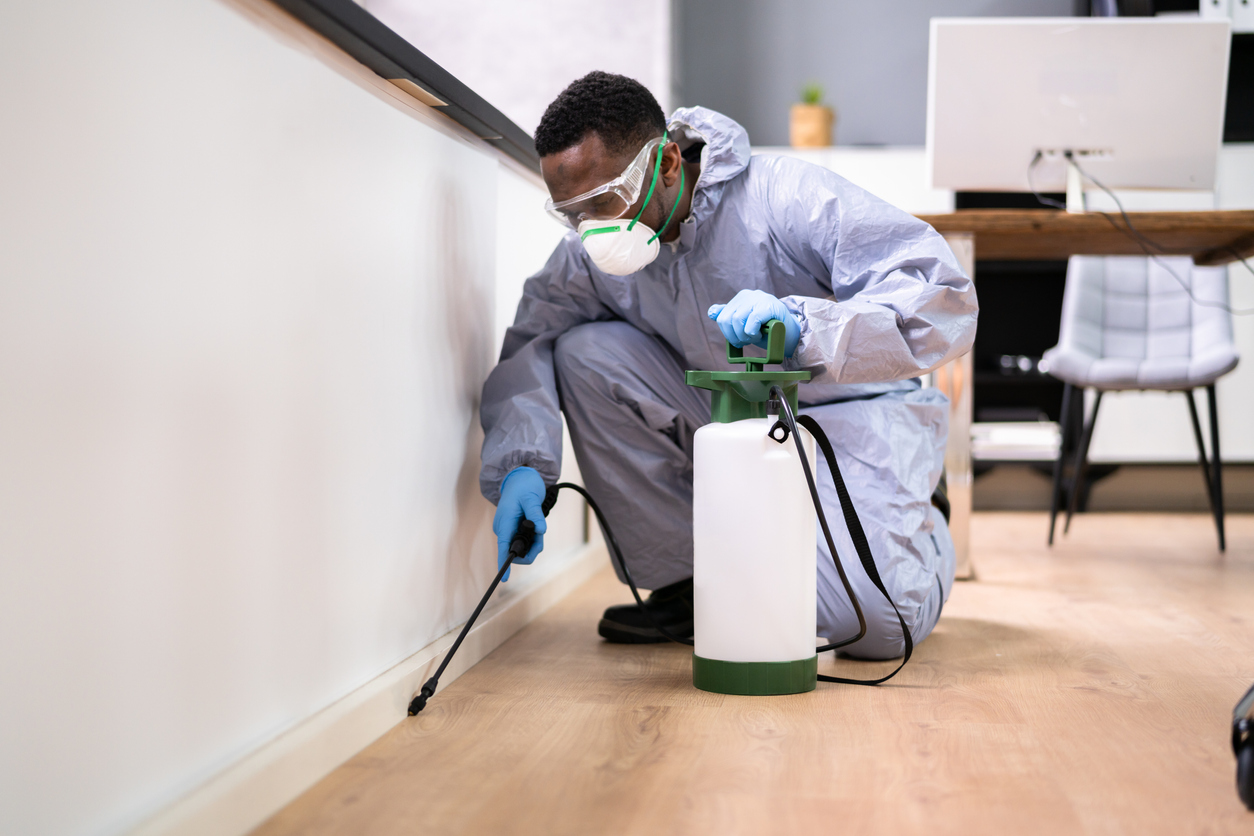


A clean house can still have pests, and that surprises many people. You can mop every morning, keep dishes washed, fold laundry neatly, and empty the bin before sleeping, then still see a cockroach disappear under the fridge at night. You can live in a tidy apartment in Syokimau and still wake up with bedbug bites. A hotel in Mombasa can clean rooms properly and still struggle with mosquitoes.
This is frustrating because many people assume pests only appear in dirty places. So when pests show up in a clean home, the first reaction is guilt or confusion. Some people blame the house help. Others blame the previous tenant. Some keep cleaning harder, thinking they missed something.
Cleanliness is important, but it is not the only factor pests care about. Pests enter homes for food, water, shelter, warmth, and access. Some are carried in through bags, furniture, clothes, boxes, or visitors. Others move from neighbouring units through drains, pipes, cracks, and ceilings. Some pests, like termites and bedbugs, are not attracted to dirt in the way many people imagine.
Understanding why clean houses get pest infestations in Kenya helps homeowners, tenants, landlords, and Airbnb hosts respond properly instead of wasting money on repeated cleaning or random sprays.
Cleanliness Helps, But It Does Not Make a House Pest-Proof
Cleaning removes food crumbs, grease, dust, stains, smells, and waste. That makes a house healthier and less attractive to many pests. A clean kitchen gives cockroaches fewer food sources. A clean bin area reduces flies. Regular vacuuming can help reduce dust, fleas, and some pest debris. Washing bedding can support bedbug control when done correctly.
But cleaning does not seal cracks. It does not close drainage gaps. It does not treat bedbug eggs hidden in a mattress seam. It does not stop cockroaches coming through shared pipes from the next apartment. It does not fix leaking taps or block rats from entering through roof spaces.
A house in Fedha, Kilimani, Ruiru, or Nyali can be spotless and still have pests if there are access points, moisture, nearby infestations, or items carrying pests into the home. Cleaning is one important layer of prevention, but pest control often needs inspection, sealing, treatment, monitoring, and sometimes cooperation with neighbours or landlords.
Pests Look for Food, Water, Shelter, and Access
Pests do not enter homes only because a place is dirty. They enter because something in or around the building supports their survival.
Cockroaches need food, water, and hiding places. Even in a clean kitchen, they may find moisture behind the sink, warmth near fridge motors, or shelter inside cabinet hinges and wall cracks. Rats need access and shelter. If there is a gap under a door or a hole near the roof, they may enter even if the house is swept daily. Mosquitoes need breeding sites nearby, not necessarily dirt inside your living room.
Bedbugs are even more misunderstood. They do not feed on crumbs or dirty dishes. They feed on blood and hide close to sleeping or resting areas. A clean bedsitter in Githurai can get bedbugs if an infested mattress, sofa, bag, or visitor introduces them. Once inside, they can hide in bed frames, sockets, skirting boards, curtain folds, and wall cracks.
This is why cleaning harder does not always solve the problem. You must identify what the pest is using to survive.
Shared Buildings Make Pest Control Harder
Many Kenyans live in flats, apartments, hostels, courts, and rental blocks where pests can move between units. In estates like Pipeline, Roysambu, Kasarani, Zimmerman, Umoja, Bamburi, and Kahawa West, homes may share walls, plumbing, drainage, ceilings, ducts, and waste points.
If your neighbour has a cockroach infestation, roaches can travel through drains, pipe spaces, wall gaps, and shared service lines. You may clean your kitchen well, but if the building has a wider infestation, pests can still arrive. When one tenant sprays, cockroaches may move away from treated areas and appear in nearby units.
Bedbugs can also spread through shared buildings, especially where tenants move often or furniture changes hands. Hostels and bedsitter blocks are particularly vulnerable because people carry bags, mattresses, bedding, and second-hand furniture from different places.
This does not mean cleaning is useless. It means that in shared buildings, individual cleaning may not be enough. Sometimes the solution needs block-wide treatment, landlord involvement, drain management, sealing, and regular monitoring.
Second-Hand Furniture Can Bring Pests Into Clean Homes
Second-hand furniture is common in Kenya, and for good reason. It is affordable, available, and often good quality. But it is also one of the easiest ways pests enter clean houses.
A sofa bought from Facebook Marketplace, a mattress from a friend moving out of Donholm, a wooden bed from Gikomba, or a suitcase from storage may carry bedbugs, cockroach egg cases, fleas, or other pests. The item may look clean from outside, but pests can hide deep inside seams, joints, cracks, fabric folds, and screw holes.
Bedbugs are especially good at this. You can bring in one infested couch, and within a few weeks, a clean home starts having bites. The problem did not come from poor hygiene. It came from an introduced item.
Before bringing second-hand furniture into your home, inspect it carefully. Check seams, corners, joints, underneath fabric, wooden cracks, and dark spots. Where possible, treat or clean items before moving them inside. For mattresses and sofas, be extra cautious. Bei ya sofa inaweza kuwa poa, but bedbugs will make it expensive later.
Visitors, Travel, and Schools Can Spread Bedbugs
People can unknowingly carry pests from one place to another. Bedbugs can move in bags, jackets, bedding, school boxes, suitcases, and clothing. A visitor may sit on your sofa in Thika with a few bedbugs hidden in their bag. A child returning from boarding school in Machakos may bring them in a box. A student in a hostel near KU or Eldoret may carry them after visiting another room.
Hotels, buses, matatus, shared accommodation, hostels, and temporary rentals can all play a role in pest movement. This does not mean people are dirty. It means pests are good travellers.
After travel, inspect luggage before placing it on beds or sofas. Wash clothes where necessary. Keep travel bags away from sleeping areas until checked. For children returning from school, inspect boxes, bedding, and clothes before storing them in bedrooms.
These small habits can protect even very clean homes.
Building Design and Maintenance Can Invite Pests
Sometimes the issue is the building, not the person living in it. Many pest problems come from gaps, cracks, poor drainage, damp areas, and weak maintenance.
A clean apartment in Buruburu may still have cockroaches if there are gaps behind fixed cabinets or pipe openings under the sink. A house in Kitengela may have rats in the ceiling because roof spaces are open. A flat in South B may have cockroaches moving through garbage chutes or drainage lines. A home in Kiserian may struggle with mosquitoes because windows have no nets and the compound is near bushes or stagnant water.
Water is a major factor. A small leak under the sink can support cockroaches. A dripping tap can attract ants and silverfish. Damp timber can attract carpenter ants or encourage termite-related issues. Blocked gutters and open tanks can support mosquitoes.
You can clean every day, but if pests have entry and shelter, they will keep trying. Fixing leaks, sealing cracks, installing door brushes, repairing drainage, and closing gaps can be more effective than repeated spraying alone.
Some Pests Are Not Attracted to Dirt
Not all pests are looking for food scraps. This is where many people get confused.
Termites feed on cellulose found in wood, paper, cardboard, and some building materials. A newly built, well-cleaned maisonette in Kamulu, Ruiru, or Kitengela can still get termites if the soil, timber, or structure allows them access. The house can be spotless and still be at risk.
Bedbugs feed on blood, not dirt. A clean mattress can still host bedbugs if they were introduced through luggage, furniture, or visitors.
Mosquitoes do not need a dirty house. They need breeding sites such as stagnant water, open containers, blocked gutters, ponds, or nearby swampy areas. A clean room in Kisumu, Diani, or Mtwapa can still have mosquitoes if the surrounding environment supports breeding.
Silverfish can appear in clean offices, libraries, or homes because they feed on paper, glue, books, and damp materials. Ants may enter clean homes looking for water or nesting areas.
So, pests in a clean house are not always a sign of poor hygiene. They may be a sign of access, moisture, shelter, or exposure.
Cleaning Still Plays an Important Role
Even though cleaning is not a complete pest solution, it remains very important. A clean home gives pests fewer chances to settle and multiply.
Cleaning removes crumbs, grease, food spills, waste, dust, and clutter. It makes inspection easier because pests have fewer hiding places. It improves the effectiveness of pest treatment because chemicals and baits can reach the right areas. It also reduces smells and residues that attract flies, ants, cockroaches, and rodents.
For cockroaches, keeping food sealed, washing dishes at night, wiping counters, and emptying bins can make a big difference. For bedbugs, washing bedding and reducing clutter supports professional treatment. For rodents, storing cereals and pet food in sealed containers reduces feeding opportunities.
Cleaning is not the whole answer, but it is part of a stronger pest prevention plan.
What to Do If Your Clean House Has Pests
The first step is to stop blaming yourself. A clean home in Karen, Fedha, Nakuru, Ngong, Mtwapa, or Kisumu can still get pests. What matters is finding the source.
Start by identifying the pest correctly. Cockroaches, bedbugs, termites, ants, mosquitoes, rats, fleas, and silverfish need different solutions. Do not rush to spray everything before knowing what you are dealing with.
Inspect likely hiding places. For cockroaches, check under sinks, behind fridges, around drains, inside cabinets, and near cookers. For bedbugs, check mattress seams, bed frames, sofas, curtains, sockets, and skirting boards. For rats, look for droppings, gnaw marks, roof gaps, and food storage areas. For mosquitoes, check water sources inside and outside the compound.
Next, reduce entry and shelter. Seal cracks, fix leaks, install door brushes, cover drains where appropriate, repair window screens, clear clutter, and store food in sealed containers. If you live in a flat, talk to the caretaker or landlord if pests seem to be coming from shared areas.
Then use targeted treatment. A few cockroaches may need gel bait and crack treatment rather than spraying the whole house blindly. Bedbugs may need professional treatment, washing, heat for fabrics, and follow-up. Rats may need proofing, traps, bait stations, and better storage. Termites need proper inspection before treatment.
If you are unsure, call a trained pest control provider. Platforms like The Real Plug help users find vetted professionals, service providers, and businesses in Kenya. A good provider should inspect first, explain the cause, and recommend a practical plan instead of just spraying and leaving.
When Neighbours or Landlords Need to Be Involved
In shared buildings, pest control is often a group issue. If cockroaches are moving through drains or bedbugs are spreading between units, treating one house may not solve the bigger problem.
Tenants should report pest problems early. Landlords and caretakers should take repeated complaints seriously. Block-wide fumigation, drain treatment, sealing gaps, waste management, and regular inspection may be needed in flats, hostels, and apartment courts.
This is especially important in rental-heavy areas where people move often. A new tenant can inherit pests from a previous occupant. A vacant unit may still have bedbugs hiding in cracks. Cockroaches can remain in kitchen fittings even after cleaning. Landlords who treat pests properly protect their property value and reduce tenant complaints.
If neighbours cooperate, results last longer. If everyone works separately, pests keep moving around.
How to Prevent Pests in a Clean Home
Prevention is easier than fighting a full infestation. Keep cleaning, but add pest-proofing habits.
Inspect second-hand furniture before bringing it inside. Keep luggage away from beds after travel until checked. Store food, cereals, sugar, flour, and pet food in sealed containers. Fix leaks quickly. Empty bins often. Do not leave dirty dishes overnight. Install window nets where mosquitoes are a problem. Seal wall cracks, pipe gaps, and spaces under doors.
Keep stores and spare rooms organised. Clutter creates hiding places for bedbugs, cockroaches, rats, and silverfish. In kitchens, pull out appliances occasionally and clean behind them. In apartments, report drainage, waste, and shared pest issues to the caretaker.
For businesses, schedule regular pest inspections. Restaurants, Airbnbs, hotels, shops, and schools should not wait for complaints before acting. Prevention is cheaper than emergency treatment and bad reviews.
Final Thoughts
Clean houses still get pest infestations because pests are not only attracted to dirt. They also look for water, warmth, shelter, entry points, and movement opportunities. Some come from neighbours. Some arrive through second-hand furniture, luggage, visitors, or school items. Others are encouraged by leaks, cracks, drains, gaps, damp timber, or nearby breeding sites.
A clean home is still a strong defence. It reduces food sources, makes inspection easier, and supports treatment. But cleaning alone cannot stop every pest. The better approach is to combine cleanliness with sealing, repairs, careful inspection of items, proper storage, neighbour cooperation, and targeted pest control when needed.
If pests appear in your clean house, do not panic and do not assume you are dirty. Look beyond the mop. Find how they entered, where they are hiding, what they are using to survive, and what treatment is appropriate. That is how homes in Nairobi, Mombasa, Nakuru, Kisumu, Ruiru, and beyond move from repeated frustration to real pest control.