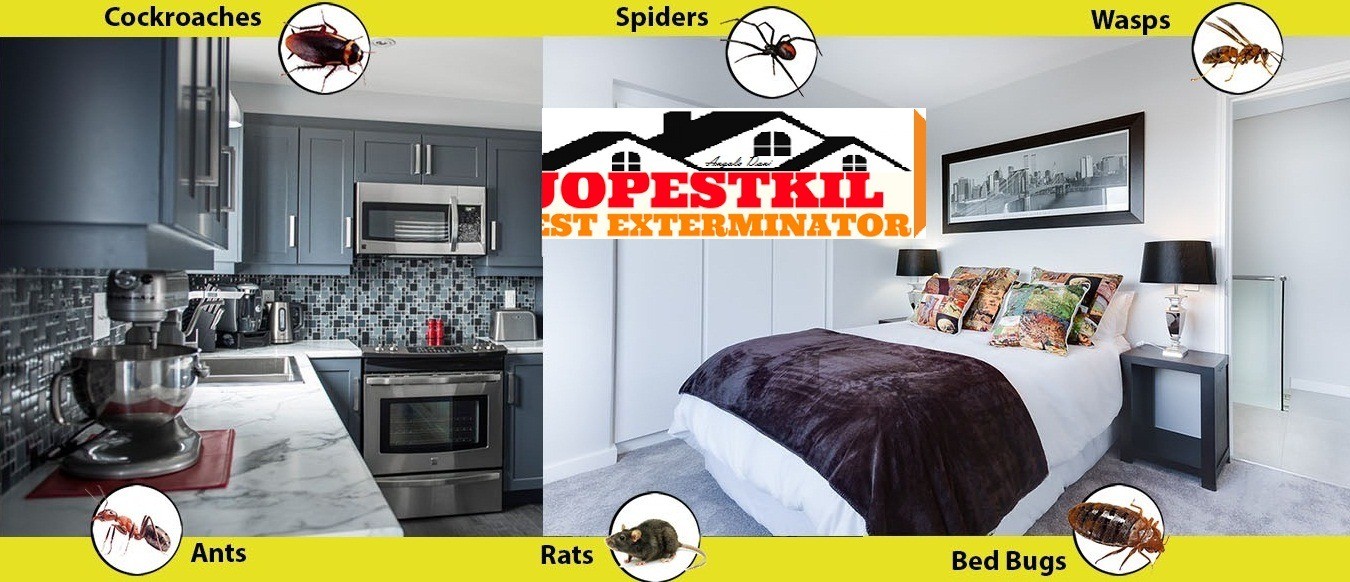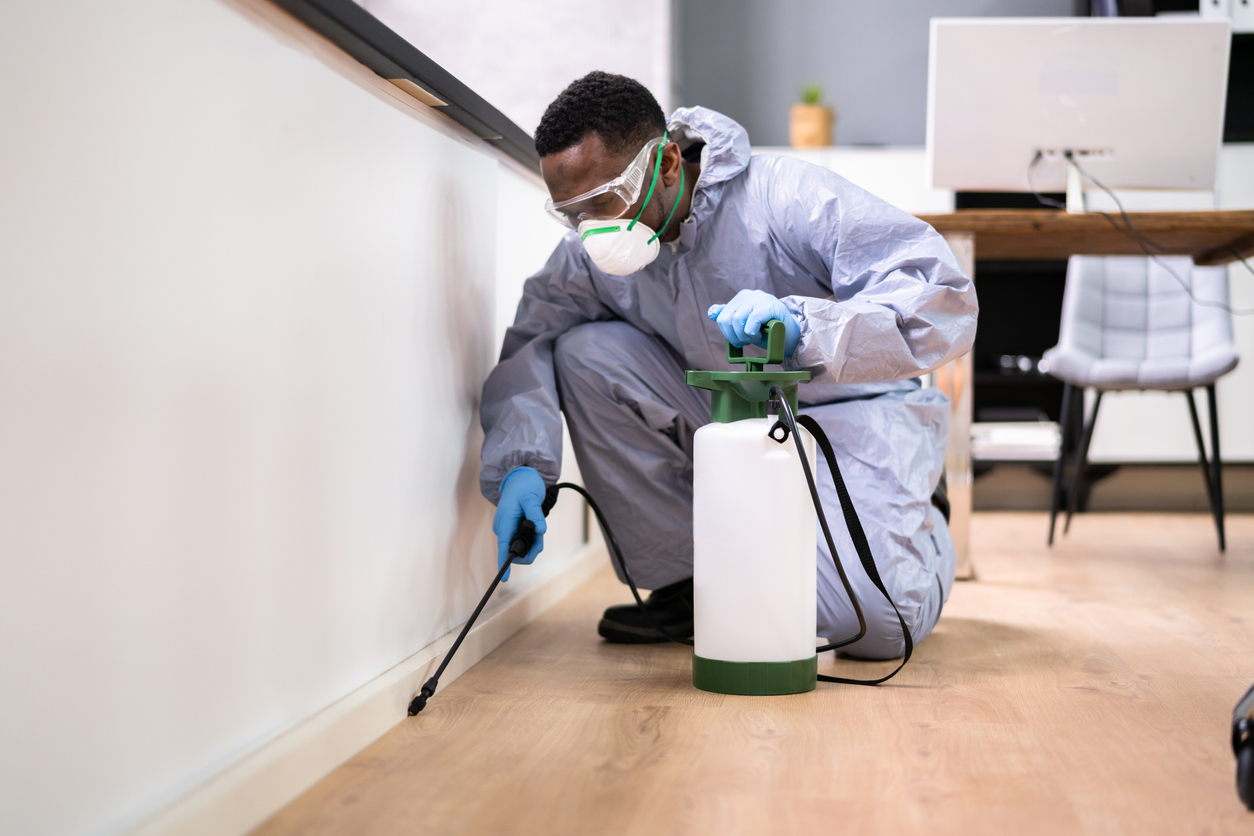


If you have ever seen tenants in an estate WhatsApp group urgently asking for a fumigator, or a restaurant owner panicking after spotting cockroaches before a health inspection, you already know there is demand for pest control in Kenya. Bedbugs disturb families in bedsitters. Cockroaches keep returning in apartment blocks. Termites damage coastal homes. Mosquitoes affect hotels and guest houses. Rats cause trouble in shops, restaurants, stores, and supermarkets.
So, is fumigation a profitable business in Kenya? Yes, it can be. But it depends on whether you treat it like a professional service or just another quick hustle. A person with a cheap sprayer doing random KSh 1,000 jobs may earn small money here and there. A licensed, organised pest control provider with repeat clients, business contracts, proper documentation, and safe methods can build a strong income.
The difference is not only equipment. It is training, trust, pricing, follow-up, licensing, and the type of clients you target. Fumigation can pay well, but it punishes shortcuts. One careless job can damage your name very fast, especially in Kenya where customers share bad experiences quickly kwa WhatsApp groups, Facebook, TikTok, and Google reviews.
Why Fumigation Has Strong Demand in Kenya
Pest problems are common across the country, but they show up differently depending on location and property type. In Nairobi, cockroaches and bedbugs are common in apartments, bedsitters, rentals, restaurants, and short-stay units. In Mombasa, Kilifi, Diani, and other coastal areas, mosquitoes, termites, roaches, ants, and rats are active because of heat and humidity. In Kisumu and other lake region towns, mosquitoes, rats, and cockroaches become worse around rainy periods. In growing towns like Kitengela, Ruaka, Syokimau, Ruiru, Thika, and Naivasha, construction and new rentals create opportunities for termite treatment, apartment fumigation, and Airbnb pest control.
The demand is also supported by businesses that cannot ignore pests. Restaurants, cafés, hotels, guest houses, bakeries, butcheries, supermarkets, mini-markets, schools, clinics, and warehouses need pest control for hygiene and compliance. A homeowner can postpone fumigation for a few weeks. A food business cannot risk cockroaches, rats, flies, or weevils near customers and stock.
Short-stay rentals have added another strong market. Airbnb hosts in Kilimani, Westlands, Nyali, Diani, Naivasha, Nanyuki, and Kisumu are afraid of bedbug complaints, roach sightings, and mosquito reviews. Many would rather pay for preventive fumigation than lose bookings and ratings.
This means demand is not seasonal only. It rises during rainy periods, travel seasons, and before inspections, but there is work throughout the year if you position the business properly.
Where the Real Money Is in Fumigation
Many beginners start with residential jobs because they are easier to get. A tenant calls for cockroach fumigation in a bedsitter, or a family asks for bedbug treatment in a one-bedroom. These jobs can bring quick cash, but the real profit comes from repeat clients and contracts.
Restaurants are good clients because they need regular pest control. A café, nyama choma joint, hotel kitchen, or bakery may require monthly service and documentation. Supermarkets and mini-markets also need regular inspection, rodent monitoring, cockroach control, and stored product pest management.
Airbnbs and guest houses are another profitable segment because they need preventive service every few months. Hosts value fast response, proper records, and discreet treatment. If you do a good job, they can refer you to other hosts.
Apartment blocks and estates can pay well because you treat many units at once. A block fumigation job may bring more money in one day than several small household jobs. However, it requires coordination, staff, equipment, and clear communication with tenants.
Termite treatment can also be profitable, especially in coastal homes, standalone houses, schools, and new developments. But it is more technical, so you should not offer it without proper training and experience.
Startup Costs for a Fumigation Business in Kenya
Starting a fumigation business properly requires capital. The exact amount depends on your location, licensing requirements, equipment quality, training cost, and whether you start alone or with staff. Costs also change over time, so anyone planning to start should verify current fees with the relevant authorities and suppliers.
At a basic level, you need business registration, training, licensing or compliance documents, a county business permit where applicable, equipment, chemicals, protective gear, branding, transport, and marketing. You may also need insurance if you want to target larger clients such as hotels, restaurants, schools, supermarkets, and corporate offices.
A serious starter setup may cost anywhere from tens of thousands to over KSh 100,000. Some people start with less, but cutting out training, safety gear, or compliance can limit growth and expose you to risk. Bigger clients will not trust you if you cannot show proper documents, receipts, product information, or a professional process.
The smartest way is to start lean but legal. Buy essential equipment first, do common jobs well, then reinvest profits into better machines, transport, staff training, and marketing.
Equipment and Products Affect Profit
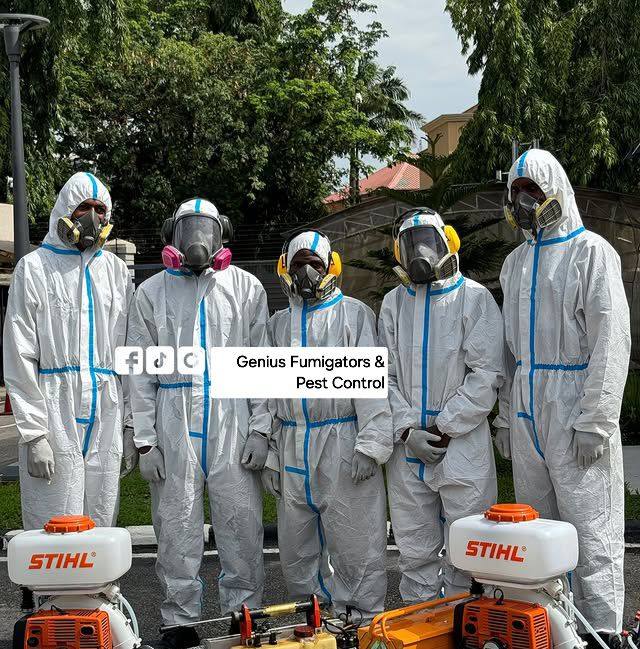
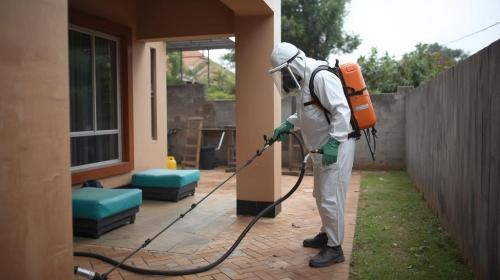
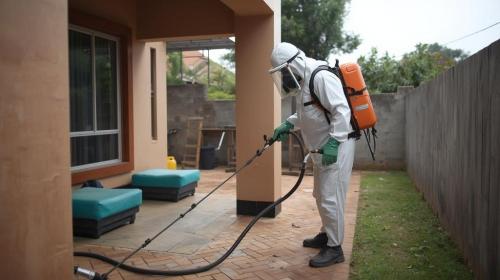
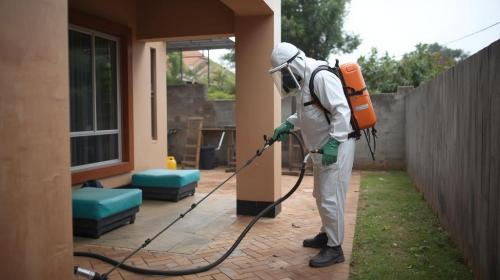
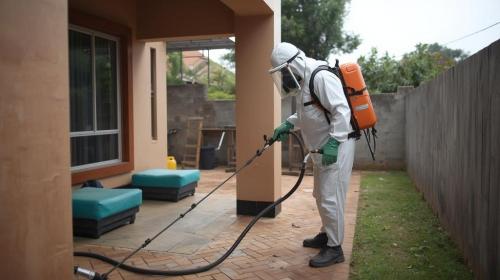
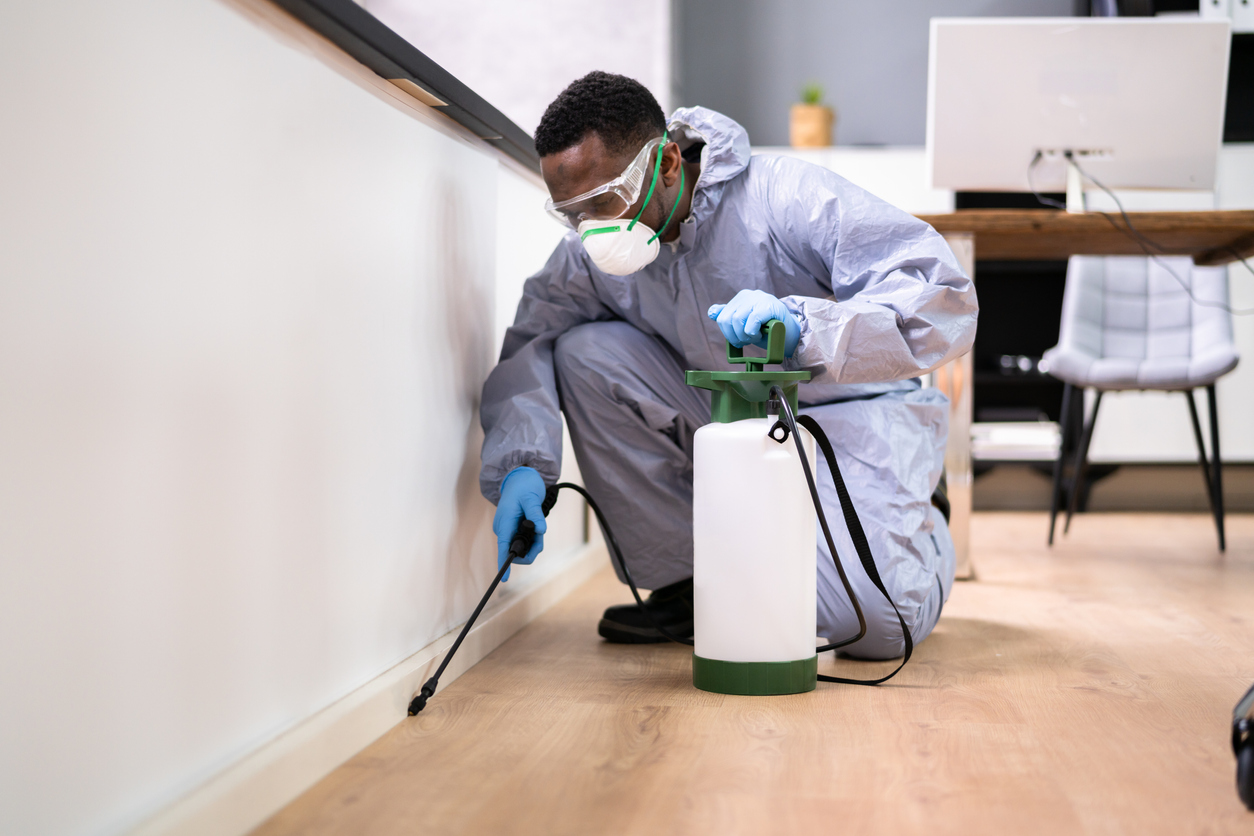
Your equipment affects how fast, safe, and professional your work looks. A basic operator may start with a quality knapsack sprayer, hand sprayer, bait gun, torch, measuring tools, buckets, and proper personal protective equipment. Protective gear should include overalls, gloves, boots, goggles, and a suitable mask or respirator depending on the products used.
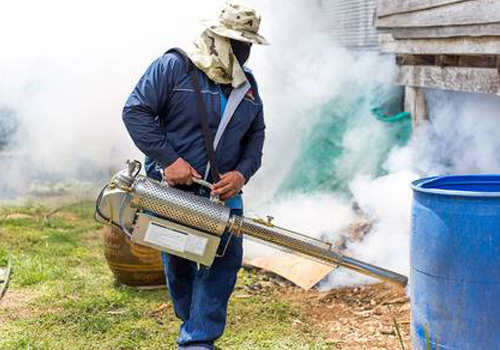
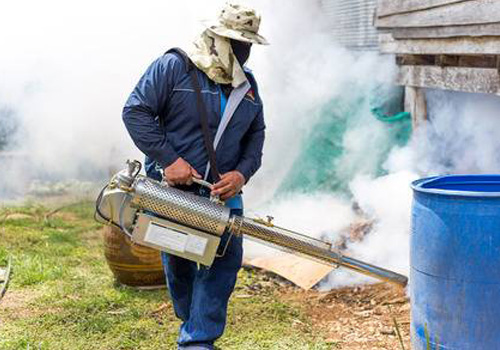
As the business grows, you may add fogging machines, steamers, rodent bait stations, ladders, inspection tools, and a branded vehicle or motorbike. These improve capacity and help you serve bigger jobs.
Chemicals and pest control products must be chosen carefully. Use approved products suitable for the pest and environment being treated. Cockroaches may need gel bait and residual treatment. Bedbugs may need targeted treatment and follow-up. Rodents require safe bait station placement and proofing advice. Mosquitoes may need fogging and breeding-site control. Termites may need specialised treatment.
Using the wrong product can destroy profit. If pests return, you will spend more on callbacks. If someone gets irritated or sick because of poor chemical use, the damage can be far worse. Cheap chemicals can become expensive very quickly.
How Much Can You Charge?
Fumigation pricing in Kenya depends on house size, pest type, location, severity, preparation required, product cost, transport, and follow-up. A bedsitter with mild cockroaches will cost less than a three-bedroom apartment with bedbugs in mattresses, sofas, and curtains. A restaurant pest control contract is priced differently from a one-off home treatment because it includes compliance expectations and records.
Residential jobs can provide steady cash flow if priced properly. Small units may bring lower amounts but can be done in volume. Larger houses, maisonettes, and standalone homes bring better fees, especially when termites, rodents, or compound treatment are involved.
Commercial jobs usually pay better because they need regular service and documentation. Restaurants, mini-markets, supermarkets, guest houses, offices, schools, and apartment blocks can provide repeat income. This is where a fumigation business becomes more stable.
The mistake many beginners make is undercharging. They price too low to win clients, then realise transport, chemical, labour, follow-up, and time have eaten the profit. If you charge KSh 1,000 for a job that takes two hours, uses proper product, requires transport, and needs a callback, uko kwa hasara.
Profit Margins Can Be Good, But Only With Discipline
Fumigation can have strong margins because chemical cost per job is often lower than the service fee. But that does not mean every job is profitable. Transport, labour, phone calls, marketing, equipment wear, protective gear, follow-up visits, licensing, and time must be included.
A well-priced house job may leave good profit after product and transport costs. A monthly restaurant contract can be even better because the work is predictable. Apartment block jobs can be highly profitable if organised well. But poor routing, underpricing, free callbacks, bad clients, and weak planning can reduce earnings quickly.
Profit depends on systems. You need clear pricing, written quotes, proper scheduling, client records, follow-up plans, and routes that reduce transport costs. You also need to know which jobs to accept and which ones to avoid. Not every client is worth the stress.
Repeat Contracts Are Better Than One-Off Jobs
The most profitable fumigation businesses do not depend only on random calls. They build repeat work. A restaurant contract, Airbnb maintenance plan, school termly fumigation, supermarket monthly service, or apartment quarterly treatment gives predictable income.
One-off residential jobs are useful, especially when starting, but they can be inconsistent. Repeat contracts allow you to plan chemical stock, staff schedules, transport, and monthly revenue. They also help you build a client base that can refer you to others.
For example, one restaurant paying monthly may be more valuable than several low-paying homes because the income repeats. Ten Airbnb hosts on quarterly service can keep your calendar active. One estate manager can introduce you to many blocks if your first job is good.
If you want to make fumigation a serious business, think beyond today’s job. Sell maintenance, prevention, inspection, and documentation.
Professionalism Helps You Charge More
Clients pay more when they trust you. Trust comes from how you present yourself and how you work. Arriving on time, wearing protective gear, using labelled equipment, giving written instructions, issuing receipts, explaining re-entry time, and following up after the job all make you look professional.
Documentation is especially important for commercial clients. Restaurants, supermarkets, guest houses, schools, offices, and property managers may need service reports or fumigation certificates. If you can provide proper records, you can charge more than someone who only sprays and leaves.
Branding also matters. A clean uniform, branded receipt, professional WhatsApp Business profile, Google listing, and clear service menu can separate you from informal sprayers. In Kenya, people may start with price, but they stay with trust.
Platforms such as The Real Plug can also help users find vetted professionals, service providers, and businesses in Kenya. For a fumigation business, being visible where serious clients search can support credibility and lead generation.
What Can Reduce Your Profit?
Underpricing is the biggest profit killer. Many new fumigators charge low prices because they fear losing clients. But if the price does not cover product, transport, time, safety gear, follow-up, and profit, the business will not grow.
Poor chemical choice also reduces profit. If the treatment fails, you will return for free or lose the client. If you use products carelessly, you risk complaints, damage, or health issues. That can destroy your reputation.
Lack of follow-up is another problem. Bedbugs, fleas, and German cockroaches may need a second visit. If you do not explain this clearly, clients may accuse you of poor work when pests return after eggs hatch. Follow-up should be part of your pricing and service plan.
Bad clients can also drain profit. Some people delay payment, refuse preparation, blame you for problems caused by neighbours, or demand endless free visits. Clear terms help. For businesses, use written agreements. For homes, confirm what is included before starting.
No marketing is another silent problem. If you only wait for referrals, growth may be slow. You need visibility through Google, social media, estate networks, caretakers, property managers, Airbnb groups, and business directories.
How Much Can You Realistically Make?
Income depends on effort, location, pricing, skill, and client type. A part-time operator doing a few weekend jobs may make small side income. A full-time solo operator with good marketing, proper pricing, and repeat clients can earn a decent monthly income. A small company with trained staff, contracts, and commercial clients can make much more.
The difference comes from structure. If you only chase cheap residential jobs, income will stay limited. If you build contracts with restaurants, guest houses, supermarkets, schools, Airbnbs, and property managers, income becomes more stable.
Do not focus only on revenue. Look at net profit. A business making KSh 300,000 in sales but spending badly may keep less than a careful operator making less revenue but managing costs well. Track every job. Know your product cost, transport cost, labour cost, and time.
A fumigation business can be profitable, but it needs proper financial discipline.
Best Client Segments for Profit
Restaurants and cafés are strong clients because they need regular pest control and documentation. They are also sensitive to customer complaints and inspections.
Airbnbs and guest houses are good because reviews matter. Hosts understand that one bedbug or cockroach complaint can cost them more than preventive fumigation.
Supermarkets and mini-markets need pest control because they handle packaged food, grains, storage, waste, and customer traffic. They also need records.
Apartment blocks provide volume. If you work well with caretakers, landlords, and management companies, one block can lead to another.
Standalone homes in places like Karen, Runda, Muthaiga, Nyali, Diani, and Kilifi can pay well for termites, mosquitoes, rodents, and compound treatment.
Schools, offices, clinics, and warehouses can also be profitable, but they often need documentation, compliance, insurance, and formal quotations.
Is Fumigation Better Than Other Hustles?
Compared to some common hustles, fumigation has strong potential because it is service-based, has repeat demand, and can scale. You do not need to stock large volumes of perishable goods. You do not need a prime shop location to start. Your main assets are skill, trust, equipment, and client relationships.
However, it is not easier than other hustles. You must learn, follow safety rules, manage chemicals, handle complaints, and market consistently. You are entering people’s homes and businesses, so trust is everything. You cannot hide behind excuses.
If you want quick money without training or accountability, fumigation may frustrate you. If you want a service business that can grow through contracts, referrals, and professionalism, it can be a strong option.
How to Make the Business More Profitable
Start with training and compliance so you can target better clients. Build a professional image from the beginning. Use proper protective gear, issue receipts, and give written instructions.
Target repeat markets early. Approach restaurants, Airbnb hosts, guest houses, schools, supermarkets, landlords, and property managers. Offer maintenance plans instead of waiting for emergencies. Create quarterly, monthly, or termly packages depending on the client type.
Specialise as you grow. You can become known for bedbug control in Airbnbs, restaurant pest management, termite treatment at the coast, or apartment block fumigation. Specialists often charge better because they solve specific problems.
Track your numbers. Know which jobs make money and which ones waste time. Route jobs by location to reduce transport. Charge properly for follow-up. Stop accepting clients who always bargain but never cooperate.
Ask for reviews. A good Google review, WhatsApp referral, or estate recommendation can bring better clients than random posters. In pest control, a satisfied client can become your salesperson.
Risks to Take Seriously
The biggest risks are legal, safety, and reputation risks. Operating without proper compliance can lock you out of serious clients and expose you to trouble. Using unsafe products can harm people, pets, or property. Poor results can spread quickly online.
Another risk is cash flow. Some commercial clients pay late. If you rely heavily on a few large clients, delayed payment can affect operations. Use clear payment terms and avoid overextending yourself.
Staff risk also matters as you grow. Train employees properly, supervise them, and protect client relationships. A careless technician can damage your brand in one afternoon.
Final Thoughts
So, is fumigation a profitable business in Kenya? Yes, it can be very profitable when run professionally. The demand is strong because pests affect homes, apartments, restaurants, hotels, supermarkets, Airbnbs, schools, offices, and warehouses across the country. The business has repeat potential, good margins, and room to scale.
But profit does not come from buying a sprayer and calling yourself a fumigator. It comes from training, compliance, correct products, proper pricing, repeat contracts, documentation, safety, follow-up, and trust. The operators who stay stuck are usually the ones competing only on cheap prices. The ones who grow are the ones who solve real problems and build long-term client relationships.
If you enter this industry, enter it properly. Learn the work. Price like a business. Target clients who value quality. Keep records. Show up professionally. Follow up after treatment. Build a name people can recommend without fear.
Pests are not leaving Kenyan homes and businesses any time soon. If you build a trustworthy fumigation business, your income does not have to leave either.