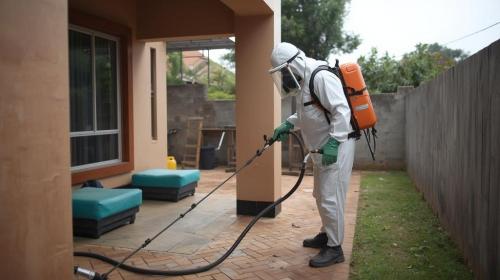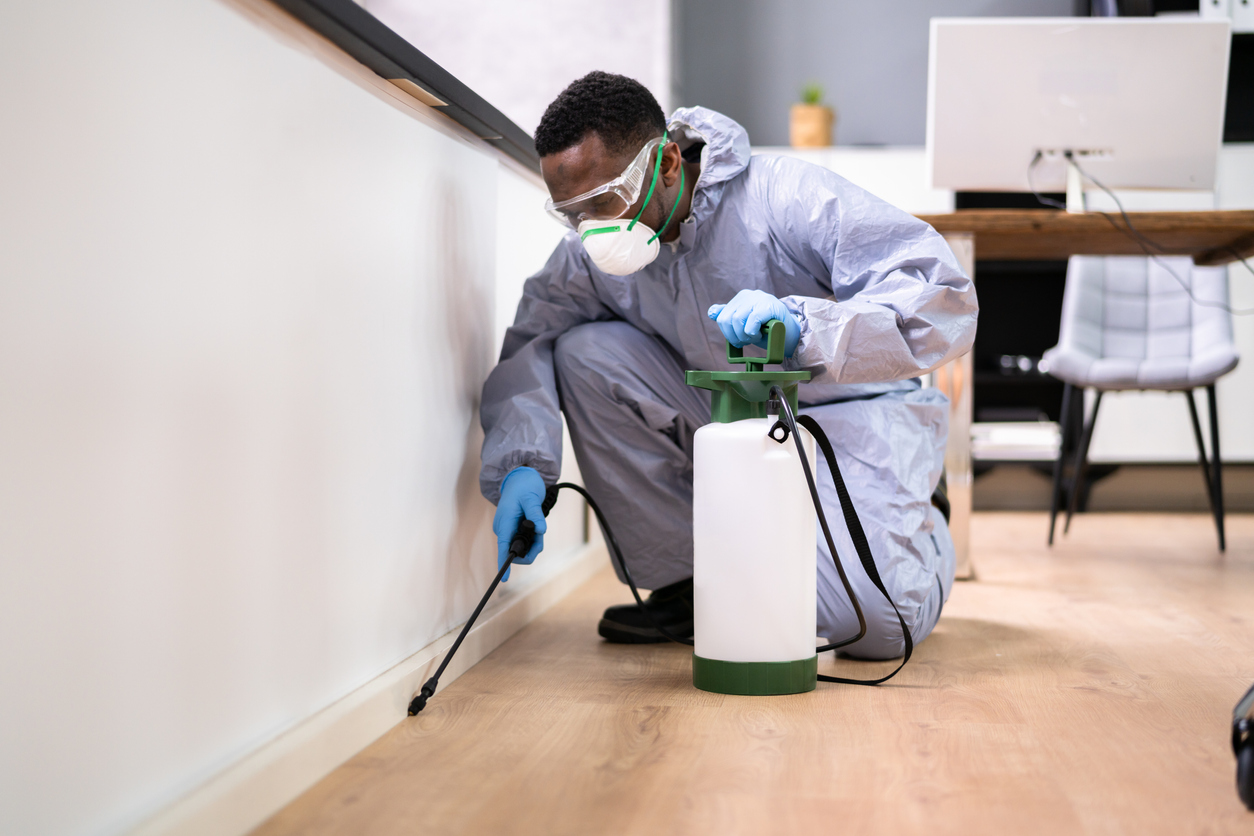


A customer picking sugar from a shelf in your mini-market should not have to see a cockroach running behind the packets. A shopper choosing rice should not find holes in the packaging. A health officer inspecting your store should not find rat droppings behind flour bags or around the back store. For supermarkets and mini-markets in Kenya, pests are not just embarrassing. They can lead to lost stock, customer complaints, fines, closure notices, and serious damage to your reputation.
Food retail businesses face pest pressure every day. You receive deliveries from different suppliers, store food in bulk, keep doors open for customers, handle waste, and operate for long hours. Whether your shop is in Umoja, Kayole, Westlands, Kisumu, Eldoret, Mombasa, Nakuru, Thika, or a busy estate shopping centre, pests are always looking for food, water, shelter, and quiet hiding spaces.
Fumigation for supermarkets and mini-markets Kenya business owners need is different from fumigation for a normal home. A home may fumigate after seeing cockroaches. A food retail business cannot wait that long. You need prevention, inspection, documentation, staff training, and regular professional pest control that protects customers, stock, and compliance.
Why Supermarkets and Mini-Markets Attract Pests
Supermarkets and mini-markets are attractive to pests because food is available in many forms. Rice, sugar, flour, cereals, biscuits, bread, cooking oil, sweets, pet food, fruits, vegetables, and packaged snacks all create opportunities for pests. Even sealed packaging can be damaged by rats or mice, and some pests can hide in cartons, crates, sacks, and shelving.
Stock also sits for different periods. Fast-moving items may leave the shelves quickly, but slow-moving goods can stay in the store for weeks or months. If stock rotation is poor, pests may find undisturbed places to breed. This is common in crowded mini-markets where goods are stacked tightly because space is limited.
Deliveries increase the risk. Crates from markets, cartons from suppliers, sacks from wholesalers, and goods from warehouses can carry cockroach egg cases, weevils, moth larvae, rodent droppings, or hidden insects. You may keep your shop clean, but if your supplier’s store or truck has pests, the problem can arrive with the stock.
Open doors and high traffic also matter. Customers enter and leave all day. Delivery staff come in and out. Back doors may remain open for ventilation or stock movement. In hot towns like Mombasa and Kisumu, open doors are common, but they also allow flies, roaches, and rodents to enter.
The Main Pests Found in Kenyan Food Retail Stores
Cockroaches are one of the biggest threats. Small German cockroaches hide inside shelves, behind fridges, around cash counters, near electrical points, and inside cardboard packaging. They breed fast and can become a major problem before customers notice them. Larger cockroaches often come from drains, sewers, and wet areas, especially in older buildings or during rainy seasons.
Rats and mice are even more serious because they damage stock directly. They chew through flour, sugar, rice, biscuits, noodles, cereals, and packaging. They contaminate goods with urine, droppings, and fur. They also chew wires, which can cause electrical faults or fire risks. One rat sighting in a supermarket aisle can make customers avoid the store completely.
Stored product pests are also common. These include weevils, moths, beetles, and larvae that affect grains, flour, cereals, nuts, pet food, and other dry goods. A customer who buys rice and finds insects at home may blame your shop even if the infestation started from a supplier. That complaint can spread quickly.
Ants may invade sugar, sweets, biscuits, fruit, and spilled drinks, especially during dry seasons or in coastal areas. Flies are common near fruits, vegetables, meat sections, waste areas, and drains. In warm and humid areas, flies and roaches can multiply quickly if waste is not handled well.
Why Fumigation Alone Is Not Enough
Many shop owners think pest control means calling someone to spray after seeing pests. That approach is risky for food retail. By the time a customer sees cockroaches or staff find rat droppings, the infestation may already be established.
Fumigation is important, but it must be part of a wider pest management system. If you fumigate but still leave food waste overnight, accept infested deliveries, store stock on the floor, keep cardboard everywhere, and ignore gaps under doors, pests will return. Hii ni kama kufukuza mende leo halafu unawaachia buffet kesho.
A proper system includes daily cleaning, stock inspection, delivery checks, waste control, building maintenance, staff reporting, professional treatment, and records. Fumigation kills or controls pests, but prevention removes the conditions that attract them.
Daily Pest Prevention Checklist for Staff
Every supermarket and mini-market should have a daily pest prevention routine. Staff should inspect the shop before opening. They should check under shelves, behind fridges, around the store, near bins, around drains, and behind stacked goods. Signs such as droppings, chewed packets, dead insects, live roaches, webbing in cereals, or damaged packaging should be reported immediately.
Spills should be cleaned as soon as they happen. Sugar, flour, oil, juice, milk, and crumbs attract pests quickly. Sweeping only the visible walkway is not enough. Staff should clean under shelves, around corners, and near display units.
Bins should be emptied before they overflow and should never remain full overnight. Waste bins need tight lids. Food waste, damaged fruits, broken eggs, expired bread, and leaking packets should be removed quickly. In areas where garbage collection delays are common, waste should be double-bagged and stored in sealed outside containers.
Water should be controlled. Leaking taps, fridge condensation, wet floors, and damp corners attract cockroaches and rodents. Staff should mop up water, report leaks, and keep drains clean.
Deliveries should be inspected before they enter the store. Look for droppings, holes, live insects, damaged packaging, webbing, and strange smells. If one batch is infested, isolate it immediately. Do not place questionable stock on the shelf and hope customers will not notice.
How to Store Stock to Reduce Pest Risk
Good storage is one of the strongest defences against pests. Stock should not sit directly on the floor. Use pallets, racks, or shelves so staff can clean underneath and inspect easily. Leave space between goods and walls. This makes it harder for rats and cockroaches to hide unnoticed.
Avoid keeping too much cardboard in the store. Cardboard boxes create warm hiding spaces for cockroaches, and rodents can chew them easily. Where possible, transfer goods into clean crates or organised shelves and remove unnecessary cartons daily.
Use first in, first out stock rotation. Older goods should be sold or checked before newer stock. This reduces the chance of expired or forgotten goods becoming pest breeding points. Dry goods such as rice, flour, sugar, cereals, and pet food should be inspected regularly for insects, holes, or moisture damage.
In coastal areas like Mombasa, Kilifi, Malindi, and Diani, humidity increases the risk of mould, weevils, and pests in dry goods. Stores should be ventilated, dry, and well organised. Damp sacks and cartons should never be ignored.
Rodent Control for Supermarkets and Mini-Markets
Rodent control must focus on prevention and monitoring, not just poison. Rats and mice enter through gaps under doors, holes around pipes, broken vents, open drains, ceilings, and poorly sealed stores. A rat needs only a small opening to enter, and mice can squeeze through very tiny gaps.
Seal entry points using strong materials such as cement, metal mesh, or steel wool where suitable. Install door sweeps on back doors and store entrances. Keep doors closed when not in use. Repair broken tiles, walls, ceilings, and vents. Keep vegetation and clutter away from the back of the shop.
Rodent bait should be handled professionally. Loose poison near food stock is dangerous and can create contamination risks. Tamper-proof bait stations should be placed in appropriate areas, usually outside or in controlled non-food zones. Traps may be used indoors where suitable. Bait stations should be checked and recorded regularly.
If you see droppings, chewed packets, or gnaw marks, do not wait. Remove affected stock, clean the area, call your pest control provider, and identify how rodents entered.
Cockroach Control in Food Retail Spaces
Cockroach control in supermarkets and mini-markets should be targeted. General spraying around food shelves can be risky and may not reach hidden nests. A professional provider may use gel bait, crack-and-crevice treatment, drain treatment, and residual treatment in non-food areas.
Gel bait is useful because cockroaches feed on it and carry the effect back to hiding areas. It can be placed in hidden spots such as shelf corners, under counters, behind fridges, around electrical panels, under sinks, and inside cracks where customers cannot touch it.
Drain treatment is important for stores in older buildings, wet areas, market surroundings, and coastal towns. Large cockroaches often come through drains, especially after rains. Drain covers should fit properly and be closed when possible.
Staff should not use random sprays around shelves. Consumer sprays may contaminate food surfaces, scatter cockroaches deeper into hiding places, and interfere with professional baiting. Ukiona mende, report it and follow the pest control plan.
Managing Weevils, Moths, and Stored Product Pests
Stored product pests can quietly damage stock and cause customer complaints. They often affect rice, maize flour, wheat flour, cereals, grains, nuts, pet food, spices, and dry goods. You may notice webbing, small insects, larvae, damaged packets, powdery residue, or unusual movement inside packaging.
The first step is stock inspection. Remove affected products immediately and check nearby items. Do not mix old stock with new stock if infestation is suspected. Clean shelves before restocking.
Control also depends on supplier quality. If one supplier repeatedly delivers infested goods, address it or change suppliers. Keep delivery records so you can trace where affected stock came from.
Professional pest control may include monitoring traps, inspection, and targeted treatment, but the biggest solution is stock management. Clean storage, rotation, dry conditions, and good packaging checks reduce risk.
Weekly and Monthly Tasks for Better Pest Control
Every week, staff should deep clean the store and back area. Move movable stock, clean behind shelves, check under pallets, inspect corners, and remove unnecessary clutter. Drains should be flushed and cleaned safely. Garbage areas should be washed and checked for droppings or pests.
Every month, inspect the building for gaps, cracks, broken vents, door spaces, pipe openings, and signs of rodent movement. Check the outside perimeter, especially near garbage points, alleys, loading areas, and drainage channels.
Review waste collection. If garbage is staying too long before pickup, the business may need a better arrangement. Poor waste handling attracts rats, flies, and cockroaches even when the shop itself is clean.
For stores in malls or shared buildings, management should inspect service corridors, loading bays, garbage rooms, and shared drains. Pests often enter from common areas, not through the main customer entrance.
Professional Fumigation Schedule for Supermarkets and Mini-Markets
Most busy supermarkets and mini-markets should have professional pest control at least once a month. High-risk stores near markets, restaurants, drains, or with a history of pests may need service every two to three weeks. Lower-risk stores with good sanitation and fewer deliveries may manage with treatment every six weeks, but going too long without inspection is risky for food retail.
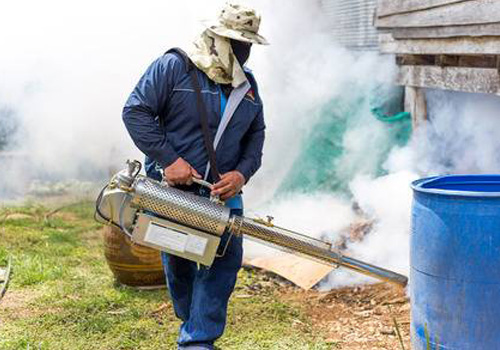
Professional service should include inspection, cockroach baiting, crack treatment, drain treatment, rodent monitoring, bait station checks, and reports. Fogging may be used in some cases after hours, but it should not replace targeted pest control. Fogging alone often misses pests hiding inside shelves, equipment, drains, cartons, and wall gaps.
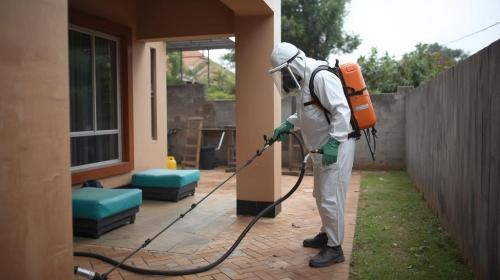
Treatment should usually be done after closing so food can be covered, customers are not exposed, and the shop can ventilate before reopening. Open food, exposed produce, utensils, and food-contact surfaces should be protected. Staff should know what to clean before trading resumes.
If you need a provider who understands retail food safety, documentation, and after-hours service, The Real Plug can help users find vetted fumigation professionals, pest control experts, and service providers in Kenya.
Documentation and Health Compliance
Documentation is not just paperwork. It protects your business. Keep a pest control file with fumigation certificates or service reports, provider contacts, dates of treatment, areas treated, product or method used, bait station records, and staff pest sighting logs.
Health officers may ask for proof that pest control is being handled professionally. If a customer complains about pests and you have no records, your business looks careless. If you have recent treatment records, staff logs, and evidence of action, you are in a stronger position.
For supermarkets, mini-markets, butcheries, bakeries, and food shops, compliance should be treated as part of daily operations. Waiting until inspection day is too late.
What to Do If You Find Pests in the Store
If pests are found, act quickly and calmly. Isolate the affected area. Remove damaged or contaminated stock. Do not sell items that show signs of infestation, droppings, chew marks, webbing, or insects.
Call your pest control provider immediately instead of waiting for the next scheduled visit. Document what was found, where it was found, and what action was taken. Clean the area thoroughly after removing stock.
Identify the source. Did the pests come from a delivery, a drain, a gap under the door, a dirty garbage area, or old stock? If you do not fix the source, the same problem will return.
If the issue is serious or affects food safety, cooperate with health officers where necessary. Trying to hide a major infestation can make penalties worse if discovered later.
Common Mistakes Retailers Should Avoid
One common mistake is relying on consumer sprays. These may kill visible pests but do not solve hidden infestations and can contaminate food areas. Another mistake is ignoring the back store while keeping the front shelves clean. Pests often breed in stores first, then move to customer areas.
Many retailers also accept deliveries without inspection. This is risky because pests often come from outside suppliers. Staff responsible for receiving goods should be trained to reject or isolate suspicious stock.
Keeping too much old cardboard is another problem. It creates shelter for cockroaches and clutter that hides droppings or damage. Poor waste collection is also a major issue. If bins overflow or food waste stays too long, pests will come no matter how well the shelves are arranged.
Finally, some business owners call fumigators only after seeing pests. For food retail, that is too late. Prevention must be routine.
Final Thoughts
Fumigation for supermarkets and mini-markets Kenya retailers need should be planned, documented, and consistent. Cockroaches, rats, mice, weevils, ants, and flies can damage stock, scare customers, trigger health inspections, and affect your income. The cost of prevention is much lower than the cost of closure, refunds, wasted stock, or a damaged reputation.
The best defence is a system. Inspect daily. Clean thoroughly. Store food off the floor. Check deliveries before accepting them. Control waste and water. Seal entry points. Train staff to report signs early. Work with a professional pest control provider on a regular schedule and keep records.
Customers may never notice a good pest control system, and that is the point. They should walk in, shop comfortably, trust your shelves, and leave with confidence. In food retail, pests do not belong anywhere near your aisles, store, or stockroom. Keep them out before they cost you more than you expected.