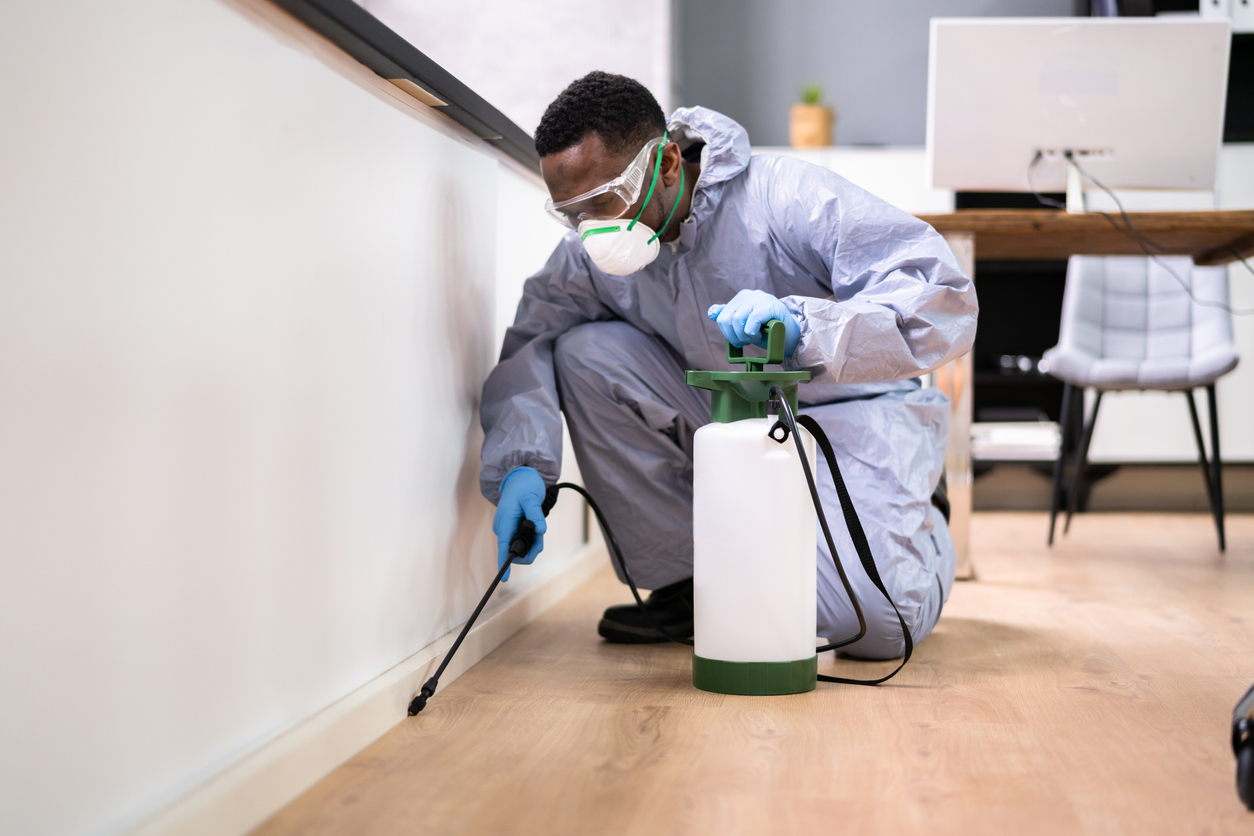


Buying fumigation chemicals in Kenya is not the same as picking any strong-looking dawa from an agrovet shelf. For a beginner, this is where the business can either start well or go vibaya very fast. You may have a good sprayer, a clean uniform, and clients waiting in Kayole, Nyali, Kisumu, Nakuru, or Ruaka, but if you buy the wrong products, you can lose money, harm people, damage property, or ruin your reputation before the business grows.
Pest control chemicals are powerful tools. Used correctly, they can help control cockroaches, bedbugs, ants, mosquitoes, rats, termites, fleas, and stored product pests. Used carelessly, they can irritate children, affect pets, contaminate food, stain surfaces, or leave pests alive. That is why beginners need to understand the basics before spending money.
The most important thing to remember is this: fumigation is not about buying the strongest chemical. It is about buying the right chemical, from the right supplier, for the right pest, and using it safely according to the label.
Start With the Law Before Buying Anything
In Kenya, pest control products are regulated because they affect public health, food safety, homes, businesses, animals, and the environment. Beginners should not treat chemical buying casually. Before you start offering fumigation services, confirm the current requirements with the Pest Control Products Board and any relevant county office.
Rules, licence requirements, and product approvals can change, so do not rely only on what another fundi told you kwa estate. Verify directly from the relevant authorities, especially if you plan to treat homes, restaurants, hotels, supermarkets, schools, Airbnbs, offices, or food stores.
You should only buy products approved for the intended use. Products meant for agriculture are not automatically suitable for indoor homes or food premises. A pesticide used on crops may be dangerous or inappropriate in a bedroom, kitchen, guest house, restaurant, or apartment. Using the wrong product indoors can create health risks and legal problems.
A serious beginner should also keep purchase receipts, product labels, safety information where available, and stock records. If a client asks what was used in their home or a health officer asks about a restaurant treatment, you should have clear answers. “Ni dawa kali” is not a professional response.
Public Health Chemicals Are Not the Same as Farm Pesticides
One of the biggest mistakes beginners make is confusing public health pest control products with farm pesticides. The fact that a product kills insects does not mean it should be used inside a house.
Farm pesticides are designed for crops, soil, livestock areas, or outdoor agricultural use depending on the product. Homes and businesses have different safety concerns. People sleep on treated surfaces, children crawl on floors, pets lick their paws, food is prepared in kitchens, and clients return after a few hours.
For residential and commercial fumigation, use products labelled and approved for the relevant pest and environment. If the label does not clearly support the use you want, do not guess. Ask a reputable supplier or trained professional.
This matters especially for beginners working in small houses, bedsitters, Airbnbs, restaurants, salons, butcheries, and mini-markets. A chemical mistake in a small poorly ventilated room can affect people quickly. Hii si mambo ya kubahatisha.
Understand the Main Types of Fumigation Chemicals
Before buying, learn the main product categories. Different pests require different approaches. A product that works for mosquitoes may not solve bedbugs. A cockroach gel may not control termites. Rat bait is not used like insect spray.
Residual Sprays
Residual sprays are commonly used for crawling insects such as cockroaches, ants, fleas, and sometimes bedbugs depending on the product and label. They are applied to surfaces where pests walk, hide, or pass through. Once dry, they can remain active for some time.
These products may be used along skirting boards, cracks, under sinks, behind appliances, around drains, and other pest routes. They should not be sprayed carelessly on food, utensils, pillows, bedsheets, children’s toys, or surfaces where people have direct skin contact unless the label specifically allows it.
Beginners often rely too much on spraying. Sprays can help, but they may not reach deep nests, eggs, electronics, wall voids, or hidden cockroach colonies. For stubborn infestations, residual spraying should be combined with inspection, baiting, hygiene advice, and follow-up.
Gel Baits
Gel baits are especially useful for cockroach control. Instead of spraying everywhere, small dots of bait are placed where cockroaches hide and feed, such as cabinet hinges, cracks, under sinks, behind fridges, around appliances, and inside hidden kitchen corners.
Gel bait is useful in restaurants, cafés, Airbnbs, offices, and homes where strong smells are not welcome. It also works well where spraying near food areas would be risky.
The mistake beginners make is applying too much gel or placing it in exposed areas. Small dots in the right places work better than large blobs. Also avoid spraying directly near gel bait because the spray can repel or kill cockroaches before they feed on the bait.
Insect Growth Regulators
Insect Growth Regulators, often called IGRs, do not always give dramatic instant kills. Their value is in disrupting pest development. They help stop young insects from maturing properly and can reduce future breeding.
For pests like German cockroaches and bedbugs, where eggs and young stages matter, IGRs can support a better treatment plan. Beginners sometimes skip them to save money, then pests return and the client says, “Huyu fundi alitudanganya.” If eggs hatch after treatment, it may look like the job failed.
An IGR is not magic on its own, but when used correctly as part of a plan, it can help break the breeding cycle.
Dusts and Powders
Dust products are useful in places where liquids may not be suitable, such as wall voids, cracks, dry hidden spaces, roof areas, and some electrical-adjacent areas where spraying liquid would be unsafe. They should be applied carefully, lightly, and only where appropriate.
Do not scatter dust all over open floors or food areas. Dusts are not meant to make the house look like unga imeanguka. They are targeted tools for hidden areas.
Rodenticides and Bait Stations
Rodenticides are used for rats and mice, but they must be handled carefully. Loose rat poison thrown on the floor is dangerous, especially in homes with children, pets, chickens, or food businesses. A professional approach uses bait stations, traps, proofing, and monitoring.
Rodent control should also include sealing entry points, managing garbage, removing clutter, and storing food properly. If you only place poison but leave holes open, more rats will enter. In restaurants, shops, supermarkets, and homes, rodent control must be safe and documented.
Fogging and Mosquito Products
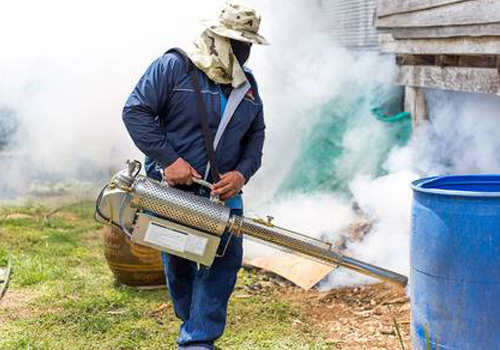
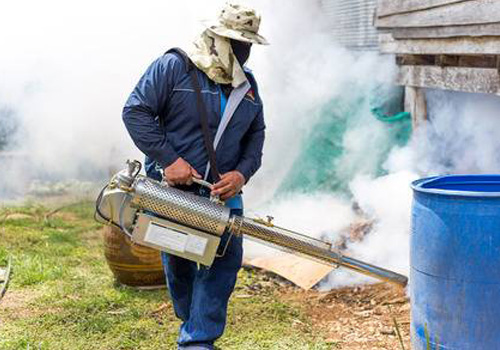
Fogging products are used for flying insects such as mosquitoes and flies, especially in compounds, hotels, guest houses, estates, and outdoor spaces. Fogging can reduce adult mosquitoes, but it does not remove breeding sites.
For mosquito control, beginners must learn the difference between killing adult mosquitoes and stopping breeding. Stagnant water, blocked gutters, open tanks, old tyres, and plant trays must be handled. Otherwise, you fog today and mosquitoes return next week.
Termite Products
Termite control is more technical than general fumigation. Termiticides may be used for soil treatment, wood treatment, foundations, or post-construction control depending on the case. Termites can be hidden in soil, timber, walls, roof spaces, or under floors.
Beginners should not rush into termite jobs without training. Termite work can pay well, especially in Karen, Runda, Kiambu, Kilifi, Mombasa, Diani, and new developments, but poor treatment can cost clients serious money. If you are not trained, partner with an experienced provider until you understand the work properly.
How Beginners Should Choose Their First Chemicals
A beginner does not need to buy every product in the supplier’s shop. Start with a simple, legal, reliable set of products that covers the most common jobs you are trained to handle.
For many beginners, the common starting services are cockroach control, ant control, general house fumigation, bedbug treatment, and basic rodent control. Choose products for these services first. Add mosquito fogging, termite treatment, stored product pests, or commercial kitchen programmes later as you gain experience and equipment.
Before buying any product, ask four questions. Is it approved for the intended use? What pest does it target? What is the correct dilution or application method? What safety instructions must be given to the client?
Also consider smell. Clients in apartments, Airbnbs, restaurants, salons, and homes with children usually prefer low-odour solutions where possible. A product that leaves a strong smell for days may create complaints even if it kills pests.
Do not buy large quantities before you have enough jobs. Chemicals have shelf lives. If you buy too much and use little, products may expire or lose effectiveness. Start with what your current clients need and restock as the business grows.
Where to Buy Fumigation Chemicals in Kenya
Buy from reputable, licensed suppliers and known distributors. A proper supplier should provide labelled products, receipts, expiry dates, usage guidance, and safety information where available. They should not sell you unmarked bottles or mystery mixtures.
In major towns like Nairobi, Mombasa, Kisumu, Nakuru, Eldoret, and Thika, there are established agrovet and pest control suppliers, but not every agrovet is suitable. Ask specifically for public health pest control products. Do not assume that because a shop sells agricultural chemicals, everything there is safe for indoor fumigation.
Be cautious with street vendors, backstreet products, repackaged chemicals, and products sold in unlabelled small bottles. If the price is far below the normal market range, ask why. Fake or diluted chemicals can make your treatment fail, and the client will blame you, not the seller.
A cheap chemical that fails is expensive. You may return for free, lose the client, and get a bad review in an estate group.
Read the Label Before You Pay
The label is not decoration. It tells you what the product is, the active ingredient, target pests, application method, dilution rate, safety precautions, storage instructions, re-entry guidance, and restrictions.
Beginners should make label reading a habit. Do not buy a chemical if the label is missing, damaged, unclear, or written in a way you cannot understand. If you cannot explain how to use the product safely, you are not ready to apply it in someone’s home or business.
Dilution matters. More chemical does not mean better results. Overmixing can increase smell, risk irritation, stain surfaces, waste money, and contribute to pest resistance. Undermixing may fail to kill pests. Measure properly using a measuring cylinder or appropriate tool. Usipime na macho.
The label should guide you, and where you are unsure, ask a qualified supplier or experienced professional.
Mixing Chemicals Safely
Mix only what you need for the job. Do not mix a large amount and store it for days unless the label allows it. Some mixed products may break down or become less effective.
Use clean water where required. Use correct measuring tools. Wear protective gear while mixing, not only while spraying. Many chemical accidents happen during mixing because the product is concentrated at that stage.
Do not mix different chemicals randomly. Some combinations can reduce effectiveness, create unsafe reactions, increase smell, or repel pests from bait. For example, spraying too close to cockroach gel bait may stop roaches from feeding on it.
If a treatment needs more than one product, understand the sequence. Inspection first, then targeted application, then baiting or follow-up depending on the pest. Pest control is a method, not a cocktail.
Storage and Transport Rules Beginners Must Respect
Chemical storage is part of professionalism. Store products in a locked, labelled, dry, well-ventilated place away from food, children, pets, sunlight, and heat. Do not keep chemicals under your bed, next to unga, or inside a kitchen cabinet. That is risky and unprofessional.
Keep original containers where possible. Do not transfer chemicals into soda bottles or water bottles. Someone can mistake them for drinks. If you must use secondary containers for work, they should be clearly labelled and handled safely.
Transport chemicals in sealed containers. Avoid carrying leaking or open products in public transport, boda bags, or places where passengers and food are present. If a spill happens, you are responsible.
Keep records of what you buy, what you use, and where. A simple stock register can save you confusion and help with business planning.
Personal Protective Equipment Is Not Optional
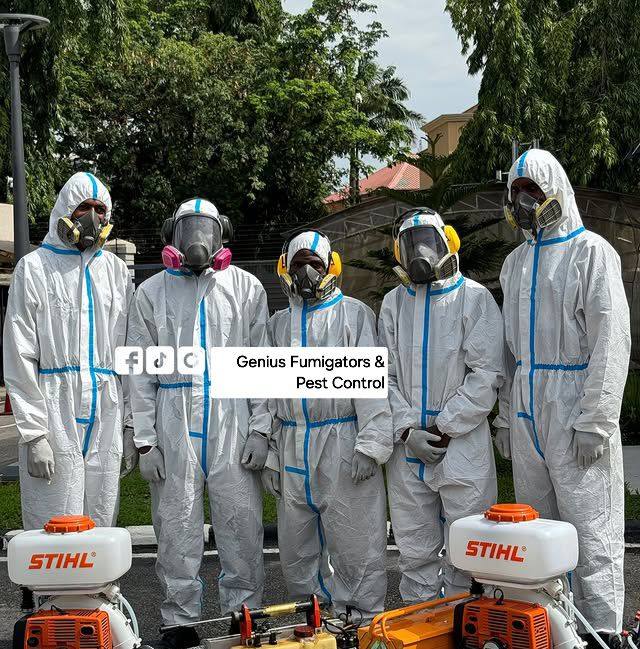
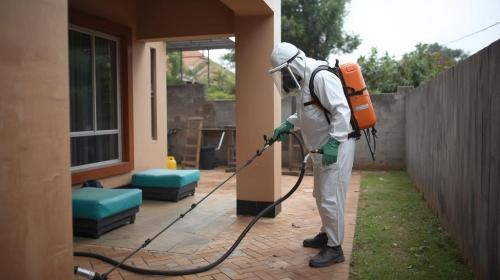
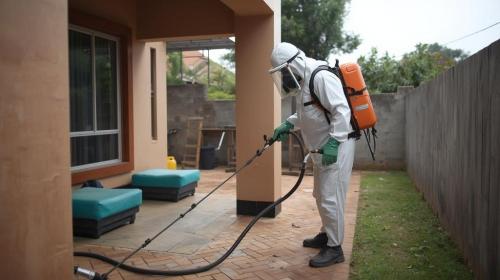
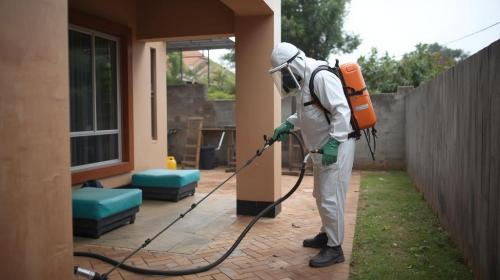
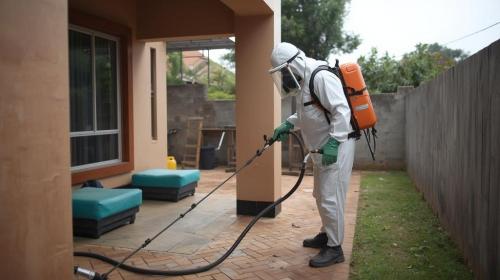
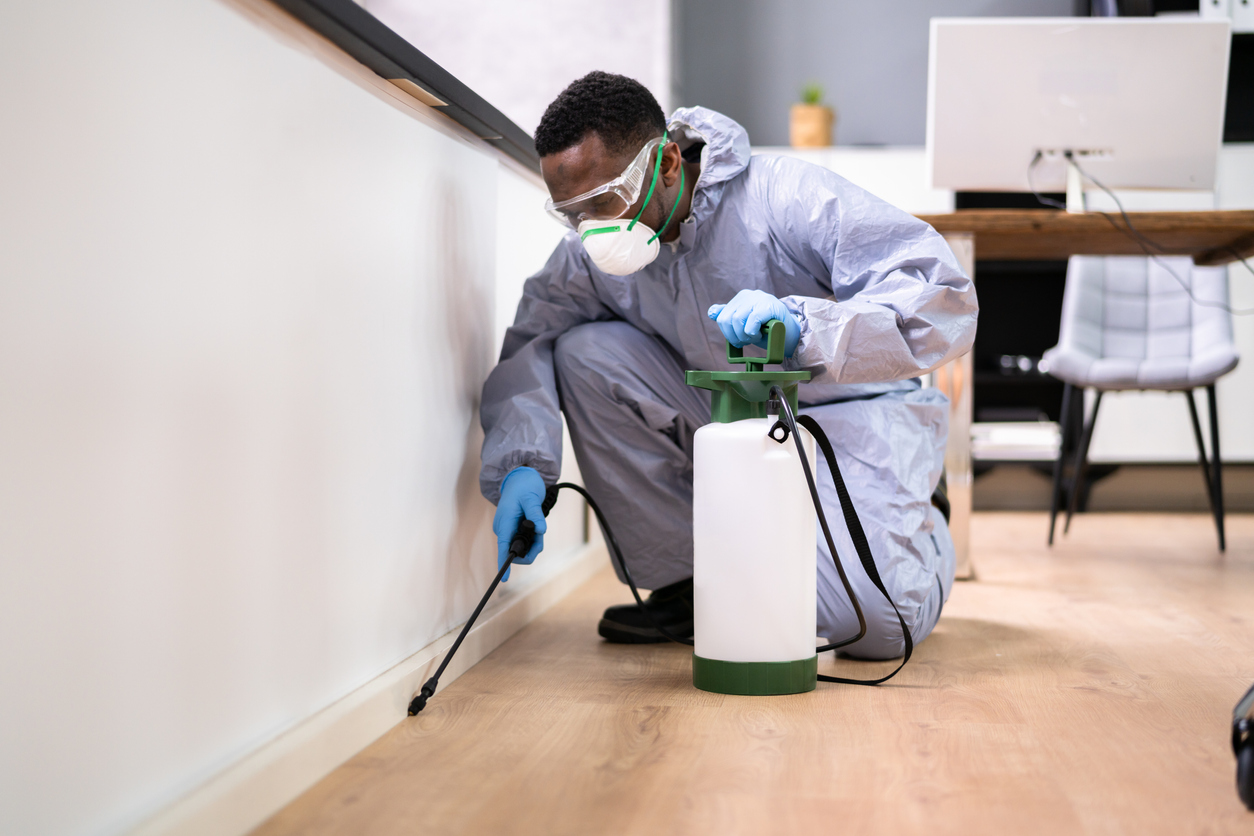
PPE protects you, your assistant, your client, and your business. At minimum, a fumigator should use suitable gloves, overalls, boots, eye protection, and a proper mask or respirator depending on the product and application method.
Do not spray in sandals, shorts, or a T-shirt. Apart from the health risk, clients will question your professionalism. If you do not protect yourself, why should they trust you to protect their home?
In hot areas like Mombasa, Kisumu, Garissa, and parts of Kajiado, PPE may feel uncomfortable. Wear it anyway. Chemical exposure builds up over time. Many beginners ignore safety because they want to finish quickly. That is how health problems begin.
Client Safety Instructions Matter
Buying the right chemical is only half the job. You must also tell clients how to prepare and what to do after treatment.
Before fumigation, clients may need to remove food, utensils, baby bottles, medicine, pet bowls, toys, bedding, and exposed items depending on the treatment. During fumigation, people and pets should stay away where required. After treatment, the home or business should be ventilated according to instructions.
Tell clients when they can return, what surfaces to wipe, when to mop, and what not to touch immediately. For residual treatments, mopping too soon may remove the product before it works. For food businesses, food-contact surfaces must be cleaned before use.
Give instructions in writing through WhatsApp or a job card. Verbal instructions are easy to forget.
Common Chemical Mistakes Beginners Make
One common mistake is using one product for every pest. Cockroaches, bedbugs, mosquitoes, ants, rats, and termites do not need the same treatment. This shortcut causes poor results.
Another mistake is buying fake or unlabelled products because they are cheaper. If the treatment fails, your reputation suffers. Clients will not say the chemical was fake. They will say you are fake.
Some beginners spray beds, sofas, clothes, and food areas carelessly. This is unsafe and may damage items. Follow labels and use the right method for fabrics and sleeping areas.
Others skip follow-up for bedbugs and German cockroaches. When eggs hatch, the client thinks the chemical failed. Plan follow-up from the beginning and explain why it matters.
Another mistake is failing to educate the client. If you treat cockroaches but the client leaves food uncovered, bins open, and leaks unrepaired, pests may return. Your job should include prevention advice.
How to Grow Your Chemical Knowledge
Chemical knowledge grows through training, reading labels, asking reputable suppliers, learning pest biology, and tracking results from your jobs. Do not rely only on social media videos or what another operator says in a WhatsApp group.
Start with a few products and master them. Know their target pests, dilution, smell, safety rules, re-entry time, and limitations. Once you understand general cockroach and bedbug work, you can learn mosquito control, termite treatment, stored product pests, and commercial pest management.
Keep notes after jobs. Which product worked well? Which pest returned? Was the client prepared? Did the building have drainage problems? Over time, this experience becomes more valuable than any single chemical.
If you need to compare providers, suppliers, or professional pest control businesses, The Real Plug can help users find vetted professionals, service providers, and businesses in Kenya. For beginners, seeing how professional providers present their services can also help you understand market standards.
Final Thoughts
Fumigation chemicals in Kenya beginners buy can either build the business or destroy it. The sprayer is only a tool. What matters is the product inside it, how well you understand it, and how safely you apply it.
Buy only suitable pest control products from reputable suppliers. Confirm current legal and licensing requirements before operating. Read labels, measure correctly, use PPE, store chemicals safely, keep records, and educate clients. Avoid farm chemicals for indoor work unless a product is specifically approved for that use. Avoid fake, unlabelled, repackaged, or suspiciously cheap products.
Start small, but start right. Master the basics before taking on complex termite jobs, large restaurants, hotels, or warehouses. Your reputation in estates from Pipeline to Nyali depends on results and safety.
In fumigation, strong chemicals do not make you a professional. Correct chemicals, correct use, and responsible service do.