

One cockroach in a restaurant kitchen can cause more damage than a slow business day. One rat seen near the dining area can make customers leave, take photos, and warn others before you even understand where it came from. In Kenya, where customers share experiences quickly on WhatsApp, TikTok, Google reviews, and estate groups, pests are not a small backroom issue. They are a direct threat to your reputation, licence, sales, and customer trust.
Whether you run a kibanda in Gikomba, a café in Kilimani, a nyama choma joint in Roysambu, a Swahili dishes restaurant in Mombasa Old Town, a hotel kitchen in Naivasha, or a small eatery in Kisumu, cockroaches and rodents are two pests you cannot afford to ignore. They love the same things every restaurant has: food, warmth, water, shelter, and movement.
The problem is not always that the restaurant is dirty. Even a well-cleaned kitchen can attract pests if drains are open, food deliveries are not inspected, garbage sits too long, or small gaps under doors allow rodents in at night. Preventing cockroaches and rodents in restaurants Kenya business owners manage takes a system, not one emergency spray when customers complain.
Why Restaurants Attract Cockroaches and Rodents
Restaurants are high-risk spaces because food is handled from morning to night. Flour, rice, sugar, cooking oil, meat, vegetables, sauces, leftovers, and crumbs create constant attraction. Even when staff clean the visible surfaces, grease can remain behind cookers, under fryers, inside drains, around fridge motors, and under prep tables.
Water is another major factor. Cockroaches need moisture, and restaurants provide it easily through dishwashing sinks, leaking taps, wet floors, mop buckets, floor drains, and grease traps. Rodents also need water, especially in hot areas like Mombasa, Kisumu, Garissa, and parts of Nairobi during dry months.
Warmth makes the problem worse. Ovens, fryers, fridges, freezers, and cooking areas create warm hiding places. At night, after staff have gone home, pests move freely. By morning, they may be hidden again behind appliances, inside stores, above ceilings, or inside wall gaps.
Access is also easy. Food deliveries can bring pests into the restaurant. Boxes, crates, sacks, egg trays, potatoes, onions, cereals, and packaging from markets such as Wakulima, Marikiti, Kongowea, Gikomba, or local suppliers may carry cockroach egg cases, droppings, or rodents. Open back doors, broken vents, gaps under shutters, cracked tiles, and poorly sealed drains become entry points.
This is why cleaning alone is not enough. Usipoziba njia, pests zitaingia tu.
Know the Cockroaches Found in Kenyan Restaurants
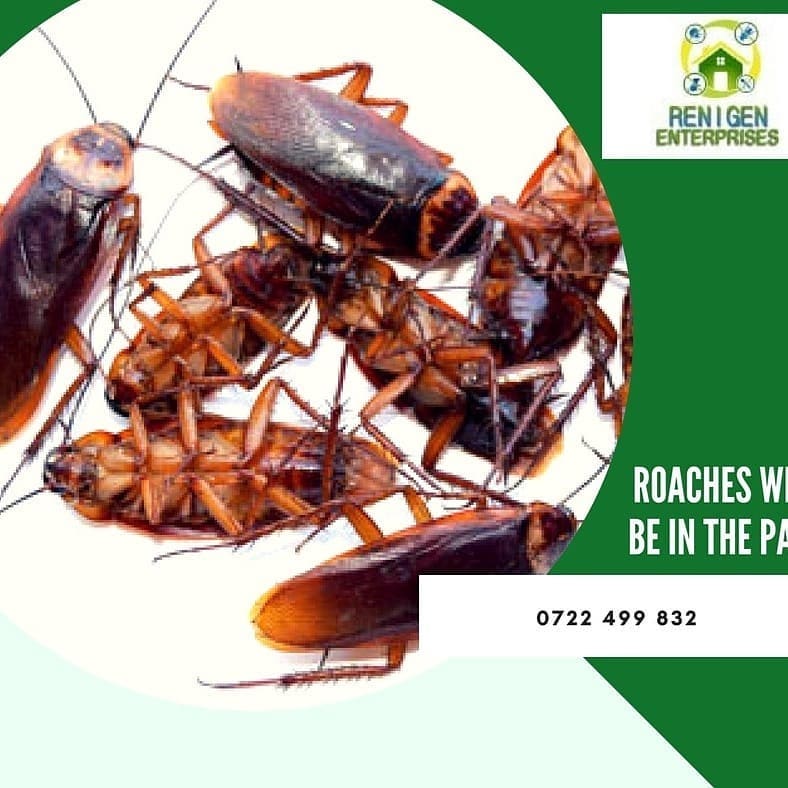
Most restaurants in Kenya deal with two main cockroach problems. The first is the small German cockroach. These are light brown, fast, and common in kitchens. They hide behind fridges, inside cabinet hinges, under sinks, around microwave motors, near electrical panels, and in cracks around tiles. They breed quickly and can become a serious infestation before many staff notice them.
The second is the larger American cockroach. These are darker, bigger, and often come from drains, sewers, manholes, toilets, and wet outdoor areas. They are common in older buildings, coastal towns, market areas, and places with drainage problems. During rainy seasons, they may move indoors when drains flood or sewer lines are disturbed.
Both types are a problem in food businesses because they can contaminate food preparation areas, utensils, packaging, and surfaces. They also leave droppings, egg cases, and smell. If a health officer sees live cockroaches or evidence of infestation, your restaurant can face warnings, closure, or orders to fumigate before reopening.
Understand Rodent Behaviour in Restaurants
Rats and mice are more than a nuisance. They can chew wiring, damage packaging, contaminate food, scare customers, and create serious hygiene concerns. In restaurants, they often hide in stores, ceilings, false walls, under pallets, behind fridges, near garbage areas, and around drainage routes.
Mice can enter through very small gaps. Rats need bigger spaces, but they are strong and persistent. Roof rats can climb walls, pipes, and cables, then enter ceilings. Sewer rats may come from drains, alleys, markets, or garbage points. Restaurants near markets, bus stages, old buildings, food courts, and open drainage are especially vulnerable.
Rodents are mostly active at night. If you see one during the day, the infestation may already be serious or food pressure may be high. Droppings, gnawed packets, grease marks along walls, scratching sounds, and a musky smell are all warning signs.
Daily Cleaning Habits That Stop Pests Early
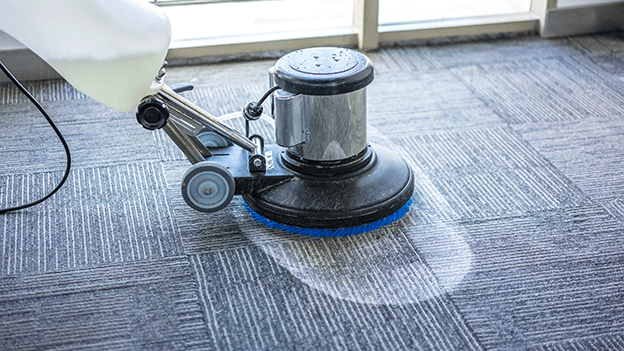
Daily cleaning should go beyond wiping tables and mopping visible floors. Staff should clean under and behind equipment, especially cookers, fryers, fridges, freezers, and prep tables. Grease and food particles collect in hidden areas, and that is where cockroaches breed.
Bins should be emptied several times a day, not only at closing. Food waste should not remain inside overnight. Use bins with tight lids and wash them regularly. In areas where garbage collection is unreliable, double-bag food waste and keep outside bins sealed.
Floors should be cleaned with proper detergent or disinfectant, not just water. Drain covers should be closed after cleaning. Food spills should be wiped immediately, especially sugar, soup, sauce, oil, and milk. Staff should not leave dirty dishes overnight because even a few plates can feed pests.
At closing time, counters should be cleared, floors cleaned, food covered, drains checked, and doors properly shut. A restaurant that closes carelessly gives pests eight quiet hours to enjoy themselves.
Control Water and Moisture
Many restaurants focus on food but forget water. A small leak under the sink can sustain cockroaches for months. Wet mop heads left in corners, dripping pipes, standing water under fridges, and damp stores create perfect pest conditions.
Fix leaking taps immediately. Dry floors after cleaning. Hang mops instead of leaving them wet in buckets. Check under sinks daily. Make sure floor drains flow properly and do not smell. Grease traps should be cleaned on schedule because old grease attracts roaches and rodents.
In coastal restaurants in Mombasa, Kilifi, Diani, and Malindi, humidity makes moisture control even more important. Grease becomes smelly faster, food spoils faster, and damp cabinets attract pests quickly. Ventilation, drying, and regular drain cleaning should be part of the routine.
Store Food Properly
Food storage is one of the easiest places to win or lose the pest battle. Sacks of rice, flour, sugar, beans, and cereals should not sit directly on the floor. Use pallets or shelves and leave space between stock and walls so staff can clean and inspect.
Use sealed plastic or metal containers where possible. Cardboard boxes should not stay in stores longer than necessary because cockroaches hide in them and rodents chew them easily. Apply first in, first out stock rotation so old supplies do not sit until they attract pests.
Check food packaging for chew marks, droppings, moisture, or insects. If a supplier delivers items with signs of pests, do not accept them. It is cheaper to reject one sack than to introduce roaches or rodents into your kitchen.
Inspect Deliveries Before They Enter the Kitchen
Deliveries are a common way pests enter restaurants. Boxes, crates, sacks, and trays can carry cockroaches, egg cases, or rodent signs. Staff should inspect supplies outside or near the receiving area before moving them into the store.
Shake out produce crates where practical. Check egg trays, onions, potatoes, dry goods, and packaging. Avoid bringing dirty cartons deep into the kitchen. Transfer supplies into clean containers and dispose of unnecessary packaging quickly.
This is especially important for restaurants buying from busy markets, wholesale stores, and suppliers who also serve many food businesses. Pests move with goods. Hiyo carton inaweza kuleta shida kubwa.
Seal Entry Points Before Pests Settle
Pest prevention is not complete without proofing the building. Check doors, windows, vents, pipes, drains, walls, ceilings, and store areas. A small gap under the back door can allow mice in. A broken drain cover can allow cockroaches and rats to move up from below.
Install door sweeps on back doors and store doors. Cover ventilation openings with strong mesh. Seal gaps around pipes using proper materials. Repair cracked tiles and broken walls. Cover drains and make sure manholes near the kitchen are sealed.
In older buildings in Nairobi CBD, Ngara, Mombasa Old Town, Kisumu town, and Nakuru, this step is especially important because old structures often have hidden gaps. Fumigation may reduce pests temporarily, but if entry points remain open, they will come back.
Use Professional Pest Control on a Schedule
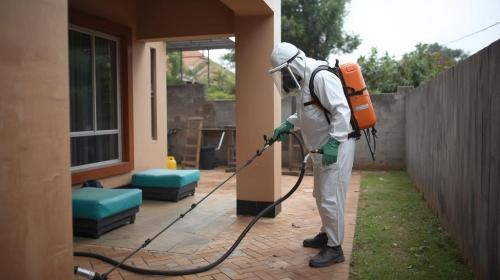
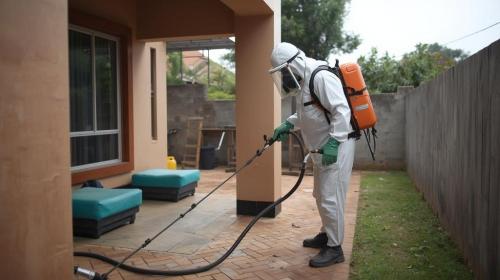
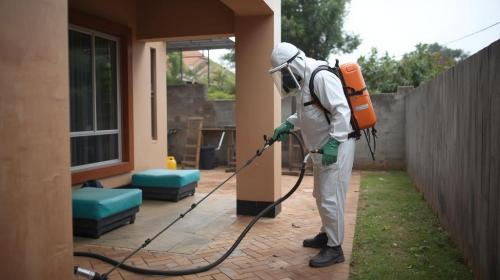
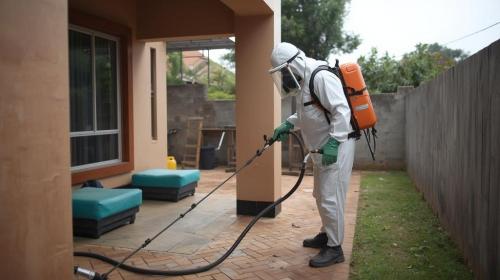
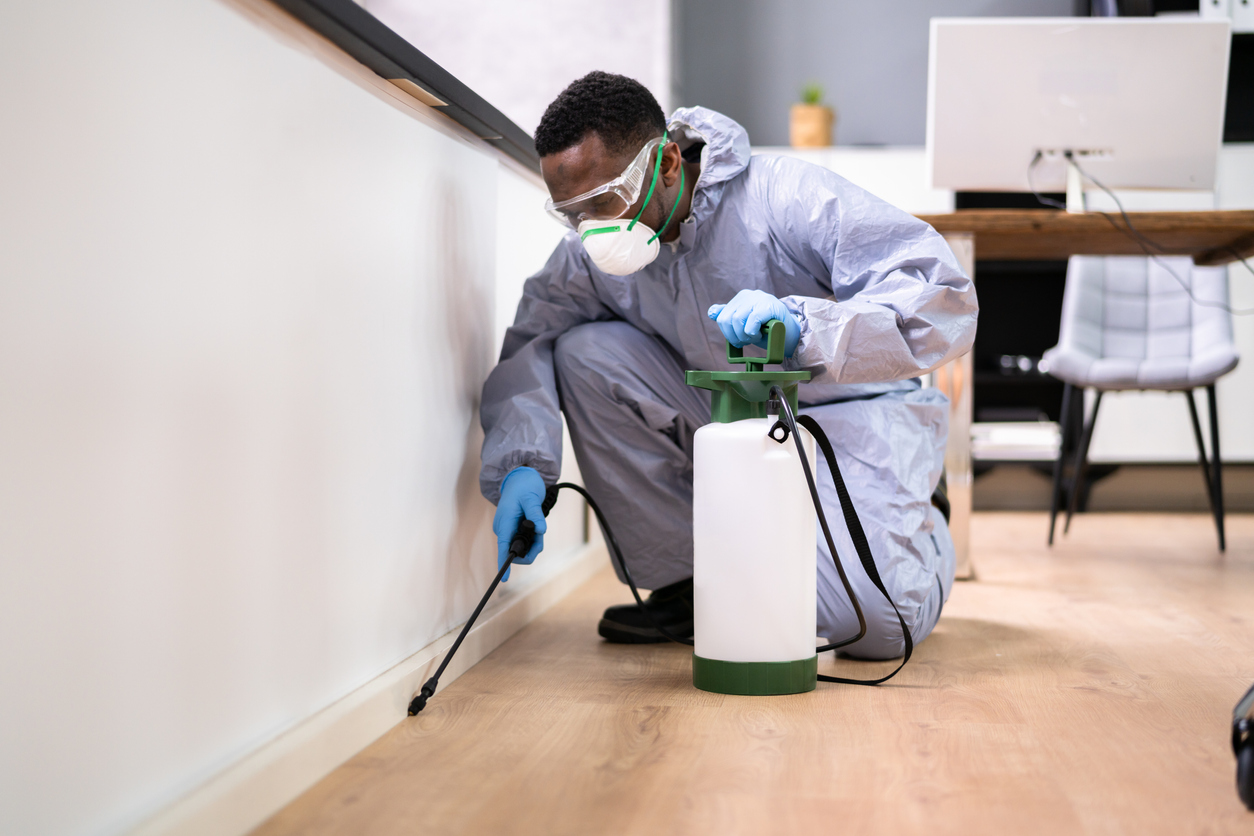
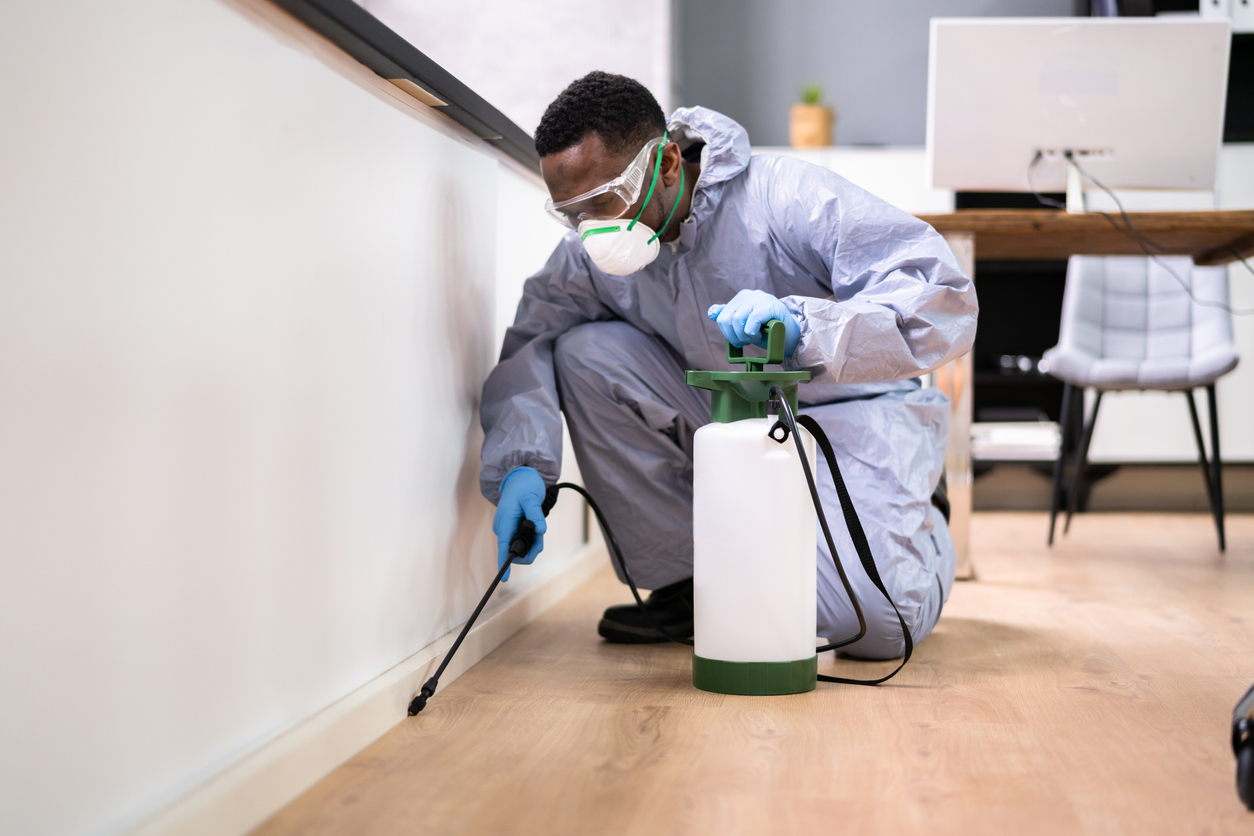
Restaurants should not wait until they see pests before calling a fumigator. A professional pest control programme should be part of normal operations. For many restaurants, monthly treatment is a practical standard. High-risk businesses such as butcheries, nyama choma joints, busy hotel kitchens, restaurants near markets, and coastal eateries may need more frequent service. Low-risk cafés with limited cooking may manage with less frequent treatment, but they should still have regular inspections.
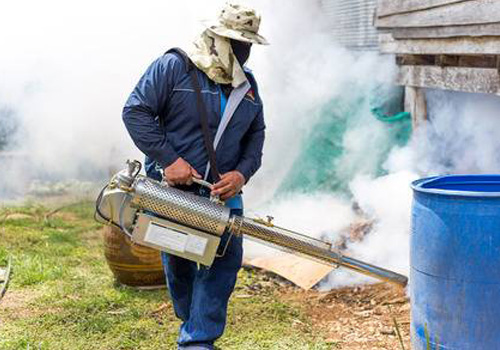
A proper restaurant pest control service should include inspection, cockroach gel baiting, crack treatment, drain attention, rodent monitoring, bait stations where appropriate, and follow-up notes. Fogging alone is not enough for cockroaches hiding inside equipment or rodents entering from outside.
Documentation matters. Keep treatment reports, receipts, product details, bait station maps, and certificates where issued. Health officers may ask for proof that the restaurant has an active pest control programme. If you need help finding providers, The Real Plug can help users find vetted fumigation professionals, pest control experts, and service providers in Kenya who understand commercial kitchens and restaurant standards.
Train Staff to Spot Pest Signs
Your staff are the first line of defence. They work in the kitchen daily and will often notice pests before the owner does. Train them to report signs without fear. A worker should not hide a cockroach sighting because they worry they will be blamed.
Teach staff what to look for. Cockroach droppings look like black specks or ground pepper. Egg cases may look like small brown capsules. Rat droppings are pellet-shaped. Grease marks along walls may show rodent routes. Chewed packets, scratching sounds, and strange smells should be reported.
Keep a simple pest logbook. Record sightings, dates, locations, and action taken. If cockroaches are always seen near one drain or rodents keep appearing near the store, the pattern helps the pest control provider solve the source.
Staff should also avoid using random consumer sprays in food areas. These can contaminate surfaces, scatter cockroaches deeper into hiding, and interfere with professional baiting. Pest treatment should be controlled and documented.
Manage the Outside Area
A clean kitchen will not stay pest-free if the outside area is dirty. Garbage points, alleys, drainage channels, backyards, loading zones, and shared compounds attract pests before they enter the restaurant.
Keep outside bins covered. Wash bin areas regularly. Do not allow food waste to spill near doors. Trim vegetation and remove clutter. Make sure drains are not blocked. If your restaurant shares a building with other businesses, talk to the landlord or neighbours about joint waste and pest control.
This is important in markets, food courts, shopping strips, and mixed-use buildings where one careless business can affect everyone. If the butchery next door dumps waste badly, your café may still get flies, rats, and cockroaches.
What Health Officers Commonly Check
County health officers usually look for visible pests, droppings, egg cases, poor waste handling, dirty drains, food stored on the floor, uncovered food, open bins, holes in walls, and lack of pest control records. They may also check whether the restaurant has recent fumigation documentation from a recognised provider.
They want to see that food is protected, waste is controlled, surfaces are clean, drains are covered, and pests are actively managed. If they find evidence of cockroaches or rodents in food areas, you may receive a warning, closure notice, or instruction to fumigate before reopening.
For restaurants in tourist areas such as Diani, Watamu, Naivasha, Westlands, Kilimani, and Mombasa, a pest-related complaint can also harm reputation beyond official action. Customers talk. Reviews stay online.
Common Mistakes Restaurants Make
One major mistake is treating only when pests are visible. If you see cockroaches during the day, the infestation may already be heavy. If you wait until a rat runs through the dining area, customers may already have noticed signs earlier.
Another mistake is hiring unverified sprayers who use vague “strong dawa” with no documentation. Restaurants need safe, appropriate, and traceable pest control. Using the wrong chemicals in a kitchen can put customers, staff, and the business at risk.
Some restaurants also ignore the store. They clean the dining area and cooking area but leave old cartons, sacks, unused equipment, and clutter in the store. Pests love stores because they are quiet and full of hiding places.
Bad waste contracts are another issue. If garbage remains for days, pests will come. Paying for reliable waste collection may feel expensive, but it is cheaper than closure, emergency fumigation, or lost customers.
Final Thoughts
To prevent cockroaches and rodents in restaurants Kenya food businesses run, you need more than occasional spraying. You need daily cleaning, water control, proper food storage, delivery inspection, sealed entry points, regular professional pest control, trained staff, and good waste management.
Pests do not wait for inspection day. They move at night, hide behind equipment, and enter through small gaps. The restaurants that stay safe are the ones that treat pest control as part of food safety, not as an afterthought.
Whether you run a small kibanda, a café, a hotel kitchen, a fast-food outlet, or a coastal seafood restaurant, the principle is the same: deny pests food, water, shelter, and access. Keep records, work with professionals, and act before customers or health officers see the problem.
A clean kitchen brings customers back. A pest-free kitchen keeps the business alive.