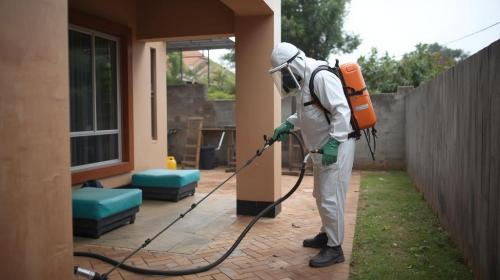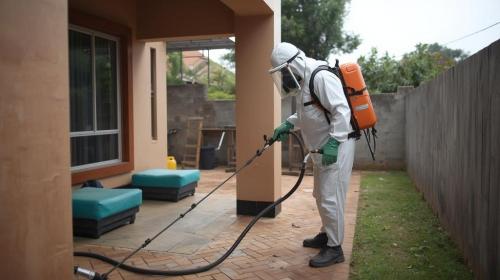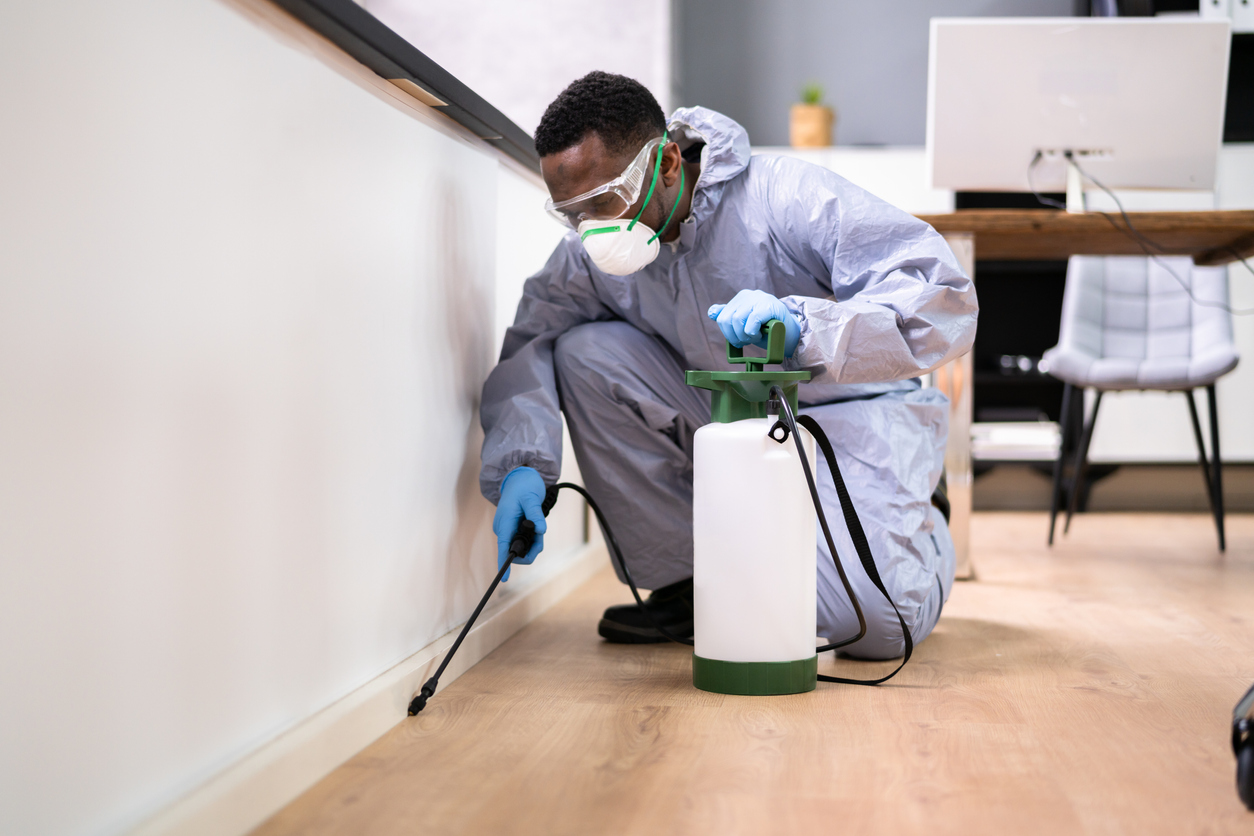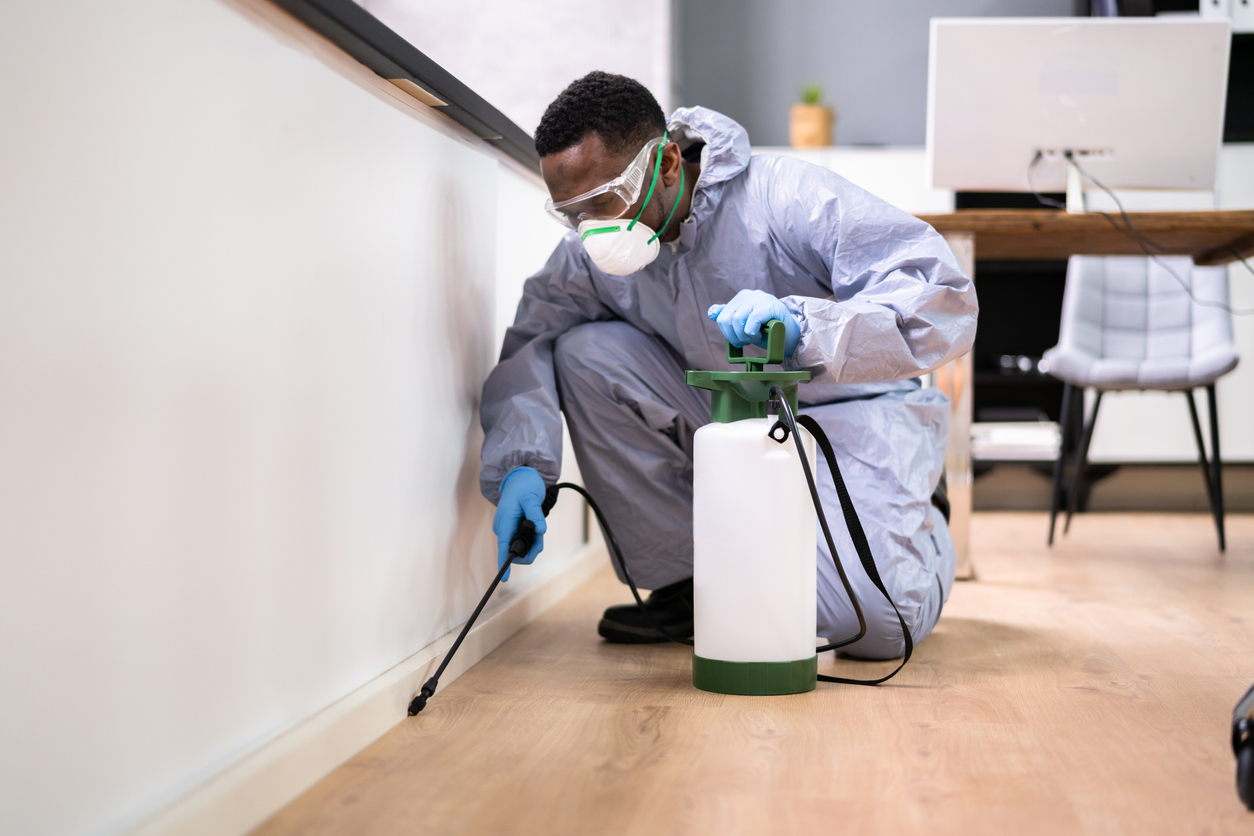


Pricing fumigation services as a beginner in Kenya can feel tricky, especially when everyone seems to charge differently. One person in Kayole may quote KSh 1,500 for a bedsitter. Another in Kilimani may charge KSh 8,000 for a one-bedroom. A restaurant owner in Mombasa may expect a certificate and monthly service, while a tenant in Pipeline simply wants mende gone before night.
The problem is that many beginners price by guessing. They hear what another fundi charges, copy it, and hope it works. Others lower prices too much because they fear losing clients. Some quote very high prices before they have reviews, proper branding, licensing, or proof of good work. Both mistakes can hurt the business.
To price fumigation services Kenya beginners offer, you need a simple system. Your price should cover chemicals, transport, labour, time, equipment wear, follow-up, business costs, and profit. It should also match the pest, property size, location, urgency, and level of professionalism required. Cheap pricing may bring calls, but if every job leaves you tired and broke, hiyo si biashara. That is just movement.
Why Beginners Struggle With Fumigation Pricing
Many new fumigators enter the market thinking low prices will help them win clients quickly. At first, it may work. You get calls from bedsitters, single rooms, small shops, and tenants looking for the cheapest deal. But after a few weeks, you realise the money is not enough.
A KSh 1,000 job may sound like income, but remove transport, chemical cost, airtime, time, protective gear, and possible follow-up. What remains may be too little to grow the business. If you underprice bedbug jobs, you may need to return for a second visit at your own cost. If you underprice restaurant work, you may spend hours treating drains, stores, and kitchen corners but earn less than the effort deserves.
On the other side, charging too high without proof can also fail. A beginner with no reviews, no receipt, no clear process, and no visible professionalism may struggle to convince a client to pay premium rates. Clients in places like Karen, Nyali, Kileleshwa, and Westlands may pay more, but they also expect better communication, documentation, safety guidance, and results.
Good pricing balances value and reality. You should not be the cheapest. You should be fairly priced and clearly worth it.
Know Your Real Cost Before Quoting
Before setting prices, calculate what each job costs you. Many beginners only think about the chemical. That is a mistake. A job has several costs.
Chemical cost depends on the product used, pest type, and size of the house. Cockroach treatment may use spray and gel bait. Bedbug treatment may use more product and require follow-up. Rodent work may need bait stations or traps. Mosquito fogging may require different products and equipment. Termite work may need specialised products and more labour.
Transport is another cost. Moving from Eastlands to Westlands, from Mombasa town to Diani, or from Kisumu CBD to the outskirts costs time and money. If you group jobs in one area, transport per job goes down. If you travel far for one small job, your profit can disappear.
Your time also has value. Inspection, preparation guidance, travel, treatment, ventilation advice, payment follow-up, and customer support all take time. If one job takes three hours from leaving home to returning, you cannot price it like a quick thirty-minute task.
Then there are fixed business costs. These may include registration, permits, training, licences where required, protective gear, equipment maintenance, phone costs, marketing, receipt books, internet, and record keeping. Even if you do not pay them per job, they must be recovered through your pricing.
A good rule is simple: never quote before knowing your minimum profitable price.
Set a Minimum Charge
Every beginner should have a minimum charge. This is the lowest amount you can accept without losing money. It protects you from jobs that keep you busy but broke.
For many beginners in urban Kenya, a small residential job should not be priced too low unless it is very close, simple, and part of several jobs in the same area. A bedsitter in the same estate may be profitable at a lower rate if you are treating five units in one block. But travelling from Nairobi CBD to Ruaka for one small KSh 1,000 job will likely not make sense.
Your minimum charge should cover transport, product, time, basic overhead, and profit. If the client cannot afford that, it is better to politely decline or ask if neighbours want to join and split the cost. Kwa fumigation, volume can make small jobs profitable.
Price by Property Size
House size is one of the easiest starting points for pricing. A bedsitter uses less time and product than a three-bedroom apartment. A maisonette takes longer than a one-bedroom. A restaurant kitchen needs more care than a normal home kitchen.
For beginners, it helps to create price ranges rather than one fixed price for everything. A bedsitter or studio should have a lower starting price. A one-bedroom should cost more. A two-bedroom or three-bedroom should reflect the extra rooms, kitchen, bathroom, furniture, and time involved. Standalone homes, maisonettes, compounds, and large apartments should usually be quoted after asking questions or inspecting.
Do not price only by room count. A small two-bedroom in Umoja may be easier than a heavily furnished one-bedroom Airbnb in Kilimani with sofas, curtains, carpets, and guest turnover. A coastal house in Mombasa with outdoor mosquito issues may require compound attention, not just indoor spraying.
House size gives you the base. Pest type and job complexity adjust the final price.
Price by Pest Type
Not all pest problems require the same effort. Cockroaches, ants, bedbugs, rats, mosquitoes, termites, fleas, and stored product pests all need different methods.
Cockroach and ant jobs may be straightforward if the infestation is mild. A proper treatment may include inspection, targeted spray, gel bait, drain attention, and hygiene advice. If German cockroaches are heavy, especially in kitchens, you may need gel bait, residual treatment, and follow-up. That should cost more than a light general spray.
Bedbugs should be priced higher because they require more work. You may need to inspect mattresses, bed frames, sofas, curtains, skirting boards, cracks, and nearby furniture. The client may need preparation guidance, and a follow-up visit may be necessary. If you price bedbug treatment like general fumigation, you will likely lose money.
Rodent control should not be priced as a spray job. It involves inspection, bait stations or traps, entry-point advice, monitoring, and sometimes repeat visits. Termite treatment is even more technical and should usually be quoted after inspection.
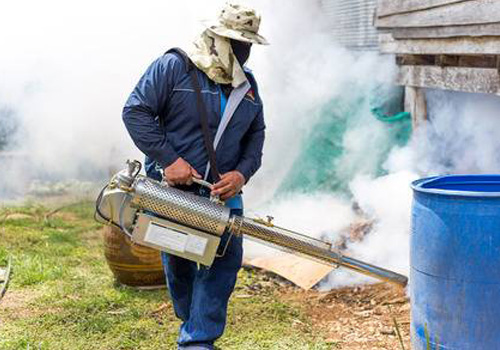
Mosquito fogging depends on compound size, breeding sites, equipment, and whether the job is indoor, outdoor, or both. For coastal areas and lake region towns, mosquito control may also be offered as regular maintenance.
Practical Beginner Price Ranges in Kenya
Prices vary by town, estate, product cost, transport, urgency, and service quality. A beginner should avoid pretending there is one national rate. Still, you can work with practical ranges.
For general cockroach, ant, or light pest control, bedsitters and studios may fall in the lower range, while one-bedroom, two-bedroom, and three-bedroom homes should increase gradually. Bedbug jobs should usually cost more than general fumigation because of preparation, detailed treatment, and possible follow-up.
Commercial spaces should not be priced like homes. A kiosk, small restaurant, mini-market, Airbnb, salon, office, guest house, or school has different risks and documentation needs. Restaurants and food businesses may need after-hours work, certificates or reports, safe food-area treatment, and regular service.
For Airbnbs and guest houses, charge for reliability and documentation. Hosts are not just paying for spray. They are protecting reviews, bookings, and guest comfort.
For termites, avoid blind pricing. Visit the site, inspect the damage, identify the likely termite type and treatment area, then quote properly. If you are not trained in termite work, refer the job or partner with an experienced provider.
Adjust Pricing by Location
Location affects both cost and client expectations. A client in Pipeline, Kayole, or Githurai may be more price-sensitive than a client in Karen, Kilimani, Nyali, or Runda. But that does not mean you should exploit one area and undercharge another. It means your quote should reflect transport, service expectation, documentation, property size, and time.
Upmarket clients often expect clearer communication, punctuality, receipts, certificates, low-odour methods, and professional appearance. They may pay more for peace of mind. Budget clients may focus more on affordability, but they still deserve safe and proper service.
For distant areas, charge transport or set a minimum job value. If a client is far away, ask whether there are neighbours, other units, or businesses nearby that need service on the same day. Area-based scheduling helps reduce transport costs and allows you to offer better rates without hurting profit.
Use Packages Instead of Random Quotes
Packages make your pricing look professional and easier to explain. Instead of simply saying “KSh 5,000,” explain what is included.
A general home fumigation package can include inspection, targeted treatment, basic safety instructions, and aftercare advice. A bedbug package can include two visits, mattress and furniture treatment, preparation instructions, and follow-up guidance. A restaurant package can include monthly inspection, cockroach baiting, rodent monitoring, drain checks, service report, and certificate where applicable.
Packages help clients understand value. They also reduce negotiation because the client sees they are paying for a process, not just spray. If someone compares you with a cheaper fundi, you can explain the difference calmly.
Do not promise what you cannot deliver. A package should be realistic. Avoid “all pests gone forever” claims because pests can return from neighbours, drains, food waste, second-hand furniture, or poor hygiene.
Build Follow-Up Into the Price
Follow-up is one of the biggest pricing traps for beginners. Bedbugs, fleas, German cockroaches, and rodent jobs may need repeat visits. If you do not include this in your pricing, you may return for free and lose money.
For pests that need follow-up, tell the client upfront. Explain that the first visit reduces active pests and the second visit helps deal with hatchlings or remaining activity. This is not a trick. It is how pest biology works.
You can charge a package price that includes follow-up, or you can charge the first visit and state the follow-up fee clearly. What matters is clarity. If the client thinks one low payment includes endless visits, you will have problems.
Quote Better by Asking the Right Questions
Before quoting, ask questions. What pest have you seen? How many rooms? Which estate or town? How long has the problem been there? Is it a home, Airbnb, restaurant, shop, or office? Are there children, pets, or people with asthma? Has fumigation been done before? Are neighbours affected? Is the house furnished or empty?
These questions help you avoid wrong pricing. A two-bedroom with mild ants is not the same as a two-bedroom with bedbugs in three beds and two sofas. A shop with one mouse sighting is not the same as a mini-market with droppings in the store.
For bigger jobs, charge an inspection fee where appropriate and deduct it if the client proceeds. This filters time wasters and protects your time.
How to Handle Kenyan Client Negotiation
Negotiation is normal in Kenya. A client may ask, “Bei ya mwisho?” or “Punguza kidogo.” Do not panic and cut your price immediately.
Instead, explain value. Mention inspection, correct products, safety guidance, follow-up where needed, receipt, and aftercare. If the client wants a lower price, reduce scope or offer a volume discount. For example, you can give a better rate if three neighbours book on the same day, or if a restaurant signs a monthly plan.
Avoid fake pricing where you quote high just to drop later. It makes clients feel played. Have a fair price and stand by it. If you must discount, make it reasonable and tied to something useful, such as same-day payment, multiple units, or repeat service.
Your goal is not to win every client. Some clients only want the cheapest option. Let them go if the job will not be profitable.
Contracts Are Better Than One-Off Jobs
One-off jobs bring cash, but contracts build stability. A restaurant paying monthly is more valuable than a random household that may never call again. An Airbnb host on a quarterly plan gives predictable income. A mini-market with monthly rodent and cockroach monitoring can become a long-term client.
Beginners should actively seek small contracts. Target restaurants, shops, Airbnbs, guest houses, salons, offices, schools, and apartment caretakers. Offer maintenance plans instead of waiting for emergencies.
A contract does not have to be complicated. It can be a simple written agreement showing service frequency, pest coverage, price, payment terms, follow-up, and documentation. For businesses, this looks more professional and helps with health inspections.
If you are comparing how professional providers structure services, The Real Plug can help users find vetted fumigation professionals, pest control experts, and service providers in Kenya. Beginners can also learn from how established providers package and present their services.
Keep Records So You Know Your Profit
Every job should be recorded. Write down the client, location, pest, property size, amount charged, chemical used, transport cost, time spent, payment status, and follow-up date. Without records, you will not know whether your pricing works.
At the end of each month, check your numbers. How many jobs did you do? Which jobs made the most profit? Which areas cost too much transport? Which pests caused the most callbacks? Which clients paid late?
This information helps you adjust prices. If bedbug jobs keep requiring more time, raise the bedbug package. If distant jobs are not profitable, add transport. If restaurant contracts are steady, focus more marketing there.
Pricing should improve as your business grows.
Common Pricing Mistakes to Avoid
Do not charge one price for every house. A bedsitter, two-bedroom, maisonette, Airbnb, and restaurant are not the same. Do not ignore transport. A cheap job far away can cost more than it earns.
Do not forget follow-up. If a pest needs two visits, price for two visits. Do not undercharge because you are new. Beginners still need safe products, transport, PPE, and profit. Do not copy big company prices without offering big company value. Build your reputation first, then raise rates gradually.
Do not offer guarantees you cannot honour. A guarantee should have conditions, such as proper preparation, hygiene, and no untreated neighbouring infestation. Otherwise, clients may expect free work for problems outside your control.
Do not reduce your price so much that you are tempted to use cheap or wrong chemicals. That is how businesses fail and people get hurt.
When to Raise Your Prices
Raise prices when your costs rise, your skill improves, your reviews increase, or you start offering more value. If chemicals, fuel, permits, or labour costs go up, your prices must adjust. Review your rates every few months.
You can also raise prices when you become licensed, improve branding, add reports, buy better equipment, or build strong reviews. Clients pay more when they trust you.
Do not surprise existing contract clients with sudden changes. Inform them early and explain the reason. For new clients, simply use the new price sheet.
Final Thoughts
Learning how to price fumigation services as a beginner in Kenya is about more than copying what others charge. It is about understanding your costs, valuing your time, matching the price to the pest, and giving clients a reason to trust you.
Start with a clear minimum charge. Price by house size, pest type, location, urgency, and follow-up needs. Charge more for bedbugs, German cockroaches, rodents, commercial kitchens, Airbnbs, and termite work because they require more skill, time, and responsibility. Use packages, area scheduling, inspection fees, and contracts to make pricing easier and more profitable.
Do not aim to be the cheapest fumigator in town. Aim to be the beginner who shows up on time, explains the process, uses suitable products, wears protective gear, gives instructions, follows up, and solves problems safely.
Clients may bargain, but serious clients pay for reliability. Price your service like a business from the beginning, and you give yourself room to grow from small house jobs to better contracts in restaurants, Airbnbs, apartments, shops, and offices.