

One of the first questions people ask before entering the pest control industry is simple: how much money do I need to start? Some people believe they can begin with KSh 20,000, a sprayer, and a few chemicals from the agrovet. Others assume they need half a million shillings before they can call themselves a fumigation company.
The truth sits somewhere in between. The capital to start fumigation business Kenya entrepreneurs need depends on the level they want to enter, the clients they want to serve, and whether they want to operate informally or build a serious, compliant business. A person doing small jobs for neighbours in Kayole or Pipeline can start with little money, but they will remain limited. A trained and properly equipped operator can serve homes, Airbnbs, restaurants, offices, and apartment blocks, which is where better money begins.
Fumigation is not just spraying dawa. You are dealing with chemicals, safety, pests that may return, health regulations, client trust, and sometimes business compliance. The more professional you are, the more capital you need at the beginning. But that investment can also open doors to better clients and repeat income.
Why Startup Capital Matters in Fumigation
In many businesses, starting small is fine. In fumigation, starting small without training, safety gear, or proper products can be risky. You are entering homes where children, pets, elderly people, food, electronics, bedding, and personal items are present. You may also serve restaurants, supermarkets, guest houses, schools, or clinics where hygiene and documentation matter.
Your startup capital affects the type of clients you attract. If you have no licence, no receipt, no protective gear, and no clear process, you will mostly get low-budget jobs from people looking for the cheapest option. These clients may pay KSh 1,000 or KSh 1,500 and still expect miracles.
If you invest in training, proper equipment, safety gear, branding, documentation, and compliance, you can target clients who value professionalism. These include Airbnb hosts, restaurants, landlords, hotels, offices, supermarkets, and property managers. They may pay more, call you repeatedly, and refer you to others.
Kwa hii biashara, capital is not only about buying tools. It is about buying credibility.
The Three Levels of Starting a Fumigation Business
You can start a fumigation business in Kenya at different levels. Each level has its own capital needs, risks, and income potential.
The first level is the informal side hustle. This is where someone buys a basic sprayer, gloves, a mask, and a few chemicals, then starts doing small residential jobs. It may cost less to start, but it limits growth and can create legal and safety risks if training and compliance are ignored.
The second level is the legal solo operator. This is a trained individual with registered business details, appropriate permits, safety equipment, proper chemicals, receipts, and a professional process. This is the best starting point for most serious beginners.
The third level is a small company. This includes staff, more equipment, transport, stronger branding, insurance, and capacity to serve commercial clients, estates, schools, hotels, and larger contracts.
The right level depends on your budget and goal. If you only want weekend income, you may start smaller. If you want a serious pest control company, plan for the legal solo level at minimum.
Level One: Informal Side Hustle Capital
At the lowest entry level, someone may start with around KSh 20,000 to KSh 40,000. This can buy a basic knapsack sprayer, small hand sprayer, simple gloves, gumboots, a basic mask, a few chemicals, and printed business cards.
This level can serve simple residential jobs such as bedsitters, small single rooms, and neighbourhood referrals. You may get calls from tenants dealing with cockroaches, ants, or general pest issues. It can help you learn customer handling and build confidence, but it has serious limitations.
The biggest problem is trust. Without training, documentation, or compliance, you will struggle to get better clients. Restaurants, hotels, supermarkets, schools, offices, and serious landlords will ask for receipts, service reports, proof of professionalism, and sometimes licences or certificates. If you cannot provide them, you will be locked out.
There is also safety risk. If you use the wrong product, mix chemicals badly, or fail to give re-entry instructions, you can harm people or pets. One bad job can finish your reputation before the business even starts.
This level may look cheap, but it is not the smartest long-term foundation. It is better to treat it as a temporary learning stage while working toward proper training and compliance.
Level Two: Legal Solo Operator Capital
For most people who want to start properly, a legal solo operation is the best target. A realistic starting budget may range from around KSh 100,000 to KSh 180,000, depending on training fees, permits, equipment quality, insurance, location, and how much stock you buy first.
This level allows you to work professionally and target better clients. You can serve homes in South B, Donholm, Lang’ata, Kasarani, Ruaka, Ruiru, Syokimau, Kilimani, Kileleshwa, Mombasa, Nakuru, and Kisumu. You can also approach Airbnbs, guest houses, small restaurants, salons, offices, shops, and small apartment blocks.
Your main costs at this level include business registration, training, compliance documents, county permits where required, equipment, protective gear, chemicals, branding, receipts, transport, phone costs, and working capital.
This is the level where fumigation begins to look like a real business instead of a casual hustle. Clients start taking you seriously because you can explain what you do, provide a receipt, show up with proper gear, and give safety instructions.
Business Registration and Compliance Costs
Before serving serious clients, register your business. You can register a business name or company through the relevant government platforms. You will also need a KRA PIN and proper business records. The cost of registration is usually manageable, but confirm current charges because fees can change.
You should also confirm pest control licensing and regulatory requirements with the Pest Control Products Board or relevant authorities. Pest control products and services are regulated, and requirements may differ depending on the exact services you offer and the clients you target. Since fees and application steps can change, do not rely on old figures. Verify directly before budgeting.
County business permits may also be required depending on where you operate. Nairobi, Mombasa, Kiambu, Nakuru, Kisumu, Uasin Gishu, and other counties may have different charges. If you plan to work across counties, ask how permits apply.
Insurance is another cost to consider. Public liability insurance may not be the first thing small operators think about, but it can help protect you if there is property damage, a chemical reaction, or a client complaint. Some corporate clients, hotels, schools, and supermarkets may require it before hiring you.
Training Costs and Why They Matter
Training is one of the most important investments in a fumigation business. It teaches you pest biology, safe chemical handling, product labels, dilution rates, equipment use, protective gear, first aid basics, customer safety, and legal responsibilities.
Depending on the trainer and course, training may cost tens of thousands of shillings. Before enrolling, confirm whether the training is recognised or useful for licensing and professional practice. Do not just pay for a certificate that clients and regulators may not respect.
Training helps you avoid expensive mistakes. Overdosing chemicals can harm people and damage surfaces. Underdosing wastes product and leaves pests alive. Using farm pesticides indoors can be dangerous. Failing to plan follow-up for bedbugs or cockroaches can ruin client trust.
If you have limited capital, training should still be near the top of your list. Equipment can be upgraded later. Bad habits and unsafe practices are harder to fix once they become part of your business.
Equipment Costs for a Beginner
A beginner does not need every machine on day one. Start with equipment that allows you to serve common residential and small business clients safely and effectively.
You will need a good quality knapsack sprayer. Avoid the cheapest sprayers if possible because leaks and breakdowns during a client job look unprofessional and waste time. A small hand sprayer is useful for cabinets, cracks, and targeted work. A bait gun is helpful if you plan to use cockroach gel bait. A strong torch is important for inspections under sinks, behind fridges, in ceilings, under beds, and inside cabinets.
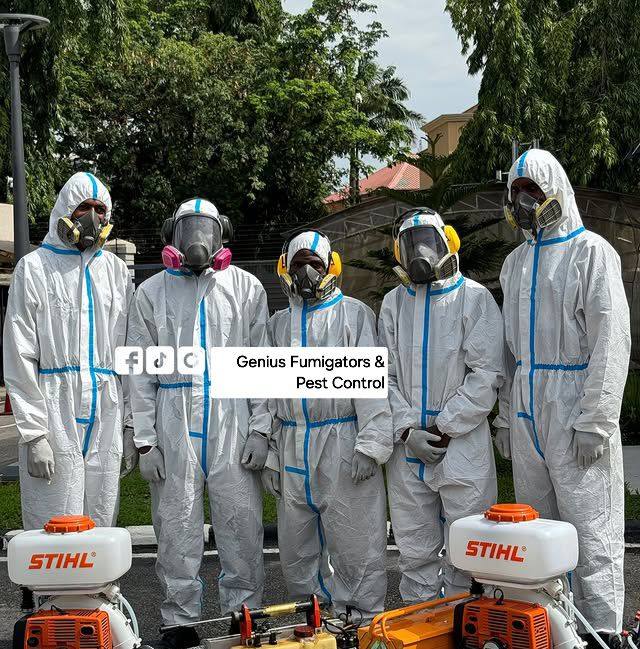
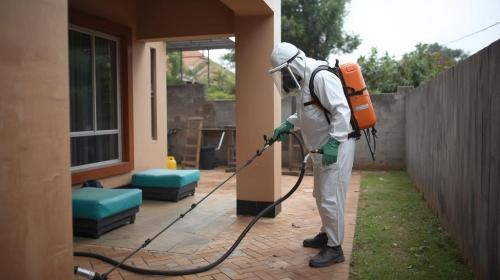
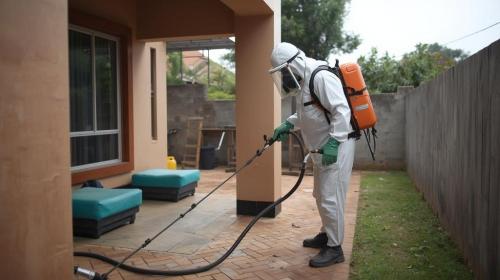
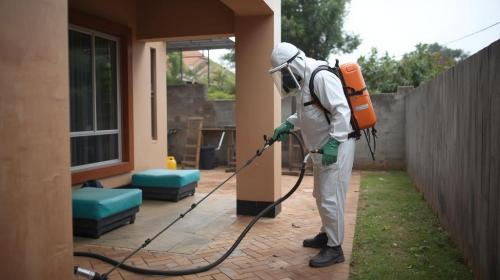
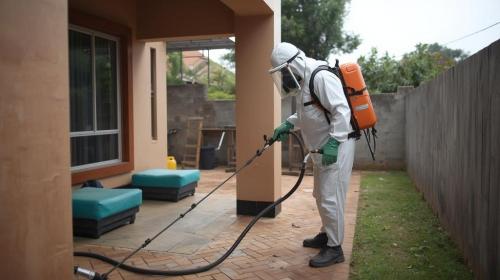
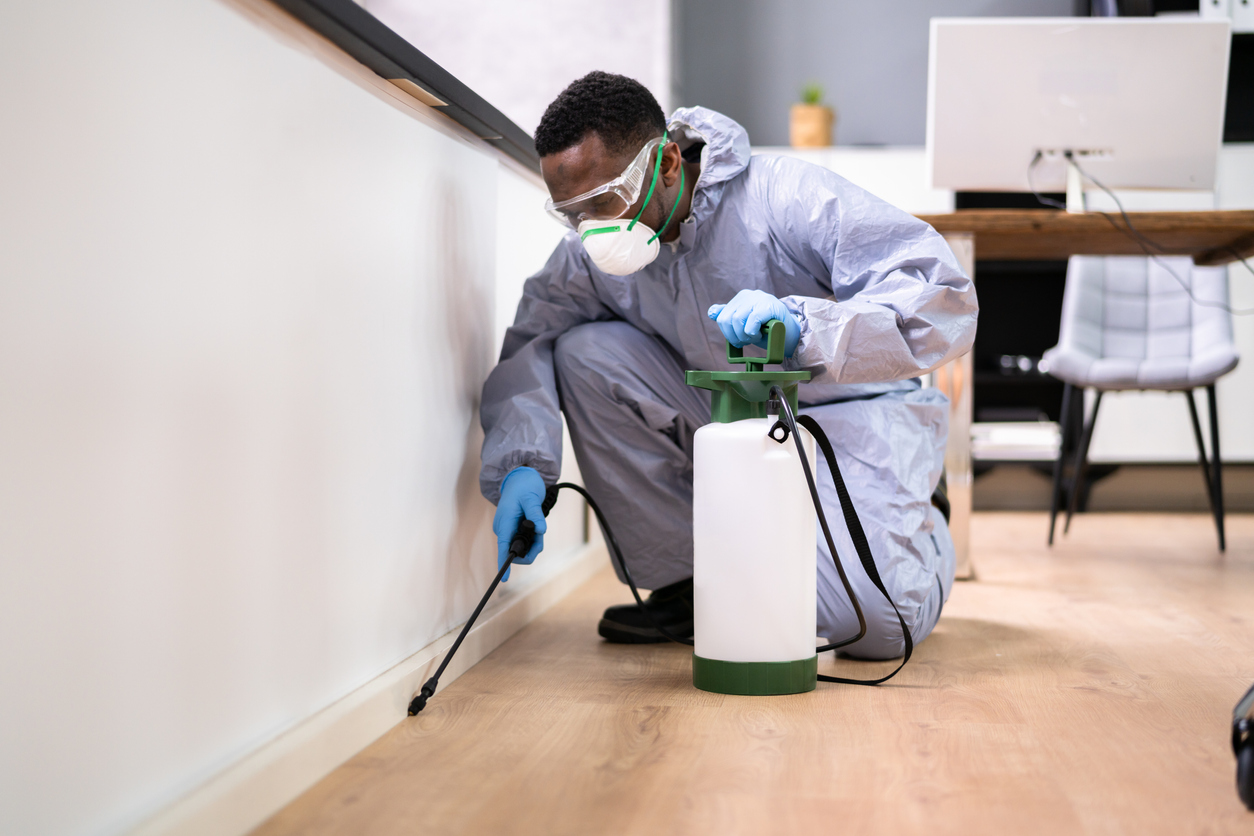
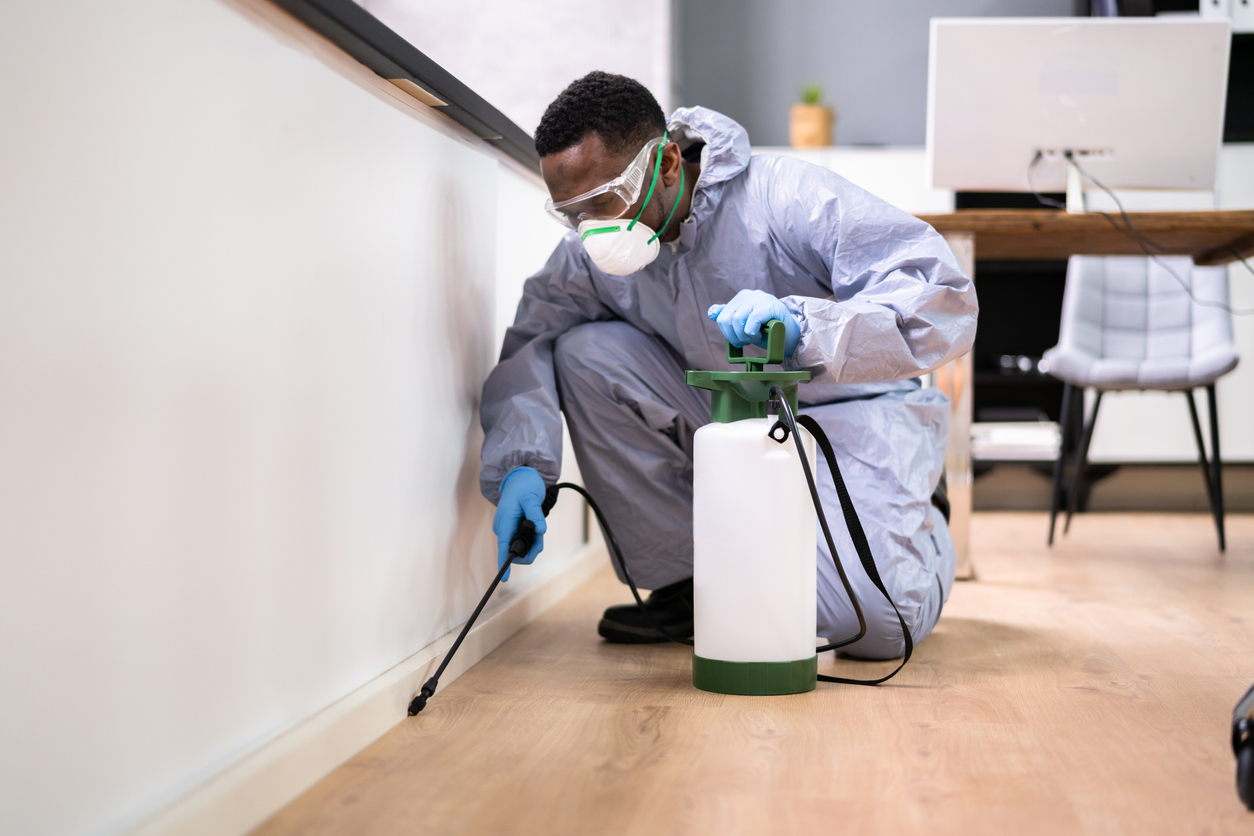
Personal protective equipment is non-negotiable. Buy overalls, gloves, gumboots, goggles, and a suitable mask or respirator based on the products you use. Do not spray in casual clothes. Clients notice, and your health matters too.
You also need measuring cylinders, mixing containers, labels, a notebook or digital record system, cleaning cloths, plastic bags, and storage boxes. These small items make your work safer and more organised.
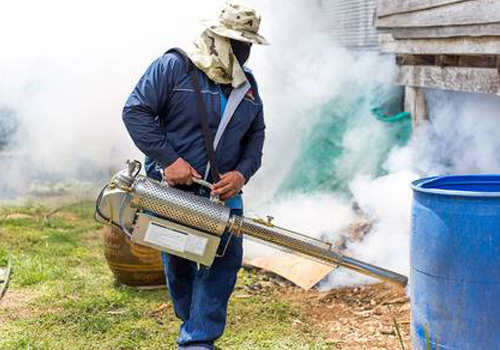
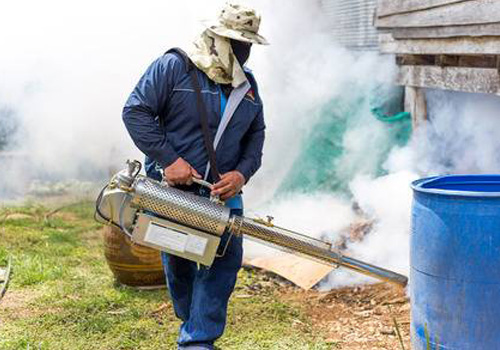
A basic equipment setup can cost tens of thousands of shillings. More advanced equipment such as ULV foggers, thermal foggers, steamers, ladders, bait stations, and vehicles can come later as you grow.
Chemical and Product Startup Costs
Initial chemical stock depends on the services you want to offer. You may need products for cockroaches, bedbugs, ants, mosquitoes, fleas, rats, and general crawling insects. For each product, buy from reputable suppliers and confirm it is approved for the intended use.
Do not buy unlabelled chemicals from street sellers. Do not use agricultural products indoors unless they are specifically approved for that use. Cheap chemicals can fail, cause complaints, or put people at risk.
A small starter stock may cost around KSh 10,000 to KSh 30,000 depending on the brands and quantities you choose. Start with products you understand and can apply correctly. It is better to have a few reliable products than a shelf full of chemicals you do not know how to use.
For cockroaches, gel bait and residual treatments are useful. For rodents, tamper-resistant bait stations and safe placement are important. For bedbugs, products and methods should support follow-up because eggs may hatch after the first treatment. For mosquitoes, outdoor and indoor approaches differ, so learn before buying expensive fogging products.
Branding and Marketing Costs
Branding helps clients trust you. You do not need an expensive logo at the beginning, but you should look organised. A clean uniform, printed receipt book, job cards, WhatsApp Business profile, and simple branded documents can make a big difference.
Set up a Google Business Profile so people searching for fumigation near them can find you. Create social media pages and post useful pest control tips, not just “call us now” adverts. Show professionalism by explaining preparation, safety, aftercare, and follow-up.
A simple website can help later, especially when targeting commercial clients. Business cards or flyers can still work in estates, shops, restaurants, and apartment blocks, but referrals and online visibility are stronger over time.
You can also list your service where people already search for vetted providers. For example, The Real Plug helps users find professionals, service providers, and businesses in Kenya. Being visible on trusted platforms can help new businesses build credibility and reach clients who are already looking for fumigation services.
Working Capital: The Money Many Beginners Forget
Working capital is the cash you keep aside to run jobs before money comes in. Many beginners spend everything on equipment and chemicals, then struggle to pay transport, airtime, internet, assistant wages, or extra product when a job comes up.
You need money for transport to site visits, phone calls, M-Pesa charges, marketing, chemical top-ups, protective gear replacement, printing, and emergencies. If you serve restaurants or offices, some may pay after service or after a few weeks. Without working capital, you may get stuck even with good clients.
Keep at least some cash aside after buying equipment. Do not start broke with a shiny sprayer and no fare to reach clients. Hiyo ni kujipanga vibaya.
Level Three: Small Company Capital
If you want to start as a small company with staff and transport, the capital requirement rises sharply. You may need anywhere from several hundred thousand shillings upward depending on whether you buy a vehicle, lease one, rent an office or store, hire technicians, buy fogging machines, and invest in marketing.
A vehicle or reliable transport can change the business. It allows you to carry equipment, serve higher-end areas, reach estates, and look more professional. But buying a vehicle too early can strain cash flow if you do not yet have enough clients.
Staff also increase costs. You need salaries, training, uniforms, protective gear, supervision, and possibly applicator licensing or compliance documents depending on current regulations. Staff can help you serve more clients, but only if you have enough jobs to keep them productive.
A small company can target bigger contracts such as schools, hotels, supermarkets, office blocks, apartment estates, warehouses, and tenders. These can pay well, but they also demand documentation, insurance, compliance, reliability, and capacity.
Do not jump to this level just because it looks impressive. Grow into it when your client base can support the expenses.
Where Beginners Waste Capital
One common mistake is buying expensive equipment too early. A fogging machine, steamer, or vehicle can be useful, but only when you have jobs that need them. If you spend most of your capital on machines and have no clients, the equipment will sit idle.
Another mistake is skipping training to save money. This is risky and short-sighted. A trained operator can charge better because they understand what they are doing. An untrained operator may undercharge, use wrong products, and lose clients through poor results.
Some people spend too much on branding before building skill. A beautiful logo and glossy flyers will not help if pests return after every job. Balance branding with competence.
Underpricing is another silent killer. If you charge too little, you will not recover product cost, transport, time, follow-up, and profit. Cheap pricing may bring many calls, but not all calls are worth taking.
Poor record keeping also wastes money. If you do not track product use, transport, income, and callbacks, you cannot know whether the business is profitable. Start recording from day one.
How to Start With Limited Capital
If your capital is limited, prioritise the things that make the business safe and credible. Start with business registration, training, essential compliance, basic protective gear, one good sprayer, a small hand sprayer, and a small stock of reliable products.
Begin with common services you can handle confidently, such as cockroach control, ant control, and general residential fumigation, then expand as you learn. Do not take on complex termite jobs, large restaurants, or warehouses before you are ready.
Use referrals aggressively. Do a good job for your first clients, follow up, and ask for reviews. Work with caretakers, small landlords, Airbnb hosts, and local businesses. Reinvest profits into better gear, branding, and more product stock.
Avoid debt unless you already have confirmed contracts. Borrowing to buy a vehicle before the business has steady clients can create pressure. It is better to grow gradually than to look big and struggle silently.
How Long Can It Take to Break Even?
Break-even depends on your startup cost, pricing, number of jobs, and expenses. If you invest around KSh 150,000 and make a healthy profit on each job, you may recover your capital within a few months if you get consistent work. If you only get occasional weekend jobs, it may take much longer.
Commercial clients can shorten the break-even period because they pay better and repeat more often. A few restaurant contracts, Airbnb maintenance plans, or apartment block jobs can help recover startup costs faster than relying only on small one-off home jobs.
However, do not count revenue as profit. Remove chemical cost, transport, labour, marketing, follow-up, phone costs, and replacement of gear. The business only breaks even when it has paid back your investment after real expenses.
Best Use of Your First KSh 150,000
If you have around KSh 150,000, spend it carefully. Put money into training, business registration, compliance, essential permits, quality basic equipment, protective gear, initial chemicals, branding, records, and working capital.
Do not buy every machine. Do not rent an office unless you need one for chemical storage or compliance. Do not hire staff before you have enough jobs. Do not spend half the money on a logo, website, and photoshoot while lacking safety gear and products.
Your first goal should be to deliver safe, effective jobs that clients can recommend. Once you have regular cash flow, upgrade the business.
Final Thoughts
So, how much capital do you need to start a fumigation business in Kenya? You can start informally with a small amount, but that keeps you limited and risky. For a serious solo operator, a realistic starting range is around KSh 100,000 to KSh 180,000 depending on training, permits, equipment, chemicals, branding, and working capital. To start as a small company with staff, transport, and capacity for bigger contracts, you may need several hundred thousand shillings or more.
The best starting point for most people is not the cheapest level or the biggest level. It is the legal solo operator level. It gives you enough credibility to serve homes, Airbnbs, restaurants, shops, offices, and small apartment blocks without carrying heavy company overheads.
Spend your capital on the things that matter: training, safety, compliance, good equipment, reliable products, clear records, and marketing. Avoid cheap shortcuts, poor pricing, and unnecessary machines before you have clients.
Fumigation can become a profitable business in Kenya, but only if you start with the right foundation. A sprayer may get you your first job. Professionalism is what gets you the next fifty.