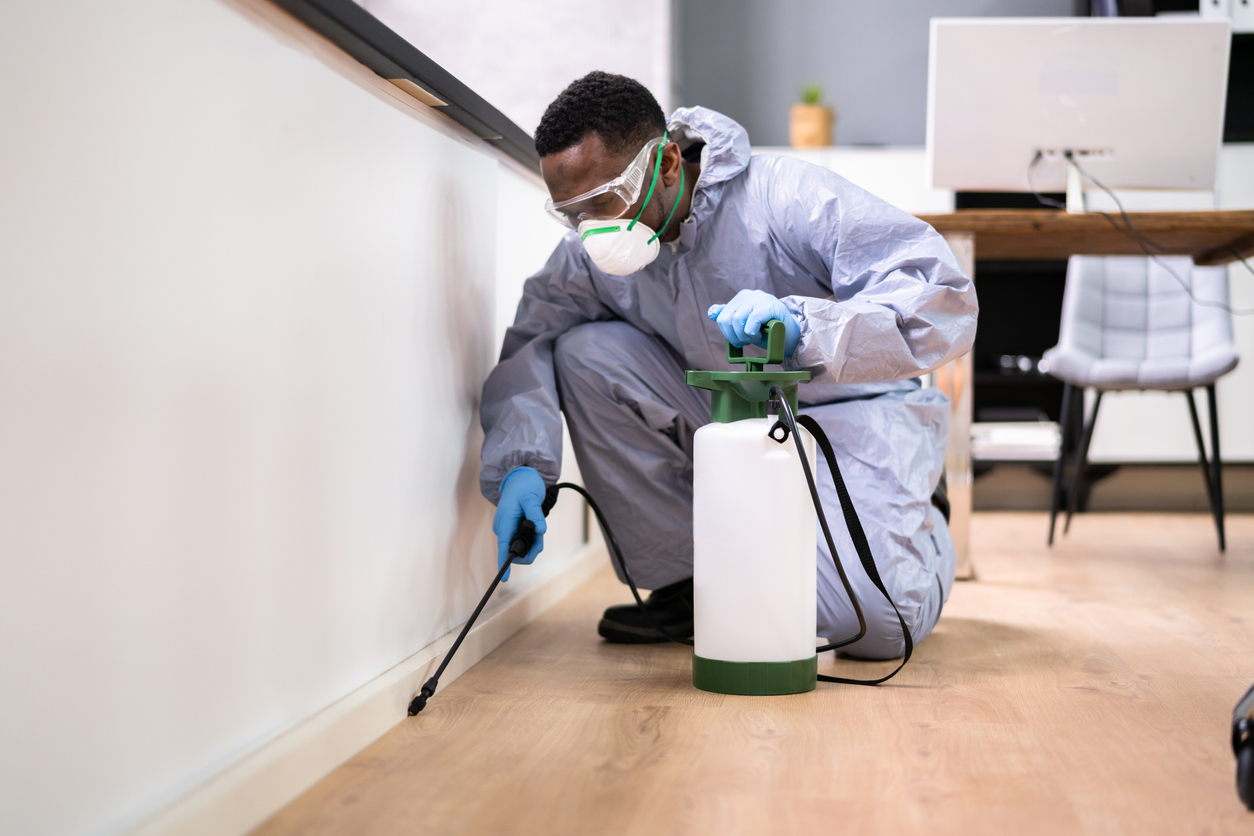


Starting a fumigation business in Kenya does not always require a big office, a Probox, several employees, and hundreds of thousands of shillings. Many beginners imagine pest control as a business for large companies serving hotels, schools, supermarkets, and county tenders. But on the ground, there is plenty of steady money in smaller jobs that big firms often ignore.
Think about bedsitters in Kahawa West, hostels in Juja, Airbnbs in Ruaka, kiosks in Gikomba, small butcheries in Kisumu, mini-shops in Bamburi, and single-room rentals in Pipeline. These clients may not pay KSh 20,000 per visit, but they deal with pests regularly. Bedbugs disturb tenants. Cockroaches keep returning in small kitchens. Rats enter shops at night. Mosquitoes affect compounds during rainy seasons. Airbnb hosts panic when a guest mentions pests in a review.
That is where small-scale fumigation business ideas Kenya beginners can start with become useful. Instead of trying to compete with large pest control companies from day one, you can focus on specific pest problems, specific clients, and specific locations. With the right training, licensing, safety gear, pricing, and marketing, a small fumigation business can grow from side hustle to reliable income.
Why Small-Scale Fumigation Works for Beginners
Small-scale fumigation works because the demand is close to where people live and work. You do not need to start with a national client list. You can begin in one estate, one market, one apartment block, or one group of Airbnb hosts.
The startup cost is lower compared to many service businesses. A beginner can start lean with training, licensing, basic protective gear, a good sprayer, a small hand sprayer, selected pest control products, receipts, and simple branding. You may not need an office or staff immediately. What you need most is competence and trust.
Small clients also pay faster. A tenant, shop owner, or Airbnb host will often pay on the same day. That helps cash flow. Bigger clients such as hotels, schools, and supermarkets may pay later, sometimes after paperwork and approvals. For a beginner, cash flow is muhimu sana.
There is also less direct competition in small jobs. Big companies often focus on corporate contracts, tenders, hotels, and large commercial spaces. They may not rush to treat a KSh 2,500 bedsitter job in Umoja or a small kiosk in Kawangware. That leaves room for a beginner who is reliable, local, and professional.
The key is not to behave like a quack because the job is small. Even small jobs need safe products, correct application, proper instructions, and follow-up where needed.
Start With Training and Licensing First
Before choosing a niche, get the basics right. Fumigation involves pest control products that can affect people, pets, food, bedding, furniture, and businesses. You should understand safe handling, dilution, application, storage, re-entry times, and disposal.
Confirm current licensing and training requirements with the Pest Control Products Board and relevant county offices before operating. Requirements and fees can change, so do not rely on rumours from other operators. If you plan to serve restaurants, Airbnbs, shops, schools, or apartment blocks, compliance and documentation matter even more.
Many beginners want to skip this step and start spraying immediately. That is risky. Without training, you may use the wrong chemical, overapply products, underdose treatments, or give unsafe advice. Without proper documents, serious clients may avoid you. Kwa hii biashara, shortcuts can cost more than the licence.
Once you are trained and compliant, you can market yourself with more confidence. Clients are more likely to trust a provider who can explain the process instead of saying “ni dawa kali tu.”
Idea 1: Bedbug Treatment for Bedsitters and Hostels
Bedbug treatment is one of the most practical small-scale fumigation business ideas for beginners in Kenya. Bedbugs are common in high-density rental areas, bedsitters, hostels, and student housing. Places like Pipeline, Githurai, Zimmerman, Kahawa West, Roysambu, Kasarani, Juja, Rongai, Maseno, Eldoret, and parts of Mombasa have constant tenant movement, second-hand furniture, and shared walls.
This niche works because bedbugs cause immediate discomfort. People cannot sleep. Students complain. Tenants threaten to move out. Landlords want quick action before the whole block gets a reputation.
To start, learn proper bedbug inspection and treatment. Bedbugs hide in mattress seams, bed frames, wooden joints, sofas, curtains, skirting boards, sockets, and wall cracks. A quick spray in the middle of the room will not solve the problem. Most bedbug jobs need preparation and follow-up because eggs can hatch after the first visit.
You can market through caretakers, landlords, hostel managers, and estate WhatsApp groups. Offer block rates where several units are affected. In flats, treating one room alone may fail if neighbouring rooms are infested. If you become known as the reliable bedbug person in one estate, referrals can grow quickly.
Idea 2: Cockroach Control for Small Apartments and Bedsitters
Cockroach control is another strong beginner niche because mende are everywhere in urban rentals. Many tenants try shop sprays for weeks before calling a professional. Small kitchens, shared drainage, food storage, damp cabinets, and garbage areas make cockroaches common in bedsitters and apartments.
German cockroaches are especially profitable to specialise in because they are stubborn and spread fast. They hide behind fridges, inside cabinets, near sockets, under sinks, around cookers, and sometimes inside electronics. Larger roaches may come from drains, especially during rainy seasons.
To do this well, do not rely only on spraying. Learn gel baiting, crack treatment, drain attention, and hygiene advice. Cockroach jobs can become repeat business if you offer maintenance every few months for apartment blocks, small homes, and food businesses.
Pricing should be fair but not too low. If you charge too little, transport and product costs will eat your profit. A serious client will pay more if you explain the method, provide aftercare advice, and reduce repeat infestation.
Idea 3: Airbnb and Short-Stay Fumigation
Airbnb and short-stay rentals are growing in Kenya, and hosts are very sensitive to pest complaints. One review mentioning bedbugs, cockroaches, mosquitoes, or rats can reduce bookings. This makes Airbnb fumigation a good small-scale niche, especially in Nairobi, Mombasa, Diani, Naivasha, Nanyuki, Kisumu, Kilifi, and Nakuru.
Hosts need fast, discreet, and professional service. They often need treatment between checkout and check-in, so timing matters. They also appreciate records, receipts, reports, and fumigation certificates where relevant.
You can offer quarterly fumigation packages for hosts. A good package may include inspection, cockroach prevention, bedbug checks, mosquito control advice, and a written service record. For coastal rentals in Nyali, Diani, Mtwapa, Shanzu, and Kilifi, add mosquito and termite awareness. For Nairobi rentals in Kilimani, Westlands, Kileleshwa, Ruaka, and Roysambu, focus heavily on bedbugs and cockroaches.
This niche pays better than many ordinary home jobs because hosts understand the cost of a bad review. Market through Airbnb host groups, property managers, cleaning companies, and referrals from existing hosts.
Idea 4: Pest Control for Kiosks, Shops, and Kibandas
Small food businesses need pest control but often cannot afford large company rates. Kiosks, butcheries, mini-shops, mama mboga stalls, small cafés, fries joints, and kibandas deal with cockroaches, rats, flies, and ants. You will find these opportunities in places like Gikomba, Toi Market, Kongowea, Kibuye, Muthurwa, Kawangware, Kayole, Bamburi, Kisumu estates, and many town centres.
This niche works because shop owners want to avoid customer complaints and health officer problems. A small butchery with rats or cockroaches can lose trust quickly. A kiosk with roaches near bread, sugar, or snacks cannot ignore the issue.
Offer affordable monthly or bi-monthly pest control packages. Focus on gel bait for cockroaches, safe bait stations or traps for rodents, drain checks, and waste handling advice. Avoid strong-smelling treatments during business hours unless the shop can close and ventilate properly.
Walk-in marketing can work here. Visit during slow hours, introduce yourself professionally, show your documents, and explain how regular pest control helps them stay open and clean. Do not talk down to small business owners. They may start with one shop and refer you to ten others.
Idea 5: Student Rental and Hostel Fumigation
Student housing has constant pest pressure. Students move often, share rooms, buy second-hand furniture, travel with bags, and may not always keep perfect hygiene. Hostels and rentals near universities can develop bedbug, cockroach, flea, and rat issues if management delays action.
Areas around Kenyatta University, JKUAT in Juja, UoN hostels and nearby rentals, Maseno, Moi University, Egerton, Technical University of Mombasa, and other campuses can provide good seasonal work. Demand often rises when students move in or out, before new semesters, and after long holidays.
You can target landlords and hostel managers instead of only individual students. Offer pre-semester fumigation, vacate fumigation, and block treatment. This is better than treating one room at a time.
For bedbugs, insist on proper preparation and follow-up. For cockroaches, treat kitchens, shared areas, drains, and hidden spaces. For rats, inspect stores, ceilings, food areas, and garbage points. If you help a landlord keep rooms occupied, they may call you every term.
Idea 6: Car Fumigation and Pest Control
Car fumigation is a smaller but useful niche that many beginners overlook. Cockroaches, ants, and even bedbugs can hide in cars. This is common in taxis, ride-hailing vehicles, matatus, family cars, and cars that frequently carry food, luggage, or second-hand items.
Drivers care about passenger comfort. An Uber or Bolt driver whose passenger sees a cockroach may get a bad rating. A matatu with pests can lose customers. Family cars may develop ants or roaches from food crumbs, spilled drinks, or parking near infested areas.
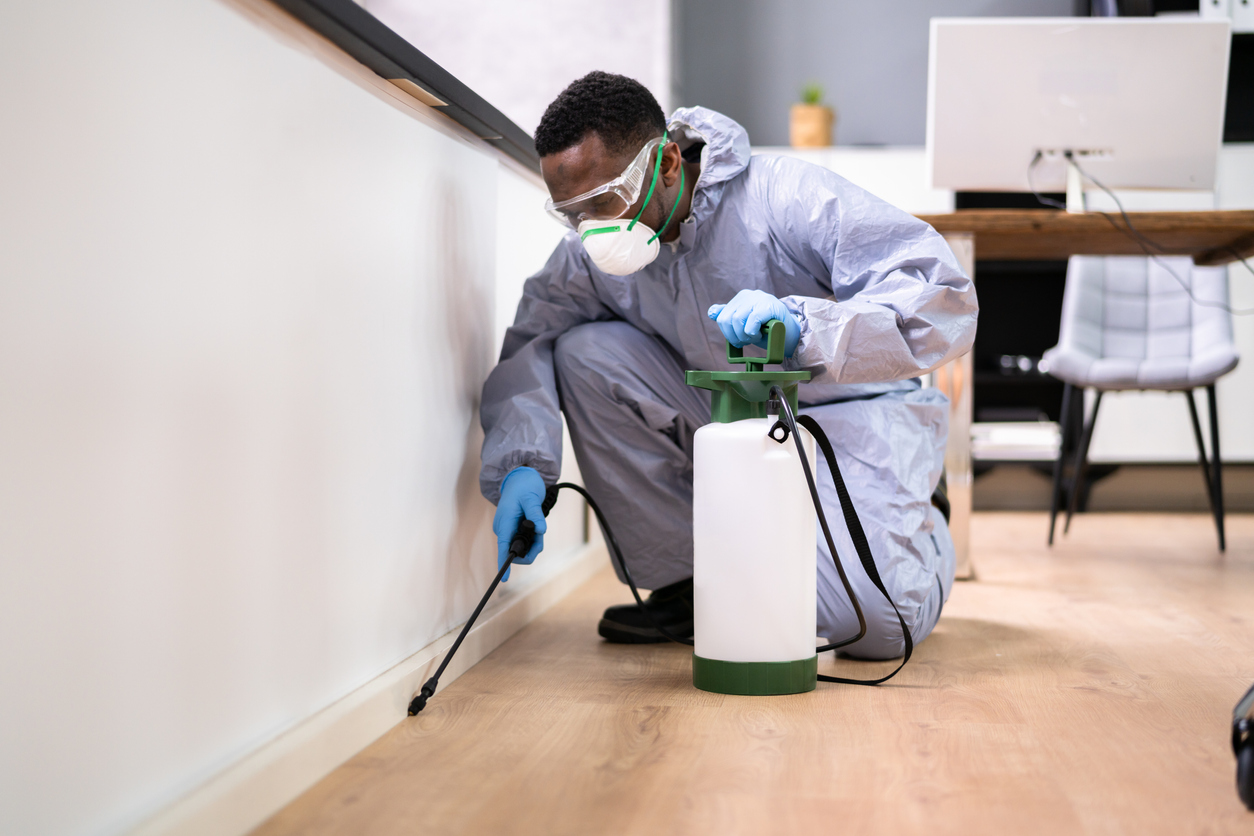
Car fumigation requires care because vehicles have electronics, fabric, vents, dashboards, and tight spaces. You must use suitable methods and avoid soaking seats or damaging interiors. A small hand sprayer, crack-and-crevice tools, vacuuming advice, and low-odour treatment may be enough for many jobs.
Market to taxi driver groups, car wash operators, parking attendants, matatu saccos, and vehicle detailing businesses. Car fumigation can fill gaps between bigger jobs because it is quick and can be scheduled easily.
Idea 7: Pre-Move and Vacate Fumigation
People moving into or out of houses often need fumigation. Tenants want a clean house before bringing furniture. Landlords want to prepare units for the next tenant. Agents may recommend fumigation before handover, especially if there were pests.
This niche works well at the end and beginning of the month when people move houses. Areas like Syokimau, Kitengela, Ruaka, Ruiru, Athi River, South B, Kilimani, Bamburi, Mtwapa, and Kiambu Road have constant moving activity.
Pre-move fumigation is easier because the house is usually empty. You can treat cracks, cabinets, floors, drains, skirting boards, and hidden areas without furniture blocking access. Vacate fumigation can help landlords avoid giving the next tenant a house with bedbugs, roaches, fleas, or ants.
Build relationships with caretakers, agents, movers, painters, cleaners, and property managers. They meet people who are moving every day. A simple referral arrangement can bring regular work.
Idea 8: Mosquito Control for Compounds and Small Estates
Mosquito control can be a good small-scale business in areas where mosquitoes are a constant problem. This includes Kisumu, Busia, Siaya, Mombasa, Kilifi, Diani, Malindi, Kwale, and Nairobi estates with poor drainage or stagnant water.
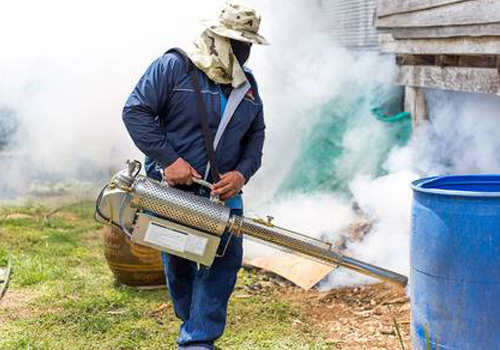
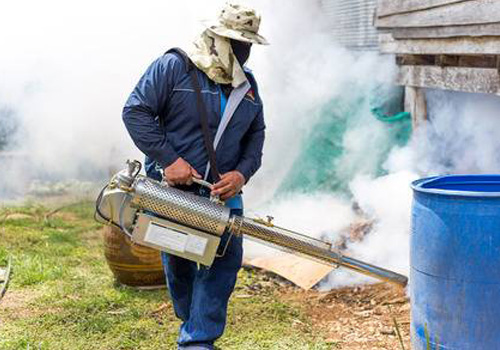
The service should not be only fogging. Mosquito control includes identifying breeding sites, treating stagnant water where appropriate, clearing water-holding containers, advising on gutters and drains, and outdoor fogging when needed.
Small compounds, guest houses, Airbnbs, schools, churches, and gated courts may need regular mosquito control during rainy seasons or humid months. Coastal clients may need it more often because mosquitoes remain active for much of the year.
This niche can be seasonal, so combine it with other services such as cockroach control, Airbnb fumigation, or compound pest management.
How to Start Small Without Looking Informal
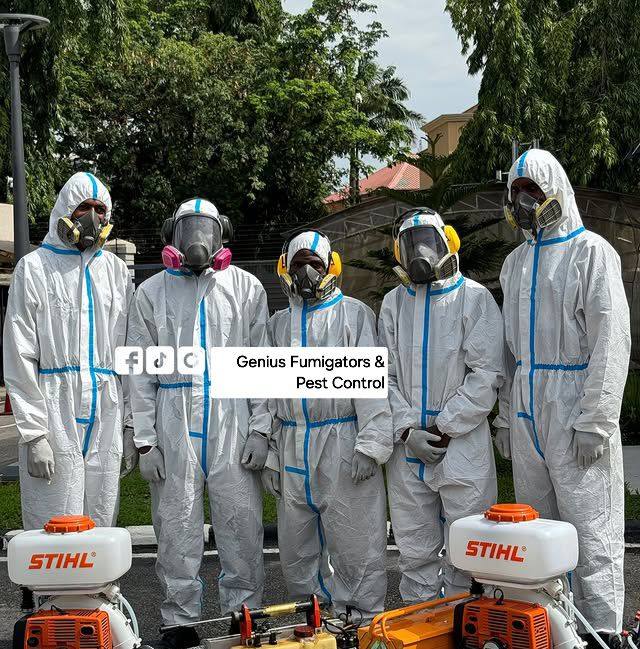
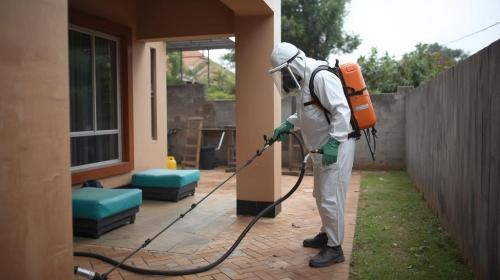
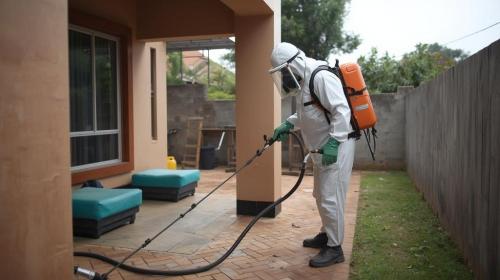
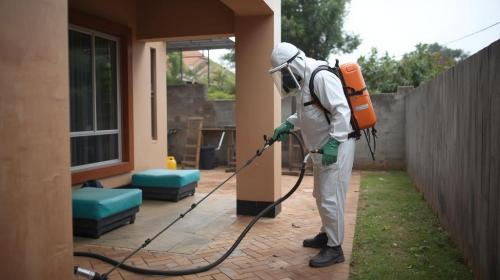
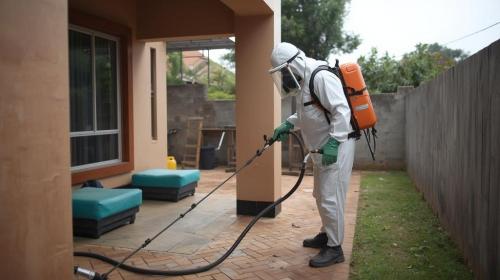
Starting small does not mean looking careless. You can begin with limited equipment and still appear professional. Wear clean protective gear. Use labelled equipment. Carry a receipt book. Send preparation instructions by WhatsApp. Explain re-entry times. Follow up after the job.
Register your business name, create a WhatsApp Business profile, and set up a Google Business Profile. Use real photos carefully and only with client permission. Do not post private bedrooms or business interiors in a way that embarrasses clients.
Keep records from the first job. Record client name, location, pest treated, product used, amount charged, expenses, and follow-up date. This helps you track profit and improve service.
If you want to build visibility, The Real Plug can help users find vetted professionals, service providers, and businesses in Kenya. For a small-scale fumigation operator, being listed where clients already search can help build trust and bring better leads.
Pricing Tips for Small-Scale Fumigation
Do not price blindly. Consider location, transport, pest type, house size, product cost, time, and follow-up. A low price can attract clients, but it can also trap you in unprofitable work.
Set a minimum charge that makes sense. If transport and chemical cost almost as much as the fee, the job is not worth it. For distant locations, charge transport separately or group jobs by area. For example, handle all Pipeline jobs on one day and all Kilimani jobs another day to save fare and time.
For bedbugs and heavy cockroaches, charge with follow-up in mind. Explain to the client that some pests need a second visit. If you do not explain this upfront, they may think you failed when eggs hatch later.
Offer packages where possible. For shops, monthly contracts are better than one-off jobs. For Airbnbs, quarterly plans are better than emergency calls only. For hostels, termly fumigation can be planned in advance.
Marketing on a Small Budget
Small-scale fumigation marketing works best through relationships and proof. Caretakers are powerful in rental areas. If a caretaker trusts you, they can introduce you to many tenants. Agents, cleaners, movers, and landlords can also send clients.
WhatsApp and Facebook are useful, but avoid spamming. Share helpful tips about preventing cockroaches, preparing for bedbug treatment, or keeping mosquitoes away during rains. People trust service providers who educate, not just those shouting “discount leo.”
Ask every satisfied client for a review or referral. A good review in an estate group can bring more work than hundreds of flyers. Offer a small referral discount if it makes sense.
Visit small businesses physically. Many shop owners and restaurant managers prefer meeting the person who will handle pest control. Carry your documents, service list, and a simple quote format.
Google Business Profile is important because many people search “fumigation near me” when they need urgent help. Add your location, services, working hours, photos, and contact details.
Common Mistakes Beginners Should Avoid
One mistake is taking every job. A small job far away can waste your whole day and leave no profit. Learn to say no or charge fairly for transport.
Another mistake is using the same chemical for every pest. Bedbugs, cockroaches, mosquitoes, termites, ants, and rodents need different methods. If you treat everything the same, results will be poor.
Skipping follow-up is a big mistake. Bedbugs and German cockroaches often need more than one visit. Plan for it and communicate clearly.
Poor safety also hurts your business. Do not spray without gloves, mask, boots, or basic protection. Clients notice, and your health is at risk.
Some beginners underprice because they fear losing clients. Cheap pricing brings busy days but little profit. You are building a business, not just chasing fare.
Best Niches to Combine
To earn consistently, combine related niches. Bedbug treatment pairs well with student rentals and pre-move fumigation. Airbnb fumigation pairs well with mosquito control in coastal areas. Shop pest control pairs well with rodent control and cockroach baiting. Apartment cockroach control pairs well with block fumigation.
Combining niches helps you handle low seasons. If bedbug calls reduce, restaurant and shop contracts can keep income steady. If mosquito demand rises during rains, you can push compound services. If students move out, pre-move fumigation picks up.
Do not try to do everything immediately. Start with one or two niches, become good, then expand.
How to Grow From Small-Scale to Bigger Contracts
Once you have steady small jobs, reinvest. Buy better equipment, improve PPE, print professional job cards, get insurance where possible, and build a simple website. Train an assistant if demand grows.
Use records to pitch bigger clients. If you can show that you have served 50 homes, 10 shops, or several Airbnbs with good reviews, a restaurant or apartment manager will trust you more.
Build contracts instead of always waiting for calls. Offer monthly shop pest control, quarterly Airbnb fumigation, termly hostel treatment, and apartment block packages. Repeat income is what turns a small fumigation hustle into a stable business.
Over time, you can add services such as termite treatment, supermarket pest control, school fumigation, warehouse pest management, and commercial contracts. But grow with skill, not pressure.
Final Thoughts
Small-scale fumigation business ideas Kenya beginners can start with are practical because the demand is everywhere. Bedsitters need bedbug treatment. Apartments need cockroach control. Airbnbs need guest-ready pest prevention. Shops and kibandas need rats and roaches controlled. Student rentals need termly fumigation. Cars, compounds, and pre-move houses all offer smaller but steady opportunities.
You do not need to start huge. You need to start properly. Get trained, confirm licensing requirements, buy essential equipment, use safe products, price your work well, keep records, and market to a clear niche.
The beginners who grow are not always the ones with the most capital. They are the ones who choose a market, do clean work, communicate well, follow up, and build trust one client at a time.
Start small, but do not think small. A bedsitter job today can lead to a whole block tomorrow. A kiosk today can lead to a monthly market route. One Airbnb host can refer you to ten others. In pest control, consistency is what turns small jobs into a real business.