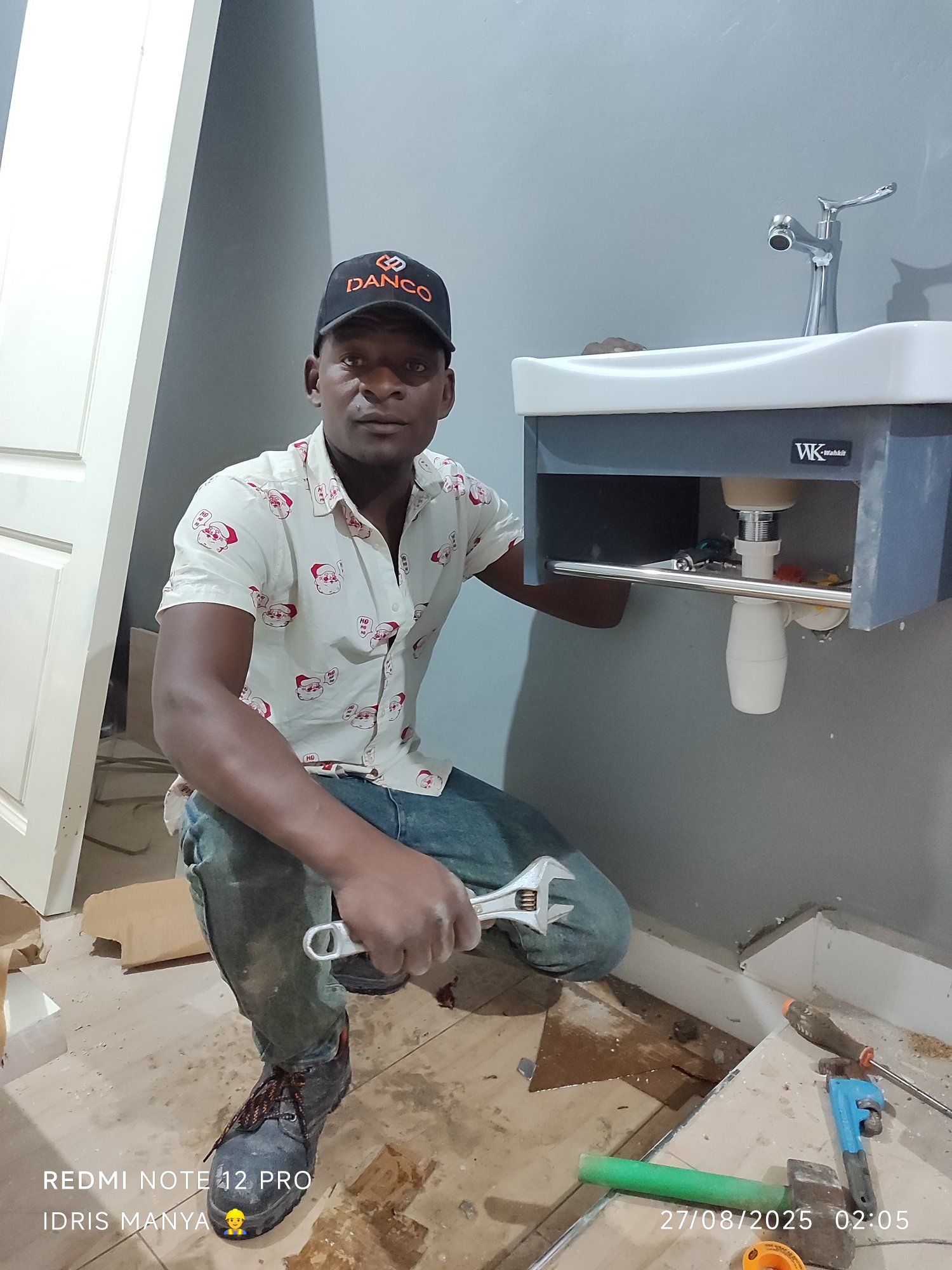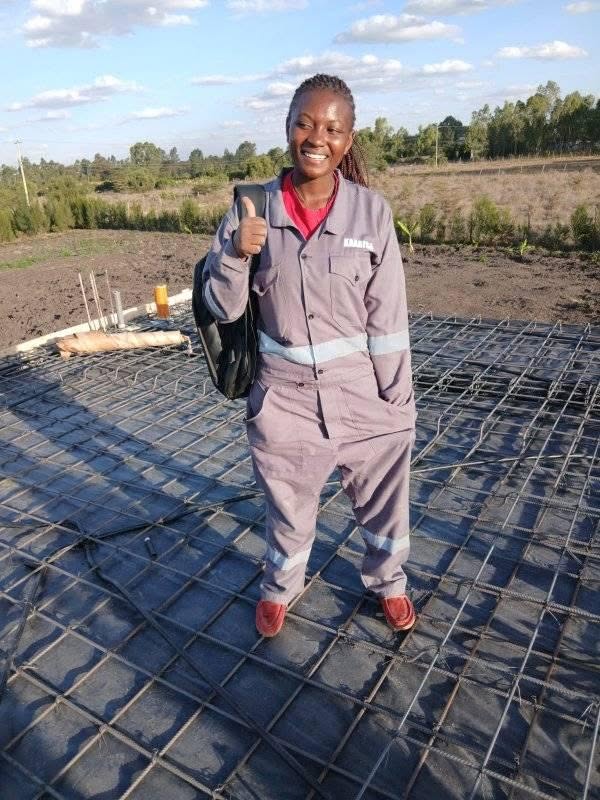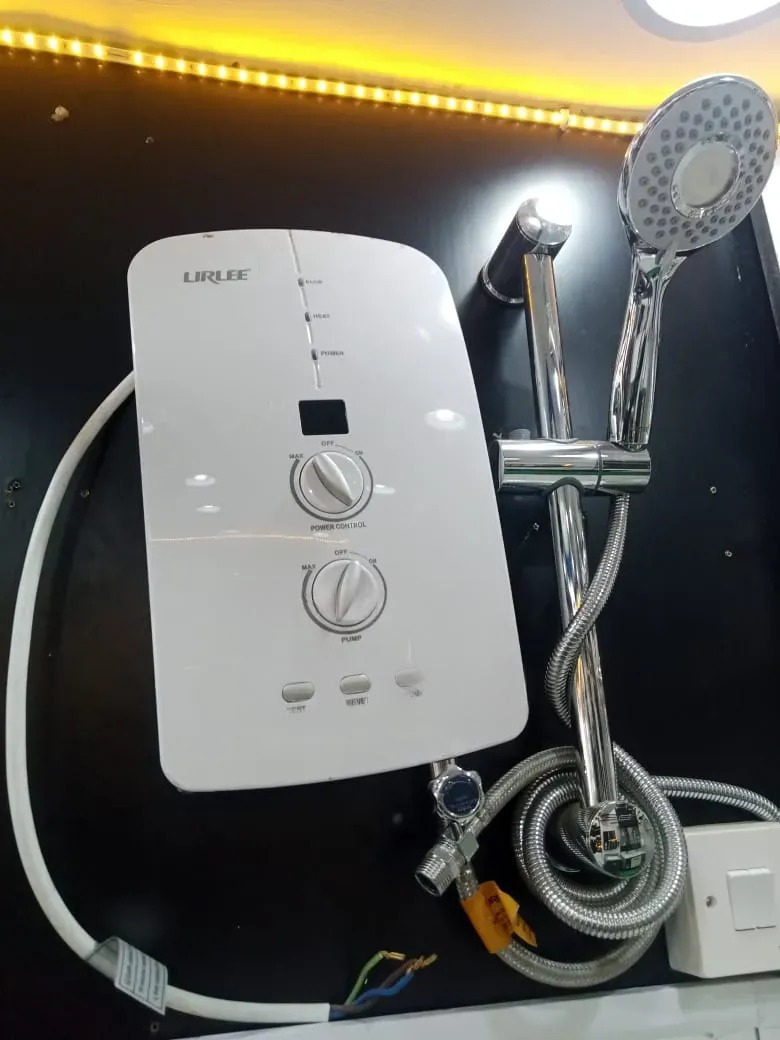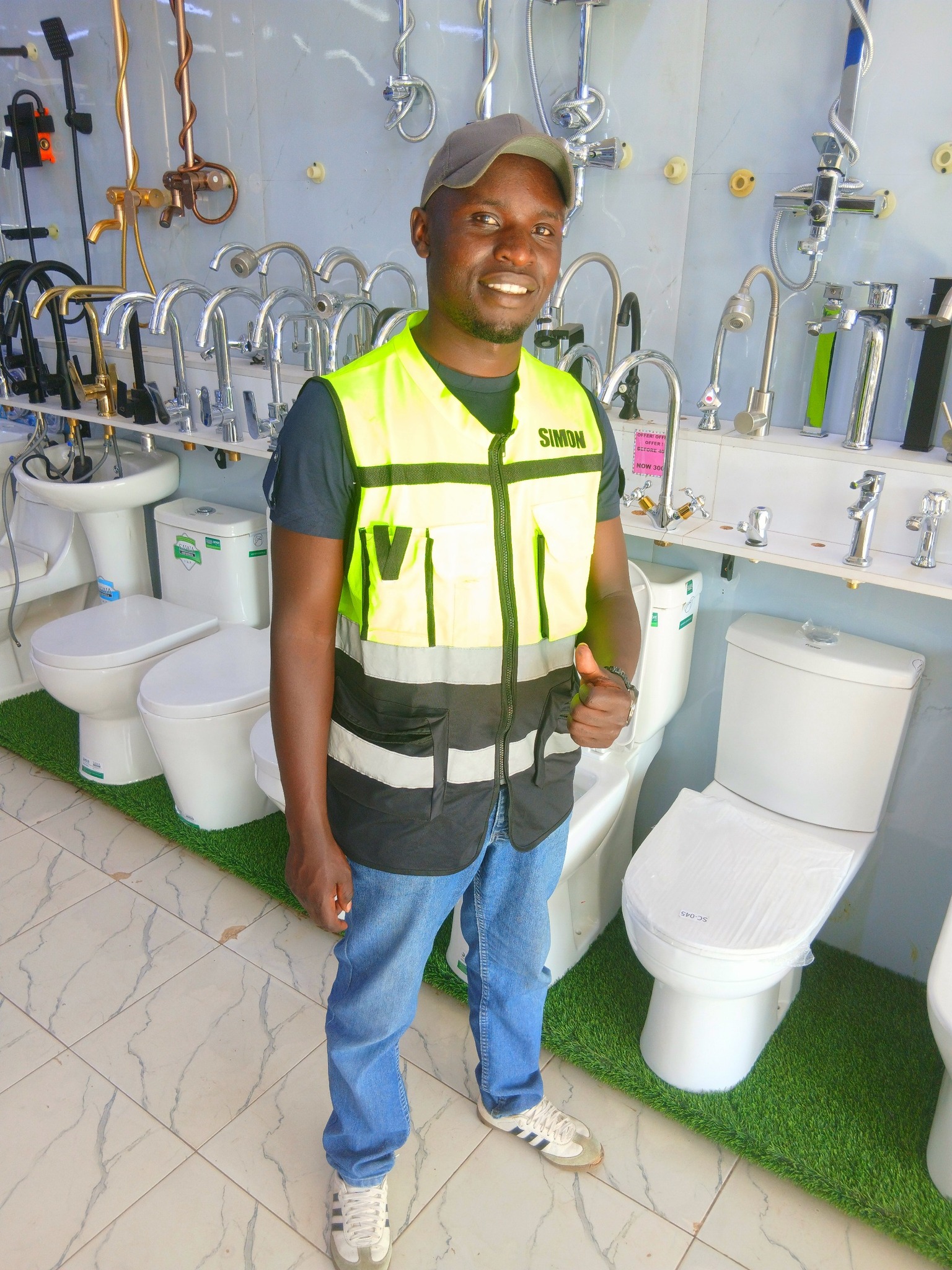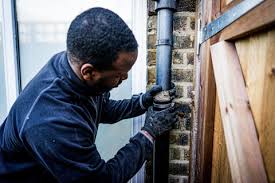


Many skilled plumbers in Kenya did not begin their careers in a classroom. They started on construction sites, carrying pipes in Kitengela, passing tools to a senior fundi in Kisii, digging trenches in Kahawa, or helping fix blocked drains in rental estates. That early stage, where you learn by working under someone experienced, is what most people call apprenticeship.
For many young Kenyans, a plumbing apprenticeship is one of the most practical ways to enter the trade. You learn real skills, gain site experience, meet contractors, and start earning something as you grow. It may not look glamorous at first. The work can be tiring, the pay may be low in the beginning, and some days you may feel like you are only carrying tools. But if you choose the right place to learn, an apprenticeship can become the foundation of a serious plumbing career.
Today, clients and employers expect more than experience alone. They want plumbers who understand safety, can work neatly, follow instructions, communicate well, and eventually prove their skills through certificates such as NITA trade tests. This guide explains how plumbing apprenticeships in Kenya work, where to find genuine opportunities, what to expect, and how to turn your first attachment into a long-term career.
What a Plumbing Apprenticeship Means in Kenya
A plumbing apprenticeship is a learning arrangement where a beginner works under an experienced plumber, contractor, company, or training programme. The apprentice learns practical skills on real jobs instead of only reading theory.
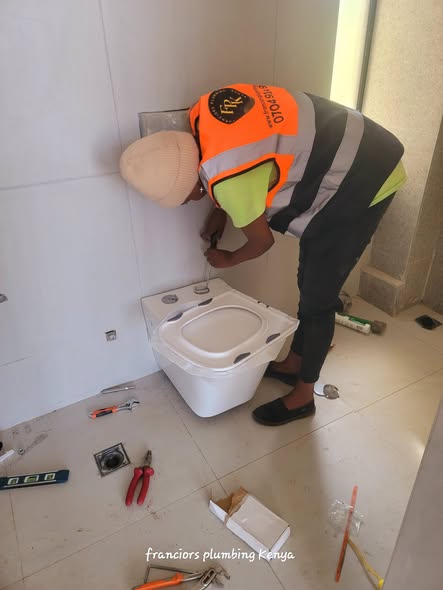
At the start, the tasks are usually basic. You may carry pipes, clean the work area, fetch materials, cut pipes, sort fittings, or assist with simple repairs. As you improve, you may learn how to join pipes, install taps, set gradients for drainage, connect water tanks, fit bathrooms, test pressure, and read simple drawings.
A good apprenticeship is not just cheap labour. It should help you grow step by step. The person training you should explain why things are done a certain way. For example, they should help you understand why PPR is used for hot water lines, why drainage pipes need proper slope, why some fittings fail, and why pressure testing should happen before walls are closed.
In Kenya, apprenticeships can be informal or formal. Informal apprenticeships happen when you attach yourself to a fundi, contractor, or small company and learn on the job. Formal apprenticeships may happen through NITA, TVET institutions, county programmes, or organizations that link trainees with employers.
Both routes can work. The informal route is easier to start, but it depends heavily on the person training you. The formal route may provide better structure, assessments, and certificates, but it may require applications, fees, or waiting for available slots.
Why Apprenticeship Is a Good Way to Start Plumbing
Plumbing is a hands-on trade. Classroom learning is useful, but you only understand the work fully when you deal with real pipes, real clients, and real site problems. A textbook can explain drainage slope, but a site in Ruaka or Mtwapa teaches you what happens when a mason covers your pipework before inspection.
Apprenticeship exposes you to the daily reality of plumbing. You learn how to work around other fundis, how to handle clients who change instructions, how to correct mistakes, how to use tools safely, and how to finish work under pressure.
It also allows you to earn while learning, even if the pay is small at first. Many apprentices in Kenya start with a daily token or small wage. The amount depends on the town, employer, skill level, and type of job. At the beginning, it may mostly cover fare and lunch. As you become useful, your pay can improve.
Another benefit is networking. The plumber or contractor training you may know caretakers, landlords, site managers, hardware owners, engineers, and other fundis. If you prove yourself, those contacts can become future employers or clients. Many plumbers get their first solo jobs because the person who trained them recommended them when they were too busy.
Where to Find Plumbing Apprenticeships in Kenya
Finding a good apprenticeship requires effort. Waiting at home for someone to call rarely works. You need to go where plumbing work is happening and present yourself seriously.
Construction sites in growing areas
Construction sites are one of the most common places to find plumbing apprenticeships. New houses, apartments, rental blocks, schools, shops, and small hotels are being built in many parts of Kenya. Areas like Syokimau, Ruiru, Kitengela, Juja, Ngong, Nakuru, Eldoret, Kisumu, Mombasa, Kisii, and Nanyuki often have active sites.
Visit sites early in the morning and ask to speak to the foreman, plumber, or plumbing subcontractor. Be polite and clear. Explain that you want to learn plumbing and are willing to start as a helper. Carry your ID, phone number, and any school or training certificate you have.
Choose sites carefully. A site with basic organization, safety rules, a signboard, and regular work is usually better than one where workers complain about unpaid wages. You want to learn in a place that teaches discipline, not shortcuts.
Plumbing companies and maintenance firms
Established plumbing companies, technical service providers, and maintenance firms can offer better exposure than small casual jobs. Some handle apartments, offices, hotels, schools, malls, pump systems, and commercial buildings. This can help you learn modern systems faster.
You can approach companies in areas such as Industrial Area, Mombasa Road, Westlands, Kisumu town, Mombasa, and other business centres. Some may advertise opportunities, while others accept request letters from serious applicants.
Prepare a simple one-page application. Mention your name, age, location, education level, any technical training, and why you want to learn plumbing. Attach copies of your ID and certificates if available. Dress neatly when visiting. First impressions matter because employers want someone they can trust on site or in clients’ homes.
TVET institutions and vocational training centres
Technical and vocational institutions are a good route for people who want structured training. Many TVETs and vocational training centres offer plumbing-related courses that combine theory and practical sessions. Some also help students find attachment opportunities.
Institutions such as national polytechnics, technical training institutes, and county vocational training centres can introduce you to pipework, drainage, water supply systems, fittings, safety, drawing interpretation, and tools. After training, you can continue learning on site as an apprentice.
Fees vary depending on the institution and course level. Some counties offer bursaries or support for youth joining technical courses, so it is worth asking at your ward office, chief’s office, or local education office.
NITA trade testing and formal skills pathways
NITA is important for artisans in Kenya because trade tests help prove practical competence. A plumber can work toward Grade III, Grade II, and Grade I over time. If you are already learning informally, you can later formalize your skills through trade testing when ready.
For some apprentices, the best path is to combine informal learning with formal certification. You can work under a plumber, gain real experience, then sit for a trade test. This gives you both practical ability and recognized proof.
Employers, contractors, and formal projects often value NITA certification because it shows your skills have been assessed. It can also help when applying for better jobs locally or abroad.
County youth programmes and NGO projects
Some counties and NGOs support youth training in technical skills, including plumbing. These programmes may be linked to water, sanitation, housing, construction, or youth employment projects. In areas where NGOs run WASH projects, plumbing skills can be especially useful.
Check with county youth offices, vocational training centres, Huduma Centres, local chiefs, ward offices, and community organizations. Opportunities may not always be advertised widely, so asking directly can help.
These programmes may include short training, attachment, toolkits, stipends, or support toward certification. Availability changes from time to time, so verify details before committing.
Hardware shops and referrals from fundis
Hardware shops are strong connection points in Kenya. Contractors, plumbers, homeowners, and fundis visit them daily. A hardware owner may know which plumber needs a helper or which site is about to start plumbing work.
Introduce yourself to hardware owners in your area and explain that you are looking for a plumbing apprenticeship. Be respectful and patient. If people know you as hardworking and honest, they are more likely to recommend you.
Other fundis can also help. Electricians, masons, painters, tilers, and welders often know when plumbing work is available. Build good relationships with them because many site opportunities move through word of mouth.
What to Expect During Your First Months
The first months of a plumbing apprenticeship can be tough. You may do more carrying, cleaning, and observing than actual installation. This is normal to some extent because the trainer wants to see your attitude, discipline, and willingness to learn.
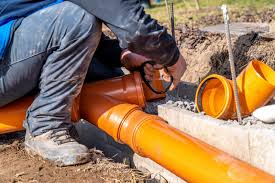
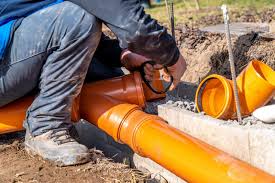
You may be asked to dig trenches, hold pipes, carry fittings, clean tools, fetch materials, or assist with cutting and measuring. Do not dismiss these tasks. They teach you how sites work and help you understand materials and tools.
However, you should also be learning gradually. After some time, a good trainer should allow you to cut pipes, make simple joints, install basic fittings, observe pressure testing, and ask questions. If you are still only carrying tools after many months with no learning, the apprenticeship may not be helping you.
Pay may be low at first. Ask respectfully what support is available before you start. Some trainers provide lunch, others give a small daily wage, and others pay depending on the job. Avoid making assumptions. Clarity helps you plan for fare and meals.
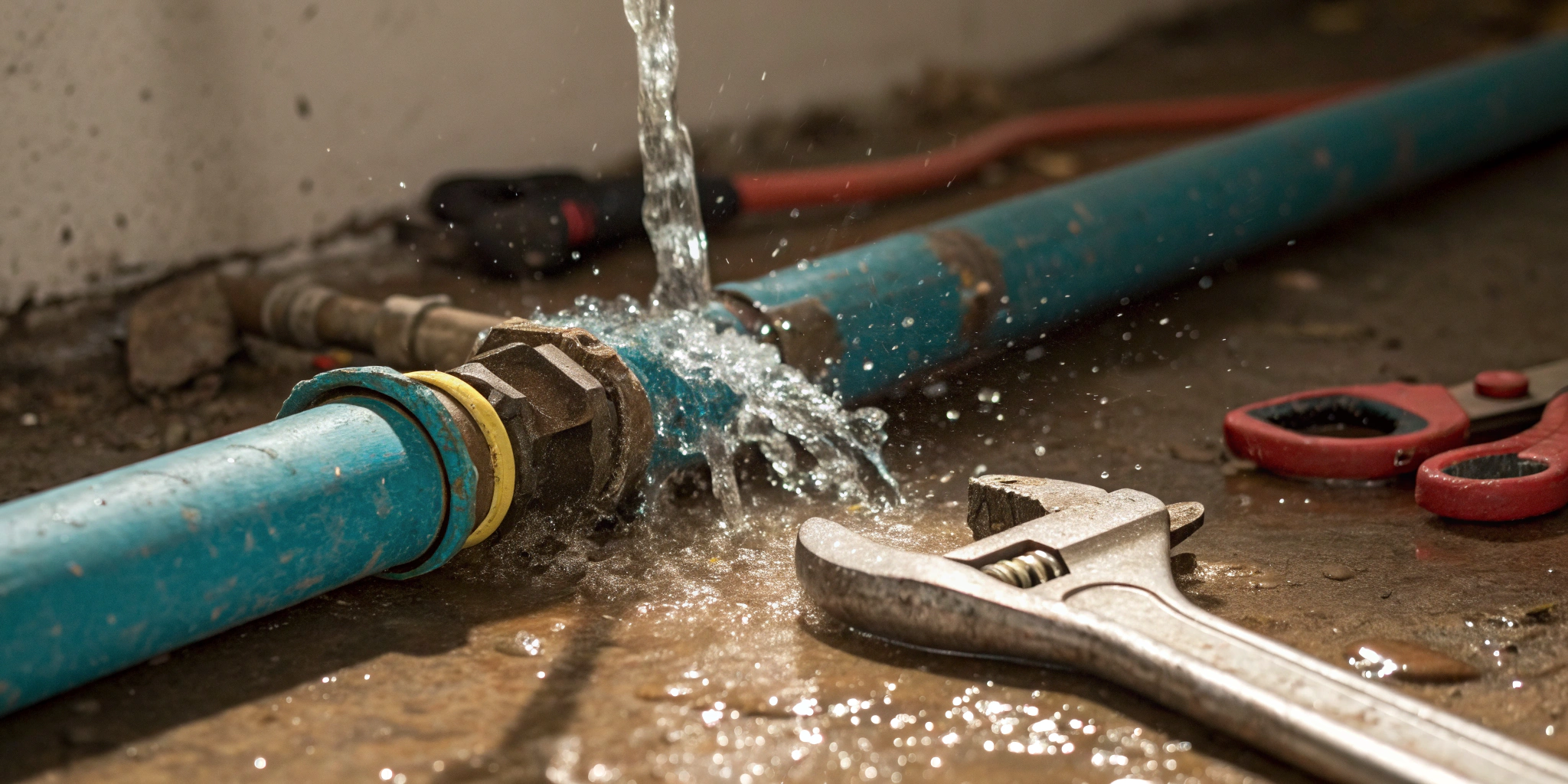
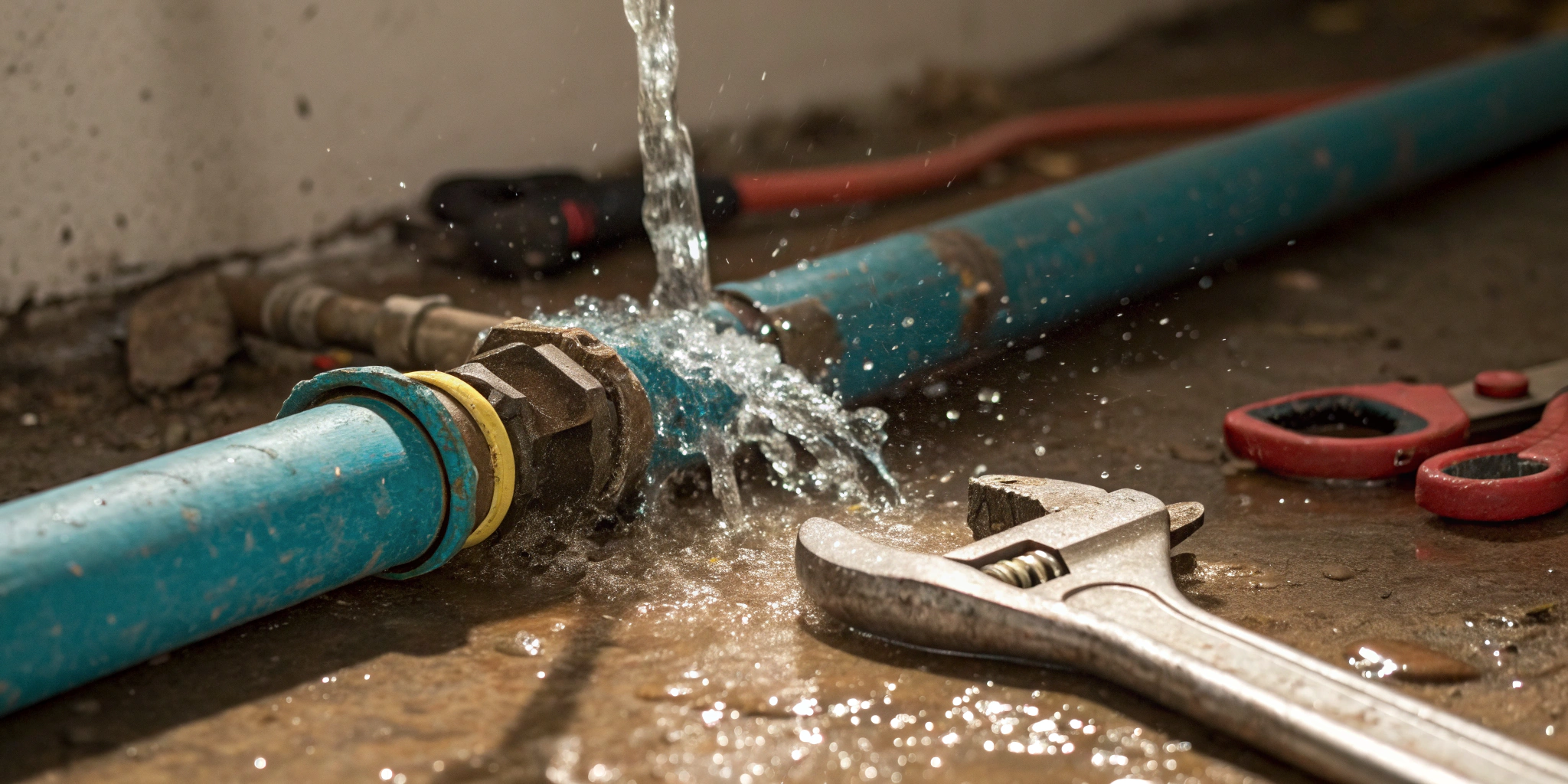
Mistakes will happen. You may cut a pipe too short, overheat a PPR joint, misplace a fitting, or forget a tool. Own your mistakes and learn from them. Hiding mistakes in plumbing is dangerous because water will expose them later, often after damage has already happened.
Safety Lessons Every Apprentice Should Learn Early
Plumbing can be risky if safety is ignored. Apprentices should learn safe habits from the beginning because bad habits are hard to remove later.
Use basic PPE such as gloves, safety boots, eye protection, and masks where needed. When working on construction sites, helmets and reflective jackets may also be required. Do not enter manholes, septic areas, tanks, or confined spaces without proper guidance and safety precautions.
Be careful around electrical equipment, water heaters, pumps, sharp tools, trenches, slippery floors, and heights. If a task feels unsafe, ask questions before doing it. No apprenticeship is worth serious injury.
Safety also affects employability. Serious contractors, NGOs, factories, hotels, and commercial clients prefer workers who understand safety. A plumber who ignores PPE may be rejected from formal sites even if they have technical skill.
Red Flags in a Plumbing Apprenticeship
Not every apprenticeship is worth staying in. Some people may use apprentices as cheap labour without teaching them anything. Others may teach poor habits that later limit your career.
One red flag is lack of learning. If you have been on site for months and are never allowed to touch tools, ask questions, or try simple tasks, you may not be growing.
Another red flag is unsafe work. If the trainer regularly ignores safety, enters dangerous spaces without precautions, or forces you to take risks, be careful.
Poor workmanship is also a concern. If the person training you uses shortcuts, hides leaks, cheats clients, or refuses to test work properly, you may learn habits that serious employers dislike.
You should also be cautious if there is no payment or support at all for a long period, especially when the trainer is earning from jobs. Training is valuable, but apprentices should not be exploited.
If you notice these signs, leave respectfully and look for a better place. Kenya has many plumbers, companies, and projects. The goal is to learn properly, not just to stay busy.
How to Turn Apprenticeship Into a Career
Treat your apprenticeship like school. Carry a notebook and write down what you learn. Record pipe sizes, fittings, tools, installation steps, common mistakes, and pricing lessons. Ask why things are done a certain way. A curious apprentice grows faster than one who only waits for instructions.
Take photos of work you helped with, but always ask for permission. Over time, these photos can become part of your portfolio. Include simple descriptions such as the location, type of work, materials used, and your role.
Save money for tools. Start small with a tape measure, pliers, pipe wrench, hacksaw, spirit level, and basic safety gear. Later, you can buy a pipe cutter, PPR welding machine, pressure testing pump, or other tools depending on the work you do most.
Aim for NITA trade testing when you are ready. Grade III can help you move from helper level to recognized artisan level. Grade II and Grade I can support better pay and supervisory opportunities later.
Build your reputation early. Keep time, avoid theft, respect clients’ homes, do not abuse alcohol on workdays, and communicate properly. In Kenya, one trusted client can refer you to many others.
As you grow, make yourself visible. Platforms such as The Real Plug help users find vetted professionals, service providers, and businesses in Kenya. For a young plumber building credibility, being associated with reviewed and visible platforms can support trust as you start taking small jobs.
How Much Can a Plumbing Apprentice Earn?
Apprentice pay in Kenya varies depending on the town, trainer, project, and your level of usefulness. In the first weeks, the payment may be small because you are mostly learning. Some trainers give a daily allowance, others pay weekly, and some provide meals or transport support.
As you become more useful, your earning potential improves. Once you can handle simple repairs, assist with installations, read basic measurements, and work without constant supervision, you may receive better daily pay. You may also start taking small weekend jobs, such as fixing taps, replacing fittings, unblocking sinks, or installing simple connections.
Do not focus only on the first payment. Focus on whether you are gaining skills that will pay later. Learning pump installation, PPR welding, drainage layout, or pressure testing can increase your value much more than staying in a place that pays slightly better but teaches nothing.
Documents and Proof That Help Apprentices Grow
Even as an apprentice, start building your professional file. Keep copies of your ID, school certificate, any TVET certificate, recommendation letters, NITA documents, and photos of work done.
Ask your trainer or supervisor for a simple recommendation after several months of good work. The letter should mention how long you worked, the tasks you handled, and your attitude. This can help when applying for jobs, attachments, or trade tests.
A simple portfolio can also help. It does not need to be fancy. A few photos, short project descriptions, and references can show that you are serious. Many employers prefer someone who can show proof of learning rather than someone who only says, “Najua kazi.”
You can also create a basic online presence once you start handling small jobs. A Google Business Profile, WhatsApp Business profile, or listing on The Real Plug can help future clients and employers verify your services as your experience grows.
Final Thoughts
Plumbing apprenticeships in Kenya are a practical way to learn the trade, earn as you grow, and build a career without waiting for a perfect opportunity. The path may start with carrying tools, digging trenches, and watching a senior fundi work, but it can lead to serious plumbing jobs, NITA certification, business ownership, and even overseas opportunities.
The most important thing is to choose where you learn carefully. Look for a trainer, company, or programme that teaches real skills, respects safety, and allows you to grow. Be patient in the beginning, but do not stay in a place where you are only being used.
Document your progress, ask questions, save for tools, pursue trade testing, and build a reputation for honesty and reliability. Kenya has many homes, schools, estates, hotels, farms, and county projects that need skilled plumbers. A good apprenticeship can be your first step into that market.
Start with the right attitude, learn properly, and treat the trade as a career from day one. Over time, you can move from apprentice to trusted plumber, and from trusted plumber to business owner.