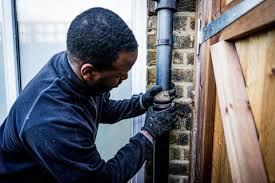


Hiring a plumber in Kenya is no longer just about finding someone who can join pipes or unblock a drain. Contractors, landlords, hotels, schools, factories, and facilities managers are becoming more careful about the people they bring onto their sites. A plumber who shows up with tools but cannot read a drawing, test a line, explain a quote, or follow safety rules may not last long on serious jobs.
In places like Kilimani, Syokimau, Westlands, Industrial Area, Mombasa, Kisumu, Nakuru, and Eldoret, plumbing work has become more technical. New buildings use modern fittings, booster pumps, solar water heaters, concealed systems, and better drainage designs. Clients also expect accountability because a small plumbing mistake can lead to expensive repairs, tenant complaints, water damage, or failed inspections.
That is why employers today are not only looking for strong hands. They want skilled, reliable, safety-conscious plumbers who can solve problems with minimal supervision. If you want better plumbing jobs in Kenya, higher pay, or more serious clients, these are the plumbing skills employers value most.
Reading and Understanding Plumbing Drawings
One of the most important plumbing skills in Kenya today is the ability to read and interpret drawings. On modern construction sites, especially in Nairobi, Kiambu, Mombasa, Nakuru, and Kisumu, plumbers are expected to work from approved layouts instead of guessing pipe routes.
A drawing can show where water lines should pass, where drainage pipes should run, where inspection chambers are located, and how bathrooms, kitchens, tanks, pumps, and meters connect. If you cannot read the plan, you may depend fully on the foreman or engineer to guide every step. That keeps you at helper level for longer.
Employers like plumbers who can look at a drawing and understand pipe sizes, slopes, fixture positions, and possible clashes with electrical or structural work. For example, if a drainage stack is placed wrongly in an apartment block in Ruiru, correcting it later may mean breaking tiles or walls. That costs money and delays other trades.
A plumber who can identify such issues early becomes valuable because they help prevent mistakes before they become expensive.
PPR, PVC, and HDPE Pipework Skills
Pipe materials have changed a lot in Kenya. PVC is still common for drainage and some water applications, but many new buildings now use PPR for hot and cold water lines. HDPE is also common in water mains, borehole systems, irrigation lines, and some drainage or infrastructure projects.
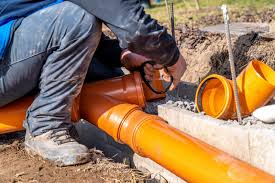
Employers want plumbers who understand these materials and can work with them properly. PPR welding, for example, looks simple until someone overheats the joint, misaligns the pipe, or creates a weak connection that leaks after the wall is closed. A clean PPR joint requires the right temperature, timing, alignment, and handling.
HDPE work can be even more sensitive. Butt fusion and electrofusion joints must be done correctly because a poor joint on a main water line can affect a whole estate, farm, school, or commercial project. In areas like Kajiado, Laikipia, Machakos, and Meru, where boreholes and irrigation systems are common, HDPE knowledge is a strong advantage.
If you can show proof that you have worked with PPR, PVC, uPVC, and HDPE systems, your chances improve with contractors and maintenance companies.
Installing Modern Fixtures and Plumbing Systems
Kenyan clients are no longer using only basic taps and ordinary toilets. Middle-class homes, apartments, hotels, offices, malls, and hospitals now install modern fixtures that need more care and skill.
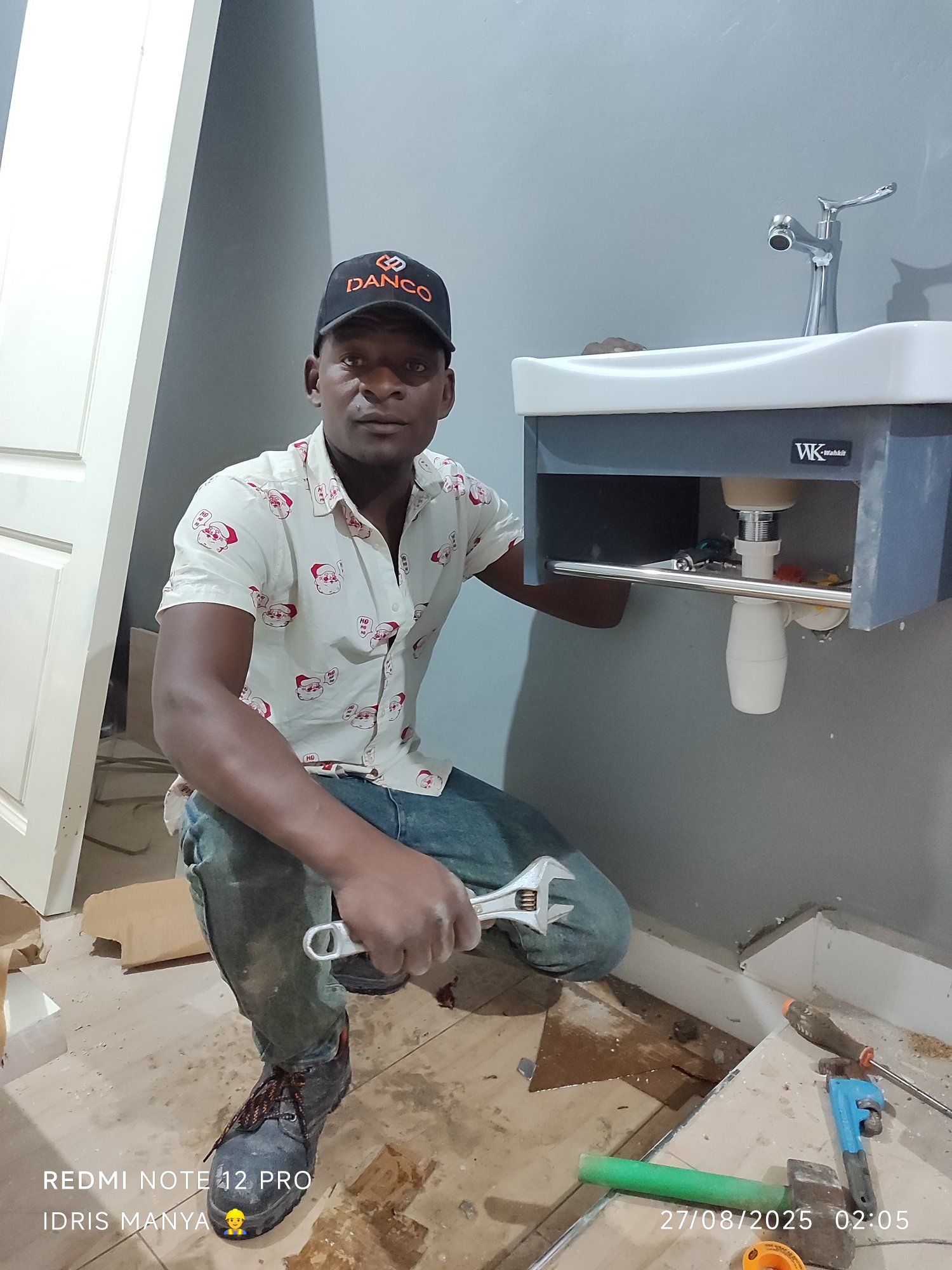
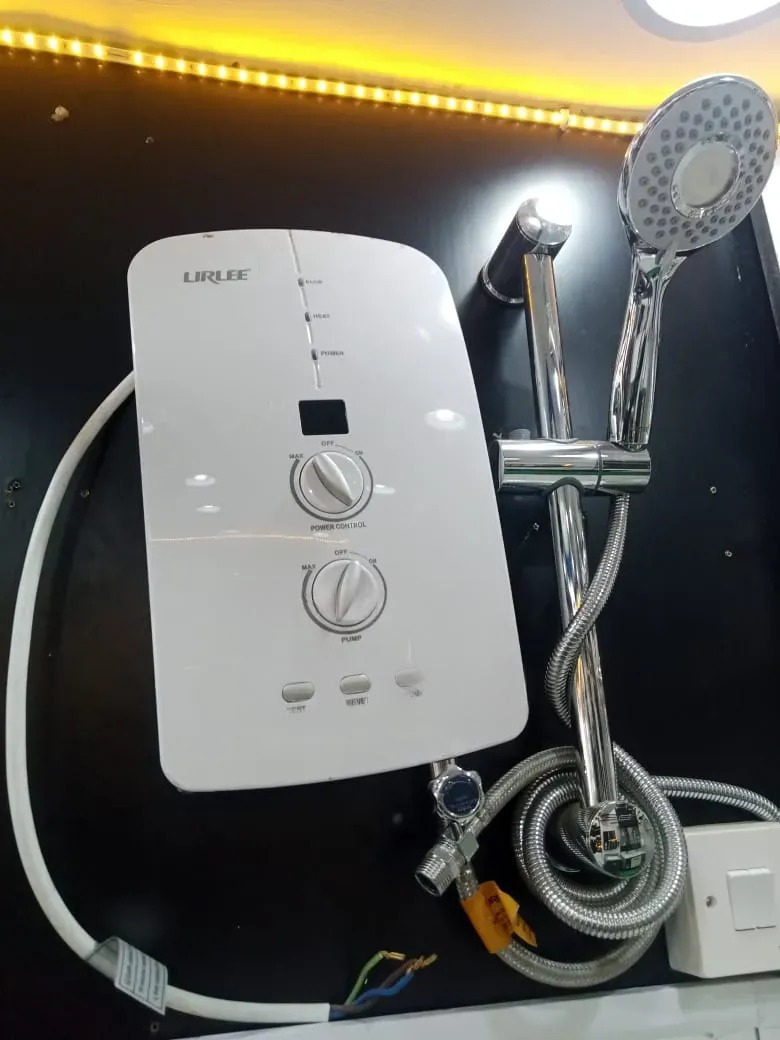
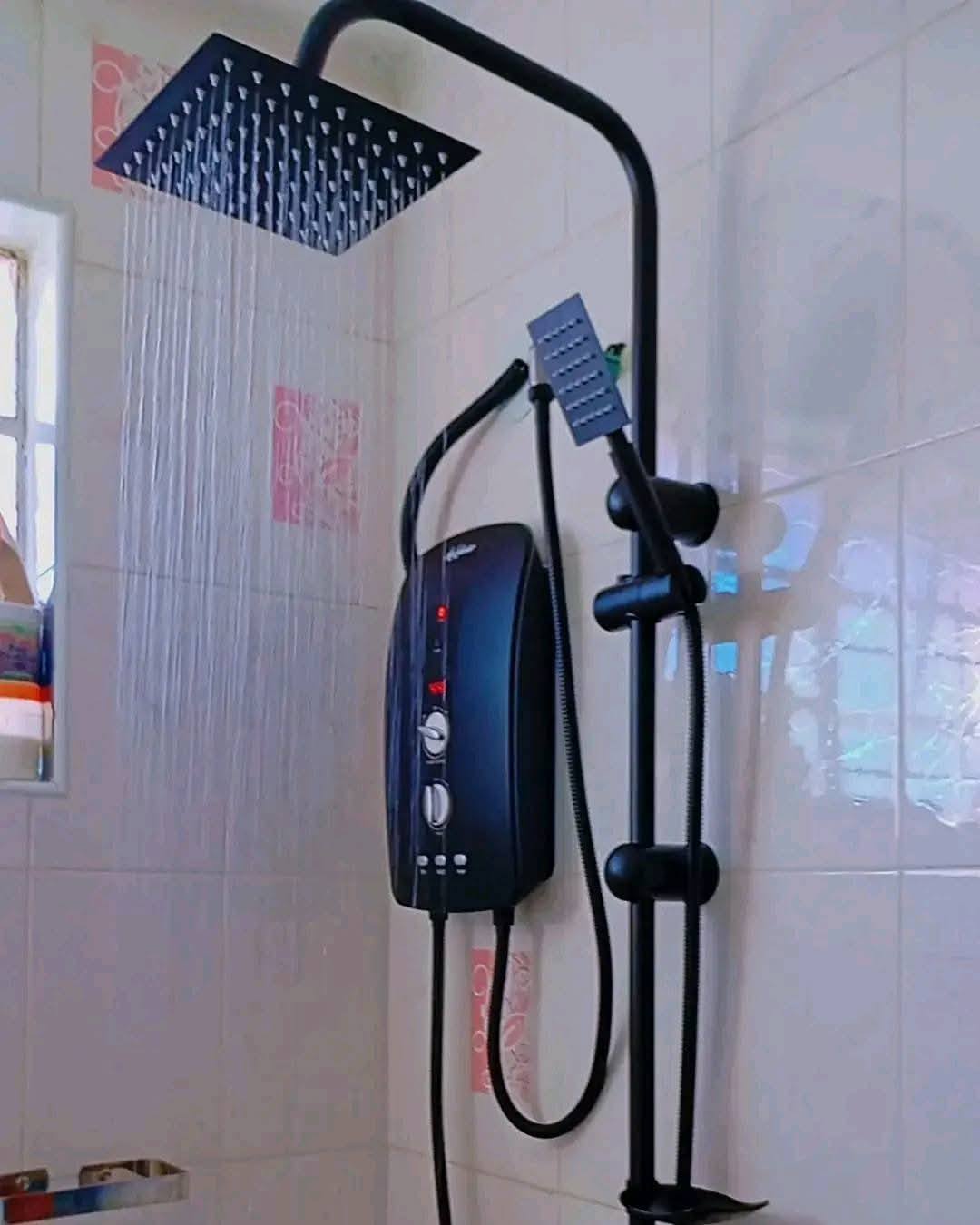
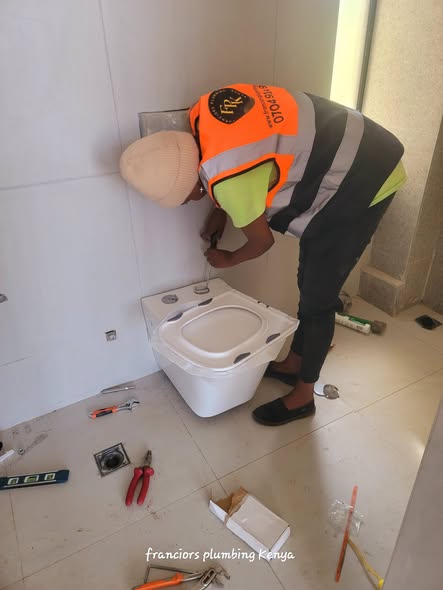
Employers value plumbers who can install concealed cisterns, wall-hung toilets, mixer showers, sensor taps, pressure pumps, solar water heaters, water filters, rainwater harvesting systems, and modern bathroom fittings. These systems require patience, correct measurements, and proper coordination with tilers, electricians, and other trades.
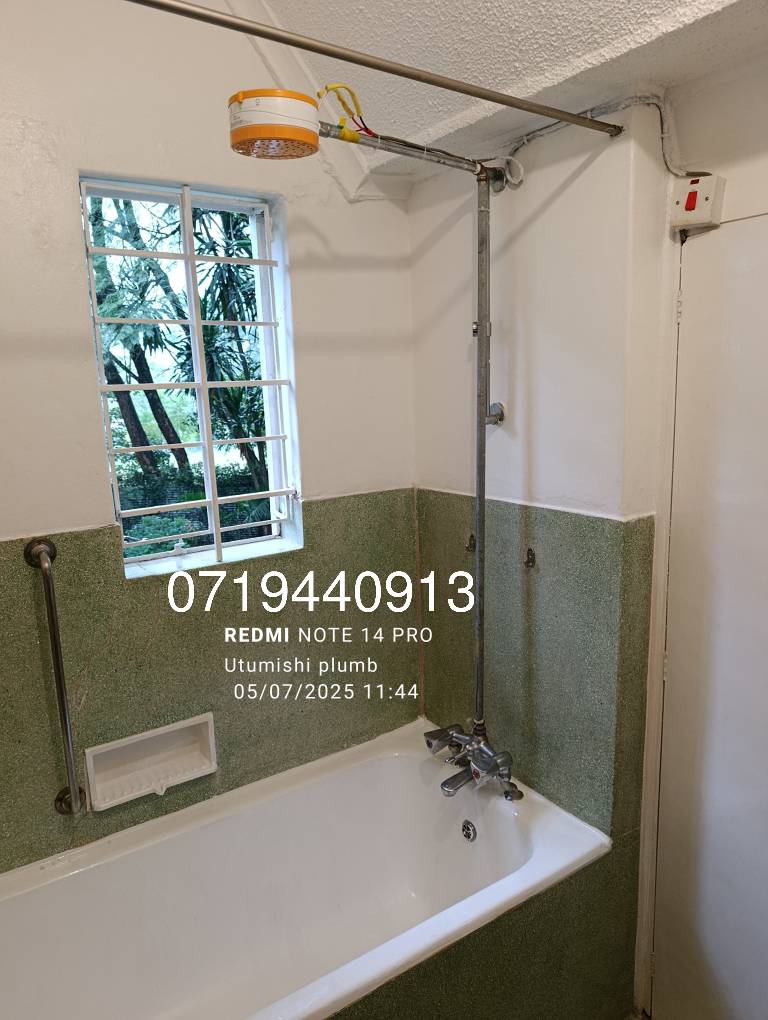
For example, installing a concealed cistern badly can lead to leaks hidden behind tiles. Fixing that mistake later can be expensive and embarrassing. A sensor tap in a commercial washroom may need both plumbing and basic electrical awareness. A solar water heater in Ngong or Kitengela must be connected properly to avoid leaks, pressure problems, or poor hot water flow.
A plumber who understands modern fittings can access better jobs because serious clients are willing to pay for someone who can install expensive items without damaging them.
Drainage, Sewer, and Wastewater Knowledge
Drainage problems are among the most common plumbing complaints in Kenya. Property managers in places like Pipeline, Donholm, Pangani, South B, Roysambu, and Mtwapa deal with blocked drains, bad smells, overflowing inspection chambers, and poor waste flow regularly.
Employers want plumbers who understand gradients, venting, pipe sizing, traps, inspection chambers, grease traps, and septic systems. It is not enough to pour chemicals into a blocked drain and hope for the best. A skilled plumber should identify why the blockage happened and advise the client on how to prevent it.
Restaurants, hotels, schools, and apartments need proper drainage because poor systems can create health risks and complaints. A commercial kitchen in Nairobi CBD, for example, may need a grease trap to prevent fats and oils from blocking the sewer line. A school in Kakamega may need properly designed toilets and drainage to serve many students throughout the day.
County by-laws, public health rules, and water service provider requirements also matter. Employers prefer plumbers who understand that sewer connections and drainage work must be done properly, not through shortcuts that later attract penalties.
Pump, Tank, and Water Pressure Skills
Water storage is part of daily life in Kenya. Many homes, apartments, schools, hotels, and offices depend on tanks and pumps because municipal water supply is not always consistent. That makes pump and tank installation one of the most useful plumbing skills in Kenya.
Employers look for plumbers who can install rooftop tanks, underground tanks, booster pumps, float switches, pressure controls, non-return valves, and distribution lines. They also want someone who understands basic pressure issues.
A pump that is too weak may fail to supply upper floors in an apartment. A pump that is too powerful can damage fittings, cause water hammer, or create leaks. Poorly supported tanks can become a safety risk. Wrong pipe sizing can reduce flow and frustrate users.
If you understand head, flow rate, pressure balancing, tank placement, and basic pump troubleshooting, you become more useful to contractors, landlords, schools, and property managers.
Leak Detection and Pressure Testing
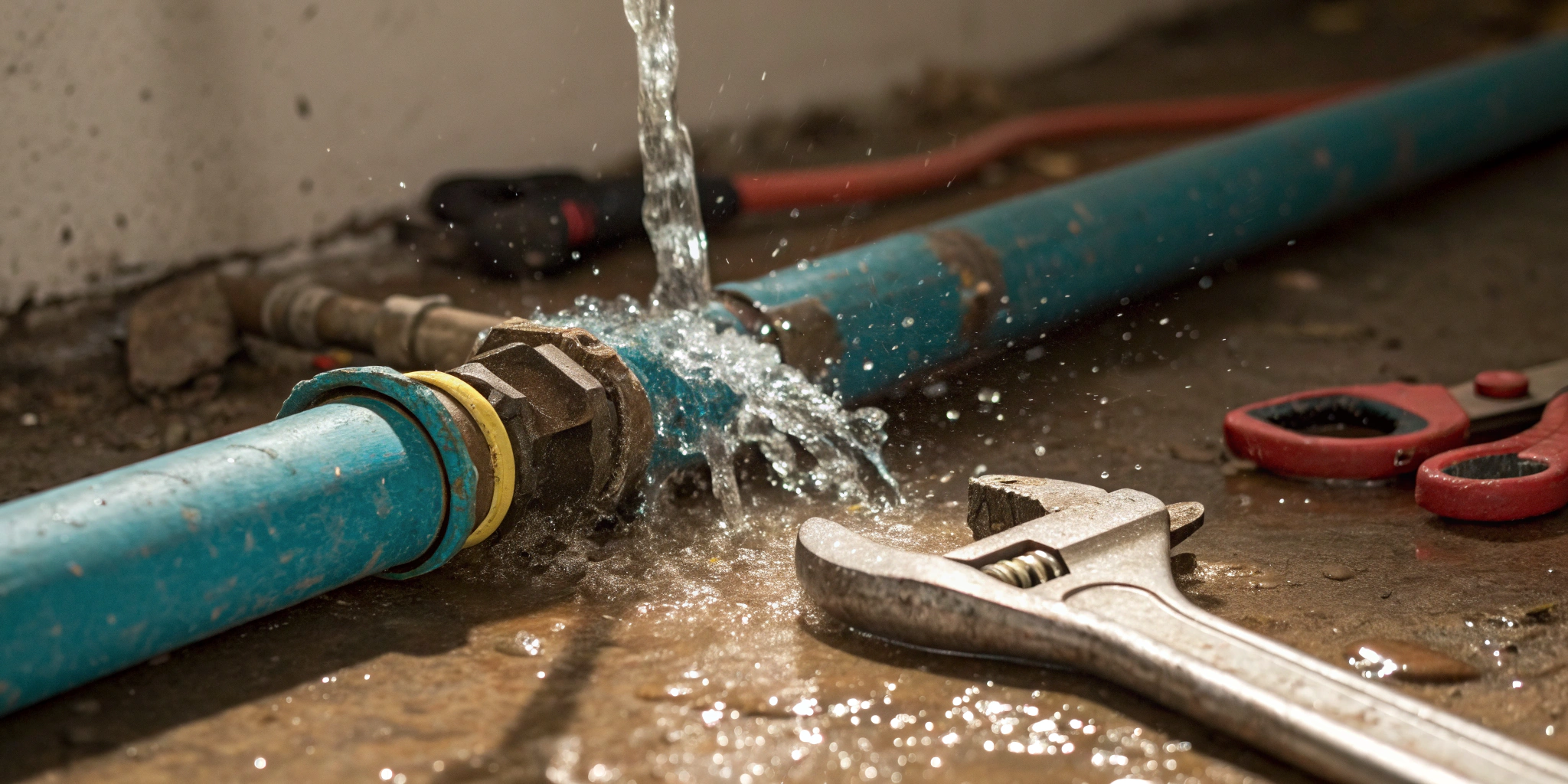
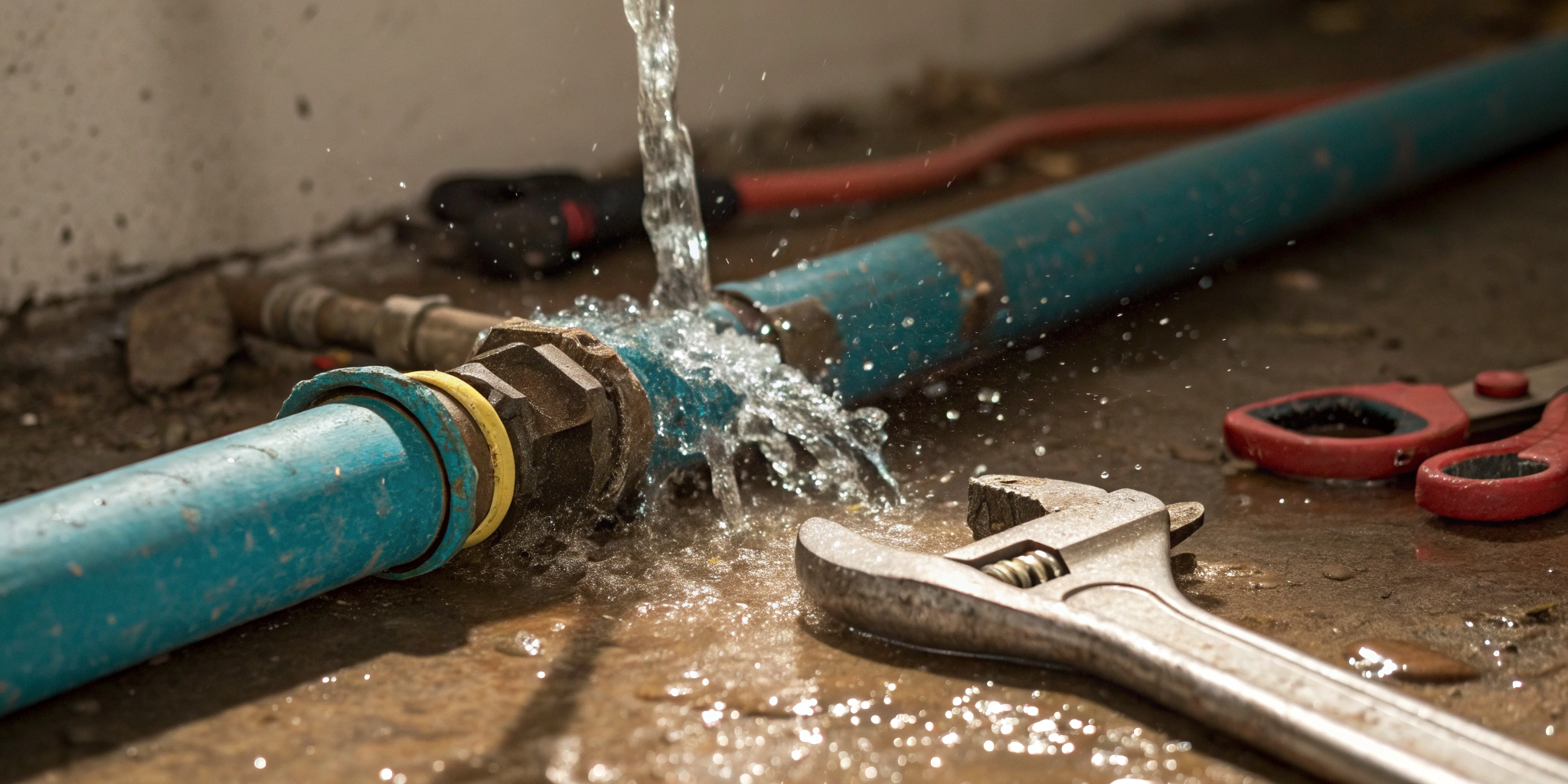
A professional plumber should not wait for leaks to appear after the client moves in. Pressure testing is one of the key skills employers want because it helps confirm that a system is safe before walls are plastered, floors are tiled, or ceilings are closed.
On construction sites, water lines should be tested and monitored for pressure loss. A plumber should know how to use a pressure testing pump, hold the test for the required period, check joints, and record results. This protects the contractor and the client.
Leak detection is also valuable in maintenance work. In high-end homes, apartments, hotels, and offices, you cannot simply start breaking walls to find a leak. A careful plumber uses observation, logic, moisture signs, pressure tests, and, where available, leak detection tools to narrow down the problem.
Clients in areas like Kileleshwa, Westlands, Nyali, Karen, and Runda may have expensive tiles, cabinets, gypsum ceilings, or wood finishes. They want plumbers who can solve problems with minimal damage. That skill builds trust quickly.
Knowledge of Building Rules and Compliance
Employers working on formal projects need plumbers who understand compliance. This includes basic knowledge of county rules, water service provider requirements, NCA expectations, public health concerns, and project specifications.
You do not need to be a lawyer or engineer, but you should know when a job requires approval, inspection, or supervision. Water meter connections, sewer connections, septic systems, commercial kitchens, public washrooms, and large developments may have rules that must be followed.
A plumber who ignores regulations can cause problems for the employer. Work may be rejected, clients may be fined, or systems may need to be redone. On county, NGO, school, hospital, and commercial projects, this can damage the contractor’s reputation.
Having NITA certification, NCA registration where relevant, and proof of training can also help. Employers bidding for formal work often need to show that their workers are qualified. Papers do not replace skill, but they open doors.
Safety Awareness and Proper Use of PPE
Safety is becoming more important on Kenyan construction and maintenance sites. Employers do not want workers who ignore helmets, gloves, boots, harnesses, masks, and safe work procedures. One accident can stop a site, cause injury, create legal problems, and increase project costs.
Plumbers face many risks. They may work in manholes, confined spaces, rooftops, slippery bathrooms, pump rooms, trenches, and areas near electrical equipment. Sewer work can expose workers to harmful gases and waste. Working on tanks or roofs can lead to falls. Handling pumps and water heaters can involve electrical risks.
Basic safety training, first aid knowledge, and OSHA awareness can make you stand out. Even if you do not have advanced certificates, show employers that you take safety seriously. Wear PPE, follow instructions, report hazards, and do not take dangerous shortcuts.
Professional clients, especially NGOs, factories, malls, hotels, and large contractors, are more likely to hire plumbers who respect safety procedures.
Accurate Quoting and Material Estimation
Many employers lose money because workers cannot estimate materials properly. A plumber may underquote a job, forget key fittings, waste materials, or force the employer to make repeated trips to the hardware. This delays work and reduces profit.
Accurate quoting is a valuable skill. A good plumber can visit a site, measure properly, list materials, estimate labour, identify risks, and explain what is included. This does not mean guessing prices from memory. It means understanding the job before giving figures.
For example, plumbing a two-bedroom rental unit is different from plumbing a maisonette with solar water heating and multiple bathrooms. Repairing an old drainage line in Eastleigh may require more time than installing a new line on an open site in Kitengela.
Employers appreciate plumbers who can prepare clear material lists, avoid wastage, and help clients understand costs. This skill becomes even more important if you want to move into supervision or start your own plumbing business.
Communication and Client Handling
Plumbers do not only work with pipes. They work with people. You may enter a family home, a school compound, a hotel room, an office, or a tenant’s apartment. How you speak and behave matters.
Employers want plumbers who can explain problems clearly without confusing or scaring the client. A good plumber can say, “This pipe is old and corroded. We can patch it today, but it may leak again. Replacing this section will cost more now but reduce repeat repairs.” That kind of explanation helps clients make informed decisions.
Clear WhatsApp updates, photos, simple reports, and polite communication are now part of the job. If you are delayed, say so. If the job needs extra material, explain before buying. If you discover a bigger problem, show evidence.
Good communication reduces disputes. It also makes clients more likely to call the same company again.
Reliability and Time Management
In Kenya, many clients complain that fundis promise to come and then disappear. Employers know this problem very well. A plumber who keeps time is already ahead of many competitors.
On construction sites, delays affect other trades. If plumbing is not ready, tilers, plasterers, electricians, and painters may also be delayed. In maintenance work, a late plumber can frustrate tenants, hotel guests, or business owners.
Reliability means arriving when agreed, finishing within a reasonable time, communicating delays, and not abandoning work halfway. It also means being reachable after completing a job, especially if follow-up is needed.
This skill sounds simple, but it is one of the biggest reasons employers keep certain plumbers and avoid others.
Problem-Solving Under Pressure
Plumbing problems often happen at the worst time. A pipe bursts in a hotel at night. A school’s toilets block on Monday morning. A pump fails during water rationing in an apartment block. A restaurant sink blocks during lunch service.
Employers want plumbers who can stay calm, isolate the issue, offer safe options, and communicate clearly. Panic does not help. Guesswork can make things worse.
Problem-solving improves with experience, but attitude matters too. Instead of saying, “Haiwezekani,” a professional plumber looks for a practical temporary solution while planning the permanent repair. For example, isolating one section of a building so the rest still has water can reduce disruption.
This is the kind of thinking that makes a plumber valuable in facilities management, hotels, schools, hospitals, and apartment maintenance.
How to Prove Your Plumbing Skills to Employers
Having skills is not enough. You need proof. Start by preparing a simple CV that clearly states your experience, training, certificates, and key skills. Do not only write “plumber.” Be specific.
You can say you have experience in PPR installation, HDPE pipework, drainage, pump installation, pressure testing, bathroom fittings, maintenance, or reading drawings. Mention the types of projects you have handled, such as apartments, schools, hotels, homes, farms, or commercial buildings.
Create a small portfolio with photos of your work. Include short descriptions showing the location, type of job, materials used, and challenge solved. Keep copies of NITA certificates, safety training, recommendation letters, and any NCA registration where applicable.
Employers and clients value verified proof. Platforms such as The Real Plug help users find vetted professionals, service providers, and businesses in Kenya. For plumbers, a visible profile with real reviews and documented services can make it easier for serious clients or employers to trust your work.
How to Build the Skills You Are Missing
No plumber starts with every skill. The important thing is to keep improving. If you do not know how to read drawings, ask a site supervisor or experienced plumber to teach you the basics. If you have never done PPR welding properly, practise under someone who knows the correct method.
Look for short courses at technical institutions, vocational training centres, suppliers, and product demonstrations. Some suppliers offer training on pumps, fittings, tanks, valves, and modern plumbing products. County youth programmes and TVET institutions may also provide affordable training.
Work under people who are better than you. It may pay less at first, but the skills you gain can increase your future income. A plumber who learns pump systems, drainage design, or pressure testing can later charge more than someone who only handles small repairs.
Also practise soft skills. Write quotes even for small jobs. Take before and after photos. Send clients updates. Keep records. These habits make you look professional before you even apply for bigger jobs.
Final Thoughts
The plumbing skills employers want most in Kenya go beyond joining pipes. Technical ability is important, but it must be combined with safety, communication, documentation, time management, and problem-solving.
Employers want plumbers who can read drawings, work with modern pipe materials, install pumps and tanks, handle drainage properly, test systems, follow rules, and explain issues clearly to clients. They want people who reduce problems, not workers who create more.
If you are serious about plumbing as a career, start improving one skill at a time. Get certified, practise pressure testing, learn modern systems, build a portfolio, and become reliable. Kenya’s construction and maintenance market is growing, but the best opportunities will go to plumbers who can prove their value.
A good plumber is not just someone with tools. A good plumber is someone employers can trust to do the job right, safely, and professionally.