

Residential plumbing jobs in Dubai may sound simple from the outside. A tap leaks, a drain blocks, a water heater stops working, and a plumber is called to fix it. But anyone who has worked in Dubai’s residential buildings knows the reality is more detailed than that. The city has high-rise apartments, luxury villas, older residential blocks, serviced apartments, staff accommodation, gated communities, and thousands of units managed by strict property companies.
For Kenyan plumbers looking at work opportunities in the UAE, residential plumbing can be a stable path. It is hands-on, practical, and often more structured than casual plumbing work back home. But it also comes with pressure. You must work under company procedures, follow building rules, respect tenants’ homes, document your work, and understand systems that may be different from what you have handled in Kenya.
This guide explains what residential plumbing jobs in Dubai actually involve, the skills employers look for, the working conditions, salary expectations, common challenges, and what Kenyan plumbers should know before accepting a contract.
Understanding Residential Plumbing Jobs in Dubai
Residential plumbing in Dubai covers plumbing work done in homes and residential properties. This includes apartments, villas, townhouses, serviced residences, staff housing, and rental buildings. The work can involve installation, maintenance, repairs, inspections, emergency response, and system upgrades.
A plumber may work in an older building in Deira, a family villa in Mirdif, a tower apartment in Dubai Marina, or a managed community in Jumeirah Village Circle. Each place has different expectations. Older buildings may have worn-out fittings, corroded pipes, repeated blockages, and water pressure issues. Newer apartments may have concealed cisterns, modern mixers, central water heating, pressure pumps, smart meters, or leak detection systems.
Unlike informal repair work in many parts of Kenya, residential plumbing in Dubai is usually done under licensed companies. A plumber is normally employed by a maintenance company, facility management firm, construction contractor, or technical services provider. The company receives work orders, assigns jobs, provides materials, and takes responsibility for the quality of work.
This formal structure is important because a plumbing mistake in a Dubai apartment can affect more than one household. A leak from one unit can damage ceilings, walls, furniture, electrical fittings, and neighbouring apartments below. That is why property managers and landlords take plumbing work seriously.
Main Types of Residential Plumbing Work in Dubai
Residential plumbing jobs in Dubai usually fall into three main areas: installation, maintenance, and emergency repairs. A plumber may specialize in one area or handle all three depending on the employer.
New installations and renovations
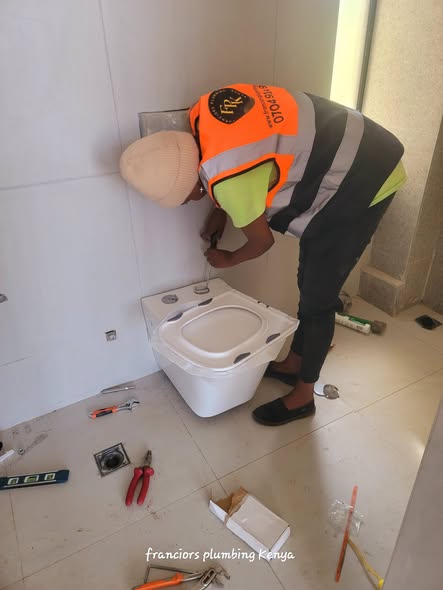
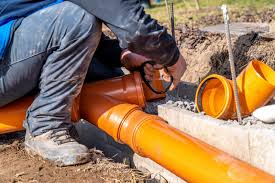
Installation work happens during new construction, apartment fit-outs, villa renovations, bathroom upgrades, kitchen remodeling, or water system improvements. Plumbers install water supply lines, drainage pipes, sanitary fittings, water heaters, pumps, valves, floor drains, and fixtures.
This type of work requires reading drawings, measuring accurately, following specifications, and coordinating with electricians, tilers, HVAC technicians, and site supervisors. For example, a bathroom renovation cannot move smoothly if the plumber delays pipework before waterproofing and tiling. One mistake can force other trades to redo their work.
Pressure testing is also important. Pipes are tested before walls and floors are closed. If a leak is discovered after tiles are installed, the repair becomes expensive and frustrating for everyone.
Maintenance and routine repairs
Maintenance forms a large part of residential plumbing work. Many plumbers in Dubai spend their day responding to tenant complaints logged through building management systems, phone calls, apps, or maintenance offices.
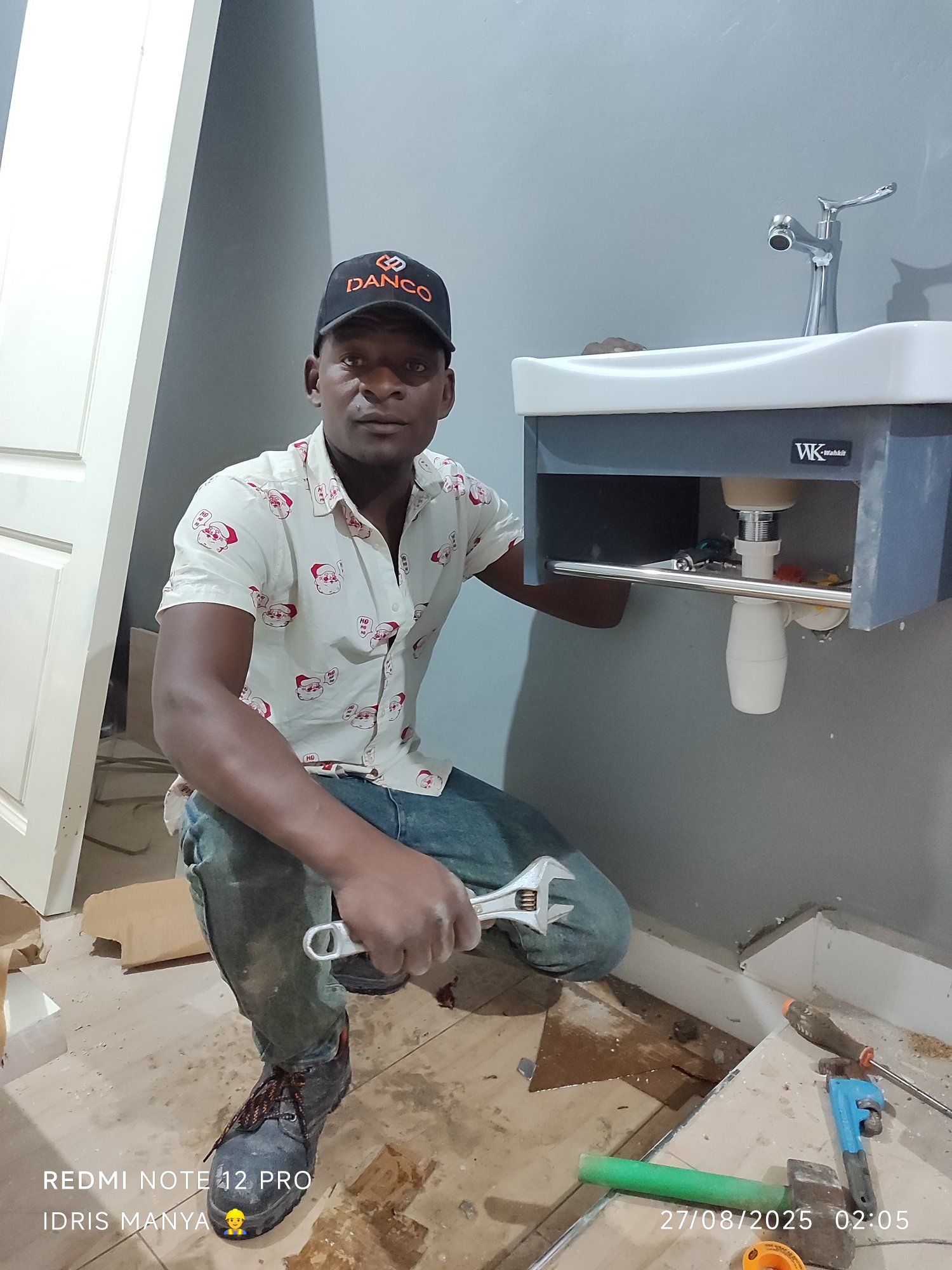
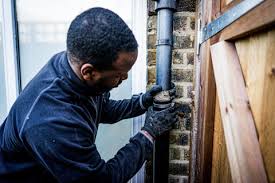
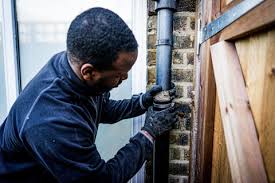
Common jobs include fixing leaking taps, clearing blocked sinks, repairing toilets, replacing flush mechanisms, solving low water pressure, servicing water heaters, replacing flexible hoses, repairing valves, and checking drainage smells.
In Kenya, a homeowner may call a plumber directly and negotiate on the spot. In Dubai, the plumber often receives a work order with the tenant’s complaint, apartment number, time slot, and job details. After the work is completed, the tenant may be asked to sign off or confirm completion through the building system.
Emergency plumbing callouts
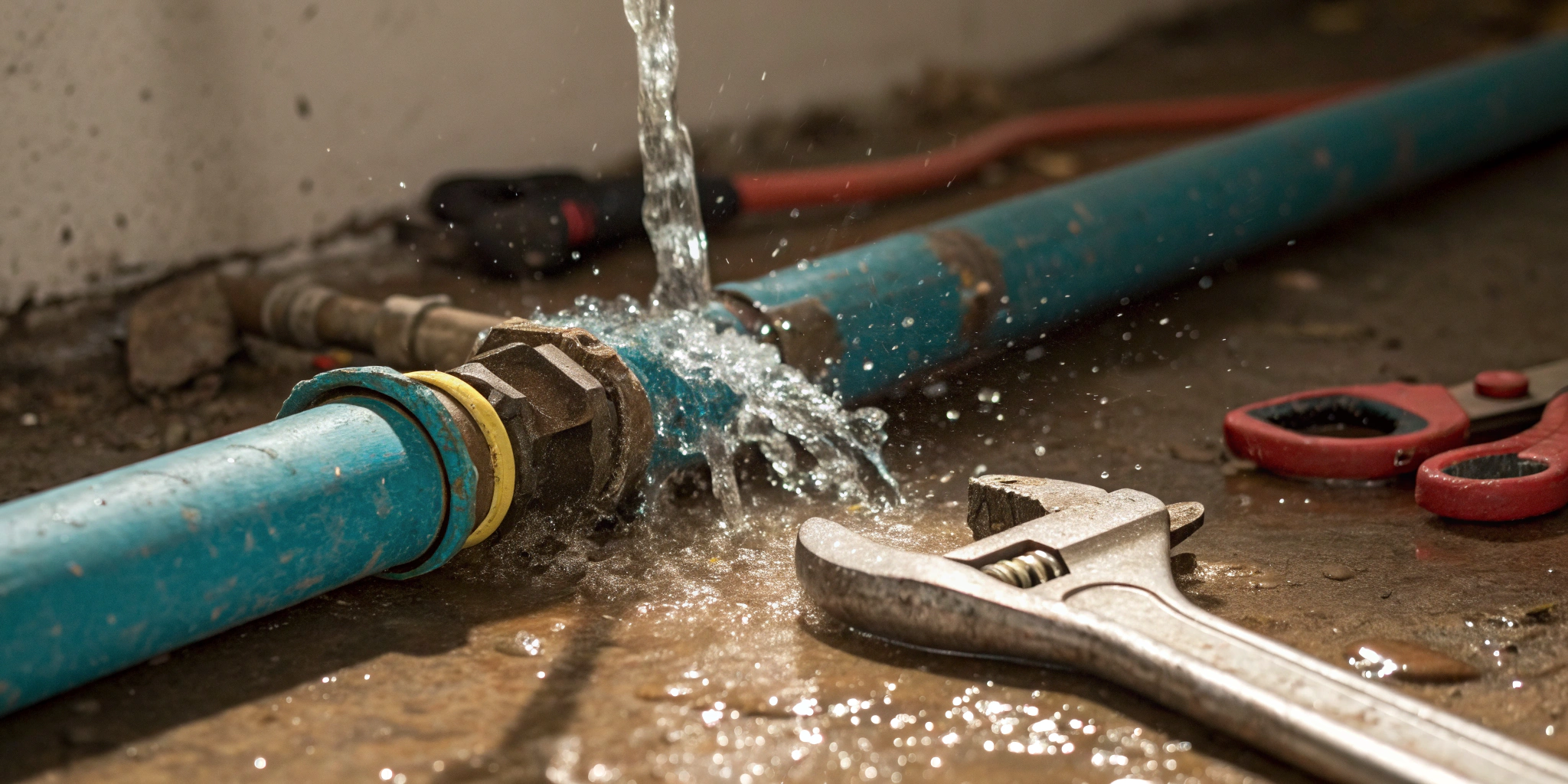
Emergency plumbing is a serious part of residential work in Dubai. A burst pipe in a high-rise apartment can cause water to flow into units below within minutes. A failed water heater, leaking ceiling, blocked main drain, or pump failure can quickly become a major complaint.
Some companies keep plumbers on standby for emergency shifts, including evenings, weekends, and public holidays. Response time matters because property managers do not want small issues becoming insurance claims or tenant disputes.
Emergency work can be stressful because the plumber must act fast while still following proper procedure. You need to isolate the water supply, identify the source, prevent further damage, document the issue, and repair it safely.
Daily Tasks Residential Plumbers Handle
A typical day for a residential plumber in Dubai depends on whether the employer handles villas, apartment towers, staff accommodation, or mixed properties. However, many daily tasks are similar.
You may start by collecting work orders from the supervisor. The list might include a leaking bathroom mixer, a blocked kitchen sink, a faulty water heater, a slow-draining shower, a low-pressure complaint, and a ceiling leak reported from another apartment.
The work requires both technical ability and patience. Some tenants may be calm and cooperative. Others may be frustrated because they have already reported the issue several times. You must enter the home respectfully, explain what you are checking, protect the work area, complete the repair, clean up, and report the outcome.
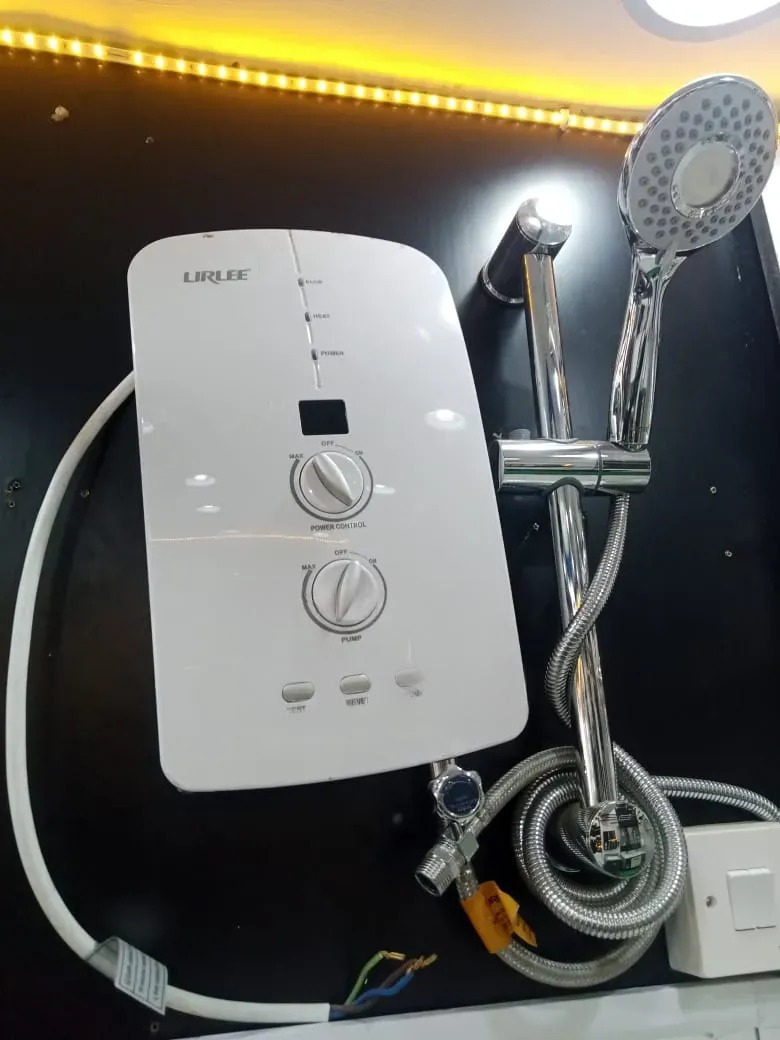
Scale buildup is common in many plumbing systems, so plumbers often deal with blocked aerators, weak flow from mixers, water heater sediment, and fittings that wear out faster than expected. Flexible hoses, angle valves, flush valves, cartridges, and washers are common replacement items.
In villas, the work can be broader. You may handle outdoor taps, garden irrigation lines, roof tanks, booster pumps, underground leaks, swimming pool connections, and external drainage. Outdoor work can be challenging during the hot months, especially when temperatures are high.
Skills Needed for Residential Plumbing Jobs in Dubai
Residential plumbing jobs in Dubai require more than basic pipe repair. Employers usually look for plumbers who can work independently, follow instructions, and handle modern fittings.
Important technical skills include pipe installation, leak repair, drainage cleaning, sanitary ware installation, water heater maintenance, pump system support, pressure testing, valve replacement, and basic fault diagnosis. Knowledge of PPR, PVC, uPVC, copper, PEX, and multilayer pipes can be useful depending on the company.
Reading drawings is a strong advantage, especially for installation and renovation work. You do not need to be an engineer, but you should understand pipe routes, symbols, measurements, and fixture locations.
Basic electrical awareness can also help when dealing with water heaters and pumps. This does not mean doing electrical work beyond your role. It means knowing when a problem may involve a thermostat, isolator, breaker, pump controller, or electrical supply so the right technician can be called.
Soft skills matter a lot. In residential plumbing, you enter people’s homes. You must be polite, clean, punctual, and careful with property. A plumber who fixes the leak but leaves dirt, scratches tiles, or argues with tenants may create complaints for the company.
Legal and Company Requirements
To work legally as a residential plumber in Dubai, you should be employed under the correct company process and work authorization. Most plumbers work under technical services companies, facility management firms, maintenance contractors, or construction companies. Freelance plumbing without proper approval can create legal and employment problems.
The employer is usually responsible for processing the work permit, visa, medical checks, Emirates ID procedures, and company-related approvals. The worker must provide genuine documents and follow the legal process.
For Kenyan plumbers, documents may include a valid passport, CV, trade certificates, NITA certificate if available, experience letters, passport photos, and medical clearance where required. Some employers may also request certificate attestation depending on the role.
Before travelling, confirm the job title, salary, accommodation, transport, working hours, overtime policy, probation period, and contract duration. Do not rely only on verbal promises from an agent or recruiter.
Salary Expectations and Benefits
Pay for residential plumbing jobs in Dubai depends on experience, company size, skill level, and whether the role is junior, technician, senior plumber, or supervisor. Entry-level plumbers and helpers usually earn less, while experienced technicians who can diagnose problems, handle high-end fittings, communicate with tenants, and complete work with minimal supervision may earn more.
Many companies provide shared accommodation and transport to work sites. Medical cover is usually part of formal employment. Some employers provide uniforms, tools, and safety gear, while others expect workers to have some basic personal tools. Food may be provided, given as an allowance, or left to the employee depending on the contract.
When comparing offers, do not look at salary alone. A slightly lower salary with accommodation, transport, medical cover, and overtime can sometimes be better than a higher salary where you cover many expenses yourself.
Also ask when salaries are paid and whether overtime is included or paid separately. Residential plumbing can involve emergency calls, so overtime terms should be clear before you accept the job.
Working Conditions and Real Challenges
Residential plumbing in Dubai can be rewarding, but it is not easy. The work is physical, and the weather can be harsh. Outdoor jobs during the hotter months can be tiring, especially when working on roof tanks, external pipes, pump areas, or villa compounds.
High-rise work also has its own challenges. Tools and materials must be moved through service lifts, building access rules must be followed, and noisy work may be restricted during certain hours. Some buildings do not allow drilling or heavy work in the evening because of tenant comfort.
Another challenge is documentation. In many Dubai companies, plumbers must take photos before and after work, record materials used, update job cards, and get tenant or supervisor approval. For someone used to informal work in Kenya, this paperwork may feel unnecessary at first. However, it protects the plumber and the company if a complaint comes later.
Customer expectations can also be high. Tenants may expect quick response, clean work, and clear explanations. Property managers may follow up closely. A technician who arrives late, leaves a mess, or fails to communicate may receive complaints even if the technical repair was done.
Common Mistakes New Plumbers Make in Dubai
One common mistake is assuming that plumbing work in Dubai is the same as casual repair work in Kenya. The tools, materials, reporting systems, and customer expectations may be different. You need to adapt quickly.
Another mistake is ignoring building rules. Some apartments require security access, work permits, noise timing approvals, or management permission before repairs begin. Entering a unit or starting work without following procedure can cause problems for your employer.
Poor communication is another issue. If a repair will take longer than expected, tell the supervisor or tenant. If a part is not available, report it clearly. Silence creates frustration and complaints.
Some plumbers also fail to protect finishes. Dubai homes may have expensive tiles, cabinets, glass, marble, and sanitary ware. A careless scratch or broken fitting can become a serious issue. Always work neatly and protect surfaces where possible.
What Kenyan Plumbers Should Do Before Applying
If you are a Kenyan plumber interested in residential plumbing jobs in Dubai, start by strengthening your skills and documents. Get formal certification if possible. A NITA trade test certificate or technical training certificate can support your application. Collect experience letters from contractors, landlords, schools, hotels, or companies you have worked with.
Build a simple portfolio with photos of your work. Include bathroom installations, kitchen plumbing, drainage repairs, water tank systems, pump installations, and neat pipework. Employers are more likely to trust your experience when they can see proof.
Learn about materials commonly used in the Gulf, including PPR, uPVC, copper, PEX, and multilayer pipes. Practise reading basic drawings and understanding pressure testing. If you can take a short course in water heater maintenance, pump systems, or facility maintenance, it may improve your chances.
Be careful when dealing with recruitment agents. Use licensed agencies, verify job offers, and avoid large upfront payments. Platforms such as The Real Plug can help users find vetted professionals, service providers, and businesses in Kenya. This can be useful when researching training providers, documentation support, or legitimate businesses before making decisions about overseas work.
Advice for Tenants and Property Owners Hiring Plumbers in Dubai
For tenants and property owners in Dubai, licensed plumbing service matters. Hiring an unapproved handyman may look cheaper, but it can become expensive if the repair fails or causes water damage. Some buildings require all maintenance work to go through approved contractors. Ignoring that rule can lead to fines, insurance issues, or disputes with building management.
Before allowing work, confirm whether the plumber is from an approved company. Ask for a clear quote where possible, especially for non-emergency jobs. Check whether the repair includes labour, materials, callout charges, and warranty.
For landlords managing property remotely, documentation is important. Ask for photos, invoices, and a brief explanation of the repair. This helps you track recurring issues and avoid paying repeatedly for the same problem.
The same habit of verification applies in Kenya too. When comparing plumbers, contractors, or service providers locally, platforms such as The Real Plug can help users find vetted professionals and businesses, making it easier to choose providers with a more trustworthy record.
Career Growth in Residential Plumbing
Residential plumbing can lead to better opportunities if you take it seriously. A plumber who starts with basic maintenance can grow into a senior technician, team leader, supervisor, site coordinator, or facility maintenance specialist. Those who learn customer service, reporting, drawings, and fault diagnosis often move faster than those who only do basic repairs.
Experience in Dubai can also help when returning to Kenya. A plumber who has worked in managed buildings, high-rise apartments, villas, and modern systems can use that experience to serve developers, hotels, property managers, and homeowners back home.
The key is to keep learning. Do not only focus on salary. Learn how companies manage maintenance, how work orders are handled, how materials are tracked, how safety is enforced, and how customer complaints are resolved. Those lessons are valuable in any market.
Final Thoughts
Residential plumbing jobs in Dubai involve much more than fixing leaks. The work requires technical skill, discipline, customer service, safety awareness, and the ability to follow formal procedures. Plumbers may handle apartments, villas, water heaters, pumps, drainage systems, concealed fittings, emergency repairs, and tenant complaints, often under tight timelines.
For Kenyan plumbers, Dubai can offer steady work and useful international experience, but preparation matters. Build your skills, organize your documents, verify employers, and understand the working conditions before travelling. Avoid shortcuts and make sure the contract terms are clear.
For tenants and property owners, the lesson is simple: use licensed professionals and keep records. Plumbing mistakes can be costly, especially in multi-storey buildings where one leak affects several homes.
Dubai rewards plumbers who are precise, reliable, and professional. If you can combine strong hands-on skill with good communication and careful work habits, residential plumbing can become a solid career path.