

In Kenya, many plumbing jobs still start with a recommendation. Someone asks a hardware owner in Thika, a caretaker in Donholm, a contractor in Kitengela, or a neighbour in Nyeri, “Do you know a good plumber?” A name is shared, a phone call is made, and the conversation quickly moves to price.
But today’s clients are becoming more careful. Homeowners, landlords, developers, hotels, schools, NGOs, and property managers do not want to rely on a phone number alone. They want proof. They want to see the type of work you have done, how neat your installations are, whether you understand proper materials, and whether other clients trusted you before.
That is where a professional plumbing portfolio comes in. A plumbing portfolio in Kenya is not just a collection of photos. It is a practical tool that shows your skill, experience, reliability, service areas, and professionalism. Whether you are a solo fundi, a small plumbing business, or a trained technician trying to win bigger contracts, a good portfolio can help clients take you more seriously.
Why a Plumbing Portfolio Matters in Kenya
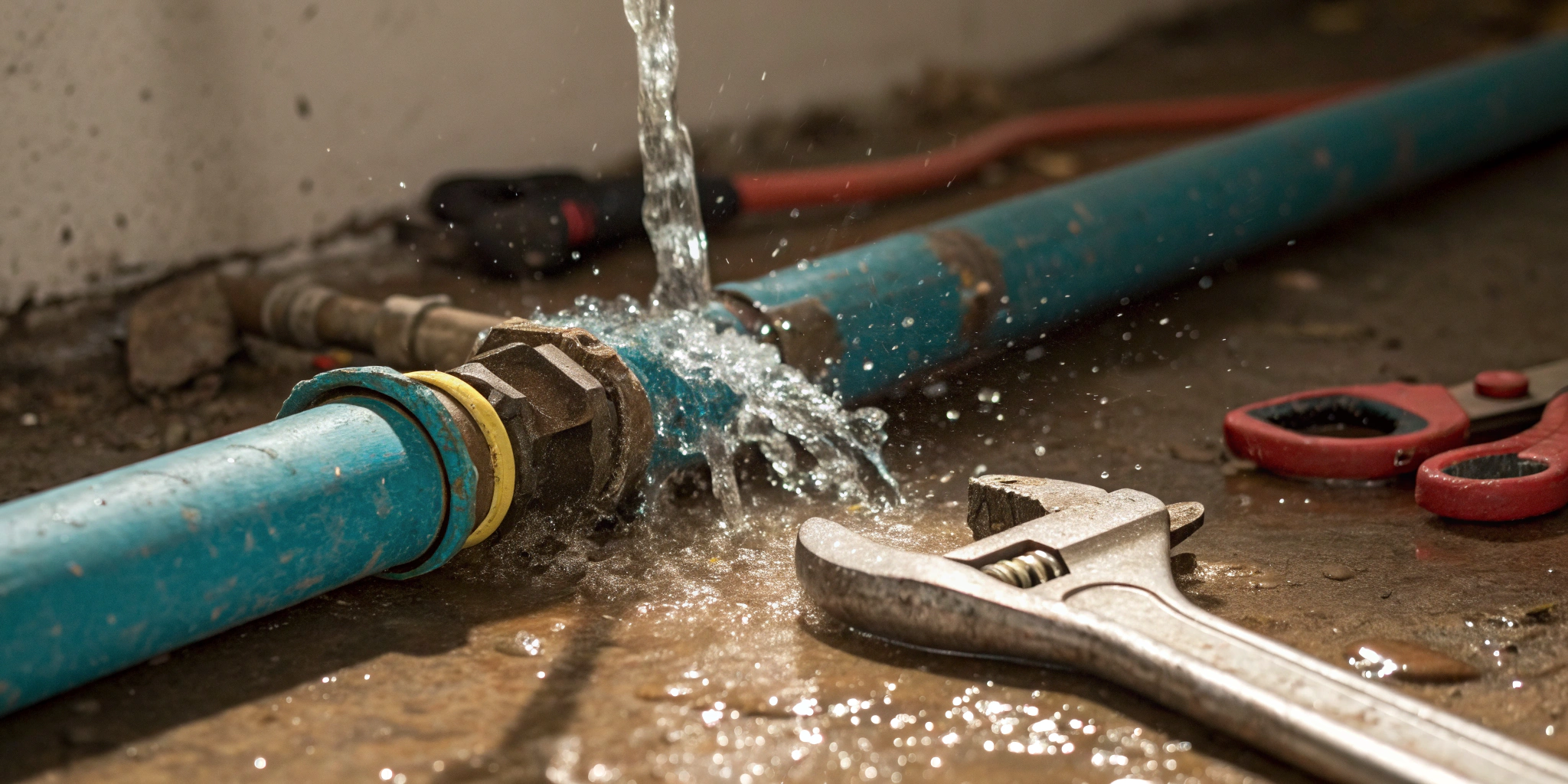
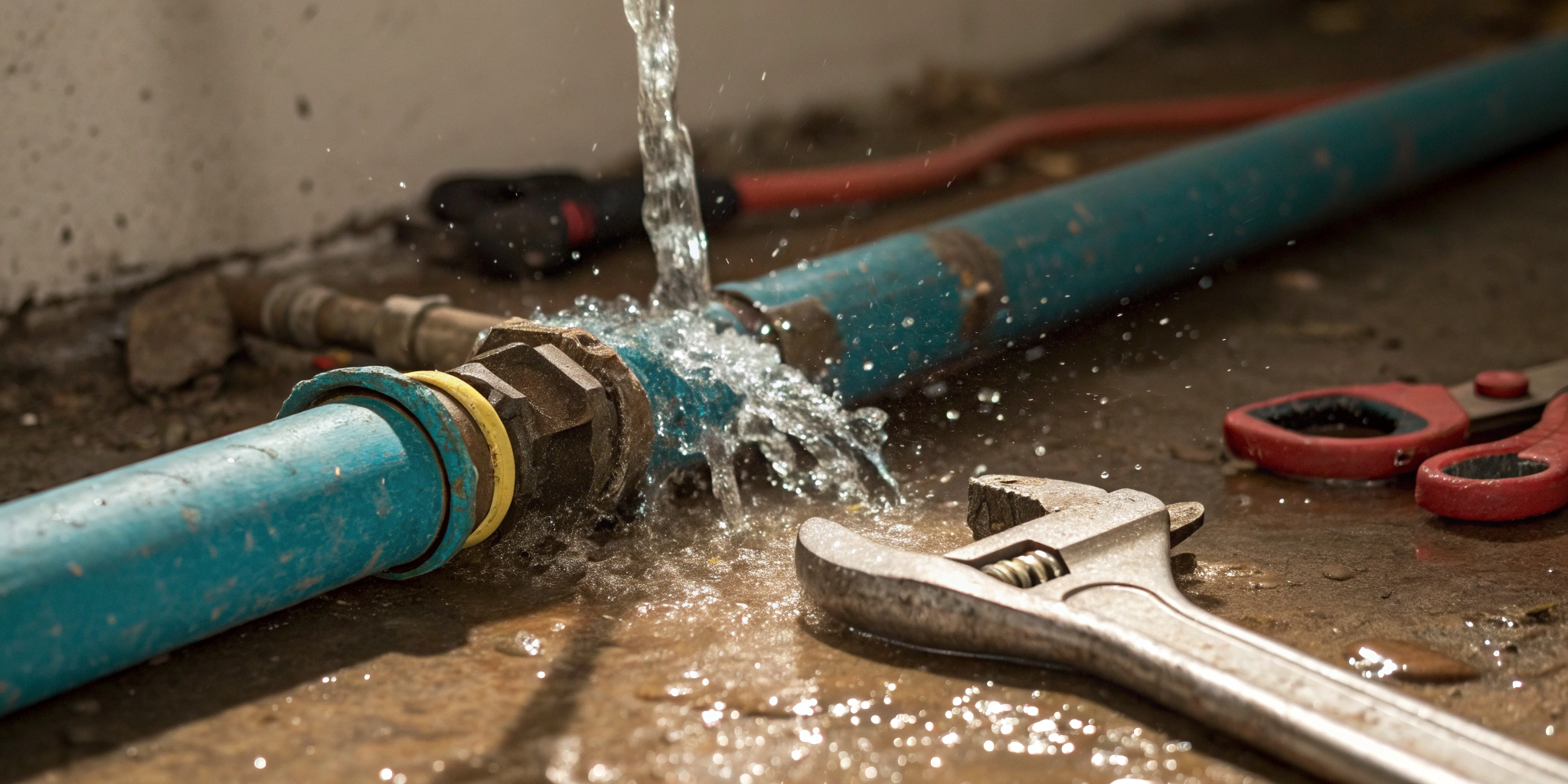
Plumbing is one of those services where poor work can become expensive very quickly. A hidden leak behind tiles in Kilimani can force a homeowner to break a freshly finished wall. A badly installed drainage system in a guest house in Naivasha can create smells, blockages, and bad customer reviews. A weak water tank connection in a rental block in Rongai can leave tenants without water and cause arguments with the landlord.
Clients understand these risks. That is why many of them hesitate before hiring a plumber they do not know. A professional portfolio reduces that hesitation because it gives them something to check.
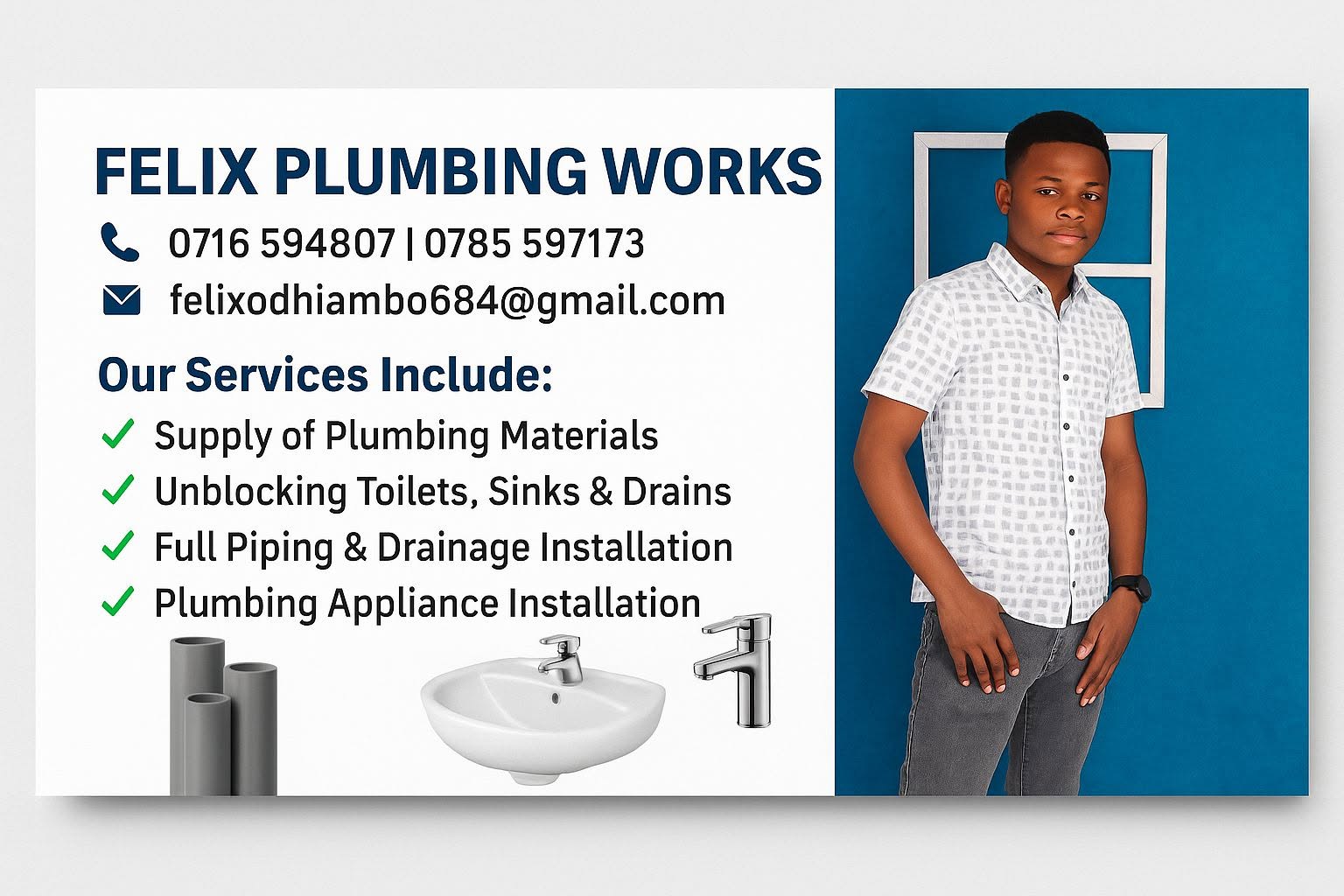
A business card only gives your name and contacts. A portfolio shows what you can actually do. It helps answer the questions clients are already asking silently: Have you handled a similar job before? Are your installations neat? Do you finish work properly? Can you explain your process? Do you have certificates or references? Are you someone I can allow into my home or project site?
For bigger opportunities, a portfolio becomes even more important. Property developers, contractors, institutions, and procurement teams often ask for past work before giving you a subcontract. If you are looking for jobs beyond small repairs, you need more than word of mouth.
What Clients Want to See in a Plumbing Portfolio
A good portfolio should be clear, honest, and easy to understand. Most clients are not engineers, so avoid filling it with too much technical language. The goal is to show proof in a way that a homeowner, landlord, site manager, or business owner can understand quickly.
Clear photos of your completed work
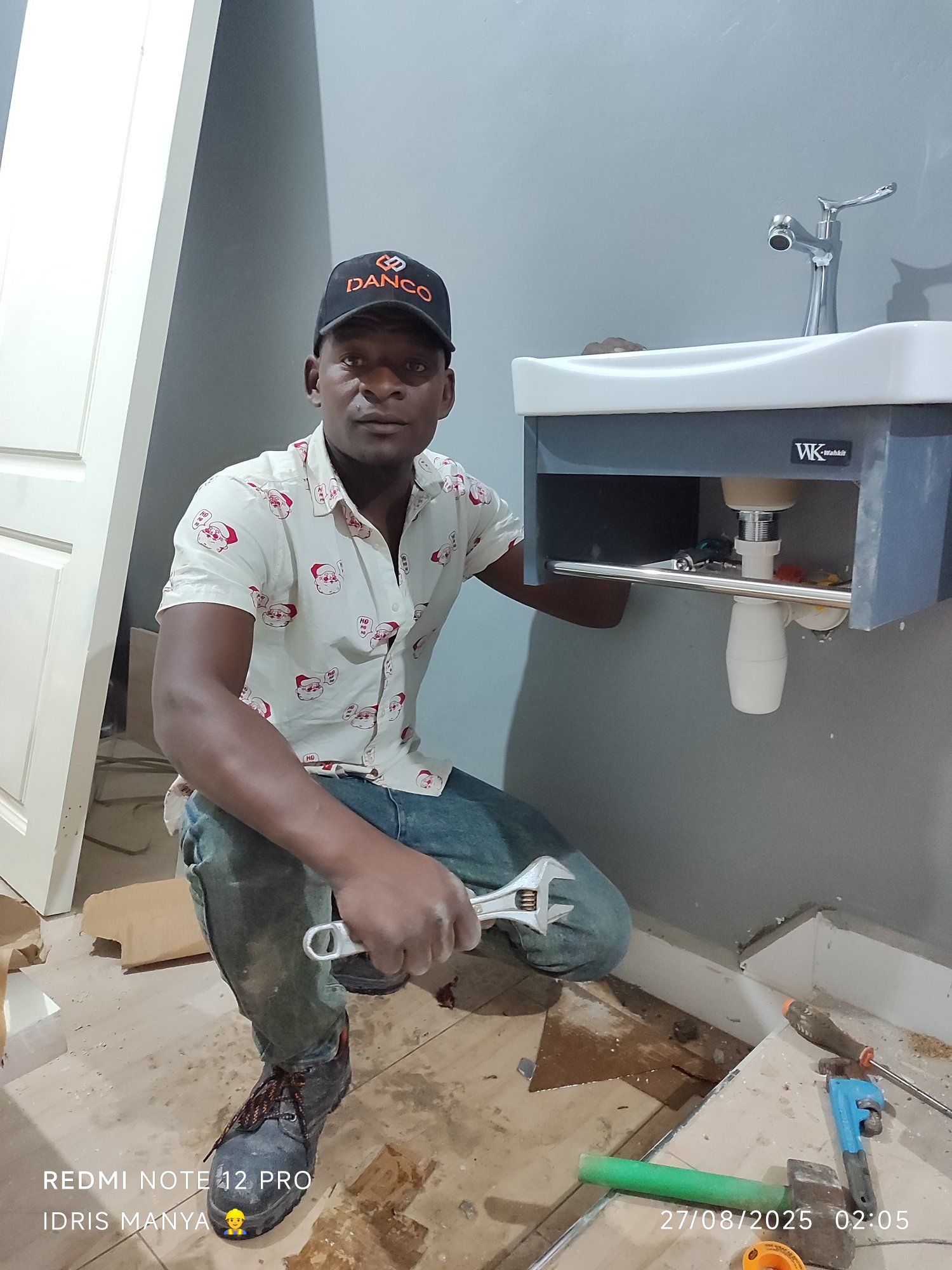
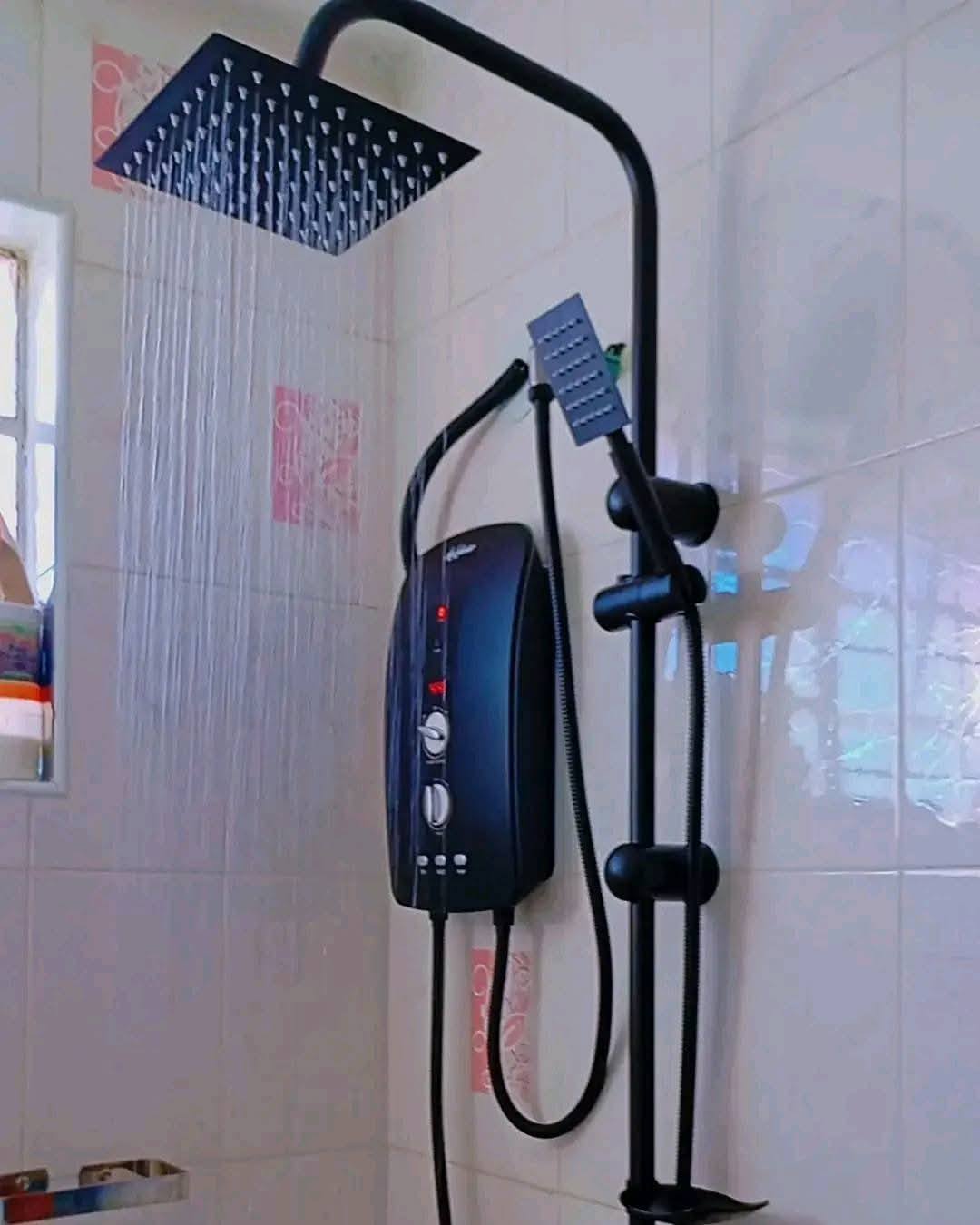
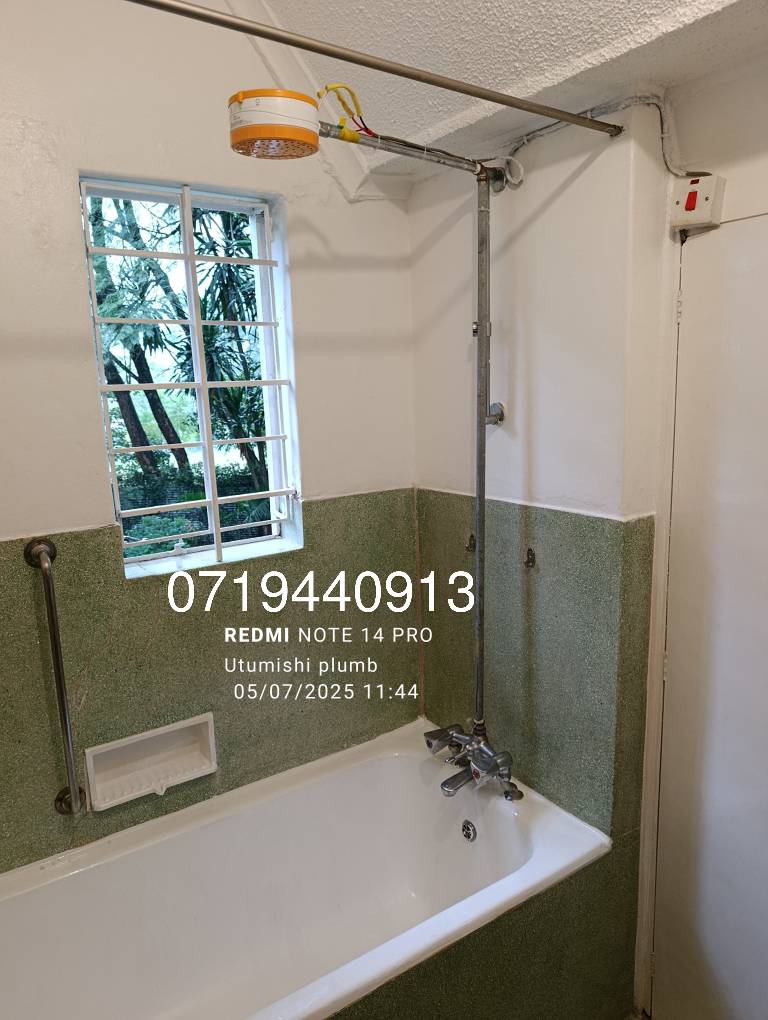
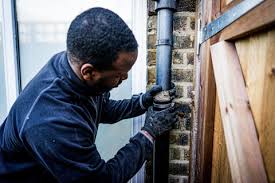
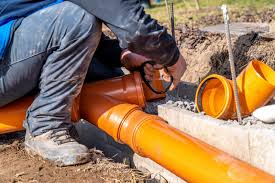
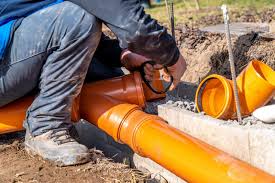
Photos are usually the strongest part of a plumbing portfolio. Clients want to see your workmanship. Take clear pictures of completed installations, repairs, pipe layouts, water tank connections, bathroom fittings, drainage work, pumps, and any other service you offer.
Before and after photos are especially useful. For example, if you repaired a leaking sink in Westlands, show the problem before the repair and the clean finish after the repair. If you installed plumbing for a new house in Syokimau, show the rough-in stage, pressure testing, and final fittings where possible.
Avoid dark, blurry, or careless photos. Many plumbers have good work on their phones, but the photos do not help because they are unclear. Wipe your phone lens, use enough light, and take photos from a steady angle. A neat photo makes the work look more professional.
Always ask permission before taking or sharing photos from private homes. Some clients are comfortable with photos of pipes and fittings but not with pictures showing their compound, family items, or house layout.
Short project descriptions
Photos alone are not enough. Add short descriptions that explain what the job involved. Do not simply write “plumbing work done.” Be specific.
For example, you can write: “Installed hot and cold water lines for a three-bedroom maisonette in Kitengela using PPR pipes. Pressure-tested the system before tiling and fitted bathroom fixtures after finishing.”
That short description tells the client where the work was done, what material you used, and how you handled quality. It sounds more convincing than a plain photo with no context.
If you worked on a school in Machakos, a clinic in Kisumu, a hotel in Mombasa, or a rental block in Ruaka, mention the type of project without revealing private details. Institutional and commercial work can make your portfolio stronger because such jobs often require more discipline and coordination.
Proof of training, compliance, and safety
Many Kenyan clients are becoming more serious about qualifications, especially for larger projects. If you have a NITA trade test certificate, TVET certificate, NCA registration, OSHA-related training, or any relevant plumbing course, include it in your portfolio.
You do not need to expose sensitive personal information. A clear image or summary of your certification is enough. If you operate as a registered business, include your business name and registration details where appropriate.
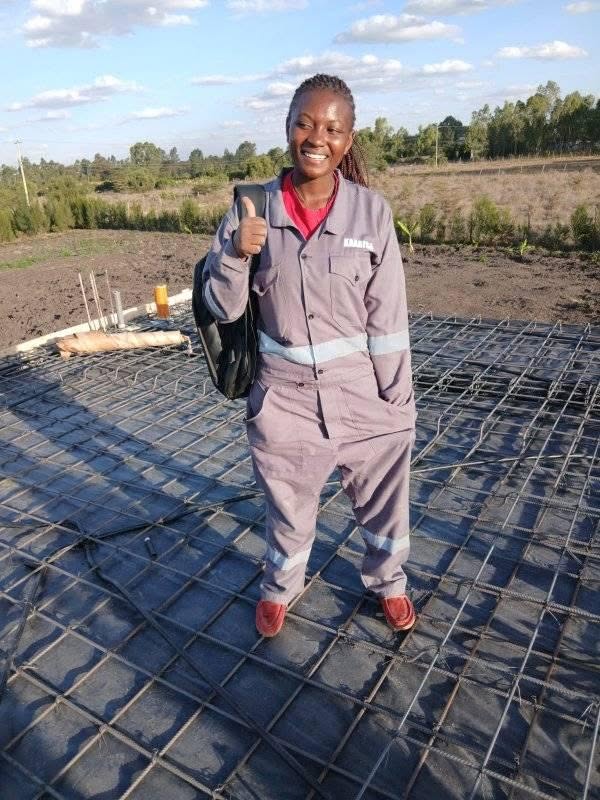
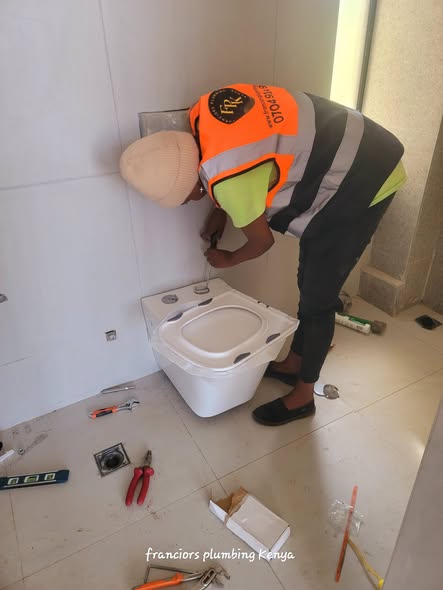
Safety is also important. Show that you use protective equipment and follow safe work practices. For example, if you work on manholes, pump rooms, roofs, water tanks, or construction sites, clients want to know you take safety seriously. Corporates, NGOs, schools, and construction firms may avoid workers who appear careless with safety.
Client testimonials that sound real
Testimonials can help build trust, but they should sound genuine. Avoid fake-sounding statements like “Best plumber ever, highly recommended” repeated everywhere. Kenyan clients can usually sense when reviews are copied or exaggerated.
Ask past clients to describe what they liked about your service. A strong testimonial may say something like: “He arrived on time, explained the difference between PPR and PVC, gave a written quote, and finished the bathroom fittings neatly.”
That sounds real because it gives detail. You can include the client’s first name and general location, such as “Mary, Kiambu Road” or “Mr. Otieno, Kisumu.” For businesses, ask permission before using the company name.
Platforms such as The Real Plug can help users find vetted professionals, service providers, and businesses in Kenya. For plumbers, being visible on trusted platforms with real reviews can support your portfolio and make new clients more comfortable reaching out.
Services to Include in Your Plumbing Portfolio
Do not assume every client understands the full range of plumbing services you offer. Some people think plumbers only unblock sinks or fix leaking taps. Your portfolio should clearly list your services so clients know when to call you.
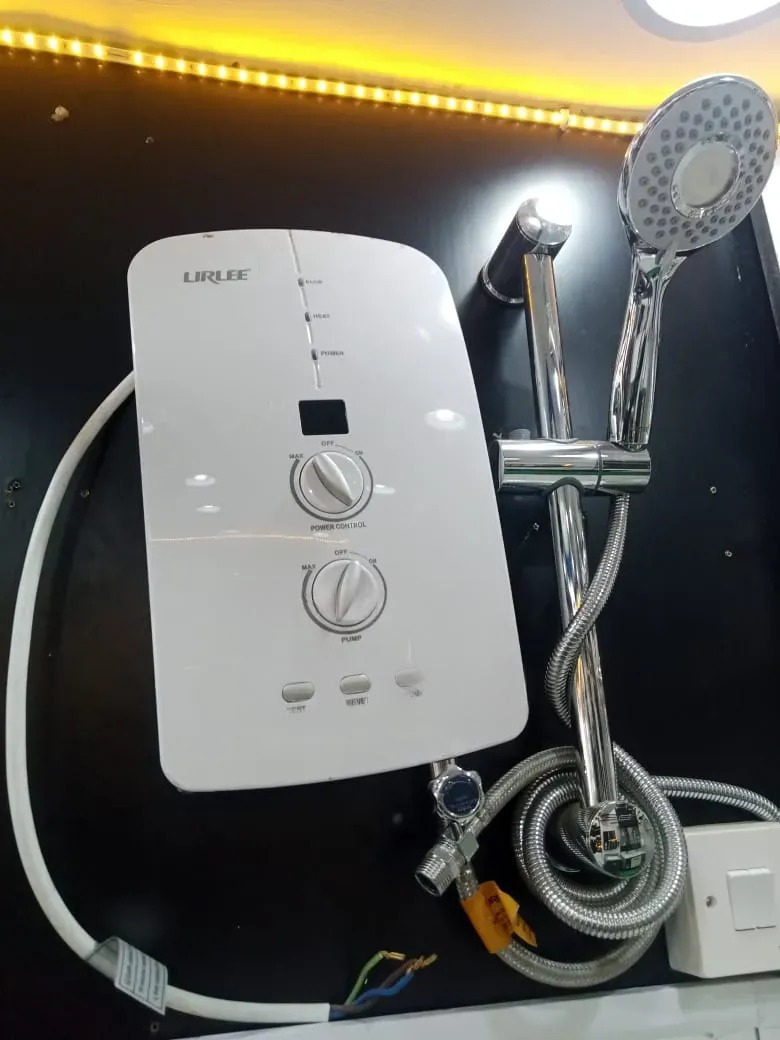
You can include services such as new plumbing installations, bathroom fittings, kitchen sink installation, toilet repairs, drainage work, water tank installation, pump installation, solar water heater connections, leak detection, sewer repairs, rainwater harvesting systems, gutter installation, and routine maintenance.
If you have a specialty, highlight it. Maybe you are good at plumbing for apartments, hotels, schools, borehole water systems, farms, or commercial kitchens. Maybe you understand HDPE pipework, PPR welding, pump systems, or solar water heating. A specialty helps you stand out because not every plumber can handle every type of job well.
For example, a developer building apartments in Athi River may prefer someone who has handled multi-unit plumbing before. A hotel owner in Diani may want a plumber who understands high-traffic washrooms and water pressure issues. A farmer in Laikipia may need someone familiar with irrigation pipework and water storage systems.
How to Show Pricing Without Causing Problems
Pricing is a sensitive issue in Kenya because material costs change often. Pipes, fittings, valves, pumps, tanks, and sanitary ware can differ widely depending on brand and quality. Site conditions also affect labour costs. A simple repair in a modern apartment may not cost the same as fixing old pipework in an older building in Eastleigh or Pangani.
You do not have to publish a full price list in your portfolio. However, you can explain how you quote. This helps clients know what to expect and reduces misunderstandings.
For example, you can state that final quotes are given after a site visit, and that estimates depend on materials, labour, accessibility, urgency, and project size. You can also include a sample quote format showing labour, materials, transport, and any extra charges separately.
This kind of transparency helps you look professional. It also protects you from clients who assume that a rough phone estimate is the final price. Many disputes start because expectations were not clear at the beginning.
Common Mistakes That Weaken a Plumbing Portfolio
Many plumbers already have enough work history to create a good portfolio, but simple mistakes make the portfolio less useful.
One common mistake is using other people’s photos. It may look easy to download neat plumbing images from the internet, but it can damage your reputation. Kenya’s construction and property circles are smaller than they seem. If a client or contractor discovers that you are showing work that is not yours, they may never trust you again.
Another mistake is showing photos without explanation. A picture of a tap or pipe does not say much unless you explain the job. Was it a repair? A new installation? A pressure issue? A water-saving upgrade? Add context so the client understands your role.
Some plumbers also forget to include contact details and service areas. Your portfolio should clearly show your phone number, WhatsApp number, email if available, and the areas you serve. If you work in Nairobi, Kiambu, Machakos, Kajiado, and nearby towns, say so. If you only travel for bigger jobs, mention that too.
Another mistake is failing to update the portfolio. A document from five years ago with old phone numbers, outdated certificates, and weak photos can make you look inactive. Update your portfolio regularly with stronger recent work.
How to Build a Plumbing Portfolio Step by Step
You do not need a large budget to start. A simple PDF or online profile can work well if it is organized properly.
Start by collecting photos from past jobs. Choose clear images that show different types of work. Pick jobs that demonstrate neatness, problem-solving, and reliability. If you only have a few projects, that is fine. Three well-presented jobs are better than twenty messy photos.
Next, write short descriptions for each project. Include the location, type of property, work done, materials used, and any challenge you solved. Keep the language simple.
Then organize your portfolio into sections. You can have residential plumbing, commercial plumbing, repairs and maintenance, water tanks and pumps, drainage work, and certificates. This makes it easier for clients to find what matters to them.
After that, add testimonials and references. Ask satisfied clients for short comments through WhatsApp and request permission to use them. You can also include references available on request, especially for sensitive projects.
Finally, include your contact details, business name, service areas, and a short introduction about your experience. Keep the document clean and easy to read. A PDF of about eight to twelve pages is enough for most plumbers.
Taking Your Plumbing Portfolio Online
A printed or PDF portfolio is useful, but online visibility matters too. Many Kenyans now search for plumbers on Google, social media, WhatsApp groups, business directories, and local listing platforms. If a client hears your name, they may still search online before calling.
A Google Business Profile is a good starting point. It helps people find your location, photos, reviews, phone number, and working hours. Add real photos and encourage satisfied clients to leave reviews.
Social media can also work if you use it professionally. Post useful content, not just adverts. For example, you can explain why water pressure drops in some apartments, how to know when a drainage line is blocked, or why cheap fittings sometimes cost more in the long run.
Local business listing platforms can also improve trust. Listing your services on The Real Plug can help potential clients find and compare vetted professionals and businesses in Kenya. When people can see your profile, reviews, services, and contact details in one place, it becomes easier for them to trust you.
Legal and Safety Details to Keep in Mind
A professional portfolio should not only show beautiful work. It should also show that you understand responsibility. Plumbing can involve water supply, drainage, sewer connections, pumps, tanks, and sometimes public health concerns.
If a job requires county approval, water company procedures, NCA involvement, or other professional input, do not pretend it is a small matter. For example, sewer connections, major drainage works, commercial kitchens, and large developments may need approvals or coordination with relevant authorities. Encourage clients to verify requirements before starting.
Do not accept work that is beyond your skill or legal capacity just because the money looks good. If a project needs an engineer, licensed contractor, or specialist, say so. Responsible advice can earn you more respect than pretending to know everything.
Safety also matters. Use proper tools and protective gear. Be careful around open manholes, confined spaces, electrical pumps, slippery floors, and roof tanks. Clients who manage serious projects pay attention to this because accidents can cause delays, injuries, and legal problems.
How a Portfolio Helps You Win Better Clients
A strong plumbing portfolio changes how clients see you. Instead of treating you like someone who should simply quote the lowest price, they begin to see you as a professional. That can help you attract clients who value quality, reliability, and proper work.
It can also help you avoid endless explanations. When a client asks whether you have handled a similar job, you can send your portfolio. When a contractor asks for past work, you already have it ready. When a landlord compares you with another plumber, your proof may make the difference.
A portfolio also builds confidence. You begin to understand your own strengths better. Maybe you notice that most of your best work is in apartment maintenance, commercial washrooms, or water tank systems. That knowledge can help you market yourself more clearly.
Final Thoughts
Creating a professional plumbing portfolio in Kenya does not have to be complicated. Start with the work you have already done. Take clear photos, write short project descriptions, collect honest testimonials, include your certificates, and explain your services clearly.
The goal is not to look bigger than you are. The goal is to look trustworthy, skilled, and organized. Clients want proof that you can handle their plumbing problem without creating new ones. A good portfolio gives them that proof before you even visit the site.
Whether you are serving homeowners in Kiambu, landlords in Eldoret, hotels in Mombasa, developers in Athi River, or businesses in Nairobi, your portfolio can help you stand out in a crowded market. Kenyan clients reward trust, consistency, and visible results. A professional plumbing portfolio helps you show all three.