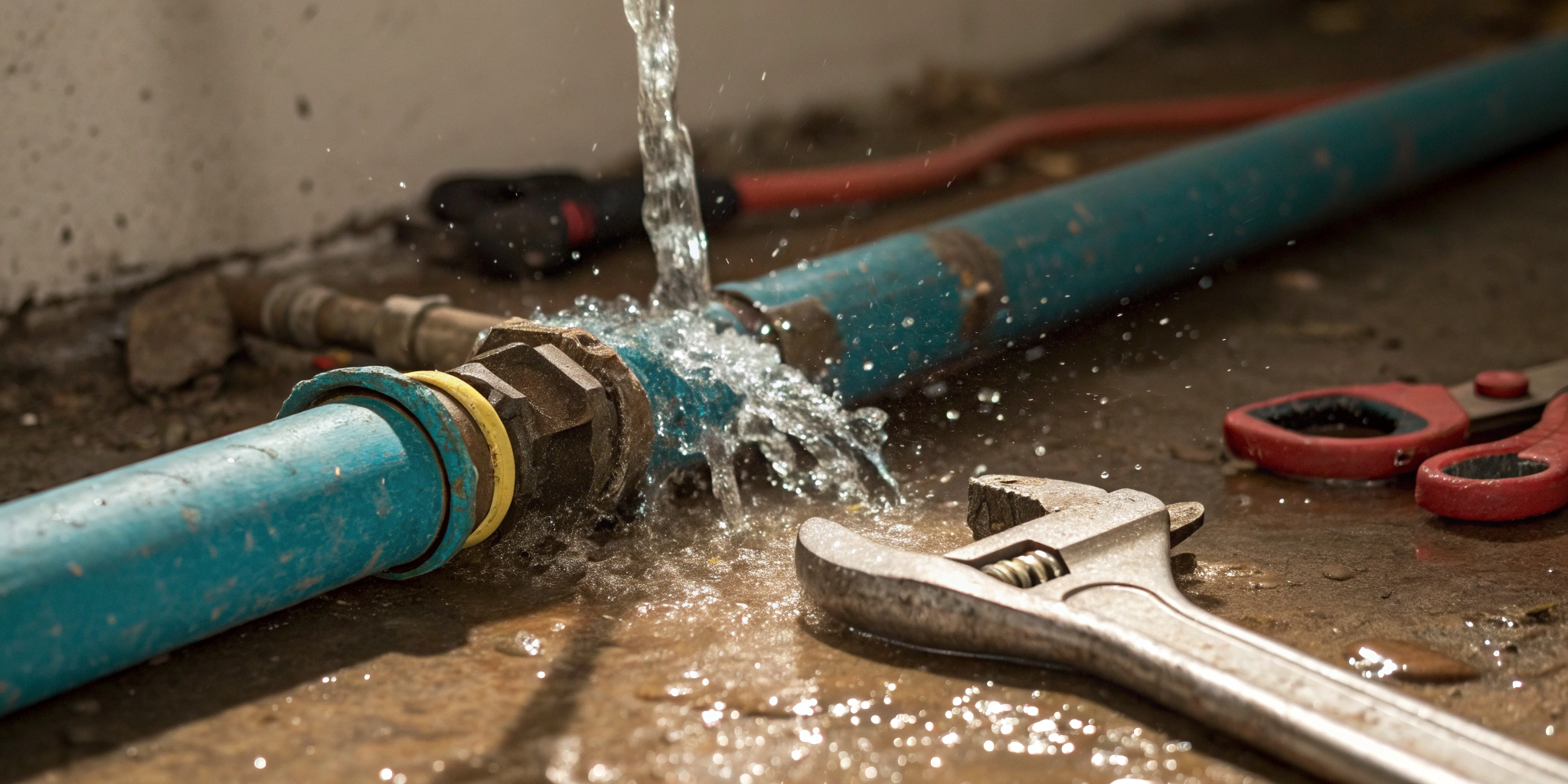


Plumbing jobs in Dubai for foreigners are attractive to many Kenyan fundis because they look more stable than the usual local hustle. In Kenya, a plumber may move from one site in Ruaka to a repair job in South B, then wait days before the next client calls. Dubai, on the other hand, has apartments, hotels, malls, villas, schools, hospitals, and office blocks that need plumbing work throughout the year.
For a Kenyan plumber, technician, or trainee, that can sound like a serious opportunity. The salaries are usually better than many local contracts, and some employers provide accommodation, transport, and medical cover. But Dubai is not a place where you simply arrive with a toolbox and start working. There are rules, documents, medical tests, contracts, and employer requirements.
Understanding these requirements before applying can save you from fake agents, poor contracts, visa problems, and disappointment after arrival.
Why Dubai Attracts Kenyan Plumbers
Dubai’s construction and property maintenance industry creates steady demand for plumbers. New buildings need water supply systems, drainage, sanitary fittings, fire-fighting lines, pump rooms, swimming pools, and AC drainage. Older buildings also need repairs and regular maintenance.
Many Kenyan plumbers are attracted by the chance to work in a structured environment. Unlike casual jobs back home, where payment can delay or clients may bargain too much after work is done, Dubai jobs often come with written contracts and monthly salaries.
The attraction is not only money. Some plumbers want international experience. Others want to save for land, school fees, a house, tools, or a future business in Kenya. Still, the opportunity only works well if you enter legally and understand what you are signing.
Basic Requirements for Plumbing Jobs in Dubai for Foreigners
Valid Passport
A valid passport is the first requirement. Your passport should have enough validity before you apply. If it is close to expiry, renew it early instead of waiting until an employer is ready to process your visa.
Make sure your names match across your passport, ID, certificates, and police clearance. Small differences can delay the process.
Work Visa and Employer Sponsorship
You cannot legally work in Dubai on a tourist or visit visa. A proper plumbing job should come with an employment visa processed by the employer. After arrival, the company should also complete the required residence and work documentation.
Be careful with anyone who says, “Just go on a visit visa and look for work there.” Some people have succeeded this way, but it is risky. If your visit visa expires before you get a job, you may face fines and stress. Working without the correct visa can lead to serious problems.
For most Kenyan plumbers, the safest route is to travel after receiving a genuine job offer and approved employment visa.
Plumbing Skills and Experience
Dubai employers usually want plumbers who can do more than basic repairs. They may expect experience in water supply, drainage, sanitary fittings, pipe joining, pressure testing, pump systems, and maintenance.
Common materials include PPR, PVC, HDPE, copper, and GI pipes. On larger projects, plumbers may need to read drawings, follow MEP layouts, and work with electricians, HVAC technicians, and supervisors.
Most employers prefer workers with at least some practical experience. If you are still new, you may start as an assistant or helper before moving into a full plumber role.
Trade Certificates
A NITA trade test certificate, TVET certificate, craft certificate, or plumbing diploma can improve your chances. These documents show that you have formal training or tested trade skills.
If you learned through apprenticeship but have no papers, consider doing a NITA trade test before applying. In Dubai, employers may still test your practical ability, but certificates help you get shortlisted and support visa processing.
Medical Fitness Test
Foreign workers going to Dubai must pass medical checks. These tests usually screen for communicable diseases and general fitness for work. You may complete a medical test in Kenya before travelling and another after arrival in Dubai.
Do not ignore this step or try to hide a serious medical condition. A failed medical test can stop the visa process or lead to return home after arrival.
Police Clearance Certificate
Many employers require a Certificate of Good Conduct from Kenya. Apply early because processing can take time, especially when there are delays.
Keep both soft and hard copies of your police clearance. Some recruiters may request a scanned copy during the application stage.
Basic English Communication
You do not need IELTS for most Dubai plumbing jobs, but you need basic English. Site instructions, safety talks, work orders, material names, and supervisor communication are often in English.
You should understand words such as valve, drainage, leakage, pressure, fitting, riser, pump, pipe size, ceiling, shut-off, and test. Poor communication can cause mistakes, delays, or safety risks.
Documents Kenyan Plumbers Should Prepare
Before applying, prepare a clean folder with your main documents. These may include your passport, passport photo, updated CV, NITA or TVET certificates, reference letters, police clearance, medical documents, and copies of previous employment records.
Your CV should be clear and practical. Mention the type of plumbing work you have done, such as apartment plumbing, hotel maintenance, water tank installation, pump repair, drainage work, sanitary fittings, or commercial projects.
Reference letters should be specific. A letter that says “he worked as a plumber” is weaker than one that explains the project, dates, duties, and contact person. If you worked for contractors in Nairobi, Mombasa, Nakuru, Eldoret, or Kisumu, ask them for proper letters before you need them.
Understanding the Employment Contract
A proper Dubai employment contract should clearly state your job title, salary, basic pay, allowances, working hours, overtime rate, rest day, accommodation, medical insurance, leave days, probation period, and contract duration.
Pay attention to the basic salary. Overtime and end-of-service benefits are often calculated from the basic salary, not the full package. If the basic salary is low and most of the package is allowances, your final benefits may be lower than expected.
Also confirm accommodation. Some companies provide shared accommodation in labour camps or company housing. Ask how many people share a room, whether transport is provided, and whether food is included or paid separately.
Do not rely on verbal promises. If food, overtime, return ticket, or accommodation is promised, it should appear clearly in the written contract.
Salary Expectations for Dubai Plumbing Jobs
Salaries vary depending on experience, role, employer, and whether you are hired as a helper, general plumber, MEP plumber, maintenance plumber, or foreman.
First-time workers may start with modest pay, especially if they have no Gulf experience. Skilled plumbers with MEP experience, drawing-reading ability, pump knowledge, or maintenance experience may earn more. Foremen and supervisors usually earn higher salaries, but those roles often require strong experience and leadership skills.
When comparing salary, do not only convert dirhams into Kenya shillings. Consider food, phone costs, personal spending, family obligations, loans, and whether accommodation and transport are provided.
A disciplined worker can save well, but Dubai also has many spending temptations. Without a clear plan, money can disappear quickly.
How to Apply Safely from Kenya
Many Kenyan plumbers apply through recruitment agencies. If using an agency, verify that it is licensed by the relevant Kenyan authorities. Ask for the employer’s name, job description, salary, location, contract length, and visa process.
A serious agency should not hide details or pressure you to pay quickly. Be careful with promises of guaranteed jobs, no interview, no medical, or instant travel.
You can also apply directly through company websites, job portals, or referrals from trusted people already working in Dubai. Direct applications may take longer, but they reduce reliance on middlemen.
When checking recruiters or local service providers, platforms such as The Real Plug help users find vetted professionals and businesses in Kenya. Use the same verification mindset before trusting any agent or employer with your money, passport, or documents.
Common Mistakes Kenyans Make When Applying
One common mistake is paying large fees before seeing a real job offer. If someone asks for a huge amount without giving employer details, contract terms, or a proper receipt, step back.
Another mistake is lying about experience. Dubai employers may test your practical skills. If you claim you can read drawings, install HDPE, or handle pressure testing, be ready to prove it.
Some applicants ignore safety standards. In Dubai, personal protective equipment and site rules are taken seriously. A worker who refuses to follow safety instructions can lose the job quickly.
Others sign contracts without reading them. Later, they discover that food is not included, overtime is unclear, or the salary is lower than expected. Take time to understand every important detail before signing.
Life in Dubai as a Plumber
Life in Dubai is different from the image many people see online. Plumbers and technicians often live in shared accommodation, sometimes in labour camps or company housing. Rooms may be shared with workers from different countries.
Work can start early, especially during hot months. Outdoor work in Dubai heat requires discipline, hydration, and respect for safety rules. The weather can be difficult for someone used to cooler places like Nyeri, Limuru, or Kericho.
The work culture is also multicultural. You may work with supervisors and colleagues from India, Pakistan, Nepal, Bangladesh, the Philippines, Uganda, and other countries. Respect, patience, and clear communication help you settle faster.
On the positive side, Dubai can help you gain international experience, save money, and learn modern systems if you stay focused.
How to Improve Your Chances of Getting Hired
Start by strengthening your documents. Get your NITA or TVET certificates in order, update your CV, and collect reference letters from previous jobs.
Improve your technical English. Learn common plumbing terms used on UAE sites. Practice explaining your experience clearly during interviews.
If possible, learn how to read basic plumbing drawings. Employers value plumbers who can follow layouts without constant supervision.
Also keep your conduct professional. Some employers check social media or ask previous employers about your behaviour. A good reputation matters, even abroad.
Conclusion
Plumbing jobs in Dubai for foreigners can offer real opportunities for Kenyan plumbers, but only when approached carefully. Dubai needs skilled workers, but it also expects proper documents, legal work visas, medical fitness, basic English, safety awareness, and a clear contract.
Before applying, prepare your passport, certificates, CV, police clearance, and reference letters. Verify recruiters, understand your salary structure, read your contract, and avoid shortcuts that sound too easy.
For a Kenyan plumber with practical skills, discipline, and the right paperwork, Dubai can be a useful step toward better income and international experience. The smartest move is to go prepared, not pressured.