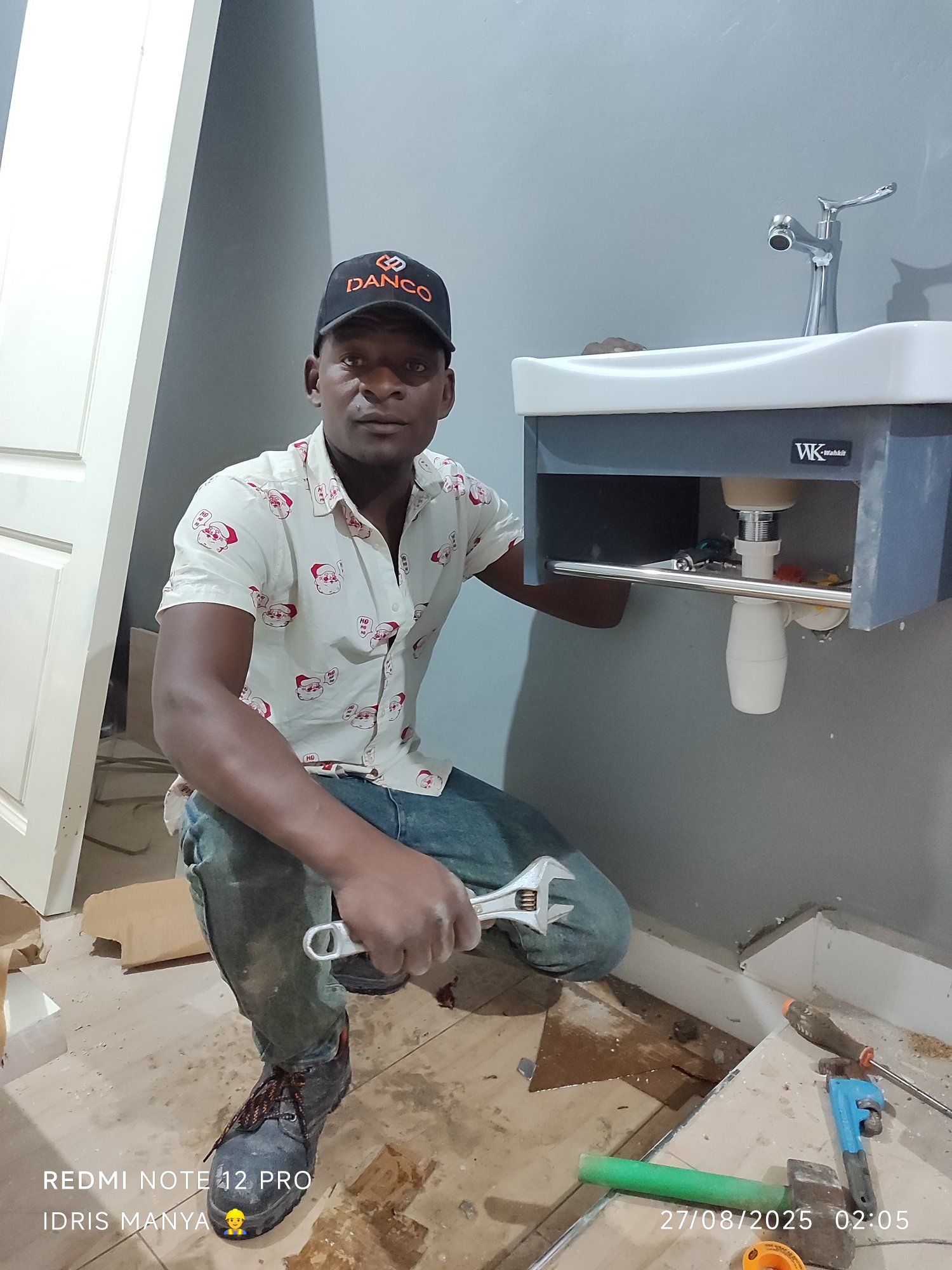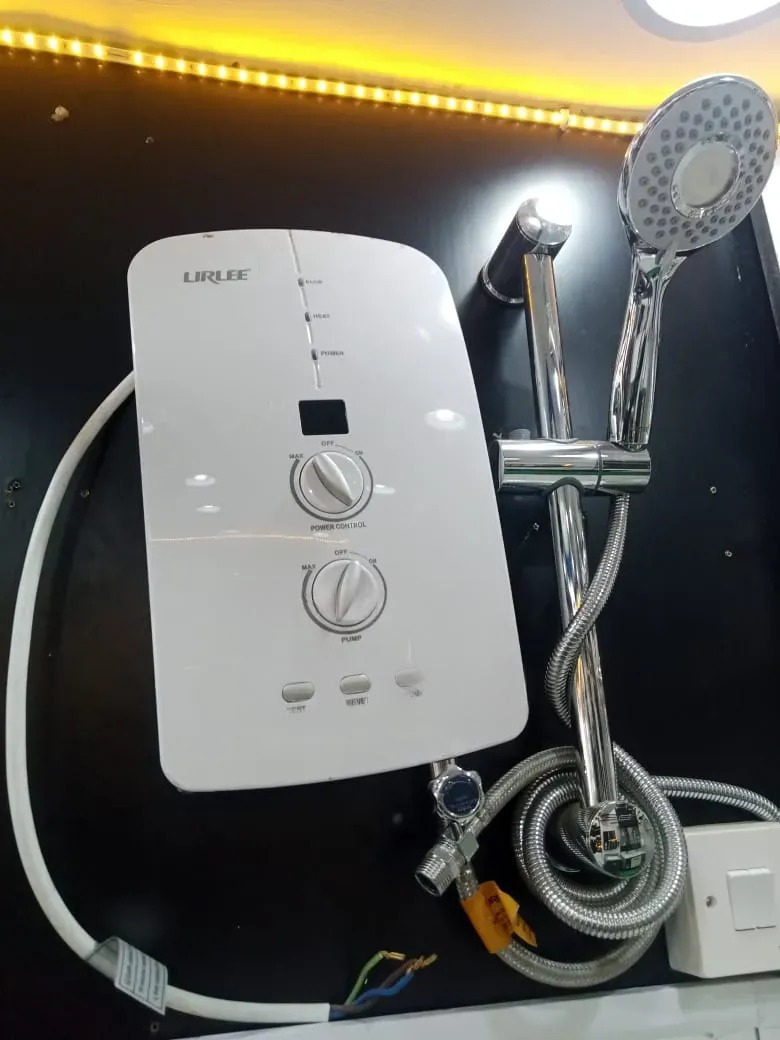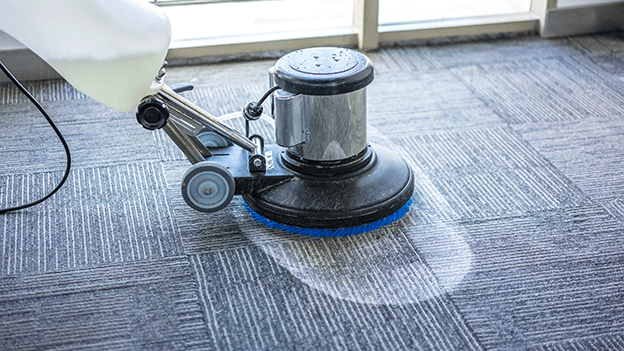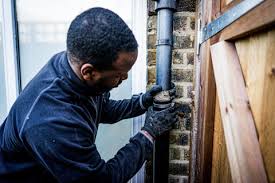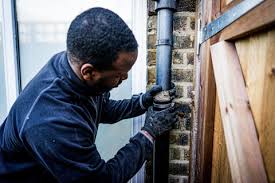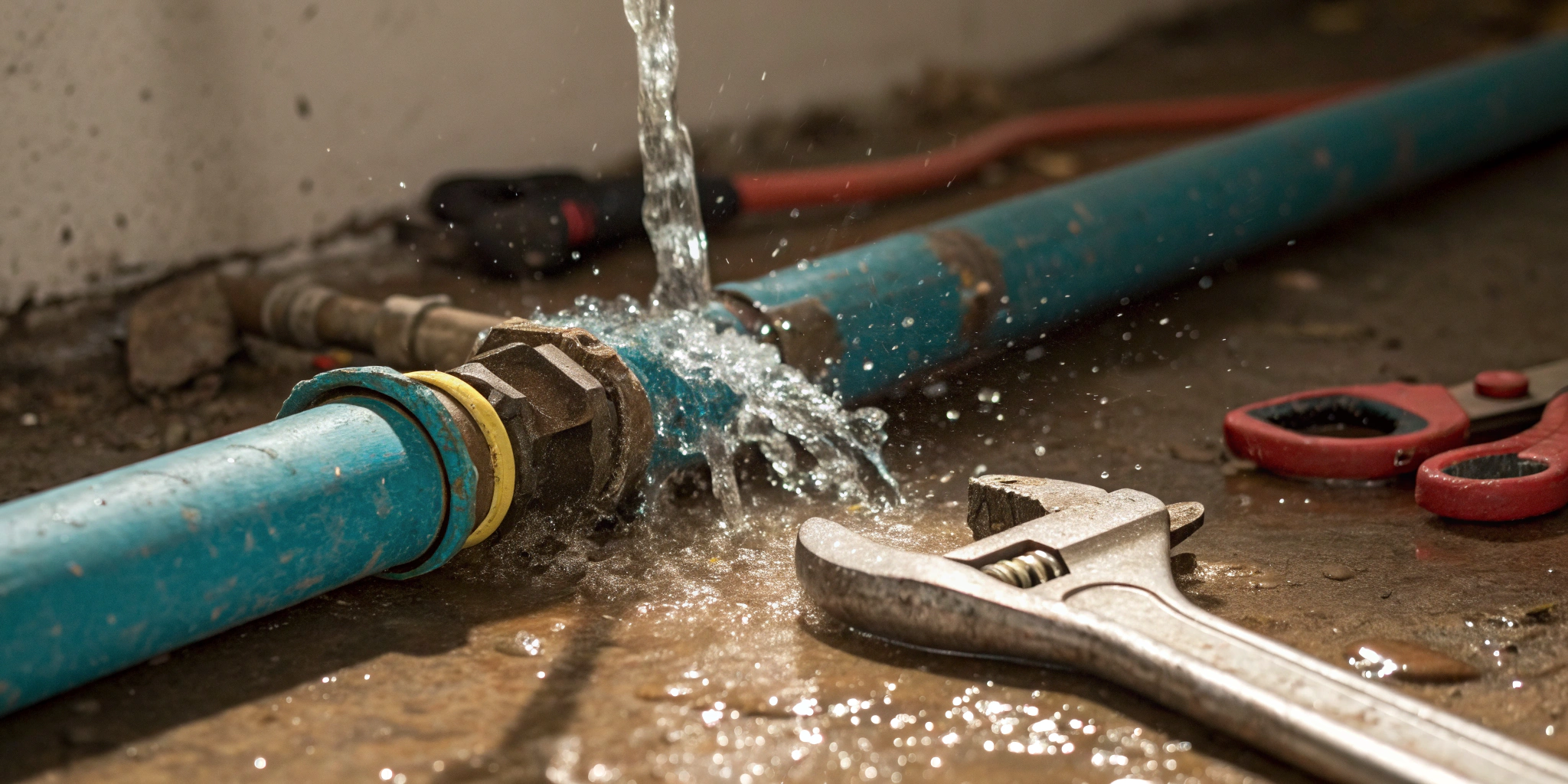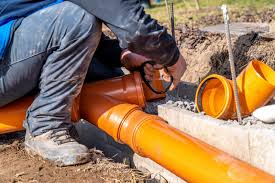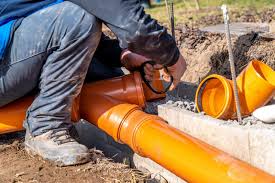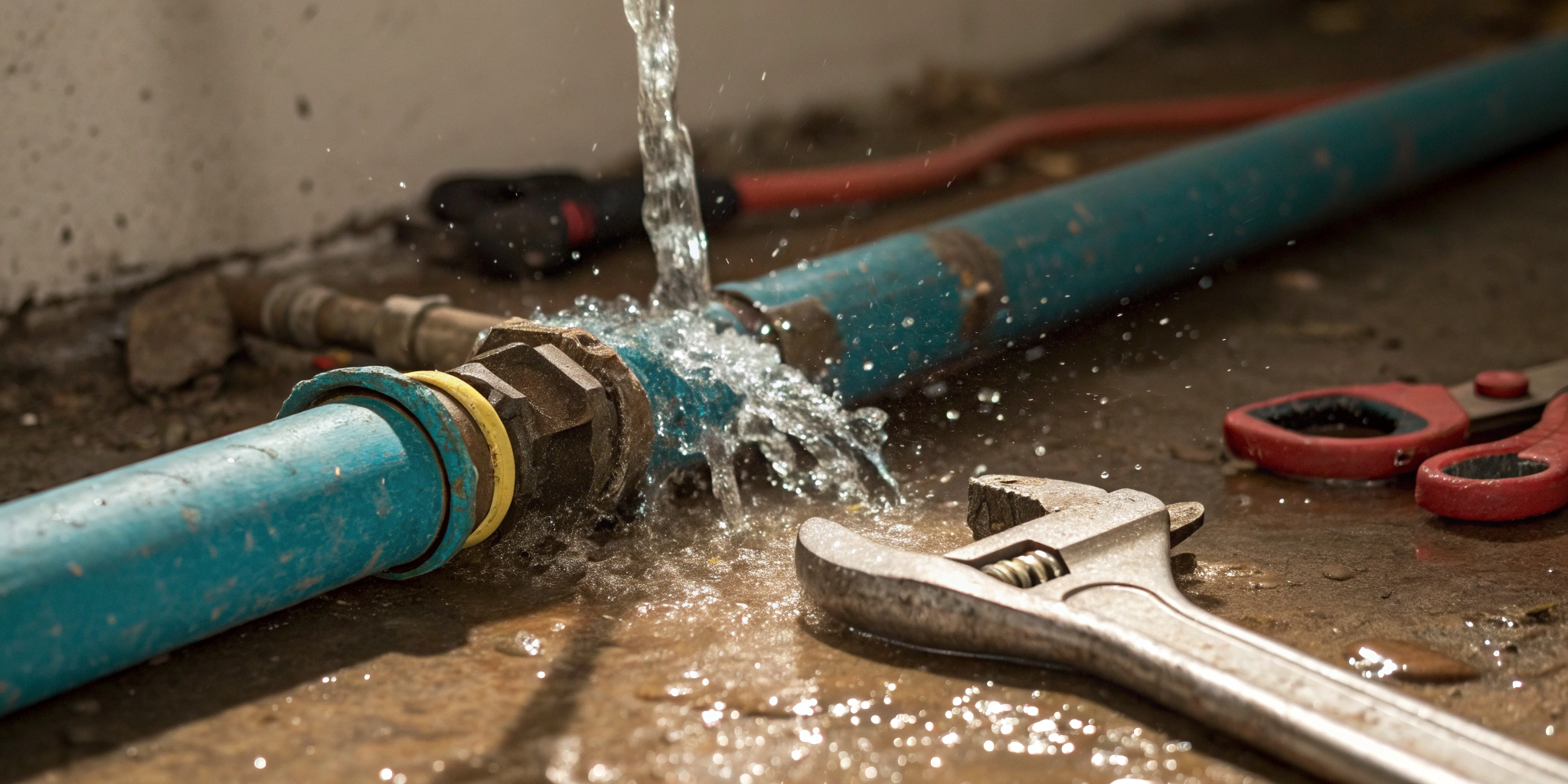


Plumbing is one of those trades people only think about when something goes wrong. A blocked drain in an apartment in South B, a burst pipe in a hotel in Naivasha, a leaking tank in Kitengela, or a failed water connection in a school in Kisii can stop normal life very quickly. Water must flow, waste must drain, and buildings must remain safe and hygienic.
That is why plumbing will always be important in Kenya. As towns grow, apartments rise, borehole systems become common, and homeowners invest in better bathrooms and kitchens, the need for skilled plumbers keeps increasing. But there is a big difference between someone who can fix a tap and a professional plumber in Kenya who can handle serious projects, explain technical issues, follow regulations, and give clients confidence.
Becoming professional does not happen overnight. It takes training, field experience, certification, proper tools, discipline, and trust. Whether you are just leaving school, learning under a fundi, or already doing small jobs and want to move into bigger contracts, this guide explains what the journey looks like in the Kenyan market.
What It Means to Be a Professional Plumber in Kenya
In many Kenyan estates, the word plumber is used loosely. If someone can unblock a sink, replace a tap, or connect a water tank, people may call them a plumber. For small household repairs, that may be enough. But professional plumbing goes much further than basic repairs.
A professional plumber understands water supply systems, drainage, pipe sizing, fittings, materials, pressure testing, safety, and building requirements. They can read simple drawings, follow site instructions, prepare written quotes, keep records, and explain their work clearly to clients.
Professionalism also means accountability. If a pipe leaks behind a tiled wall in Kilimani, or a drainage line fails in a rental block in Ruiru, the client wants someone who can identify the problem, fix it properly, and take responsibility. A serious plumber does not disappear after collecting payment.
In Kenya, clients are becoming more careful. Homeowners, landlords, schools, hospitals, hotels, contractors, and developers want people who can prove their skills. They want certificates, past work, references, and reliable communication. This is where the difference between a casual fundi and a professional becomes clear.
Start with Proper Plumbing Training
You do not need a university degree to become a professional plumber in Kenya. Many respected plumbers began with technical training, apprenticeship, or vocational education. What matters is learning the trade properly and gaining proof of competence.
Technical and vocational institutions across Kenya offer plumbing courses. These may include plumbing technology, pipe fitting, drainage systems, water supply, basic building construction, welding, safety, and drawing interpretation. Institutions such as national polytechnics, technical training institutes, vocational training centres, and private colleges can provide a solid foundation.
NITA trade testing is also important. The National Industrial Training Authority assesses artisans through trade tests, commonly known as Grade III, Grade II, and Grade I. For many plumbers, NITA certification helps formalize their skills and makes them more attractive to contractors, institutions, and employers.
If you already have practical experience but no papers, you can still look into trade testing or recognition of prior learning where available. Many skilled Kenyan fundis learned through apprenticeship but later formalized their experience through testing. This can help when applying for better jobs, tenders, overseas opportunities, or work with established companies.
Avoid fake certificates. They may seem like a shortcut, but they can damage your career. Serious contractors and institutions may verify your documents. If your work causes damage and you cannot prove your qualifications, the legal and financial consequences can be serious.
Build Real Site Experience
Training gives you the foundation, but plumbing is learned deeply on site. After class or trade testing, you need real work experience under people who understand the trade. Look for attachment, apprenticeship, or assistant roles with established plumbers, contractors, maintenance companies, construction firms, or facility managers.
At the beginning, the pay may be modest. You may spend long days cutting pipes, carrying materials, preparing fittings, clearing sites, or assisting senior technicians. It may not feel glamorous, but this stage teaches discipline.
On site, you learn things that classrooms may only introduce. You learn how to set proper gradients for drainage, how to pressure-test lines before plastering, how to install PPR pipes for hot water, how to avoid damaging tiles, how to work around electricians and masons, and how to correct mistakes before they become expensive.
You also learn how Kenyan sites actually operate. Materials may arrive late. Drawings may change. Clients may adjust the design. Contractors may push for speed. A professional plumber learns how to stay calm, communicate clearly, and still protect the quality of work.
Create a Record of Your Work
From the beginning, document your work. Many Kenyan plumbers do good jobs but have no proof when a bigger opportunity appears. A landlord, developer, NGO, school board, or contractor may ask, “What projects have you handled before?” If all you have is a verbal answer, you may lose the chance.
Take clear photos before, during, and after work, but always ask for permission when working in private homes. Save the photos by location and type of job. Write short notes showing what you did, the materials used, and any challenge you solved.
For example, you can record work such as bathroom plumbing for a bungalow in Kitengela, drainage repair in an apartment block in Umoja, water tank installation in Nakuru, pump connection in Kajiado, or maintenance work for a guest house in Mombasa.
Over time, these records become your portfolio. A portfolio helps you win trust because clients can see your past work instead of only hearing promises. It also helps when applying for jobs locally or abroad.
Understand Licensing, Compliance, and Registration
To grow beyond small casual jobs, you need to understand compliance. Kenya’s construction and water sectors involve different authorities, depending on the type of work. Requirements may vary by county, project size, and client type, so always verify current rules with the relevant authority.
NCA registration is important for people working in the construction sector. The National Construction Authority registers contractors and skilled workers in different categories. If you want to work on formal construction projects, tenders, or larger subcontracting jobs, NCA registration can strengthen your credibility.
Business registration is also useful if you want to operate professionally. Registering a business name or company allows you to open a business bank account, issue proper receipts, sign contracts, and present yourself more seriously to clients. It also helps when working with institutions or property management companies that do not pay individuals informally.
You should also understand water service provider and county requirements. Sewer connections, water meter installations, public drainage work, and major developments may require approvals or supervision. In places like Nairobi, Eldoret, Kisumu, Mombasa, and other urban centres, water companies and county offices may have rules that plumbers must follow.
A professional plumber does not guess on legal matters. If a job needs approval, say so. It is better to guide the client correctly than to accept work that may later attract penalties or disconnection.
Invest in Proper Plumbing Tools
Tools affect the quality and speed of your work. A basic plumber may start with a pipe wrench, hacksaw, tape measure, pliers, and screwdrivers. But if you want to work professionally, you need to invest gradually in better tools.
Useful tools may include PPR welding machines, pipe cutters, threading tools, pressure testing pumps, drain cleaning tools, adjustable spanners, levels, measuring tools, sealant guns, safety gear, and basic testers where water heaters or pumps are involved.
Do not buy everything at once if money is tight. Start with the tools you need most for the jobs you handle regularly. As your income grows, upgrade. Quality tools may look expensive, but they save time, reduce mistakes, and make your work neater.
Clients notice neat work. Straight pipe cuts, clean joints, proper supports, and organized tools create confidence. When you arrive with the right equipment, clients are less likely to treat you like a random repair person.
Keep Improving Your Skills
Plumbing is changing in Kenya. Modern apartments, gated communities, hotels, hospitals, and commercial buildings use systems that require more knowledge than old-style pipe repairs. Solar water heating, booster pumps, borehole systems, pressure pumps, rainwater harvesting, greywater reuse, concealed cisterns, modern mixers, and improved drainage systems are becoming more common.
A professional plumber keeps learning. Attend product demonstrations, supplier trainings, short courses, and workshops where possible. Learn about PPR welding, HDPE pipework, pump sizing, water heater installation, leak detection, and maintenance planning.
Suppliers and manufacturers sometimes train technicians on new products. These sessions can be useful because you learn how fittings, pumps, tanks, valves, and heaters should be installed and maintained.
Soft skills are also part of professional growth. Learn how to prepare a quote, explain a delay, write a simple report, negotiate respectfully, and handle complaints. Many plumbers lose clients not because they lack skill, but because they communicate poorly.
Build Trust with Clients
In Kenya, trust is everything. A client may find you through a caretaker, neighbour, hardware shop, WhatsApp group, business listing, or referral. Whether they call you again depends on how you behave before, during, and after the job.
Show up when you say you will. If you are delayed, communicate early. Give clear estimates and explain what is included. Do not change prices without explaining why. Keep receipts for materials. Clean the work area after finishing. Test your work before leaving.
If you make a mistake, admit it and fix it. Clients understand that problems can happen, but they do not like being ignored or lied to. A plumber who is honest and responsive earns repeat work.
Written quotes are important, especially for bigger jobs. A quote should show labour, materials, transport, timelines, and what is excluded. This reduces arguments later. For major work, ask for a deposit to cover materials and agree on payment stages.
Platforms such as The Real Plug can help users find vetted professionals, service providers, and businesses in Kenya. For plumbers, being visible on trusted platforms can make it easier for homeowners, landlords, and developers to verify your services before hiring.
Learn How to Price Your Plumbing Work
Pricing is one of the hardest parts of becoming a professional plumber in Kenya. Charge too low and you struggle to grow. Charge too high without explaining value and clients may walk away. The goal is to price fairly while covering your time, skill, tools, transport, risk, and profit.
For small repairs, pricing may depend on location, urgency, materials, and complexity. A simple tap replacement is not the same as tracing a hidden leak behind tiles. For full house plumbing, prices depend on the size of the house, number of bathrooms, kitchen layout, water heating system, drainage design, and material choices.
Avoid giving final quotes without seeing the site for larger jobs. Photos can help, but they do not show everything. Old pipes, poor access, hidden leaks, weak pressure, collapsed drainage, or poor previous workmanship can change the cost.
Professional pricing should be clear. Explain whether your quote includes materials or labour only. State whether transport is included. Mention whether follow-up visits are charged. Clarity prevents conflict.
Common Challenges Plumbers Face in Kenya
Late payment is a common challenge. Some clients delay after work is done, especially on construction projects where several people are involved. Protect yourself with written agreements and staged payments. For materials-heavy jobs, avoid using your own money unless you fully trust the client.
Competition from unqualified workers is another issue. Some people quote very low because they skip proper procedures or use poor materials. Do not compete only on price. Compete on quality, reliability, documentation, and accountability.
Middlemen can also complicate work. In some estates, caretakers or brokers may inflate your quote or interfere with communication. Where possible, build direct relationships with property owners, managers, and contractors.
Safety is often ignored, but it should not be. Plumbing can involve open manholes, sewage, sharp tools, heights, slippery surfaces, electrical pumps, water heaters, and confined spaces. Use gloves, boots, masks, eye protection, and other safety gear when needed. No job is worth risking your health or life.
Growing from Fundi to Professional Business Owner
Becoming a professional plumber in Kenya is not only about skill. It is also about how you run your work. If you want to grow, think like a business owner.
Register your business, keep simple records, save money for tools, separate personal and business income, and track your jobs. Build relationships with hardware suppliers, contractors, caretakers, property managers, and past clients. Follow up after completing major jobs and ask satisfied clients for referrals.
Create a simple online presence. A Google Business Profile, WhatsApp Business profile, Facebook page, or listing on a trusted platform can help people find you. Upload real photos of your work and encourage clients to leave honest reviews.
You can also list your services on The Real Plug to improve visibility among people looking for vetted professionals and businesses in Kenya. This can be especially useful if you want clients beyond your immediate circle.
As you grow, consider training apprentices. Many successful plumbers started as assistants under someone else. Teaching others helps you take on bigger jobs and build a team. Just make sure your team follows the same standards you promise clients.
How Much Can a Professional Plumber Earn in Kenya?
Earnings vary widely depending on location, skill level, reputation, tools, specialization, and type of clients. A plumber doing small repairs may earn differently from one handling apartment blocks, hotels, schools, hospitals, borehole systems, or maintenance contracts.
Daily site work may pay a fixed labour rate, while full house plumbing can bring a larger project fee. Maintenance contracts can provide steady income if you serve flats, schools, offices, restaurants, or institutions. Specialized services such as pump installation, solar water heating, borehole connections, leak detection, and commercial maintenance can pay better because fewer plumbers handle them well.
Presentation also affects earnings. A plumber with a portfolio, certificates, proper quotes, receipts, and good reviews can often charge more than someone who only gives verbal estimates. Clients are not just paying for labour. They are paying for confidence that the job will be done properly.
Final Thoughts
Becoming a professional plumber in Kenya takes time, but the path is clear. Get proper training, pursue certification, build real site experience, register where necessary, invest in tools, document your work, and treat clients with respect. The market has many people who can do quick repairs, but it still needs plumbers who are skilled, honest, organized, and accountable.
Start with what you can do now. Visit a technical institute, ask about NITA trade testing, work under an experienced plumber, save for better tools, and begin building your portfolio. Every good job you complete becomes proof for the next one.
Kenya’s demand for reliable water and sanitation services is not going away. What is changing is the standard clients expect. If you build your career on skill, compliance, safety, and trust, you can grow from casual jobs into a respected plumbing profession.