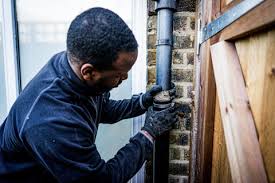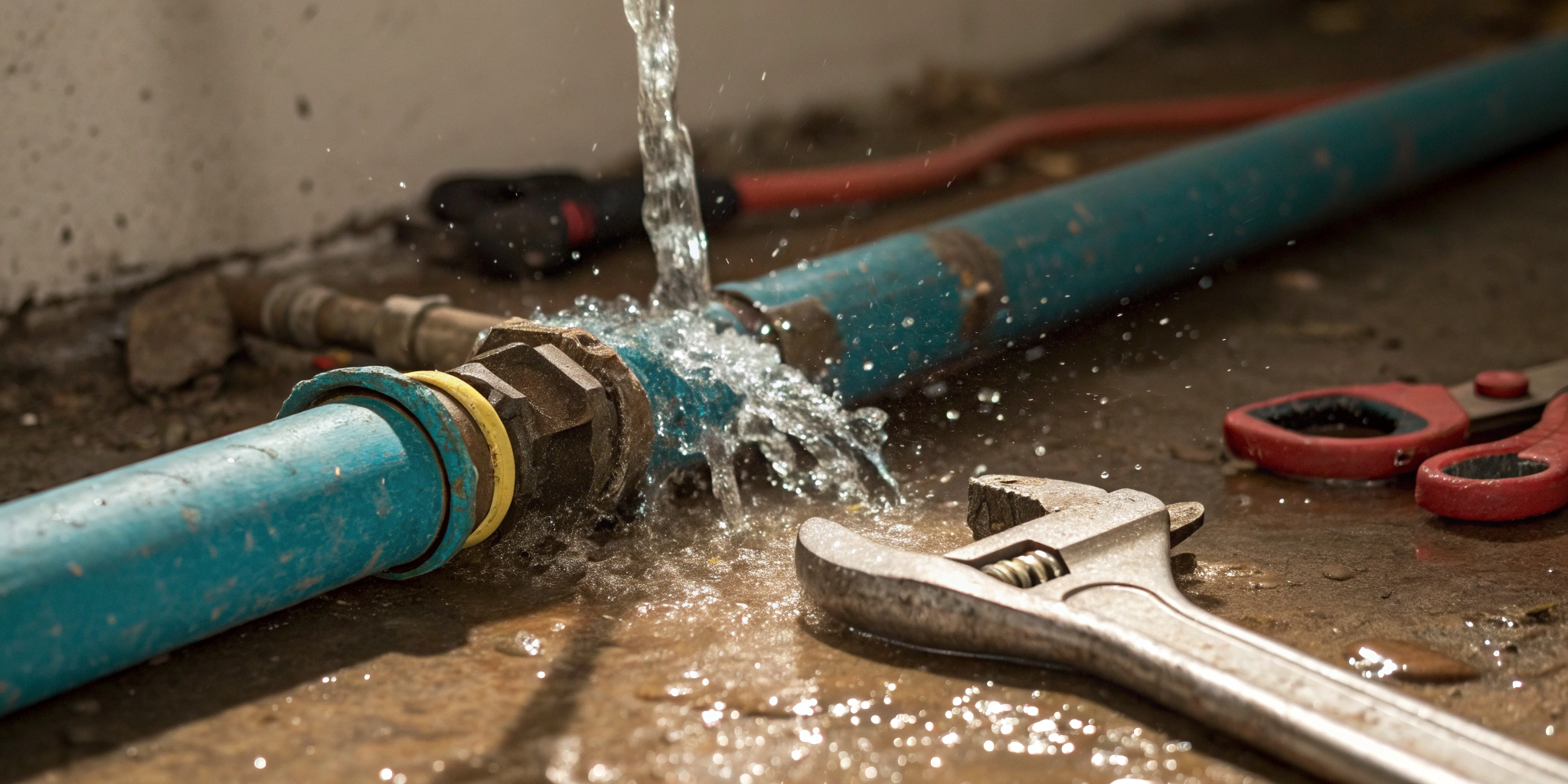


For many Kenyan tradespeople, the UAE feels like a practical place to look for better opportunities. Dubai, Abu Dhabi, Sharjah, Ajman, and other emirates have busy construction sites, hotels, apartments, malls, hospitals, and maintenance companies that need skilled hands throughout the year. Plumbing is one of those trades that may not always make headlines, but without it, buildings simply cannot function properly.
Still, working as a plumber in the UAE is not the same as doing repairs in an estate in Nairobi, fixing water lines in Nakuru, or handling bathroom installations in Mombasa. The job market is more regulated, employers ask for documents, and many companies want proof that you can work safely on modern plumbing systems. A Kenyan plumber may have strong experience, but without the right papers and preparation, getting hired can become difficult.
Understanding the qualifications needed to work as a plumber in UAE helps you avoid delays, fake agents, and poor job offers. It also gives you a clearer picture of what recruiters expect before they process your visa or place you on a worksite.
Why UAE Employers Pay Close Attention to Plumbing Qualifications
Plumbing work in the UAE is closely tied to safety, hygiene, water conservation, and property protection. A poor installation in a high-rise apartment, hotel, restaurant, or commercial building can cause serious damage. A small leak may affect several floors. A blocked drainage system can interrupt business operations. A badly fitted water heater can become a safety risk.
That is why employers in the UAE usually prefer plumbers who have formal training, verifiable work experience, and the ability to follow technical instructions. They are not only looking for someone who can repair a tap or unblock a drain. They want someone who understands drawings, measurements, pipe materials, safety rules, and site procedures.
There is also the issue of immigration and labour approval. In most cases, a plumber needs a valid job offer, work permit, medical clearance, and approved documents before working legally. Employers normally handle part of the process, but the applicant must provide genuine certificates and supporting documents.
Basic Education Needed to Work as a Plumber in UAE
You do not need a university degree to work as a plumber in the UAE. Most plumbing jobs are trade-based, so practical skill matters more than academic qualifications. However, basic education is still important because you may need to read work instructions, understand safety signs, calculate measurements, and communicate with supervisors.
For many Kenyan applicants, a KCSE certificate or an equivalent level of education is usually enough for basic education proof. What carries more weight is your plumbing training and trade certification.
Employers may ask for copies of your school certificate, technical training certificate, trade test certificate, or other documents showing that you have been trained in plumbing. Some employers are flexible, especially for helper roles, but better-paying technician positions usually require stronger proof.
Trade Certificates That Can Strengthen Your Application
A recognized plumbing certificate can make a big difference when applying for UAE plumbing jobs. In Kenya, NITA trade test certificates are among the most useful documents for skilled workers seeking jobs abroad. NITA Grade III, Grade II, or Grade I can help show that your plumbing skills have been formally tested.
Technical and vocational training institutions in Kenya also offer plumbing-related courses. A certificate from a recognized TVET institution can support your application, especially when combined with hands-on experience. Employers may not know every Kenyan college by name, but they understand the value of formal trade training when it is properly documented.
For plumbers who learned through apprenticeship, the challenge is usually paperwork. Many good plumbers in Kenya learned on the job from fundis, contractors, relatives, or workshops. That experience is valuable, but UAE recruiters often need documents they can attach to your employment file. Sitting for a trade test or getting formal certification can help turn your experience into recognized proof.
Work Experience Requirements for Plumbers in UAE
Experience is one of the most important qualifications needed to work as a plumber in UAE. Most employers want to know where you have worked, what kind of systems you handled, and how long you have been in the trade.
Entry-level or helper roles may accept limited experience, especially if the company provides training. However, technician roles often require several years of practical experience. For supervisory positions, employers usually look for longer experience and proof that you have managed other workers or handled larger projects.
A Kenyan plumber who has worked on residential estates, borehole connections, rental apartments, hotels, schools, hospitals, or commercial buildings should document that experience properly. Do not rely only on verbal claims. Get reference letters from past employers, contractors, site managers, or clients where possible.
A useful experience letter should mention your job title, duration of work, type of plumbing tasks handled, and contact details of the person or company confirming the experience. A stamped and signed letter looks more professional than a plain note.
Skills UAE Plumbing Employers Commonly Look For
Plumbing in the UAE may involve materials, fittings, and systems that are different from what many plumbers handle daily in Kenya. This does not mean Kenyan plumbers cannot adapt. Many do. But it helps to prepare before applying.
Employers may look for experience in hot and cold water systems, drainage installations, sanitary fittings, water heaters, pressure testing, pipe cutting, PPR welding, uPVC drainage, PEX piping, copper fittings, and maintenance work. In larger buildings, plumbers may also work alongside HVAC technicians, firefighting teams, and mechanical contractors.
Reading basic mechanical drawings is another important skill. On a busy UAE construction site, the supervisor may not have time to explain every detail verbally. You may be expected to follow drawings, understand symbols, measure correctly, and install fittings according to layout.
Safety awareness also matters. Helmets, gloves, harnesses, permit-to-work systems, toolbox talks, and site inductions are common on professional sites. A plumber who ignores safety rules can easily lose the trust of supervisors.
Documents Kenyans Should Prepare Before Applying
Before applying for plumber jobs in the UAE, it is wise to prepare your documents early. Missing paperwork can delay your application, even when an employer is interested.
Commonly requested documents include a valid passport, passport-size photos, KCSE certificate or equivalent education proof, plumbing certificates, NITA trade test certificate, experience letters, updated CV, certificate of good conduct, and medical test documents where required.
Your passport should be valid for a reasonable period, preferably more than six months. Some employers may ask for a police clearance certificate from Kenya. Medical checks are also common in the recruitment and visa process, and another medical test may be done after arrival in the UAE.
Certificate attestation is another important step. Educational and professional certificates may need to be verified through the relevant Kenyan authorities and the UAE Embassy or approved channels. Requirements can vary depending on the employer, emirate, and job category, so applicants should confirm the latest process with the recruiter, embassy, or official labour channels before paying for any service.
Do Plumbers Need a UAE Licence?
In many cases, the employer guides the worker through the legal process after offering the job. A plumber does not usually travel to the UAE independently and start working without sponsorship. The company normally processes the employment visa, work permit, medical checks, Emirates ID, and any internal approvals needed for the job.
Some projects may require additional trade testing, site approval, or municipality-related checks, especially for large construction, government, facility management, or specialized maintenance work. These requirements can differ depending on the emirate and the type of project.
Because rules may change, it is important to avoid relying on rumours from social media groups. Always confirm with the employer, licensed recruitment agency, or relevant authority before making financial commitments.
Common Mistakes Kenyan Plumbers Should Avoid
One common mistake is applying for overseas jobs without proper documents. You may have ten years of experience in Kiambu, Kisumu, or Eldoret, but if you cannot prove it, a recruiter may treat you like a beginner. Take time to collect certificates, reference letters, and a simple portfolio of your past work.
Another mistake is trusting agents who promise quick UAE jobs without documents, interviews, medical checks, or proper contracts. Genuine employers normally follow a process. Be careful if someone asks for large payments, refuses to share company details, or pressures you to send money urgently.
Some applicants also ignore the contract details. Before accepting a job, check the salary, accommodation, transport, food allowance, medical cover, working hours, overtime terms, leave days, and return ticket arrangement. Do not depend on verbal promises. The written contract is what matters when problems arise.
A third mistake is assuming plumbing work is the same everywhere. In the UAE, you may work on high-rise buildings, central water systems, luxury hotels, malls, or large residential compounds. The standards, tools, and pace may be different from what you are used to in Kenya.
How to Improve Your Chances of Getting a UAE Plumbing Job
Start by organizing your proof of skill. Prepare a clear CV that highlights your plumbing experience, training, tools you can use, and types of projects handled. Avoid exaggerating. A simple, honest CV is better than one filled with claims you cannot defend in an interview.
You can also create a small portfolio showing photos of completed work, especially neat bathroom installations, pipe layouts, water tank connections, drainage repairs, and commercial projects. Make sure the photos are your own work and avoid sharing private client details without permission.
Upskilling can also help. Training in PPR welding, pressure testing, pipe fitting, mechanical drawings, basic HVAC support, or firefighting pipework may improve your chances. Even short practical courses can make your profile stronger if they fill a real skill gap.
When researching training centres, recruitment agencies, or service providers in Kenya, use reliable sources and compare carefully. Platforms such as The Real Plug can help users find vetted professionals, service providers, and businesses in Kenya, which is useful when you want to avoid dealing with unknown or poorly reviewed providers.
Salary Expectations and Contract Terms
Plumber salaries in the UAE vary depending on experience, company size, emirate, job category, and whether the role is a helper, technician, senior plumber, or foreman. Helpers usually earn less than certified technicians. Plumbers with strong experience in commercial buildings, high-rise projects, or industrial systems may qualify for better pay.
Some contracts include accommodation and transport, while others provide allowances. Food may be provided, given as an allowance, or left to the worker depending on the company. Medical cover is usually part of formal employment, but the details should be confirmed before signing.
Always calculate the real value of the offer. A salary may look attractive in Kenyan shillings, but living costs, deductions, food, communication, personal expenses, and family support back home all affect how much you save. Do not accept a job only because the destination is Dubai or Abu Dhabi. Look at the full package.
Legal and Cultural Realities to Understand
Working in the UAE requires discipline. Timekeeping, safety compliance, respect for supervisors, and following company procedures are taken seriously. A worker who is careless with attendance, safety gear, or instructions can quickly get into trouble.
You should also understand that your visa is tied to legal employment. Do not work for another company without proper approval. Avoid absconding, overstaying, or relying on informal arrangements. Such decisions can lead to fines, job loss, or immigration problems.
Culturally, the UAE is diverse but also strict in certain areas. Workers come from many countries, including India, Pakistan, Nepal, the Philippines, Uganda, Ghana, and Kenya. Respecting different cultures and following local laws helps you settle faster and avoid unnecessary problems.
Final Thoughts
The qualifications needed to work as a plumber in UAE go beyond knowing how to fix pipes. You need formal proof of training, documented experience, valid travel documents, medical clearance, and a clear understanding of what employers expect. For Kenyan plumbers, NITA certification, technical training, reference letters, and proper document attestation can make the process smoother.
The opportunity is real, but it rewards preparation. Avoid shortcuts, fake agents, and poorly explained contracts. Build your skills, organize your papers, verify recruiters, and understand the work environment before you travel.
A plumber who has built experience in Kenyan homes, estates, hotels, schools, and construction sites can succeed in the UAE. The key is to present that experience professionally and be ready to meet the standards of a more regulated market.