

Plumbing is not always the first career that comes to mind when young people in Kenya think about their future. Many still picture office jobs, driving jobs, retail work, online hustles, or small businesses before they consider technical trades. In some families, plumbing is still wrongly dismissed as dirty work or something people do when they have no other option.
Yet walk through fast-growing areas like Syokimau, Kitengela, Ongata Rongai, Kikuyu, Ruiru, Eldoret, Kisumu, Nakuru, or Mombasa and you will notice something important. Construction is everywhere. New rentals are coming up. Homeowners are finishing bungalows. Schools are expanding. Hotels are upgrading bathrooms. Boreholes, water tanks, pumps, and drainage systems are becoming part of everyday life.
All these projects need plumbers. Not once, but throughout the life of the building.
So, is plumbing a good career in Kenya? Yes, it can be a very good career for someone who is willing to learn properly, work hard, build trust, and treat the trade like a serious business. It is not quick money, and it is not easy work. But for a skilled and professional person, plumbing offers steady demand, practical income opportunities, and room to grow.
Why Plumbing Demand Is Strong in Kenya
The demand for plumbers in Kenya is tied to one simple reality: every home, business, and institution needs water and sanitation. Whether it is a bedsitter in Githurai, a mansion in Karen, a school in Kakamega, a hotel in Diani, or a hospital in Garissa, plumbing systems must work properly.
Housing growth is one major driver. Towns around Nairobi such as Ruaka, Athi River, Kiambu, Ngong, and Kitengela continue to attract new developments. County towns are also expanding as people invest in rental houses, commercial buildings, guest houses, and family homes. Each new building needs water supply, drainage, toilets, sinks, showers, tanks, pumps, and sometimes solar water heaters.
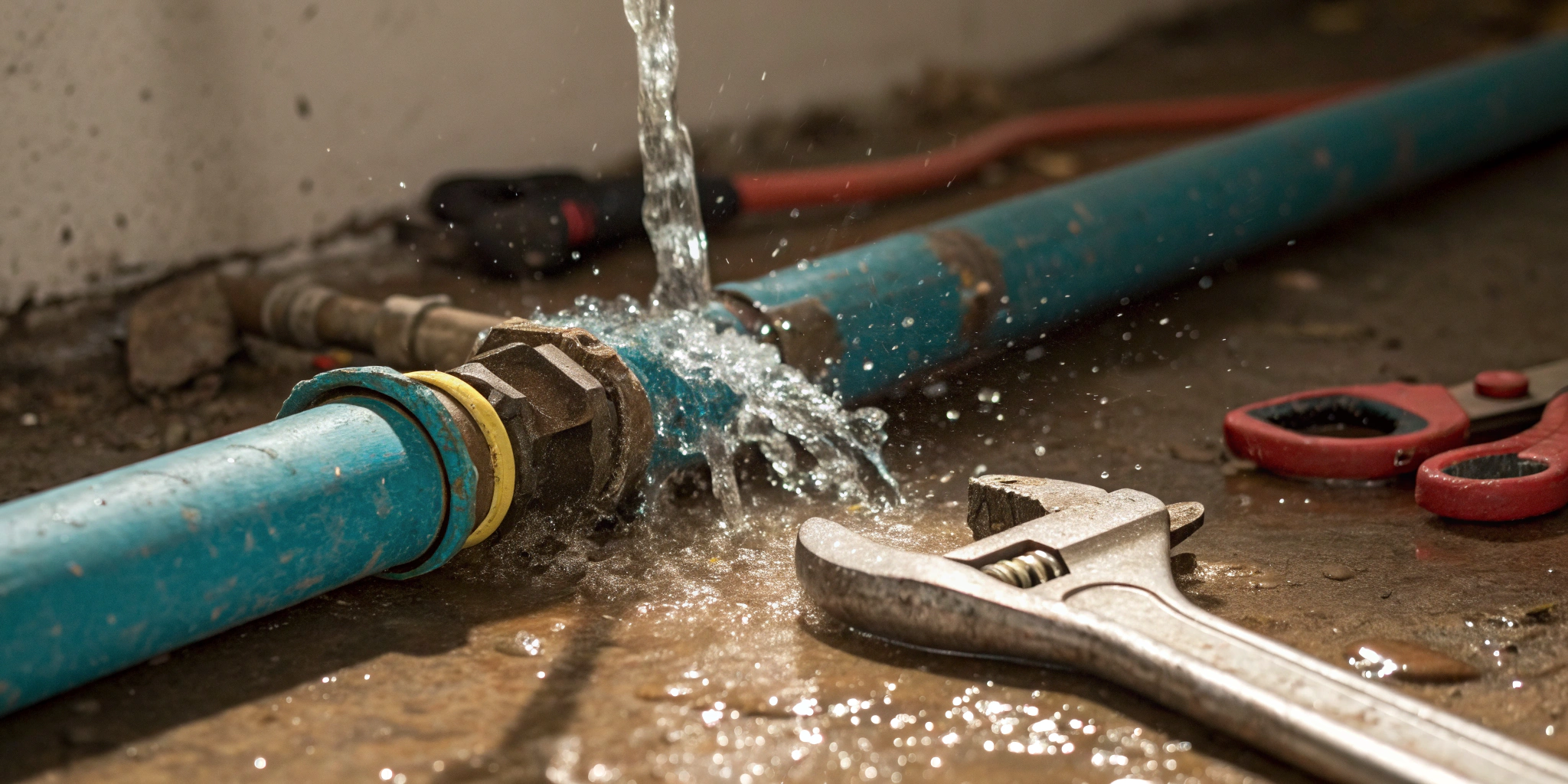
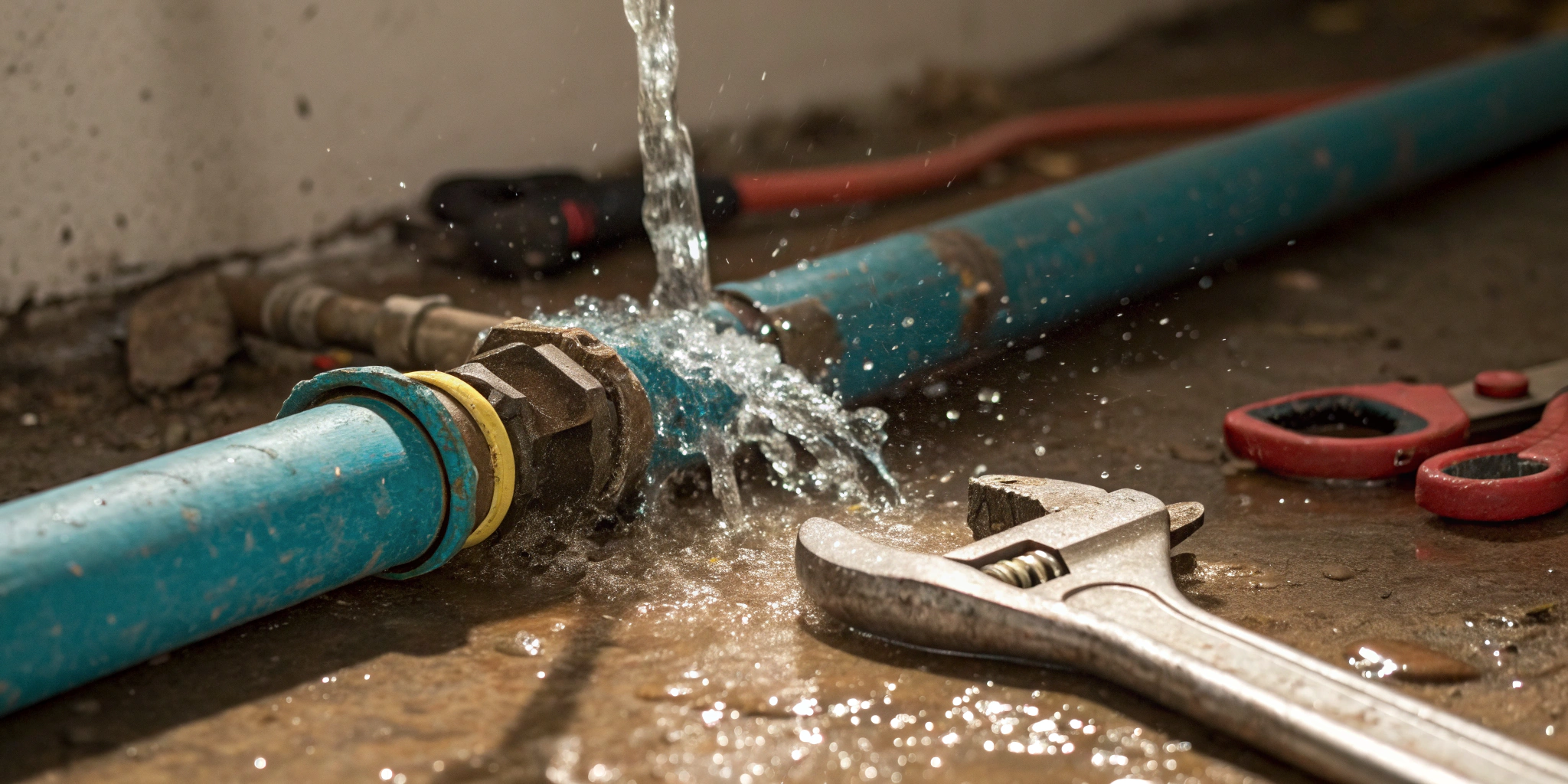
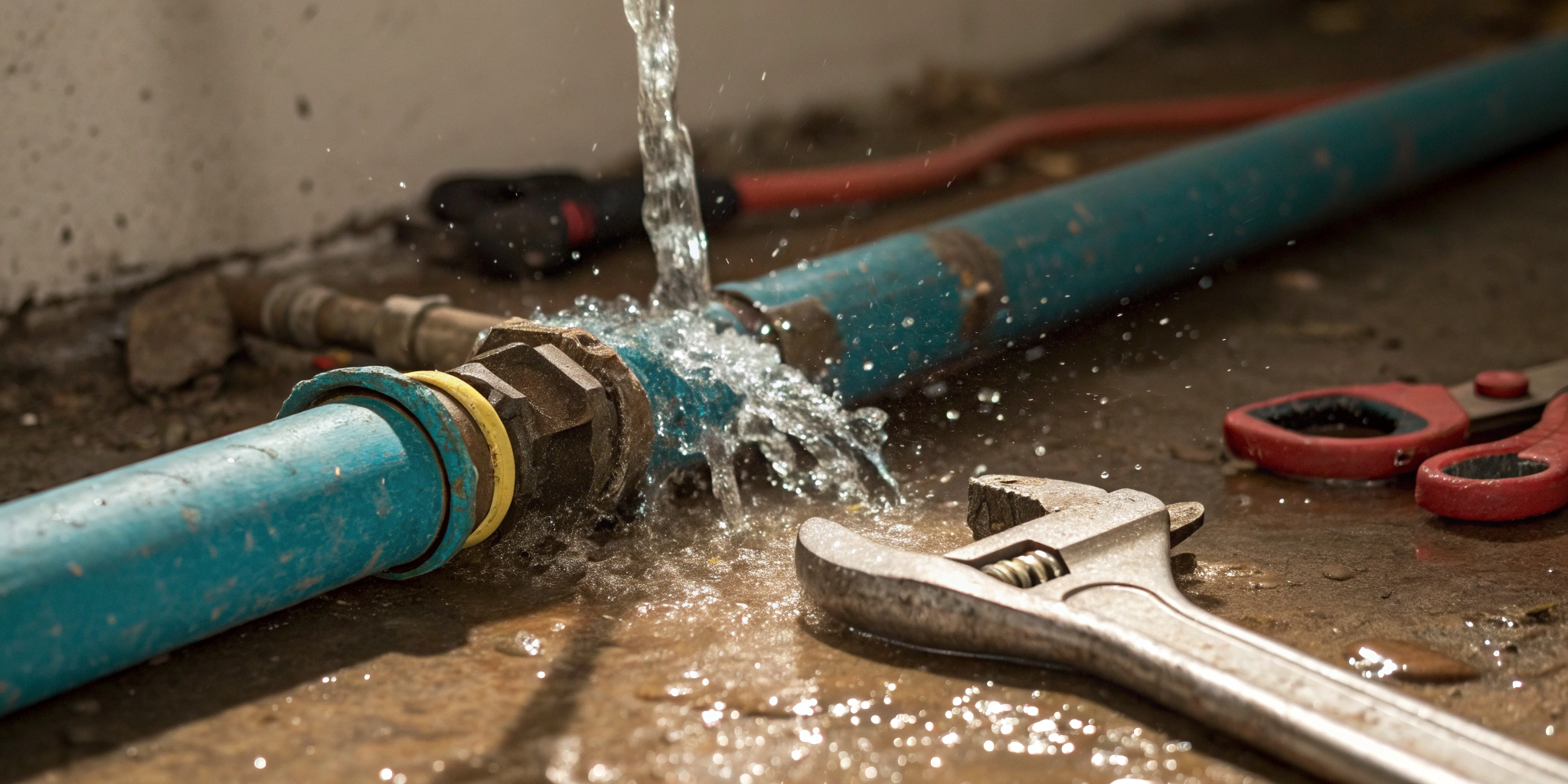
Maintenance also creates constant work. Pipes burst. Toilets block. Water heaters fail. Tanks overflow. Drainage lines collapse. Tenants complain. Landlords cannot ignore these problems because water issues quickly become health, comfort, and property damage concerns.
Beyond housing, plumbers are needed in farms, schools, factories, restaurants, hospitals, petrol stations, churches, apartments, and public facilities. In dry areas such as Kajiado, Machakos, Laikipia, and parts of Makueni, boreholes, storage tanks, and water distribution systems create extra demand for skilled plumbers.
This is why plumbing is not a seasonal skill in the same way some jobs are. Even when construction slows, repairs and maintenance continue.
How Much Can Plumbers Earn in Kenya?
Plumber earnings in Kenya vary widely. The income depends on skill level, location, experience, tools, reputation, specialization, and whether the plumber works casually, independently, or as a registered business.
A beginner working as an assistant on a construction site may earn a daily wage. In some areas, this may be modest, especially during the learning stage. This level can feel more like casual labour than a career, but it is often where many plumbers gain important site experience.
A skilled plumber working independently can earn more through house installations, repairs, maintenance contracts, water tank installations, pump connections, drainage work, and bathroom fittings. For example, full plumbing labour for a family house may pay much more than small repair jobs, but it also requires better planning, tools, and responsibility.
Commercial jobs can pay better. Schools, apartments, hotels, clinics, factories, and property managers often need reliable plumbers for ongoing maintenance. Monthly retainers can provide more stable income than waiting for random calls.
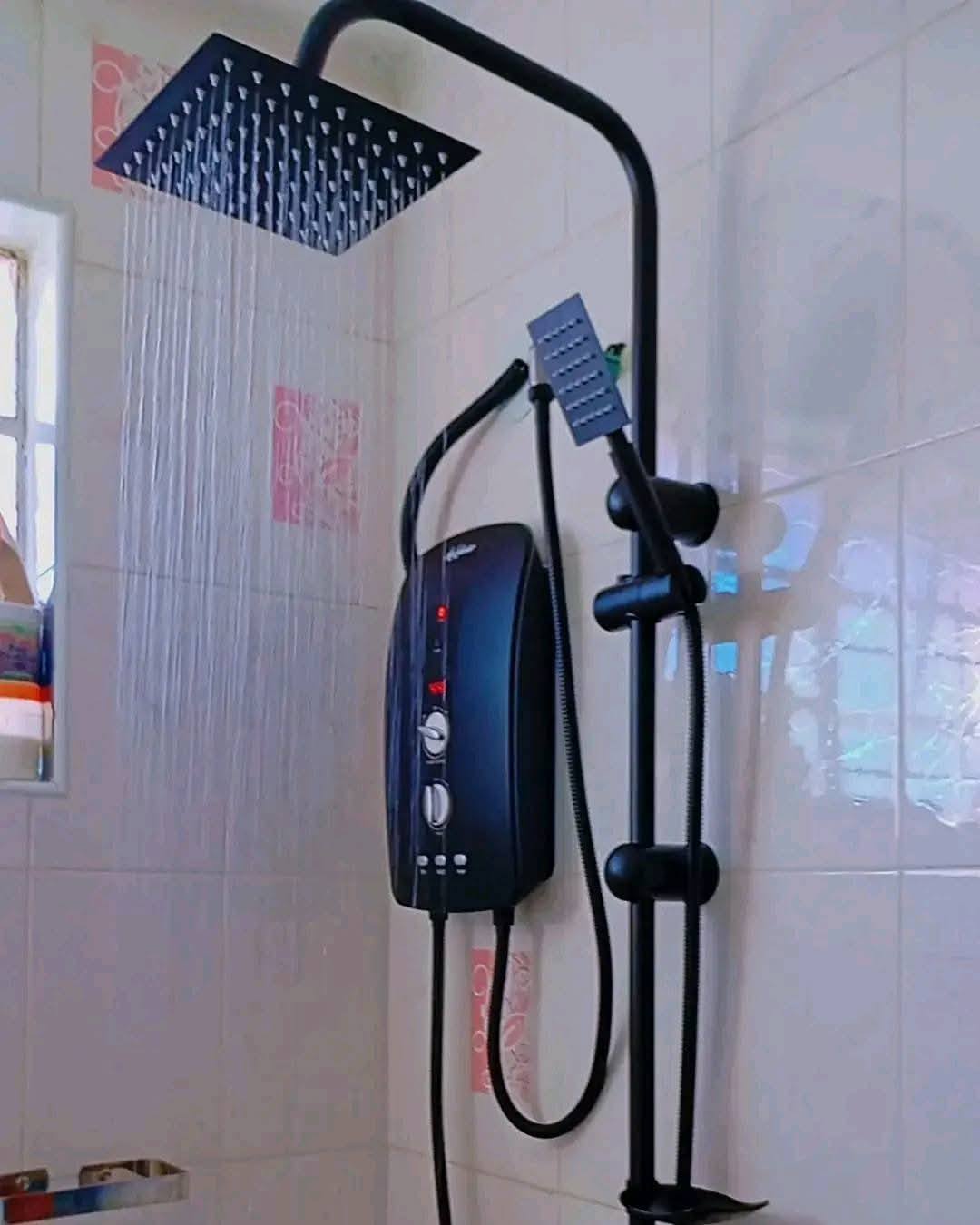
Specialized services may also improve earnings. Plumbers who understand solar water heating, booster pumps, borehole systems, irrigation lines, water treatment, leak detection, or apartment maintenance can charge better rates because fewer people offer those services professionally.
The important point is this: plumbing can pay well, but not automatically. The plumbers who earn consistently are those who show proof of skill, communicate clearly, give proper quotes, keep time, and leave behind neat work.
Why Plumbing Can Be a Good Career Choice
Plumbing has several advantages, especially for people who prefer practical work and want a skill that can grow into self-employment.
First, the demand is steady. Water and drainage problems cannot be postponed for long. A landlord may delay painting, but they cannot ignore a blocked sewer or leaking tank for weeks. That gives plumbers a level of job security that many informal jobs do not have.
Second, the entry path is more affordable than many degree programmes. A person can start through vocational training, apprenticeship, or a technical course, then improve through NITA trade testing and field experience. This makes plumbing accessible to school leavers, career changers, and people who already have hands-on ability.
Third, the career can grow. You can begin as a helper, become a skilled plumber, then move into independent work, commercial maintenance, subcontracting, or business ownership. Some plumbers eventually employ assistants, register companies, supply materials, or specialize in pumps, tanks, solar systems, or large developments.
Fourth, plumbing skills are transferable. A plumber trained in Kenya can work in different counties, serve different types of clients, or pursue opportunities abroad with the right certification and documents. The same basic principles of water supply, drainage, pressure, safety, and maintenance apply across many markets.
Finally, technical trades are gaining respect. Many Kenyans now understand that a skilled fundi can earn more than someone sitting in an office with a low salary. Clients are also becoming more willing to pay for professionals who arrive prepared, explain the work, and deliver lasting solutions.
The Challenges of a Plumbing Career in Kenya
Plumbing is not an easy career, and anyone considering it should understand the challenges clearly.
The work is physical. You may carry pipes, lift tanks, work in tight spaces, bend under sinks, climb roofs, open manholes, or handle messy drainage problems. Without proper tools and safety gear, injuries can happen.
Payments can also be difficult. Some clients delay paying balances after work is complete. Others change the scope of work but resist paying extra. Some expect the plumber to buy materials first and wait for reimbursement. To avoid this, professional plumbers use written quotes, deposits, staged payments, and receipts.
Competition is another challenge. In every town, there are people offering very cheap plumbing services. Some may use poor materials, skip pressure testing, or disappear when problems start. A serious plumber may lose some clients to cheaper competitors, especially at the beginning. Over time, however, clients who value quality often return to professionals.
Trust is also a major issue. Plumbers enter homes, businesses, schools, and private compounds. Clients worry about theft, damage, overcharging, and poor workmanship. This is why good reviews, referrals, identification, clear communication, and verified profiles matter.
Platforms such as The Real Plug can help users find vetted professionals, service providers, and businesses in Kenya. For plumbers, being visible on trusted platforms can reduce the trust gap and help serious clients find reliable service providers more easily.
Skills and Qualifications That Make a Plumber Stand Out
If you want plumbing to become a real career, training matters. You do not need to start with a degree, but you should build a strong foundation.
NITA certification is useful for plumbers in Kenya. NITA trade tests help show that your skills have been assessed. A technical certificate or diploma from a recognized training institution can also improve your credibility, especially when working with contractors, institutions, or formal employers.
Practical skills are just as important. A good plumber should understand pipe installation, drainage systems, water supply, bathroom fittings, tank installation, pump connections, pressure testing, leak repairs, and material selection.
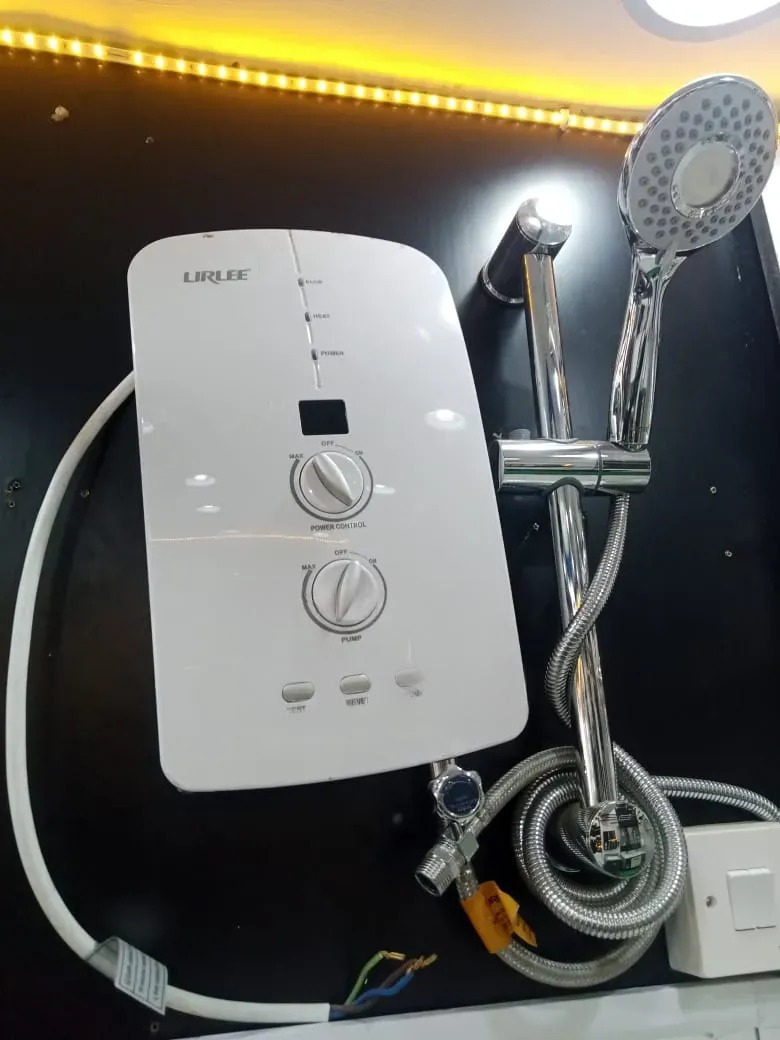
Modern systems are also becoming more common. Solar water heaters, booster pumps, concealed cisterns, rainwater harvesting systems, borehole connections, and irrigation lines are no longer rare. A plumber who learns these areas can access better jobs.
Soft skills can separate you from many competitors. Learn how to prepare clear quotes, explain problems in simple language, send updates, keep time, and handle complaints professionally. A client may forgive a delay if you communicate early, but silence creates mistrust.
Business skills also matter. Keep records, separate personal and business money, save for tools, track expenses, and understand how to price labour. As you grow, register a business name and consider compliance requirements such as NCA registration where relevant.
How to Start a Plumbing Career in Kenya
A beginner can start in several ways. One route is to enrol in a vocational training centre, technical institute, or plumbing course. This gives you theory, basic practical training, and a certificate that can support future work.
Another route is apprenticeship. You can attach yourself to an experienced plumber or plumbing company and learn on real jobs. This is common in Kenya and can be very valuable, especially when combined with formal certification later.
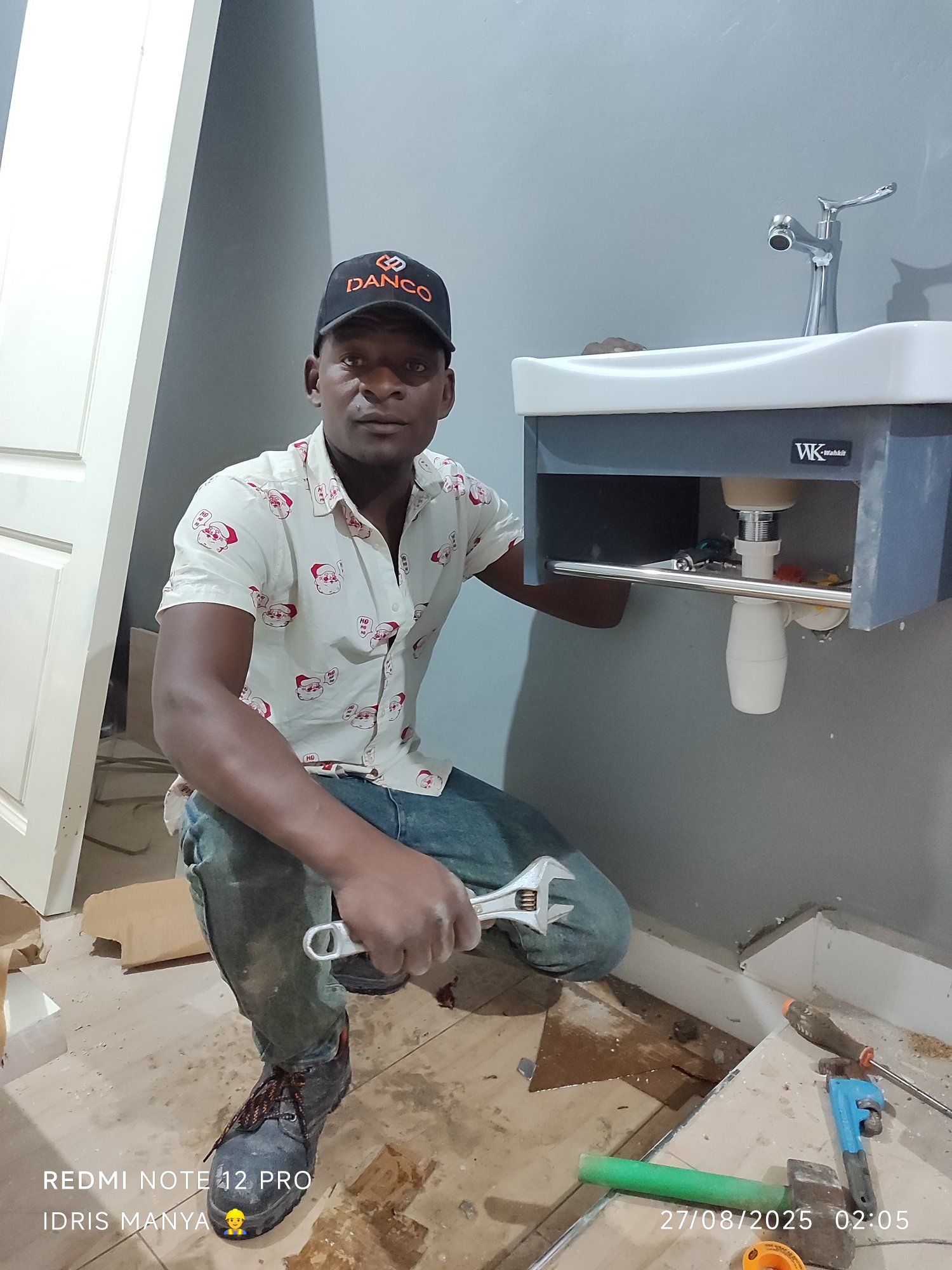
As you learn, start building your tool kit slowly. Basic tools may include a pipe wrench, tape measure, hacksaw, spirit level, pliers, screwdrivers, pipe cutter, and safety gear. As your work grows, you can invest in a PPR welding machine, pressure testing pump, drain cleaning tools, and better equipment.
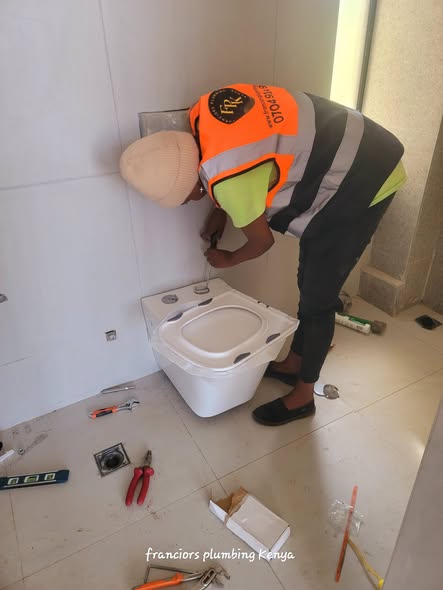
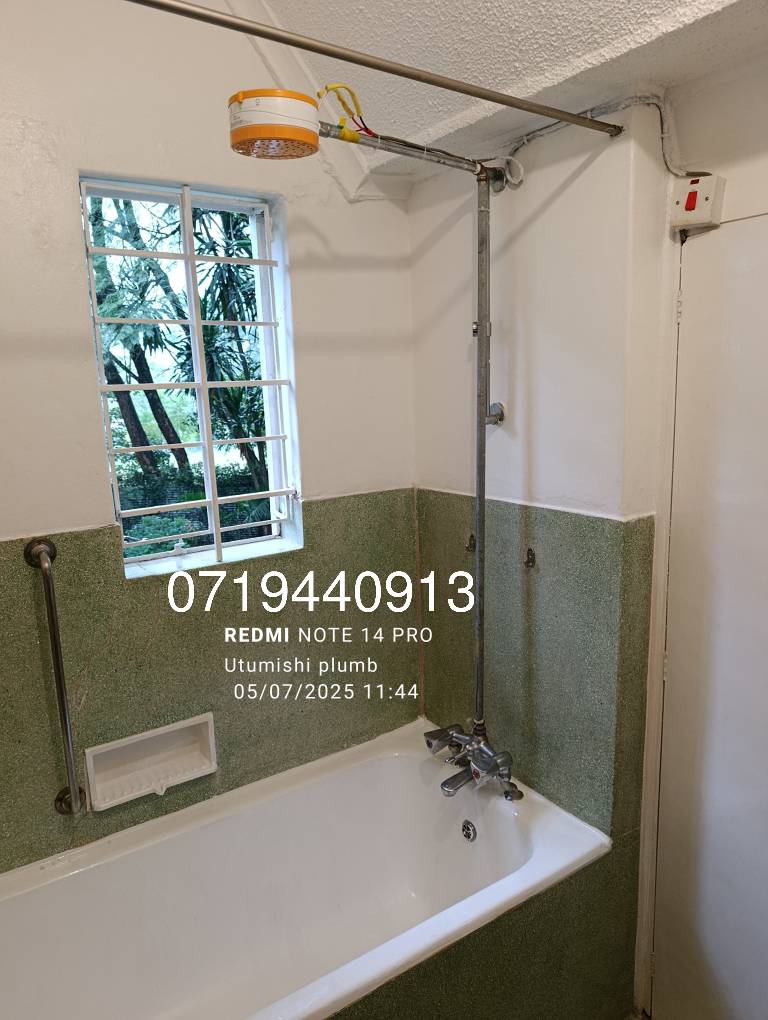
Document every good job you do. Take photos with permission, write down the location and type of work, and keep client contacts for references. Over time, this becomes your portfolio. A portfolio helps when applying for bigger jobs, working with developers, or convincing cautious clients.
Create simple visibility. A Google Business Profile, WhatsApp Business profile, social media page, or listing on The Real Plug can help clients verify your services. Word of mouth is powerful in Kenya, but online proof makes referrals stronger.
Can Plumbing Grow Into a Business?
Yes, plumbing can grow beyond daily jobs. Many successful plumbers in Kenya started as assistants, became independent fundis, then registered businesses and began taking larger contracts.
Once you have enough experience and clients, you can hire one or two assistants, handle multiple jobs, and build relationships with contractors, landlords, hardware suppliers, property managers, and institutions. You can also offer maintenance packages to apartments, schools, offices, restaurants, or small hotels.
Specialization can also turn plumbing into a stronger business. You may focus on borehole pump systems, solar water heating, apartment maintenance, commercial drainage, water tank installation, or bathroom renovations. Specialization helps you avoid competing only on price.
However, business growth requires discipline. You need written agreements, proper pricing, customer records, receipts, and savings. You also need to manage your reputation carefully because one badly handled job can affect future referrals.
So, Is Plumbing a Good Career in Kenya?
Plumbing is a good career in Kenya for someone who is practical, patient, reliable, and willing to keep learning. It offers steady demand, decent earning potential, self-employment opportunities, and room to grow into specialized or commercial work.
It is not a good fit for someone who wants easy money without training. It also may not suit someone who dislikes physical work, messy repairs, early mornings, difficult clients, or responsibility. Plumbing problems can be urgent, stressful, and sometimes uncomfortable.
But for a person who takes the trade seriously, the career can be rewarding. Kenya needs skilled plumbers in homes, estates, farms, institutions, hotels, hospitals, and construction projects. As clients become more careful about quality and compliance, professional plumbers will have an advantage over casual workers who rely only on guesswork.
Final Thoughts
Plumbing in Kenya is no longer just a fallback option. It is a practical career with real demand and serious growth potential. The people who succeed are those who train, gain experience, invest in tools, communicate well, and build trust one job at a time.
Start small if you must, but start properly. Learn under someone experienced, pursue certification, document your work, price honestly, and treat every client as a future referral. The market is there, from new estates and rental blocks to schools, hotels, farms, and county projects.
So, is plumbing a good career in Kenya? Yes, if you are ready to become a good plumber. The opportunity is real, but the rewards go to those who combine skill with professionalism.