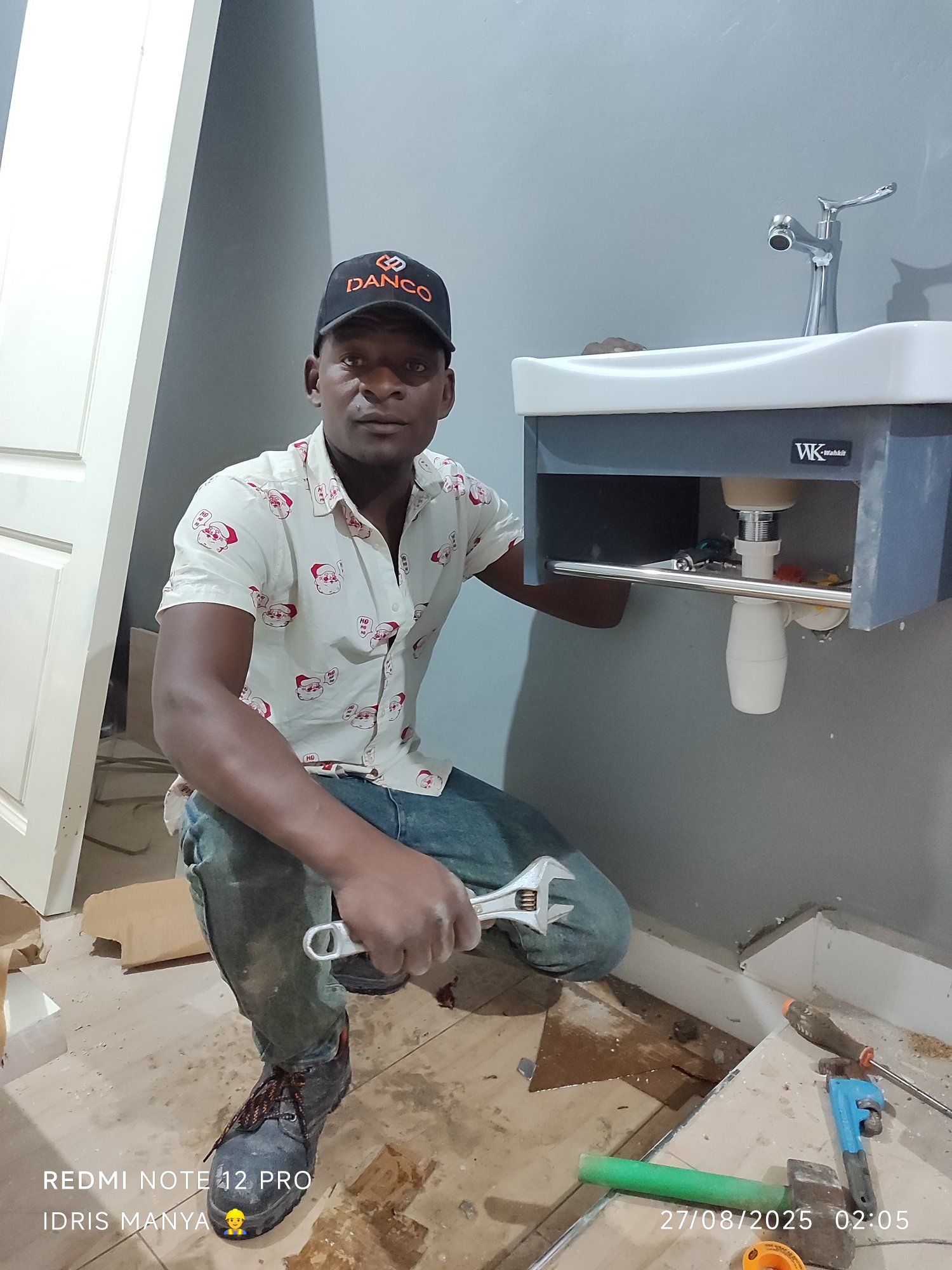


For many Kenyan plumbers, getting a job in the UAE is already a big achievement. It may mean leaving behind irregular local jobs, small repair calls, delayed payments, and the daily hustle of looking for clients in Nairobi, Nakuru, Kisumu, Mombasa, or Eldoret. A UAE contract can offer a more predictable income, shared accommodation, transport, medical cover, and exposure to larger projects.
But getting the job is only the beginning.
Many plumbers arrive in Dubai, Abu Dhabi, or Sharjah expecting their salary to rise automatically after a few months. In reality, pay increases depend on your skills, documents, job title, work record, and ability to show value. If you stay at the same skill level, keep quiet during renewals, and never document your work, your salary may remain almost the same for years.
The good news is that Kenyan plumbers can increase their salary in UAE if they approach the job professionally. It takes planning, patience, and steady improvement, not shortcuts.
Understand How Plumbing Salaries Work in the UAE
Plumbers in the UAE are usually paid based on job category, experience, company size, project type, and technical ability. A helper earns less than a general plumber. A general plumber earns less than an MEP technician. A foreman or supervisor earns more because they manage people, drawings, materials, and inspections.
It is also important to understand the difference between basic salary and total package. Some contracts include basic salary, food allowance, accommodation, transport, overtime, and medical cover. Overtime and end-of-service benefits are often calculated from the basic salary, not the full amount.
This means two plumbers may appear to earn the same total salary, but the one with a higher basic salary may receive better overtime and final benefits. Before asking for a raise or changing jobs, understand your current salary structure clearly.
Move from Helper to Skilled Technician
In Kenya, the word fundi can describe many skill levels. A young trainee, an experienced plumber, and a master technician may all be called fundi. In the UAE, job titles carry more weight.
If your visa or contract lists you as a helper, you may be paid as one even if you have years of experience. To earn more, you need to move toward titles such as plumber, plumbing technician, MEP technician, maintenance technician, foreman, or supervisor.
This does not happen by complaining only. Ask your supervisor or HR what is required to upgrade your designation. You may need to pass a trade test, complete probation, show consistent performance, or take extra training. Once your job title changes, your salary has a better chance of improving.
Learn the Skills UAE Employers Pay More For
General plumbing skills are useful, but higher pay usually goes to plumbers who can handle more technical work.
MEP plumbing is one of the strongest areas to learn. Large buildings in Dubai and Abu Dhabi need plumbers who can read drawings, install pipe systems correctly, pressure test lines, and coordinate with HVAC and electrical teams.
Pump maintenance is another valuable skill. Many buildings use booster pumps, transfer pumps, sump pumps, and circulation pumps. A plumber who can diagnose pump issues, replace faulty parts, and understand pump room layouts becomes more useful to maintenance companies.
Skills in PPR welding, HDPE pipework, copper pipework, drainage systems, chilled water lines, fire-fighting pipework, and high-rise plumbing can also improve your value. If you only know small residential repairs, you may remain at entry level longer.
Improve Your Drawing Reading and Reporting
Many Kenyan plumbers are good with hands-on work but weak in documentation. In the UAE, this can limit salary growth.
Sites use drawings, work orders, inspection requests, checklists, and daily reports. A plumber who can read a riser diagram, understand pipe sizes, follow a layout, and report progress clearly is more trusted by supervisors.
You do not need to become an engineer. But learning basic drawing interpretation, symbols, measurements, and MEP terminology can move you from simple tasks to more responsible work.
Good reporting also helps. If you repair a repeated leak in a hotel, service pumps, or complete pressure testing, document it. Keep records of major work you have handled. These records can support your request for promotion or a better job elsewhere.
Get Useful Certifications
Certifications can help you stand out, especially when applying for better-paying roles. Some companies offer internal safety training, while others expect workers to arrange their own courses.
Useful certificates may include health and safety training, working at heights, confined space awareness, fire safety, first aid, scaffolding awareness, pump maintenance, or basic MEP training. If your company offers free training, take it seriously.
A NITA certificate from Kenya or TVET qualification can help you get hired, but UAE-based training can help you grow after arrival. Keep every certificate and save digital copies. During interviews or salary reviews, proof is stronger than simply saying you know something.
Build a Clean Work Record
Employers in the UAE value workers who are reliable. Showing up on time, following safety rules, finishing tasks properly, and avoiding unnecessary conflict can make a big difference.
A plumber who causes few call-backs is valuable. A worker who disappears, fights, ignores instructions, or damages materials becomes risky. Even if you are technically skilled, poor behaviour can block your salary growth.
Your reputation follows you. Supervisors move between companies, workers refer each other, and HR teams check previous records. A clean record can help you get better offers after your first contract.
Negotiate Salary Professionally
Many Kenyans feel uncomfortable asking for more money. But in the UAE, salary discussion is normal, especially during contract renewal or when moving to a new company.
Do not ask for a raise only because life is expensive. Explain the value you now bring. For example, mention that you can handle pump room maintenance, read MEP drawings, supervise junior workers, respond to hotel maintenance calls, or complete pressure testing without supervision.
The best time to negotiate is after you have proven yourself. If you have completed probation, avoided warnings, gained new skills, and taken on extra duties, your case is stronger.
If the company refuses, ask what you need to achieve to qualify for a higher grade. This gives you a clear target instead of guessing.
Be Careful With Illegal Side Jobs
Private weekend jobs may look tempting, especially when someone offers quick cash to fix a leak or install fittings. However, working outside your sponsor without permission can create legal problems in the UAE.
If you are caught working illegally, you may face fines, job loss, deportation, or a ban. The small extra money may not be worth the risk.
A safer path is to grow within your company, apply legally to better employers after completing your contract, or move into roles that include overtime or allowances. If a freelance permit or legal side arrangement is available, verify the rules before accepting any work.
Use Networks, But Verify Opportunities
Kenyan workers in the UAE often share job leads through WhatsApp groups, church networks, friends, and former colleagues. These networks can be useful, but not every opportunity is genuine.
Before changing jobs, check the employer, salary, visa category, contract terms, and accommodation details. Do not resign from a stable job because of a vague promise from someone who cannot show written details.
The same caution applies when choosing professionals or businesses back home. Platforms such as The Real Plug help users find vetted service providers and businesses in Kenya. Use that same habit in the UAE by verifying employers, recruiters, and contracts before making decisions that affect your income.
Plan Your Money So Salary Growth Counts
A higher salary means little if all the extra money disappears. Many workers increase their income but also increase their spending. New phones, clothes, restaurant meals, loans, and weekend outings can quietly drain savings.
Before your salary improves, decide what the extra money should do. You may want to clear debt, buy land, build a house, support family, buy tools, or start a business in Kenya.
Track your income and expenses. Keep emergency savings. Understand your end-of-service benefits and check your payslips regularly. A plumber who manages money well can make even a modest salary work better than someone who earns more but spends without a plan.
Think Beyond the First Contract
Your first UAE contract should be a stepping stone. Use it to gain Gulf experience, understand MEP systems, improve English communication, and build references.
After one or two contracts, you may qualify for better roles in facility management, hotel maintenance, industrial plumbing, pump maintenance, or supervision. Some plumbers later move to Qatar, Saudi Arabia, Canada, or Australia. Others return to Kenya and start proper plumbing businesses with better tools and a stronger work culture.
The goal should not only be earning more this month. It should be building a career that gives you better options in the future.
Common Mistakes That Keep Salaries Low
One mistake is staying too long in a company that offers no training, no promotion, and no clear salary growth. Loyalty is good, but it should not keep you stuck.
Another mistake is failing to document skills. If you can read drawings, handle pumps, or supervise workers, make sure your CV and records show it.
Some plumbers ignore contract details. A higher total salary may not be better if the basic salary is low, overtime is unclear, or accommodation is poor.
Others damage their reputation through lateness, conflict, poor communication, or careless work. In a competitive job market, professionalism can be the difference between remaining at entry level and moving up.
Conclusion
Kenyan plumbers can increase their salary in UAE by becoming more valuable, not by waiting for luck. The workers who grow fastest are those who learn MEP systems, improve drawing reading, handle technical tasks, collect useful certificates, maintain a clean record, and negotiate professionally.
The UAE still needs skilled plumbers, but companies pay more for workers who solve bigger problems with less supervision. If you are currently working there, choose one skill to improve this month. If you are still in Kenya, start preparing before you travel.
A better salary is possible, but it comes from planning, proof, discipline, and steady growth.