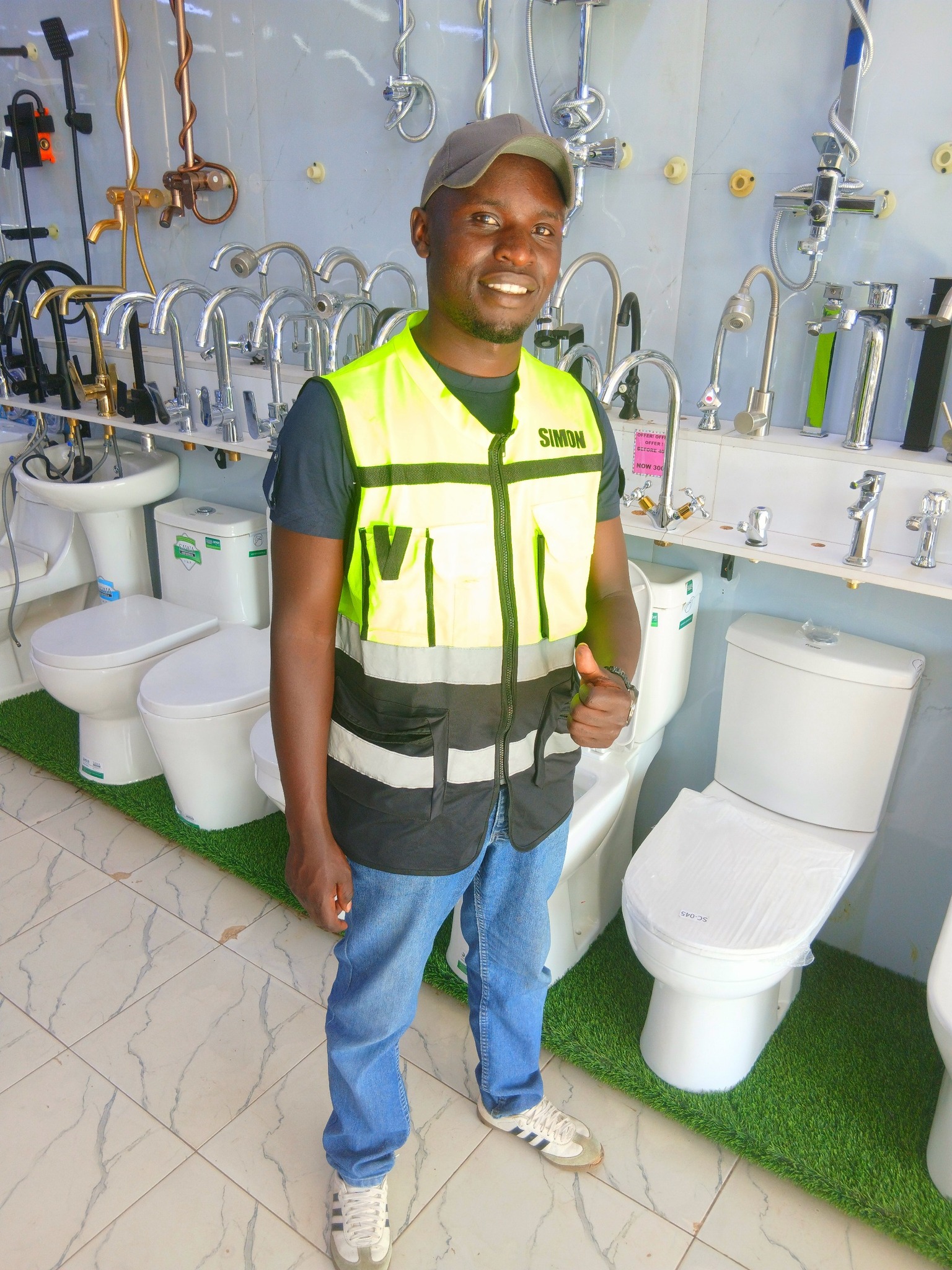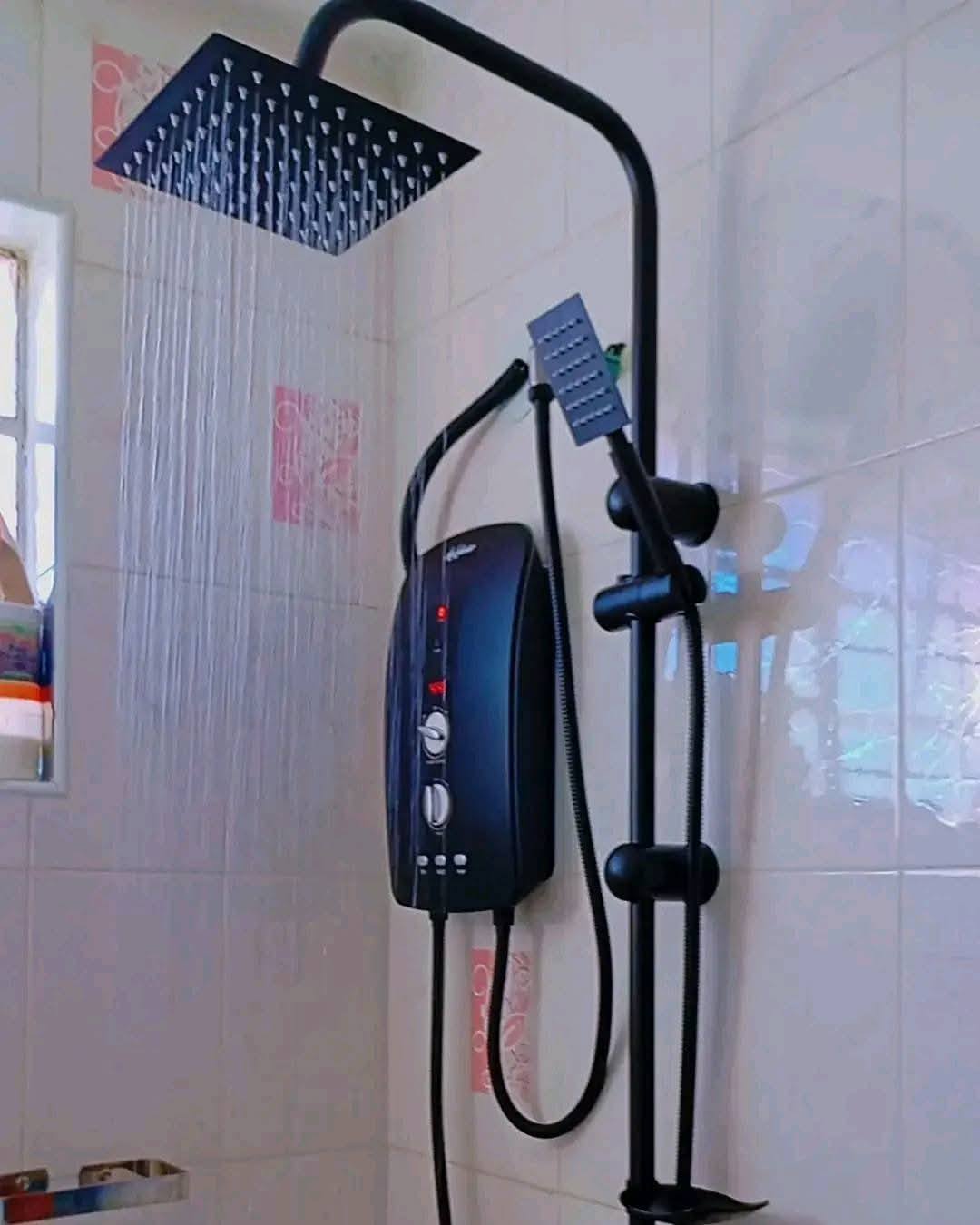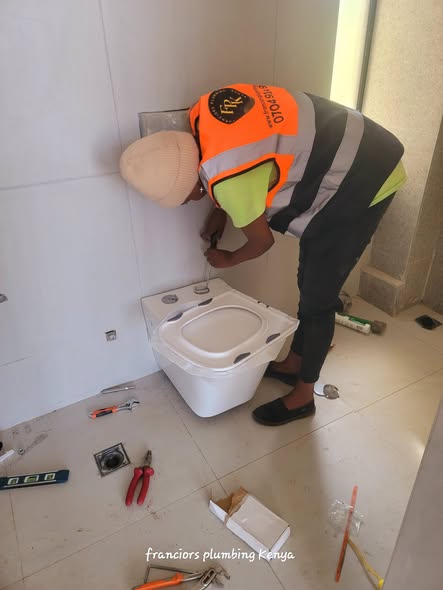


Moving from Kenya to Dubai as a professional plumber can be a smart career step, but it should never be treated like a casual trip. Dubai has many hotels, apartments, malls, offices, villas, hospitals, and construction projects that need plumbers every day. If you have worked on homes in Thika, apartments in Nairobi, hotels at the Coast, or water systems in Kisumu, your skills can be useful in the UAE.
Still, Dubai is not a place to enter blindly. A good plumber in Kenya may be known through referrals, site experience, and client trust. In Dubai, employers want documents, contracts, medical tests, safety compliance, and proof that you can work in a structured environment. The move can open doors, but only if you prepare well.
This guide explains what Kenyan plumbers should know before moving to Dubai, including legal routes, documents, salary expectations, living costs, common mistakes, and how to protect yourself from poor deals.
What Dubai Expects from a Professional Plumber
Plumbing work in Dubai is often more structured than many local jobs in Kenya. In Kenya, a plumber may inspect a job, buy materials from a hardware, agree on labour charges, and finish the work independently. That experience is useful, but Dubai sites usually operate under engineers, supervisors, drawings, safety officers, and strict timelines.
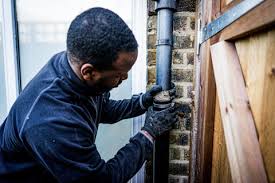
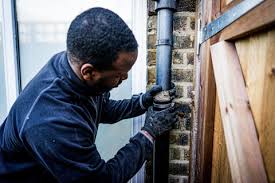
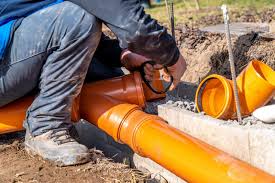
A professional plumber in Dubai may be expected to read basic drawings, install water supply systems, work with drainage lines, handle sanitary fittings, maintain pumps, and follow site instructions. On larger projects, plumbers may work with HVAC technicians, electricians, civil workers, and MEP supervisors.
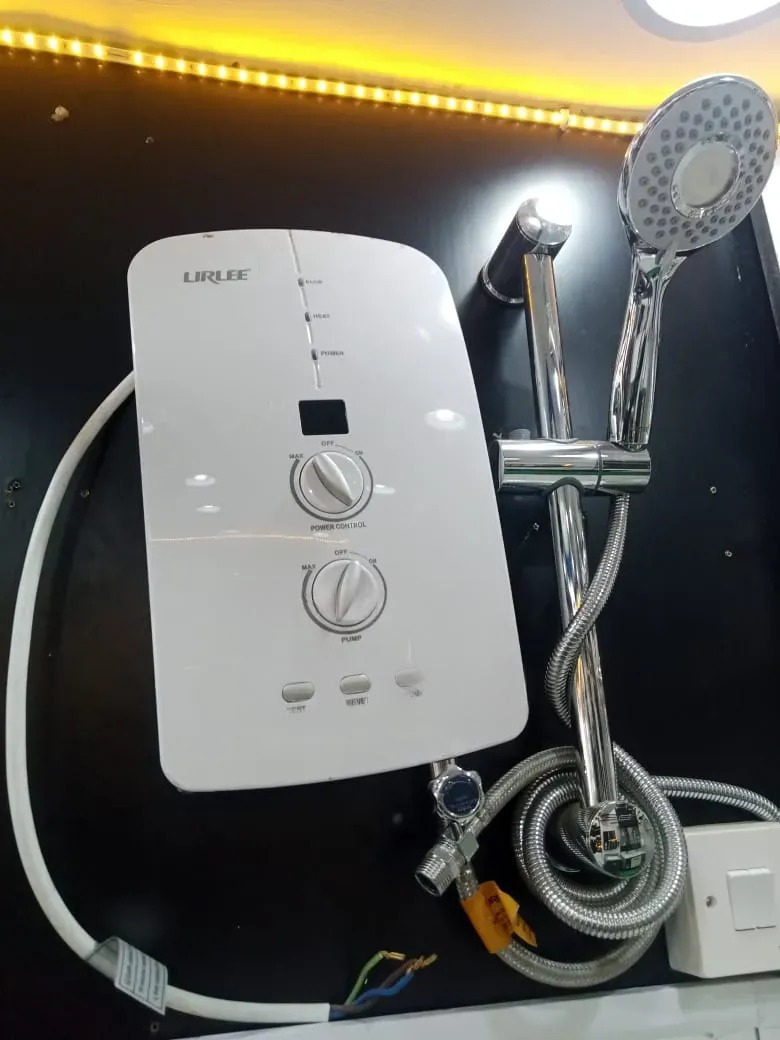
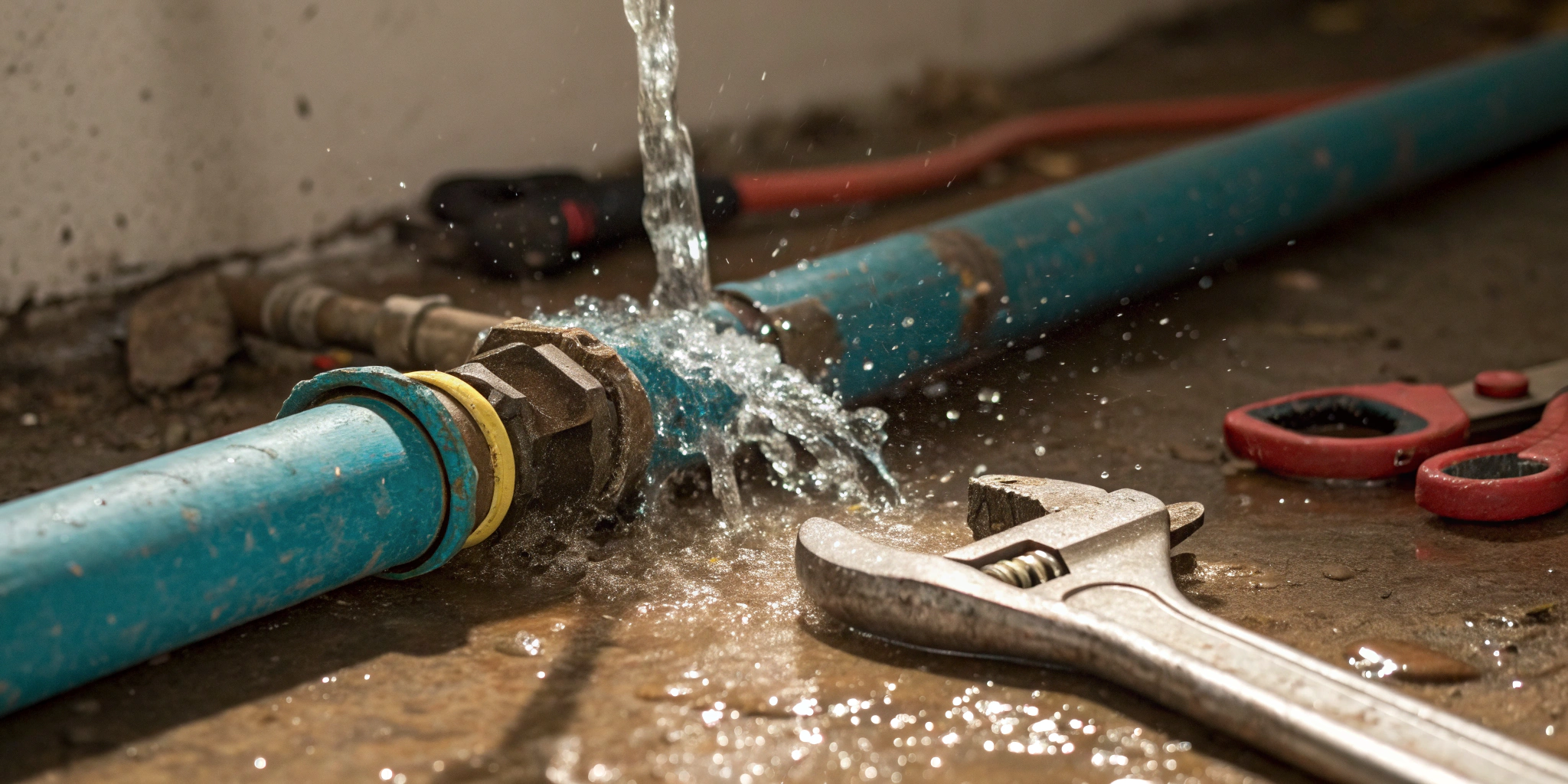
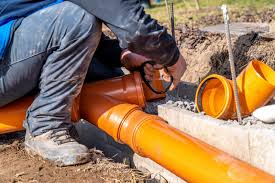
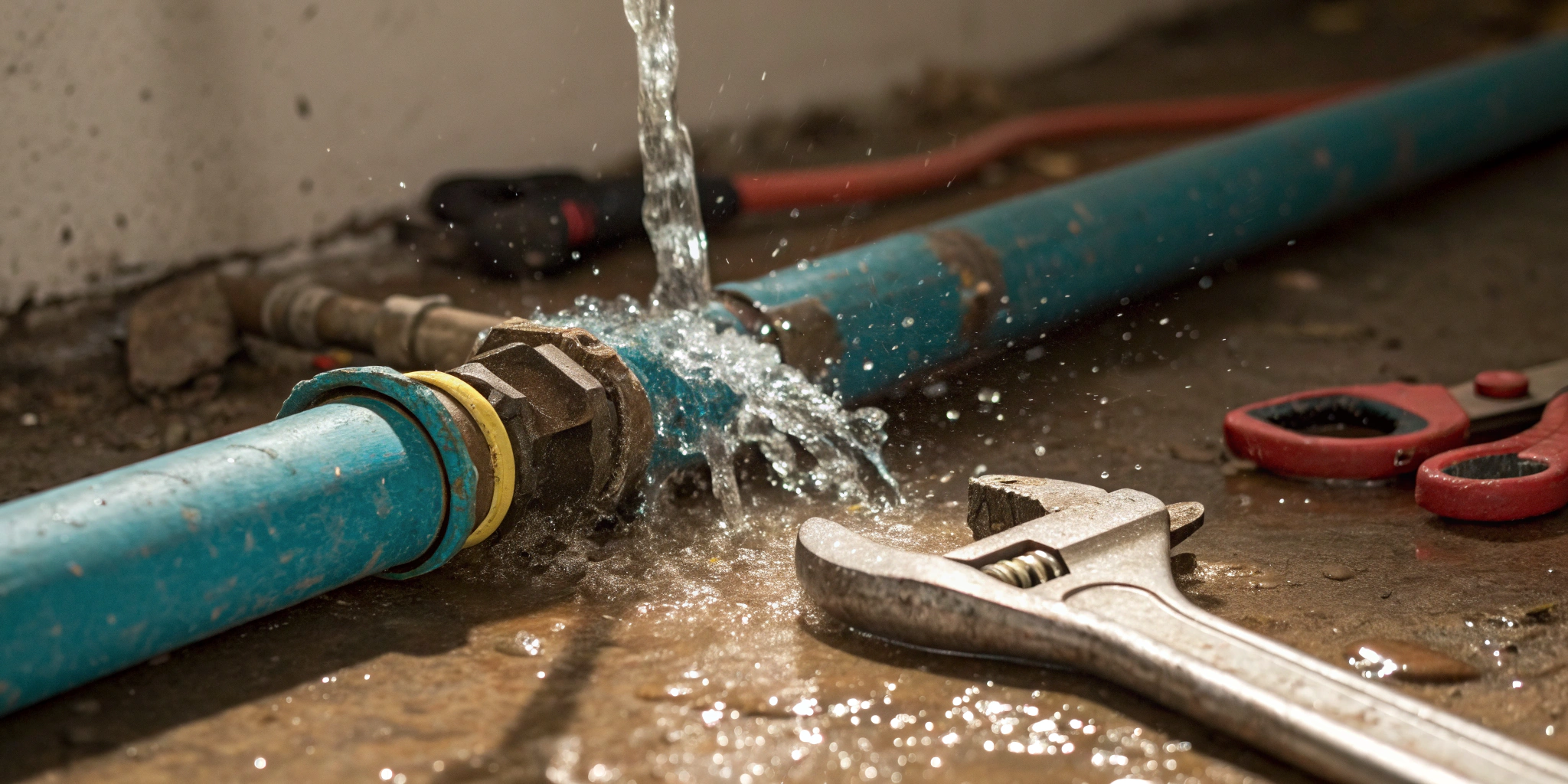
Common materials include PPR, PVC, HDPE, copper, GI pipes, and sometimes cast iron. You may also work around pressure testing, pump rooms, fire-fighting systems, AC condensate drains, water heaters, and building maintenance systems.
If you are used to informal site work, this can feel different at first. Timekeeping, safety gear, reporting, and teamwork are taken seriously. The good thing is that many Kenyan plumbers adapt well because they are already used to solving practical problems under pressure.
Legal Ways to Move from Kenya to Dubai as a Plumber
Using a Licensed Recruitment Agency
Many Kenyan plumbers move to Dubai through recruitment agencies. This can be a safe route if the agency is properly licensed and transparent. A genuine agency should explain the employer’s name, job title, salary, accommodation, contract length, and visa process.
Before paying anything, verify the agency through the relevant Kenyan authorities. Be careful with anyone who asks for large processing fees before an interview or refuses to provide employer details.
A proper process usually includes an interview, trade test, medical examination, contract signing, visa processing, and flight arrangements. Do not rely on verbal promises. Everything important should be written in the contract.
Applying Directly to Employers
Some plumbers apply directly to Dubai companies through official websites, job boards, LinkedIn, or referrals. Facility management companies, hotels, construction firms, and MEP contractors sometimes advertise plumbing roles.
This route may take longer, but it reduces the risk of dealing with middlemen. If selected, the employer should process your work permit and residence visa before you travel.
Always confirm that the company is real. Check its website, office location, business profile, and reviews where available. A serious employer should communicate professionally and provide written job details.
Travelling on a Visit Visa to Search for Work
Some Kenyans travel to Dubai on visit visas and look for jobs after arrival. While some people succeed this way, it is risky. Working on a visit visa is not legal, and failure to secure a job before the visa expires can lead to fines, stress, and forced return.
This route also requires money for accommodation, food, transport, and visa extension if needed. Unless you have reliable support, enough savings, and a clear plan, it can become expensive very quickly.
For most plumbers, moving with an approved employment visa is safer.
Documents Kenyan Plumbers Need
Start organizing your documents early because some may take time to process or correct.
You will need a valid passport. Make sure your names match across your passport, ID, certificates, and employment records. Small differences can cause delays.
You may also need a police clearance certificate, medical fitness test, passport photos, CV, trade certificates, and reference letters. A NITA trade test certificate, TVET certificate, craft certificate, or plumbing diploma can strengthen your application.
Experience letters are also important. Ask previous employers, contractors, property managers, or clients to write clear letters showing the projects you handled, dates worked, duties performed, and contact details.
If documents require attestation, confirm the current requirements before starting because rules and costs can change. Use official channels and avoid shortcuts.
How to Prepare a Strong Plumbing CV
Your CV should show practical experience clearly. Avoid vague wording such as “hardworking plumber.” Instead, mention the systems you have worked on.
For example, include experience with water tank installation, drainage systems, sanitary fittings, PPR pipework, pump repairs, bathroom installations, pressure testing, hotel maintenance, or apartment plumbing.
Keep the CV short, clean, and professional. Two pages are usually enough. Include your full name, phone number, email address, location, skills, work history, certificates, and references.
If you have worked on major projects, mention them honestly. A statement like “installed water supply and drainage systems for a 12-unit apartment block in Ruiru” is stronger than “worked on buildings.”
Salary and Living Costs in Dubai
Plumbing salaries in Dubai vary depending on experience, employer, job category, and whether you are hired as an assistant, general plumber, MEP plumber, maintenance technician, or foreman.
First-time workers may start on modest salaries. Skilled plumbers with strong experience can earn more, especially in MEP or maintenance roles. Foremen and supervisors earn better packages, but those positions usually require Gulf experience and leadership skills.
Do not judge a job only by converting dirhams into Kenya shillings. Check the full package. Does the employer provide accommodation, transport, medical insurance, food allowance, uniforms, and return ticket? These details affect your savings.
If accommodation and transport are provided, you can save more. But food, phone, internet, personal items, family support, and loan repayments can reduce your take-home amount. Dubai also has many spending temptations, so discipline matters.
What to Check Before Signing a Contract
Read your contract carefully before signing. Check the job title, basic salary, allowances, working hours, overtime rate, rest day, accommodation, medical cover, leave days, probation period, contract length, and return ticket terms.
Pay attention to the basic salary. In many cases, overtime and end-of-service benefits are calculated from the basic salary, not the full package. If the basic salary is low, your final benefits may also be lower.
Do not accept unclear promises such as “food will be sorted later” or “salary will increase after arrival” unless they are written into the contract.
Keep copies of your contract, passport, visa, medical documents, and travel papers. Save them on your phone and send copies to a trusted person in Kenya.
Common Mistakes Kenyan Plumbers Make
One major mistake is trusting unverified agents. If an agent promises a quick Dubai job with no interview, no medical, no employer name, and no written contract, be careful.
Another mistake is travelling with no savings. Even if the job is genuine, your first salary may take several weeks. You may need money for toiletries, food, phone credit, transport during off days, and small emergencies.
Some plumbers also overestimate their starting position. A skilled fundi in Kenya may still begin as a general plumber or assistant in Dubai until the company confirms their ability. That does not mean failure. It can be a stepping stone.
Others ignore safety rules. Dubai worksites take safety seriously. Helmets, boots, gloves, reflective jackets, and site procedures are not optional.
How to Verify Opportunities Before You Travel
Verification can save you from losing money or ending up in a poor situation. Confirm the recruitment agency, employer, contract terms, and visa process before committing.
When checking local professionals or businesses in Kenya, platforms such as The Real Plug help users find vetted service providers and businesses. Use the same careful mindset when dealing with Dubai employers or recruiters. Ask for proof, written details, and clear contacts before trusting anyone with money or documents.
If a recruiter becomes angry because you asked questions, that is a warning sign. A genuine process should allow you to verify.
Settling in Dubai After Arrival
Once you arrive, your employer should process your Emirates ID, medical tests, and work-related formalities. Attend orientation and safety training carefully. These first weeks help you understand the company’s rules, transport schedule, accommodation, site expectations, and reporting structure.
Accommodation is often shared. You may live with workers from different countries, so patience and respect are important. Workdays can be long, and the heat can be tough, especially between May and September.
Stay focused on your goal. Whether you want to buy land, clear debts, pay school fees, build a house, or start a plumbing business in Kenya, write it down and budget around it. Without a clear goal, money can disappear quickly.
Growing Your Plumbing Career in Dubai
Your first contract should not be the end of your plan. Use it to gain Gulf experience, improve your technical skills, learn MEP systems, understand drawings, and build a clean work record.
If your employer offers training in safety, confined spaces, working at heights, pump maintenance, or fire systems, take it seriously. These skills can help you move into better-paying roles later.
Some Kenyan plumbers move from assistant roles to general plumber, then to maintenance technician, foreman, or supervisor. Others return home and use their savings to buy tools, open a hardware, or start a professional plumbing service.
The best move is one that leaves you better than you were before travelling.
Conclusion
Moving from Kenya to Dubai as a professional plumber is possible, but it requires planning, patience, and verification. Dubai has real plumbing opportunities in construction, hotels, malls, apartments, villas, and maintenance companies. However, the work comes with strict contracts, shared accommodation, heat, safety rules, and realistic salary limits.
Before you travel, organize your documents, prepare a strong CV, verify recruiters, read your contract, understand your salary, and save some emergency money. Avoid shortcuts and promises that sound too easy.
For a skilled Kenyan plumber with discipline and a clear goal, Dubai can be a useful step toward better income, international experience, and future growth. Treat the move like a professional project, not a gamble.