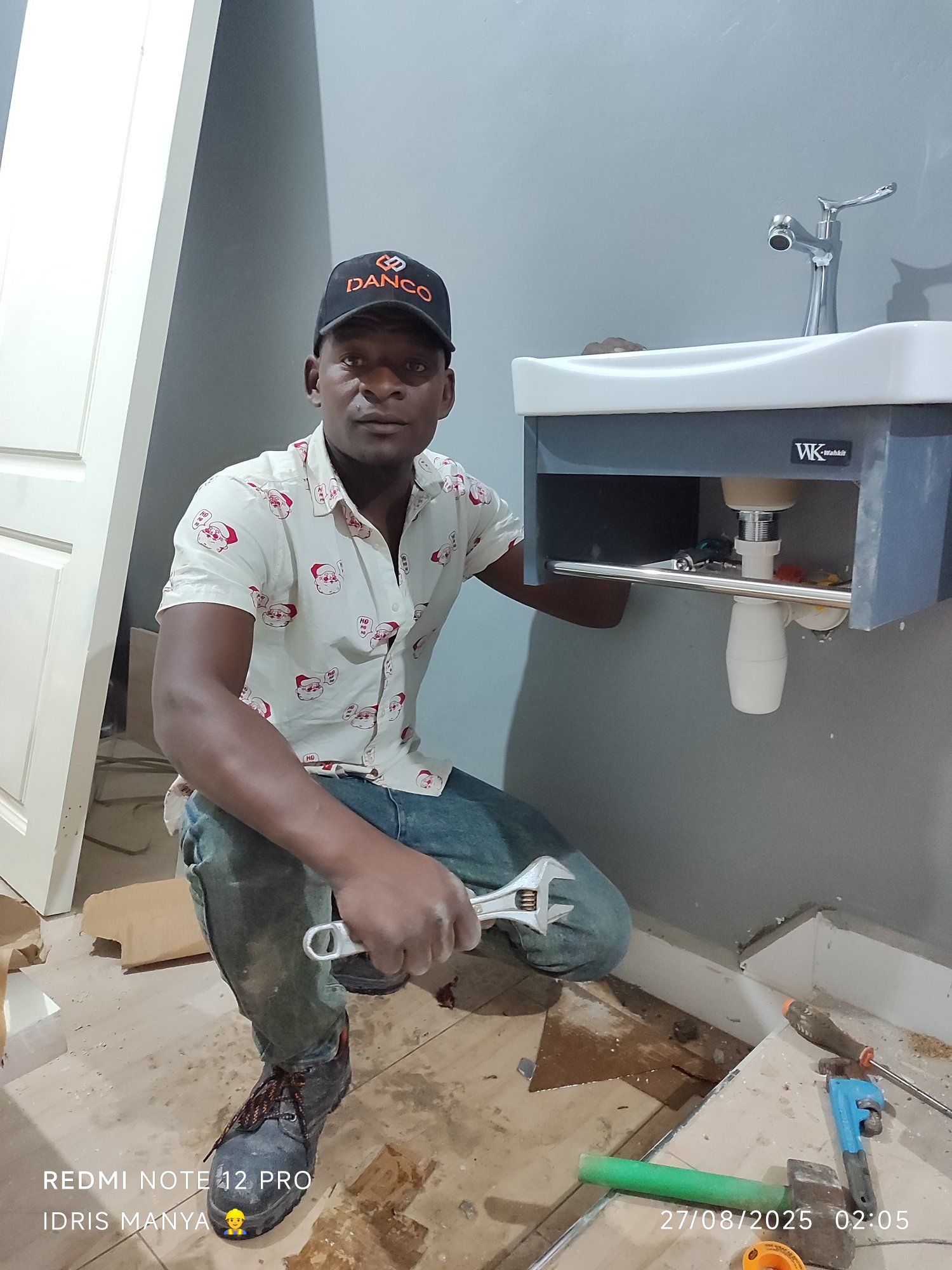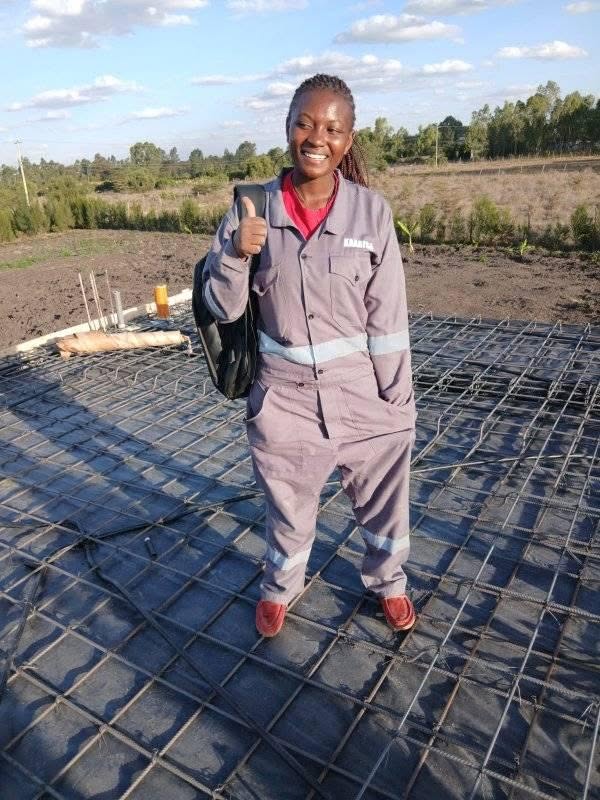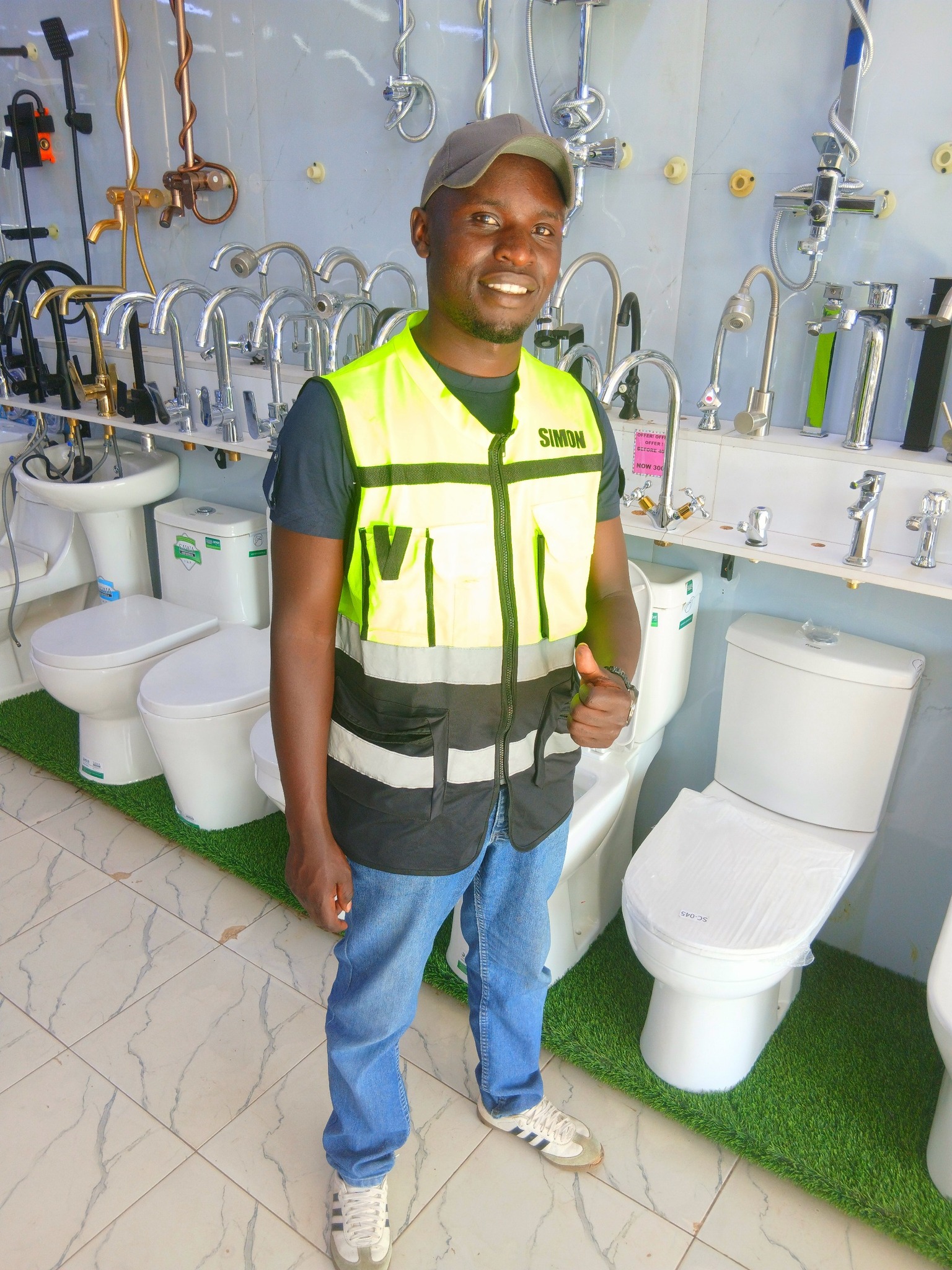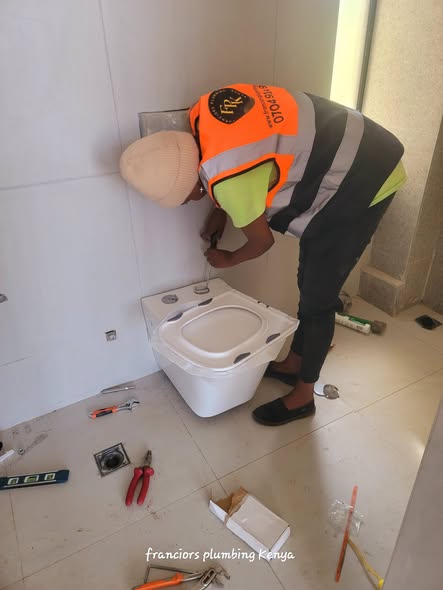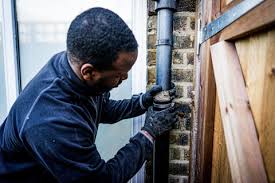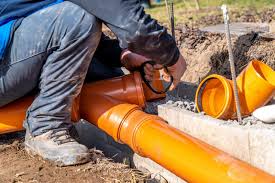


Walk through a construction site in Dubai, Abu Dhabi, or Sharjah and you will quickly notice how international the workforce is. You may hear Swahili, Hindi, Urdu, Tagalog, Arabic, and English within a few minutes. Among the electricians, welders, carpenters, and technicians, you will often find Kenyan plumbers working on residential towers, hotels, hospitals, shopping malls, and large infrastructure projects.
For many Kenyan fundis, this raises an important question. Why do UAE companies continue hiring plumbers from Kenya and other countries instead of relying on local workers?
The answer goes beyond labour costs. The UAE construction and maintenance industry has been built around international recruitment for decades. Employers need skilled workers, projects move quickly, and the local labour market cannot supply enough tradespeople to meet demand.
Understanding why UAE companies hire Kenyan plumbers can help you make better career decisions, negotiate more confidently, and avoid unrealistic expectations before accepting a job offer.
How the UAE Construction Industry Works
The United Arab Emirates has one of the largest construction and property sectors in the Middle East. New apartment towers, villa communities, hotels, hospitals, schools, shopping centres, and infrastructure projects are constantly being built or upgraded.
At the same time, existing buildings require ongoing maintenance. Water systems, drainage networks, fire-fighting installations, pumps, water heaters, swimming pools, and air conditioning drainage systems all need skilled technicians to keep them functioning.
Most of this work is carried out by foreign workers. Unlike countries where local citizens make up a large part of the construction workforce, the UAE relies heavily on expatriates across many industries.
For plumbing companies and contractors, recruiting internationally is not an exception. It is the normal way of doing business.
Why Kenyan Plumbers Are Attractive to UAE Employers
Strong Practical Experience
Many Kenyan plumbers gain experience in demanding environments before considering overseas work. A plumber may have worked on apartment developments in Ruaka, drainage systems in Mombasa, hotels in Diani, commercial buildings in Nairobi, or residential projects in Nakuru and Eldoret.
This hands-on exposure often creates workers who can solve problems quickly and adapt to changing site conditions.
Employers in the UAE value practical experience because projects move fast. They prefer workers who can become productive quickly rather than requiring extensive retraining.
English Communication Skills
English is widely used on UAE construction sites. Safety briefings, work orders, drawings, reports, and instructions are often communicated in English.
Kenyan plumbers generally have an advantage because English is part of the education system and commonly used in workplaces. While perfect grammar is not necessary, the ability to understand instructions and communicate clearly makes daily operations easier.
A plumber who understands site terminology can work more efficiently with supervisors, engineers, and other trades.
Adaptability in Multicultural Workplaces
Construction sites in the UAE bring together workers from many countries. It is common for a Kenyan plumber to work alongside colleagues from India, Pakistan, Nepal, Bangladesh, Egypt, Uganda, and the Philippines.
Employers appreciate workers who can adapt to different cultures, communication styles, and management systems. Kenyan tradespeople often earn positive feedback for their ability to adjust quickly to diverse teams.
The Scale of Construction Demand
One of the biggest reasons UAE companies recruit internationally is simple: demand.
Large developments can require dozens or even hundreds of plumbers at different stages of construction. Hotels, residential towers, hospitals, and commercial projects all require plumbing installations before they can open.
When a contractor needs a large workforce quickly, local recruitment alone is usually not enough. International hiring allows companies to bring in workers with the specific skills required for the project.
Recruitment agencies in Kenya and other countries help fill this demand by connecting employers with available tradespeople.
Different Types of Plumbing Jobs in the UAE
Not every plumbing job in the UAE is the same. The type of work often depends on the employer and project.
Construction Plumbing
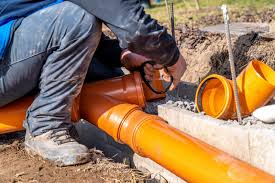
Construction plumbers install new systems in buildings under development. This may include water supply lines, drainage systems, sanitary fittings, risers, pumps, valves, and fire-fighting pipework.
This is one of the most common roles for Kenyan plumbers entering the UAE market.
MEP Plumbing
MEP stands for mechanical, electrical, and plumbing. MEP plumbers work on larger projects where multiple technical systems must be coordinated.
These roles often involve reading drawings, pressure testing systems, installing specialized piping, and working alongside HVAC and electrical teams.
Employers generally prefer candidates with previous commercial construction experience for these positions.
Maintenance Plumbing
Maintenance plumbers work in completed buildings such as hotels, malls, hospitals, offices, and apartment complexes.
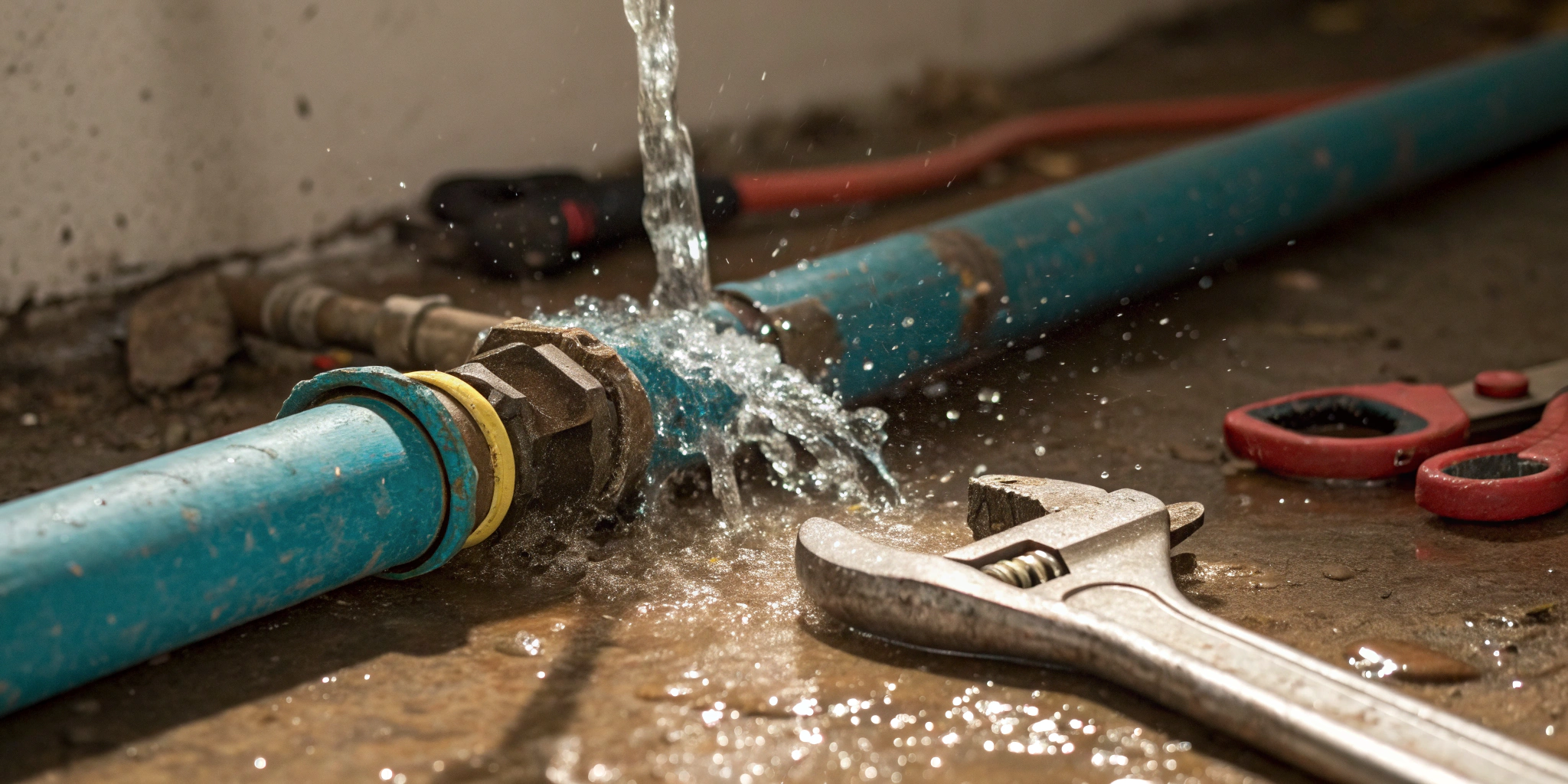
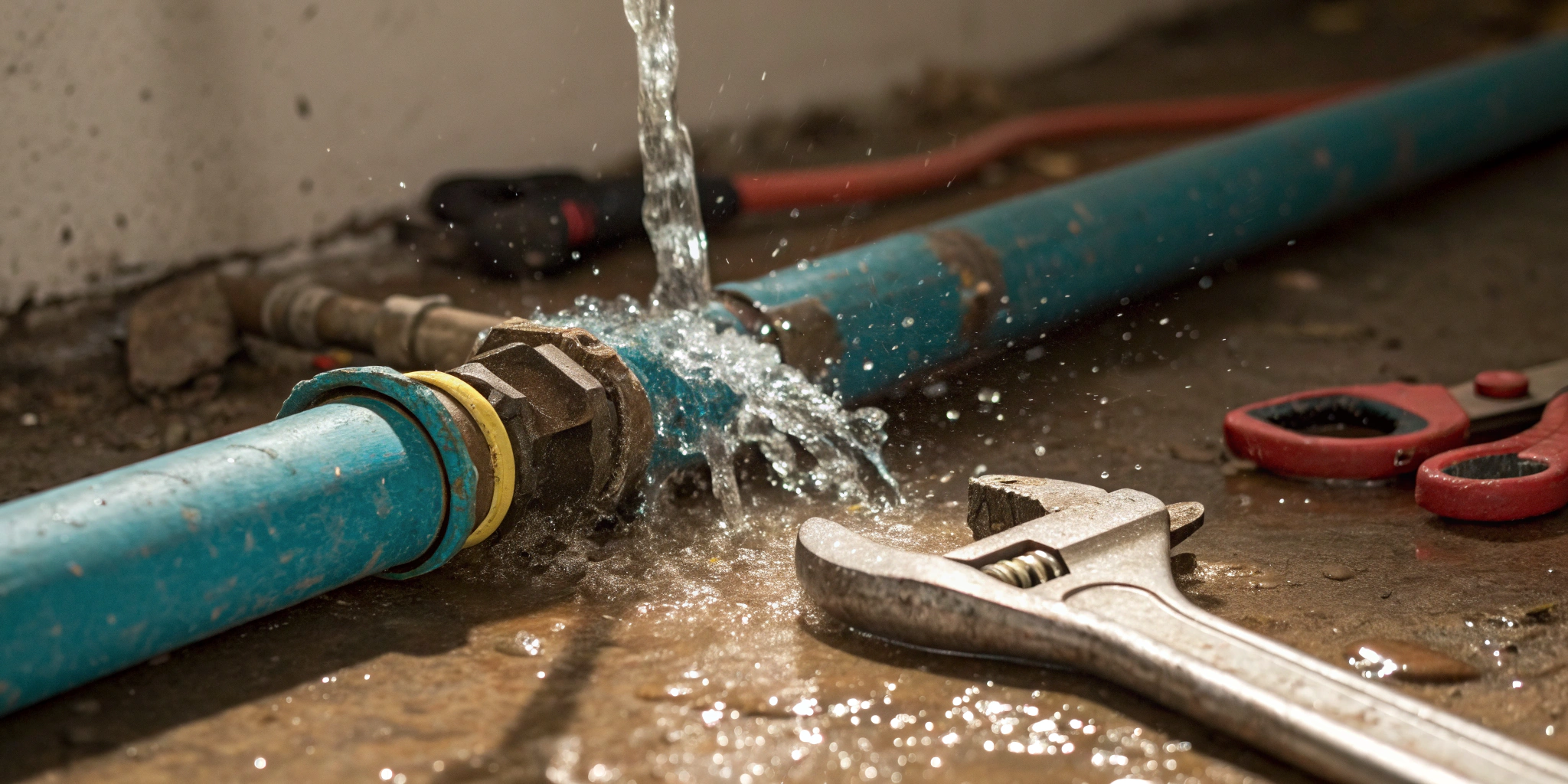
Their responsibilities include leak repairs, blocked drainage systems, pump maintenance, water heater servicing, and general troubleshooting.
Many plumbers eventually move into maintenance because the work is often more predictable than large construction projects.
Industrial Plumbing
Industrial sites, factories, utility plants, and infrastructure projects may require plumbers with specialized skills. These jobs often involve larger pipe systems, pumps, valves, and strict safety procedures.
Workers with experience in industrial environments may access better opportunities in this area.
What UAE Employers Expect From Plumbers
Having plumbing skills is only part of the equation. Employers also look for reliability, discipline, and professionalism.
Punctuality is important. Construction sites and maintenance schedules run on strict timelines. Workers are expected to arrive on time and follow instructions.
Safety awareness is another major requirement. Personal protective equipment, site inductions, hazard reporting, and safe work practices are taken seriously. Companies can face serious consequences when safety rules are ignored, so they expect workers to follow procedures consistently.
Employers also value workers who are willing to learn. A plumber who takes an interest in new materials, site systems, and safety training may have better opportunities for promotion.
Why Labour Costs Still Matter
Although skills and experience are important, labour costs remain part of the recruitment decision.
Hiring skilled plumbers from countries such as Kenya allows contractors to manage project budgets while still accessing experienced workers. For employers, this helps keep projects competitive.
For Kenyan plumbers, the attraction is that salaries are often higher than many local opportunities, especially when accommodation and transport are included.
However, workers should avoid assuming that every overseas job automatically leads to large savings. The amount you save depends on your salary, personal spending habits, family obligations, and contract conditions.
Understanding the Recruitment Process
Most UAE plumbing jobs are filled through licensed recruitment channels.
The usual process involves:
- Job advertisement or recruitment drive
- Interview and trade assessment
- Medical examination
- Contract signing
- Visa processing
- Travel arrangements
Before accepting any offer, verify the employer, salary structure, accommodation details, and job description.
Be cautious when dealing with recruiters who promise unusually high salaries or ask for large payments before providing proper documentation.
When evaluating local businesses and service providers, platforms such as The Real Plug help users identify vetted professionals in Kenya. Applying a similar verification approach when dealing with overseas recruiters can help avoid costly mistakes.
Challenges Kenyan Plumbers Should Expect
Working in the UAE comes with opportunities, but it also has challenges.
Heat is one of the biggest adjustments. Outdoor work during warmer months can be physically demanding, especially for those who have never worked in Gulf conditions before.
Shared accommodation is another reality. Many workers live with colleagues from different countries, which requires patience and adaptability.
Homesickness can also affect workers, especially during the first months abroad. Being away from family, friends, and familiar routines can be difficult.
Career growth may also require effort. Workers who remain in the same role without improving their skills can find themselves earning similar salaries for years.
How Kenyan Plumbers Can Increase Their Value
The most successful plumbers treat their first overseas contract as a learning opportunity.
Improving technical skills, understanding MEP systems, learning to read drawings, and gaining experience with pressure testing can strengthen a CV.
Safety certifications can also help. Training in confined spaces, working at heights, fire safety, and first aid may improve future job prospects.
Some plumbers eventually move into supervisory roles, maintenance management, or specialized technical positions. Others return to Kenya and use their experience and savings to start plumbing businesses, hardware shops, or contracting companies.
The key is having a long-term plan rather than focusing only on the first salary.
Common Misunderstandings About UAE Plumbing Jobs
Many people assume that every plumber in the UAE earns a high salary immediately. In reality, income varies based on experience, skills, employer, and job category.
Another misconception is that overseas work guarantees financial success. Some workers save and invest wisely, while others spend heavily and return home with little to show for their efforts.
There is also a belief that anyone can walk into a plumbing job abroad. Most employers still want proof of experience, references, and relevant training. A NITA certificate, TVET qualification, or documented work history can make a significant difference.
Conclusion
UAE companies hire Kenyan plumbers because they need skilled, adaptable, English-speaking workers who can contribute to construction and maintenance projects from the moment they arrive. The demand is driven by ongoing development, a reliance on foreign labour, and the practical experience many Kenyan fundis bring to the job.
However, getting hired is only the first step. Success depends on understanding the work environment, verifying employers, following safety procedures, managing finances carefully, and continuing to build your skills.
For Kenyan plumbers willing to prepare properly and approach the opportunity professionally, the UAE can provide valuable experience, steady income, and a pathway to future career growth. The goal should not only be getting a job abroad but using that opportunity to build something lasting for the future.