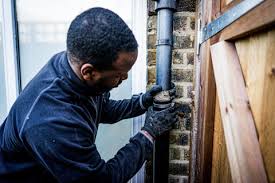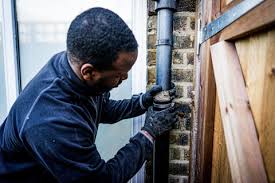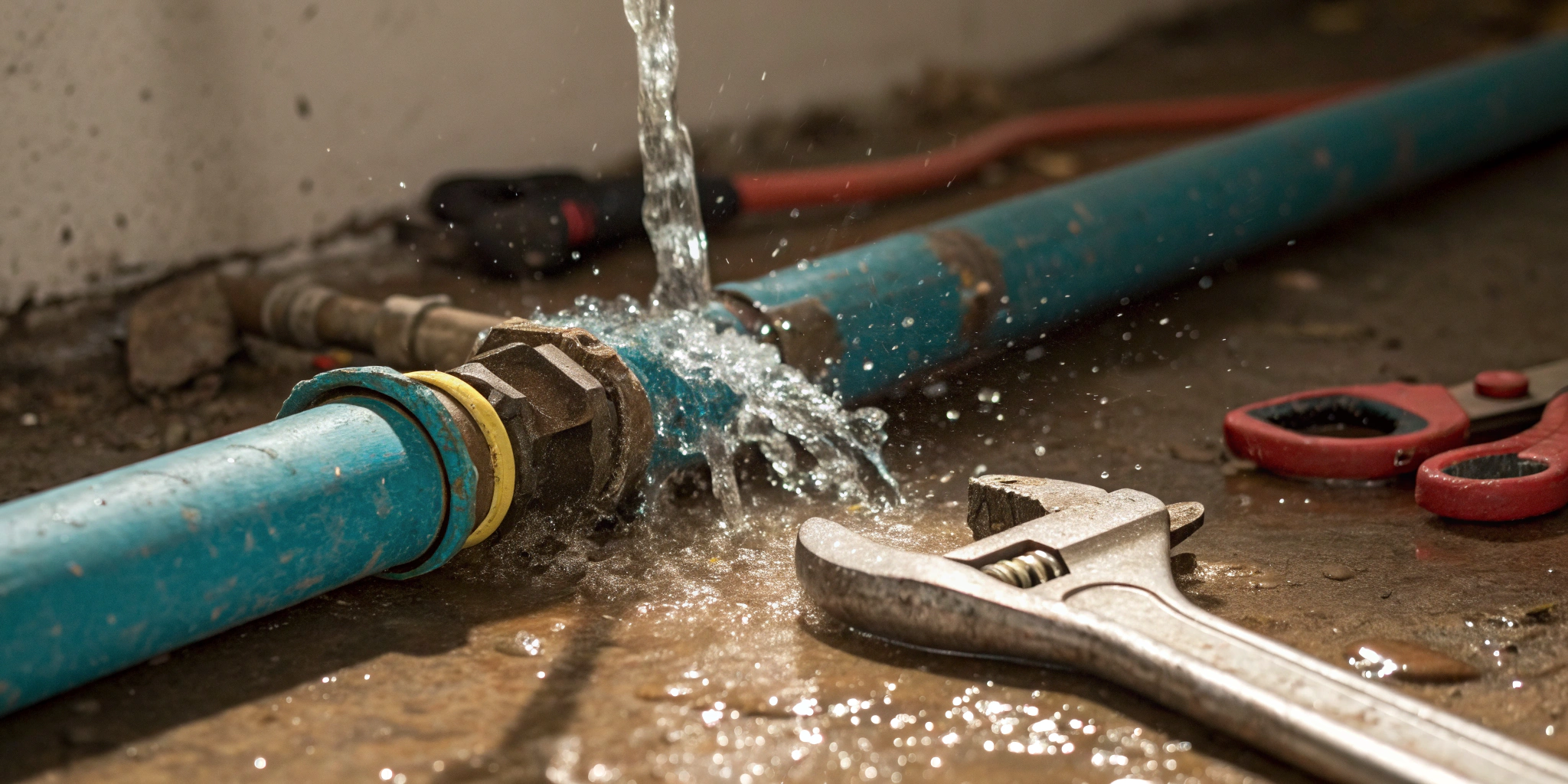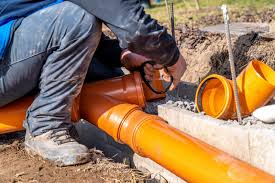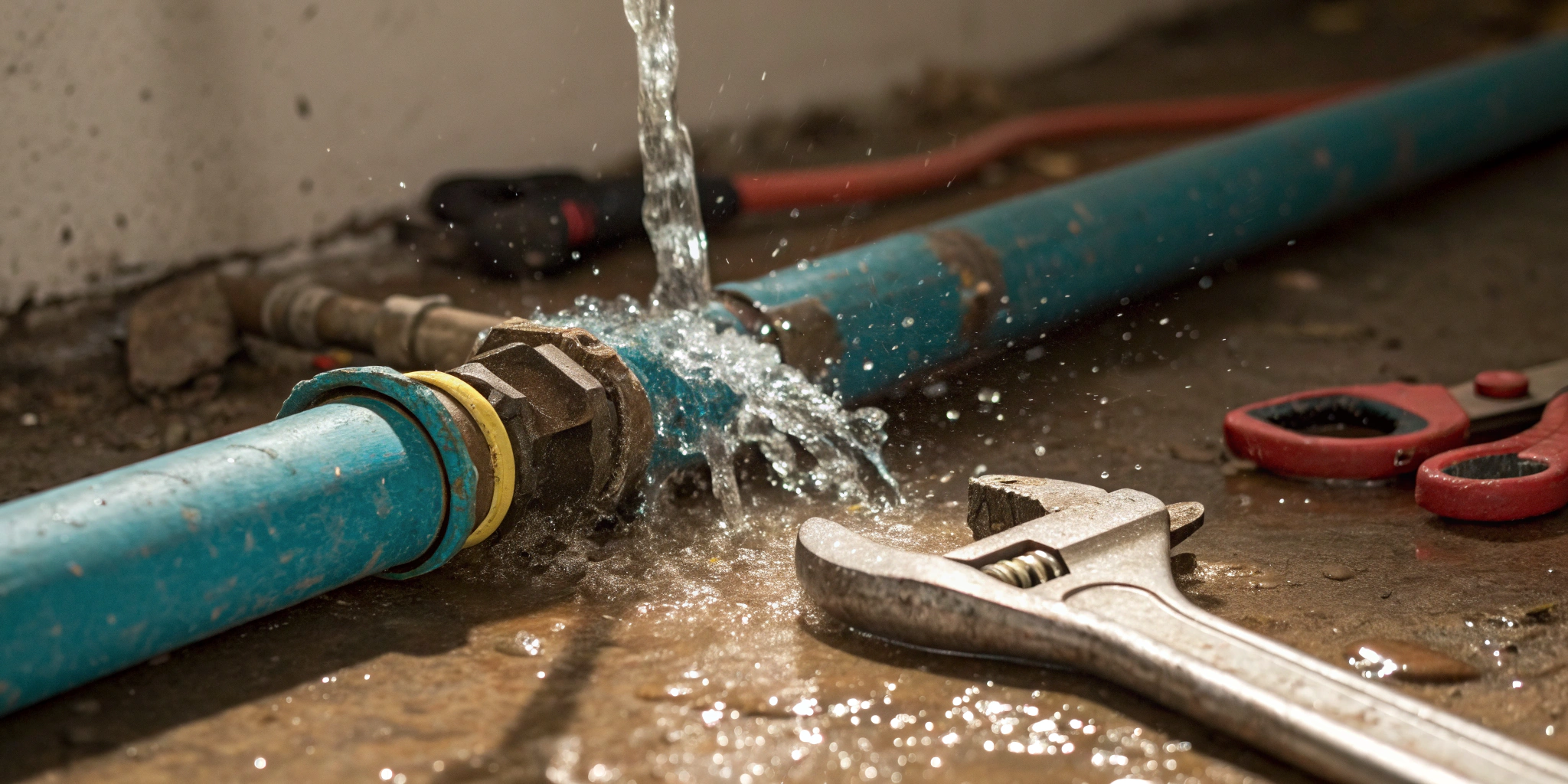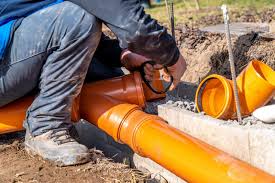


For many Kenyan plumbers, the UAE feels like one of the most realistic overseas destinations. You may not have the money or paperwork for Canada or Australia yet, but you have strong hands-on experience. Maybe you have worked on apartment blocks in Kitengela, repaired pumps in Nyali, installed water systems in Ruaka, or handled drainage issues in Mombasa. Those skills can be useful in Dubai, Abu Dhabi, Sharjah, and other parts of the UAE.
Plumbing jobs in UAE are common because the country depends heavily on foreign workers for construction, maintenance, hotels, malls, villas, and facility management. The entry process is usually easier than Western countries because you do not need IELTS, a university degree, or a personal plumbing licence before arrival.
Still, easier does not mean risk-free. Some Kenyans go to the UAE, work two-year contracts, save well, and return home with money for land, business, or family needs. Others struggle because they accepted low salaries, signed unclear contracts, paid fake agents, or arrived with expectations that did not match the reality.
Before you hand over your passport or pay anyone, understand what the work involves, how much you can realistically earn, and how to protect yourself.
Why the UAE Hires Many Foreign Plumbers
The UAE is built around constant construction and property maintenance. Dubai and Abu Dhabi have high-rise towers, hotels, hospitals, schools, malls, airports, villas, and large residential communities. Sharjah, Ajman, Ras Al Khaimah, and other emirates also have ongoing housing and commercial projects.
Every building needs plumbing. Water supply lines, drainage systems, sanitary fittings, fire-fighting pipes, pump rooms, swimming pools, irrigation systems, and AC drainage all require skilled workers.
Most Emiratis do not work in manual construction trades, so companies hire workers from Kenya, Uganda, India, Pakistan, Nepal, Bangladesh, and the Philippines. Kenyan plumbers are often attractive to employers because many speak English, adapt quickly, and have practical site experience.
For a Kenyan fundi used to solving water problems in estates like Umoja, South B, Rongai, or Bamburi, the work may feel familiar in some ways. The difference is that UAE sites are usually more structured, safety rules are tighter, and workers are expected to follow supervisors, drawings, and schedules closely.
Types of Plumbing Jobs Available in UAE
General Plumber or Assistant Plumber
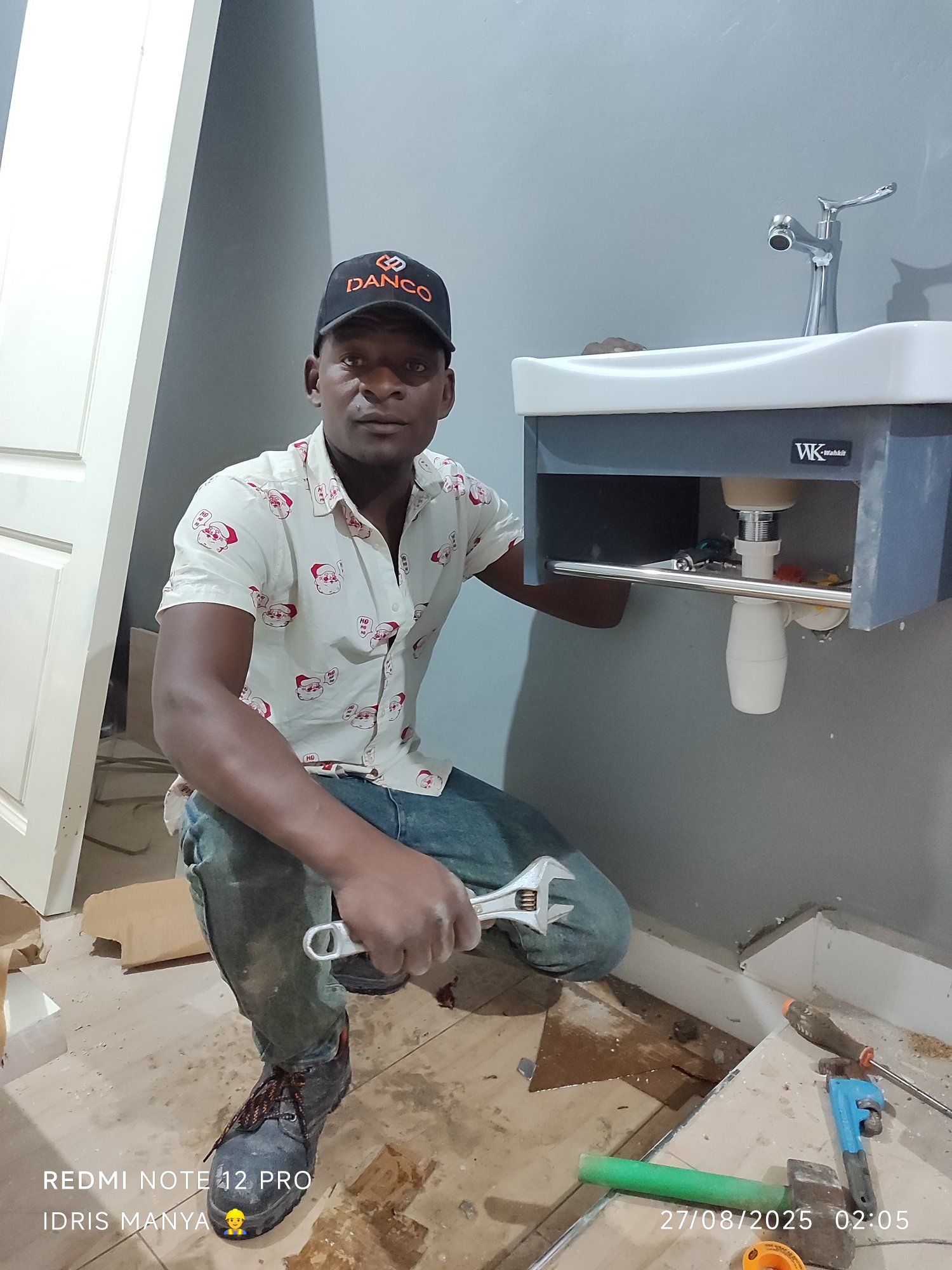
This is where many first-time Kenyan workers start. The work may include cutting pipes, joining fittings, installing wash basins, fixing toilets, repairing leaks, unblocking drains, and assisting senior technicians.
If your experience is mainly residential plumbing in Kenya, you may be placed in this category first. It does not mean you are unskilled. It simply means the employer wants to see how well you adjust to UAE systems and site expectations.
MEP Plumber
MEP stands for mechanical, electrical, and plumbing. MEP plumbers work on larger construction projects such as towers, malls, hotels, hospitals, and commercial buildings.
This role may involve reading drawings, installing PPR, HDPE, uPVC, copper, or GI pipes, pressure testing, working with risers, and coordinating with HVAC and electrical teams. If you have worked on commercial buildings in Nairobi, Westlands, Upper Hill, Mombasa, or Kisumu, this experience can help you.
Maintenance Plumber
Maintenance plumbers work in hotels, malls, residential buildings, schools, hospitals, or facility management companies. Their job is to keep systems running every day.
They handle leaking taps, blocked toilets, faulty valves, pump checks, water heater issues, swimming pool lines, and tenant complaints. This work is often indoors and may be less physically demanding than construction, although emergency call-outs can happen at any time.
Plumbing Foreman or Supervisor
Foremen manage teams, plan materials, assign tasks, check workmanship, and report to engineers. These roles usually require several years of experience, strong English, Gulf work exposure, and the ability to read drawings confidently.
A first-time worker from Kenya should not expect a foreman role immediately unless they already have strong international experience. Many workers move into supervision after one or two contracts.
Realistic Pay for Kenyan Plumbers in UAE
Pay depends on the job category, employer, experience, and contract terms. First-time general plumbers may start on modest salaries compared to what brokers sometimes promise. MEP plumbers and maintenance technicians with strong experience may earn more, while foremen and supervisors earn higher packages.
The important thing is to understand the full salary structure. Some contracts show a basic salary plus allowances. Overtime, leave pay, and end-of-service benefits are often calculated from the basic salary, not the total amount. This matters because a contract that looks good at first may pay less in benefits later.
Also check whether accommodation, transport, medical insurance, food allowance, uniforms, and return ticket are included. Free accommodation and transport can help you save, but only if the salary is fair and paid on time.
Do not judge the job only by converting dirhams into Kenya shillings. Consider your monthly expenses, food, phone, personal items, loan repayments, and family responsibilities back home.
Qualifications and Skills That Improve Your Chances
The UAE does not usually require a personal plumbing licence for foreign workers. You work under the employer’s company licence. However, documents still matter.
A NITA trade test certificate, TVET qualification, craft certificate, or plumbing-related training can make your application stronger. Employers may also ask for proof of experience, especially for MEP or maintenance roles.
Useful skills include PPR welding, PVC drainage, HDPE pipework, GI pipe threading, pressure testing, pump installation, sanitary fitting installation, basic drawing reading, and maintenance troubleshooting.
English also matters. You do not need perfect grammar, but you must understand instructions, safety briefings, material names, and basic work orders. A supervisor may tell you to check a riser, isolate a valve, test a line, or replace a fitting. You need to follow clearly and ask questions when unsure.
How Recruitment Usually Works
Most Kenyan plumbers going to the UAE use recruitment agencies. A proper process may include an interview, trade test, medical examination, contract signing, visa processing, and travel arrangements.
Before working with any agency, check whether it is licensed by the relevant Kenyan authorities. Ask for the employer’s name, job title, salary, contract duration, accommodation details, and work location.
Be careful with anyone asking for large upfront payments before giving clear job details. A genuine recruiter should not hide the employer’s name or pressure you to pay quickly. Avoid vague promises such as “direct Dubai job, no interview, no medical, quick flight.” Serious overseas jobs involve paperwork.
When checking local professionals, businesses, or service providers in Kenya, platforms such as The Real Plug help users find vetted options. Use the same careful mindset with UAE recruiters. Verify the agency, employer, and contract before trusting anyone with money or documents.
Contract Details You Must Check Carefully
Do not sign a contract you have not read. If the language is not clear, ask someone trustworthy to help you understand it.
Check the salary, basic pay, allowances, working hours, overtime rate, rest day, accommodation, transport, medical cover, leave days, contract length, probation period, and return ticket terms.
Also check what happens if you resign early. Some contracts may have notice periods or conditions that affect your final benefits. Never rely only on what the agent says verbally. Written terms are what matter when a dispute arises.
Keep copies of your contract, passport, visa, medical documents, and travel papers. Store them on your phone and send copies to a trusted family member in Kenya.
Life and Work Conditions in the UAE
Work in the UAE can be demanding. Construction sites can be hot, especially during summer. Outdoor work may be adjusted during extreme heat, but you still need to take hydration seriously.
Safety rules are strict on serious sites. Helmets, boots, gloves, reflective jackets, and other protective gear are expected. Ignoring safety can lead to warnings, fines, or dismissal.
Accommodation is usually shared. Some workers live in labour camps, while others stay in company apartments. You may share a room, kitchen, and bathroom with workers from different countries. It may not be luxurious, but if it is clean and safe, it can help you save money.
Food costs depend on your habits. Many Kenyans save by cooking together, buying groceries in bulk, and avoiding unnecessary spending in malls. The UAE has many temptations, from phones to clothes to entertainment. Without discipline, money disappears quickly.
Legal Rights and What to Do When Problems Arise
Foreign workers in the UAE have labour rights, but you must know how to protect yourself. You should have a valid work permit, medical insurance, rest days, annual leave, and end-of-service benefits according to your contract and applicable labour rules.
If your salary is delayed, your job is changed unfairly, or your documents are withheld, use official complaint channels instead of disappearing from work. Running away from an employer can create bigger legal problems.
Your passport should ideally remain with you. If an employer keeps it, make sure you have copies and understand the company’s policy. If you are injured at work, report it immediately and ensure the incident is documented.
How to Grow After Your First UAE Contract
Your first contract should be treated as a stepping stone. Once you gain UAE experience, better opportunities may open up.
Use your time to learn MEP systems, improve drawing reading, understand site safety, and observe how supervisors manage teams. If your company offers training in confined spaces, working at heights, fire safety, or equipment handling, take it seriously.
Some Kenyan plumbers later move into foreman roles, hotel maintenance, facility management, or quality control. Others return to Kenya and use their savings to start plumbing businesses, buy proper tools, open hardware shops, or invest in property.
The best outcome comes when you leave Kenya with a clear goal. Decide whether you are going to save for land, clear debt, support family, gain international experience, or build capital for a business. A goal keeps you disciplined.
Conclusion
Plumbing jobs in UAE can offer Kenyan plumbers a practical overseas opportunity, especially for those looking for a faster route than Canada, Australia, or Europe. The country has constant demand for construction and maintenance workers, and plumbers remain part of that workforce.
However, the UAE is not a shortcut to easy money. Starting salaries can be modest, accommodation is shared, the heat can be tough, and contracts must be read carefully. Success depends on using a licensed recruitment process, verifying the employer, understanding your pay, saving with discipline, and respecting workplace rules.
For a Kenyan plumber with real skills and a clear plan, the UAE can be a useful step forward. Go informed, protect your documents, avoid fake agents, and treat the opportunity as a professional move, not a gamble.