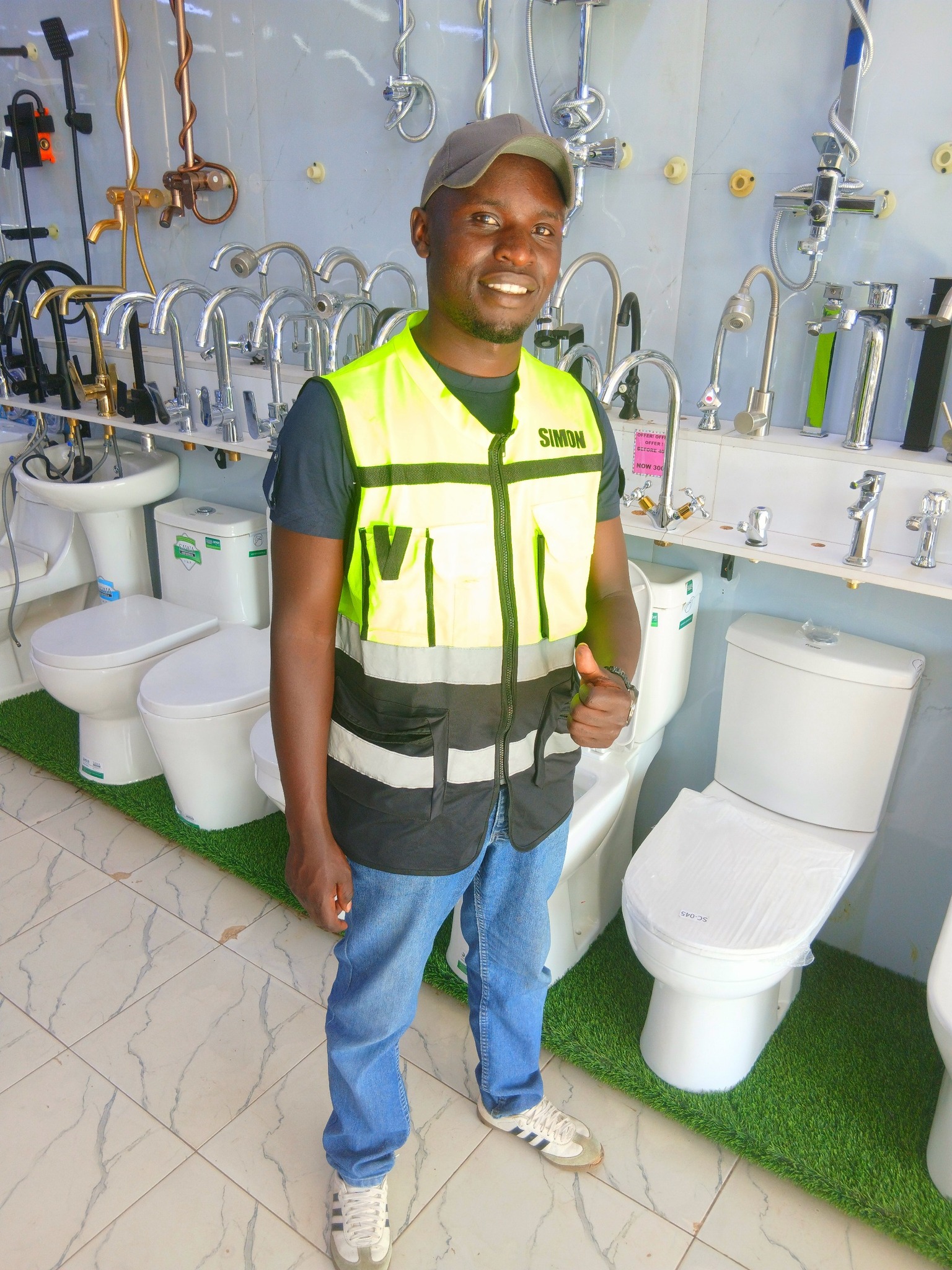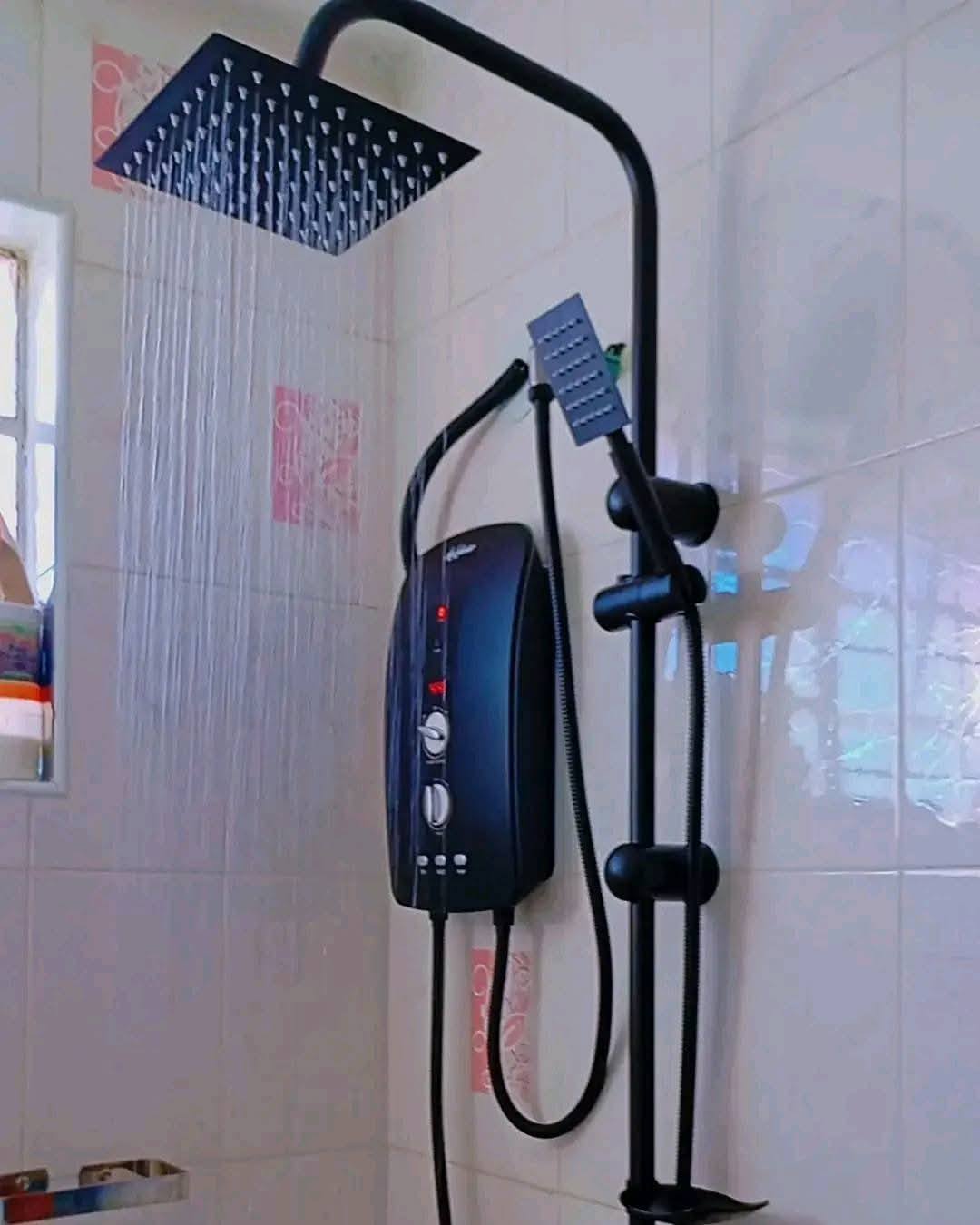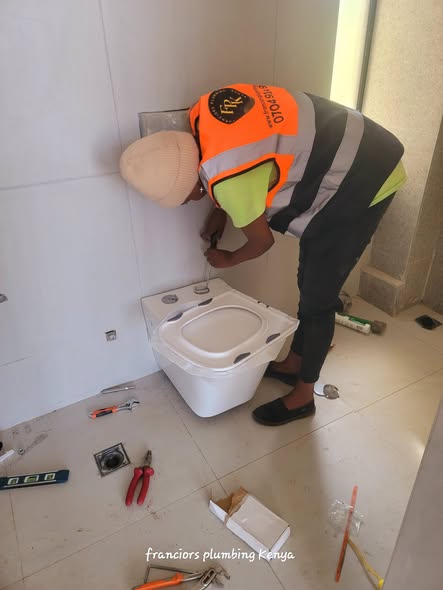


For many Kenyan plumbers, the Middle East sounds like a practical place to look for work. You may know someone who went to Dubai, Doha, Riyadh, or Muscat and came back with savings, tools, or money to start a small business at home. You may also have heard stories of workers who struggled with low pay, poor accommodation, or contracts they did not fully understand before travelling.
Both sides are possible.
Plumbing opportunities in the Middle East are real, especially for skilled Kenyan fundis with experience in residential, commercial, or construction plumbing. The Gulf has many hotels, malls, apartment towers, airports, hospitals, villas, and large infrastructure projects that need reliable plumbing work. Water supply systems, drainage lines, fire sprinkler systems, pump rooms, swimming pools, and AC drainage all require trained hands.
Still, working in the Middle East is not something to rush into because of a sweet promise from a broker in Nairobi. The job can help you earn better than many local contracts, but the conditions are different. Contracts are strict, the weather can be harsh, and your first job may not match the stories you hear from people who already have years of Gulf experience.
Why the Middle East Needs Skilled Plumbers
Countries such as the United Arab Emirates, Qatar, Saudi Arabia, Oman, and Bahrain continue to invest heavily in construction and property maintenance. Unlike Kenya, where construction work may slow down during election periods, rainy seasons, or economic uncertainty, many Gulf projects are funded by large developers and government-backed plans.
These projects need plumbers at every stage. A luxury hotel in Dubai needs bathroom installations, pump systems, and maintenance staff. A new estate in Riyadh needs underground drainage, water tanks, and fire safety systems. A mall in Doha needs technicians who can respond quickly when washrooms, kitchens, or cooling systems develop problems.
Local citizens in many Gulf countries rarely work in hands-on construction trades, so employers recruit workers from Kenya, Uganda, India, Pakistan, Nepal, Bangladesh, and the Philippines. Kenyan plumbers are often considered suitable because many speak English, adapt quickly, and are used to working in practical conditions where problem-solving matters.
Where Kenyan Plumbers Can Find Work in the Gulf
United Arab Emirates
The UAE, especially Dubai and Abu Dhabi, remains one of the most common destinations for Kenyan tradespeople. Plumbers are hired for construction sites, hotel maintenance, residential towers, villa communities, malls, and facility management companies.
Dubai has many high-rise buildings, so experience with pressure systems, drainage stacks, pumps, and commercial plumbing can be useful. Maintenance roles in hotels or managed buildings may offer more regular hours than construction jobs, although the pay may depend on the employer and contract.
Qatar
Qatar still has plumbing work linked to commercial buildings, housing projects, hotels, stadium maintenance, and the continued growth of areas such as Doha and Lusail. Employers in Qatar may prefer plumbers who understand large building systems, chilled water lines, and commercial drainage.
The country can offer steady work, but workers should carefully check contract terms, accommodation, food arrangements, and overtime rules before accepting a job.
Saudi Arabia
Saudi Arabia has major development projects under its long-term economic plans. These include resorts, smart city projects, industrial zones, residential developments, and hospitality projects.
Plumbers with experience in large construction sites, industrial plumbing, pump rooms, and heavy-duty pipe systems may find better opportunities. Saudi contracts can be strict, and the social environment is more conservative than Dubai. Anyone planning to work there should understand both the job terms and lifestyle expectations before leaving Kenya.
Oman and Bahrain
Oman and Bahrain are smaller markets compared to the UAE, Qatar, and Saudi Arabia, but they still offer opportunities in hotels, residential properties, hospitals, schools, and maintenance companies.
For some first-time Gulf workers, these countries may feel less hectic than Dubai or Riyadh. However, job openings may be fewer, so it is important to compare salary, benefits, and employer reputation carefully.
Types of Plumbing Jobs Available
Not all plumbing jobs in the Middle East are the same. A Kenyan fundi who has been doing home repairs in Umoja or full-house plumbing in Kitengela may start as a general plumber or assistant plumber. This role may involve installing fixtures, cutting pipes, unblocking drainage, repairing leaks, and supporting senior technicians.
MEP plumbers usually work on larger construction sites. MEP means mechanical, electrical, and plumbing. These workers read drawings, install PPR, HDPE, copper, or PVC systems, pressure-test pipes, and coordinate with electricians, HVAC technicians, engineers, and supervisors.
Maintenance plumbers work in hotels, malls, apartment blocks, hospitals, and office buildings. Their job is to keep systems running. They may repair leaking taps, replace valves, unblock toilets, service pumps, and respond to tenant or guest complaints. This work can be less physically intense than construction, especially when done indoors.
Plumbing foremen and supervisors manage teams. They plan daily work, request materials, check workmanship, coordinate with engineers, and ensure that inspections are passed. These roles usually require Gulf experience, leadership skills, and the ability to read drawings confidently. A first-time worker from Kenya should not expect to become a foreman immediately unless the employer has clearly verified that experience.
Realistic Pay and What to Check in the Contract
Pay is one of the biggest reasons Kenyan plumbers consider the Gulf. However, it is also where many people get misled. A broker may say plumbers earn high salaries in Dubai, but fail to explain that first-time workers often start lower than experienced Gulf technicians.
General plumbers and assistant plumbers may earn modest salaries, especially on a first contract. MEP plumbers and experienced technicians usually earn more. Foremen and supervisors can earn better packages, but those jobs require proven experience.
The most important thing is not just the salary figure. Check what the employer provides. A decent contract should clearly state whether accommodation, transport, medical cover, food allowance, overtime, annual leave, and return ticket are included.
Also pay attention to the basic salary. In many contracts, overtime, gratuity, and some benefits are calculated from the basic salary, not the total package. If the total salary looks attractive but the basic salary is very low, your final payout may be less than expected.
Before signing, ask for the full contract in writing. Do not rely on verbal promises. If a recruiter says, “You will sort that out after reaching Dubai,” treat that as a warning sign.
Qualifications and Skills That Improve Your Chances
A Kenyan plumber does not always need a university degree to work in the Middle East, but formal papers help. NITA trade test certificates, TVET training, plumbing certificates, and letters from previous employers can make your application stronger.
Practical skills also matter. Gulf employers often value experience with PPR welding, HDPE pipes, copper pipes, PVC drainage, pressure testing, pump systems, and chilled water systems. If you have worked on commercial buildings in Nairobi, Mombasa, Nakuru, or Kisumu, describe that clearly in your CV.
English is also important. You need to understand safety instructions, follow site rules, read simple drawings, and communicate with supervisors. Gulf sites are multinational, so you may work with people from India, Pakistan, Egypt, Nepal, the Philippines, and other countries. Being respectful, patient, and disciplined can help you avoid unnecessary conflict.
How to Avoid Fake Gulf Job Offers
Recruitment scams are common because many job seekers are under pressure. A fake agent may promise a direct job, quick visa, high salary, and no interview. They may ask for a large upfront payment before showing a contract or employer details.
Use licensed recruitment agencies and verify them through the relevant Kenyan authorities where possible. Ask for the employer’s name, job title, salary, contract duration, accommodation details, and visa category. A genuine recruiter should be able to explain the process clearly.
Be careful with anyone who wants to keep your passport for unclear reasons. Keep copies of your passport, contract, visa, medical documents, and travel details. Send copies to a trusted family member before you travel.
When checking Kenyan businesses, service providers, or professionals, platforms such as The Real Plug help users find vetted providers. That same habit of checking legitimacy should guide you when dealing with recruiters and overseas employers. If details are hidden, rushed, or inconsistent, do not ignore the warning signs.
Life on Site and in Accommodation
Working in the Middle East is different from working in Kenya. The heat can be extreme, especially during summer. Outdoor construction work may start early in the morning, and workers are expected to follow strict safety rules. Helmets, boots, gloves, reflective jackets, and harnesses are not optional on serious sites.
Accommodation is often shared. Some workers stay in labour camps, while others stay in shared apartments depending on the employer. You may share a room with several people, use a common kitchen, and travel to site by company bus. It may not be comfortable, but if it is clean, safe, and close to work, it can help you save money.
Homesickness is also real. The first few months can be difficult because food, weather, language accents, work culture, and distance from family all hit at once. Having a clear goal helps. Some workers go to pay school fees, build a house, buy land, clear debts, or start a small business back home. Without a plan, money can disappear quickly through impulse spending.
Your Rights and Safety as a Worker
Before travelling, learn the basic labour rules of the country you are going to. Most Gulf countries have official labour departments or helplines where workers can report serious issues.
You should understand your working hours, rest day, overtime policy, medical cover, annual leave, and end-of-service benefits. If you get injured at work, report it immediately and make sure it is documented. Do not agree to informal arrangements that leave you without proof.
If you want to leave before your contract ends, check the penalty clauses first. Some contracts may require notice, repayment of certain costs, or loss of some benefits. Reading the contract before signing is much easier than fighting after a dispute begins.
How Kenyan Plumbers Can Grow After the First Contract
Your first Gulf job should not be the end of your plan. It should be a stepping stone. Once you gain Gulf experience, you can apply for better jobs, move into maintenance, become a team leader, or return to Kenya with savings and stronger skills.
Use your time abroad wisely. Learn how modern buildings are managed. Understand drawings better. Observe how supervisors organize teams. Improve your English. Take safety training where available. Save money consistently.
Some Kenyan plumbers later use their Gulf experience to start plumbing companies, hardware shops, borehole service businesses, or property maintenance companies back home. Others use it to apply for jobs in countries with stricter migration systems, such as Canada or Australia. The key is to avoid getting stuck in the same low-paying role for years.
Conclusion
Plumbing opportunities in the Middle East can be a good path for Kenyan fundis who prepare properly. The jobs are real, especially in the UAE, Qatar, Saudi Arabia, Oman, and Bahrain. Construction, maintenance, hotels, malls, and large property developments continue to need plumbers.
Still, the Gulf is not a shortcut to easy money. You need the right documents, realistic expectations, a clear contract, and discipline once you arrive. Verify recruiters, understand your salary, check accommodation terms, and know your rights before travelling.
For a skilled plumber from Kenya, the Middle East can open doors. It can help you save, gain experience, support your family, or build something back home. But like any serious move, it works best when you go informed, not excited by promises alone.