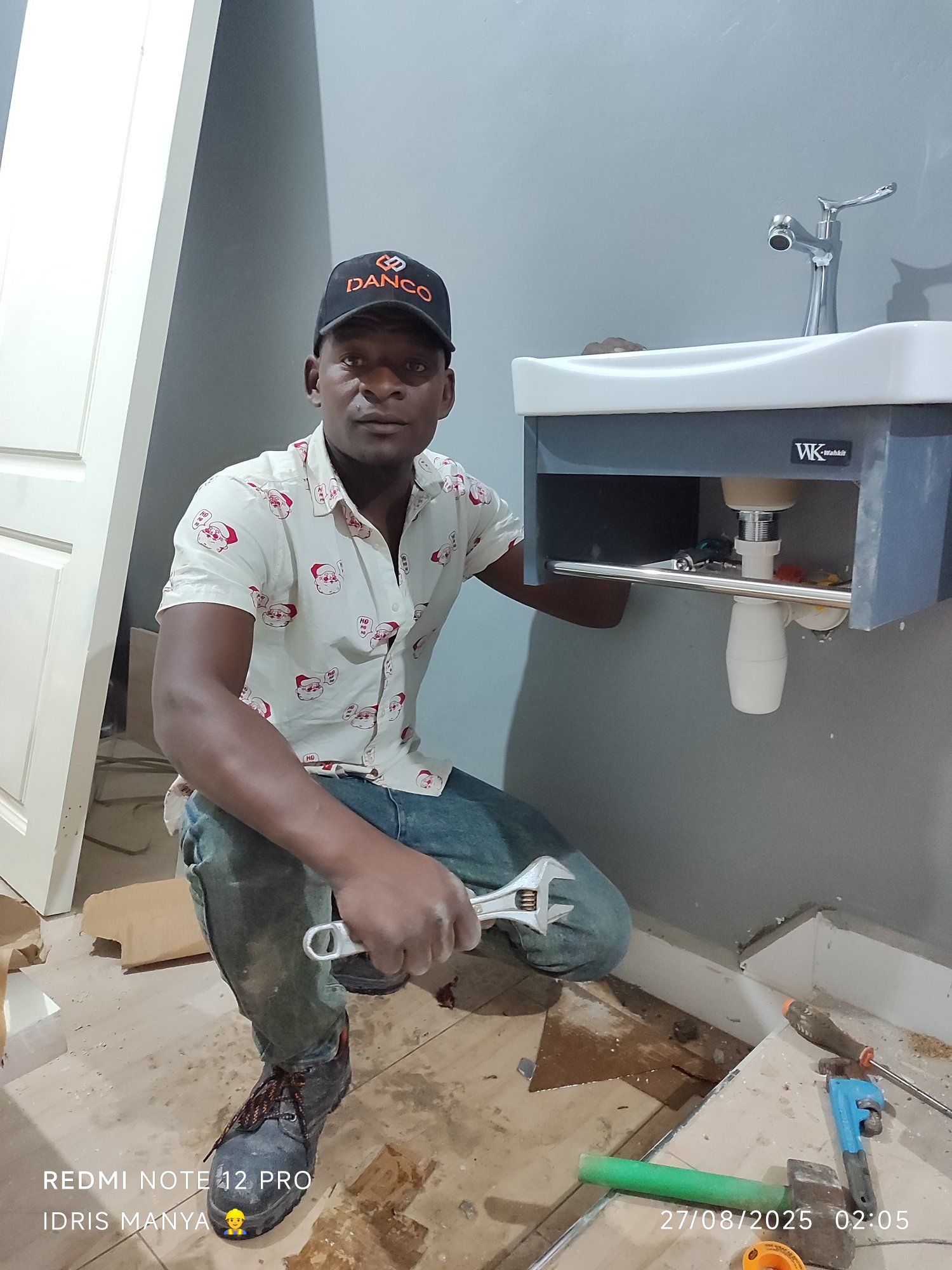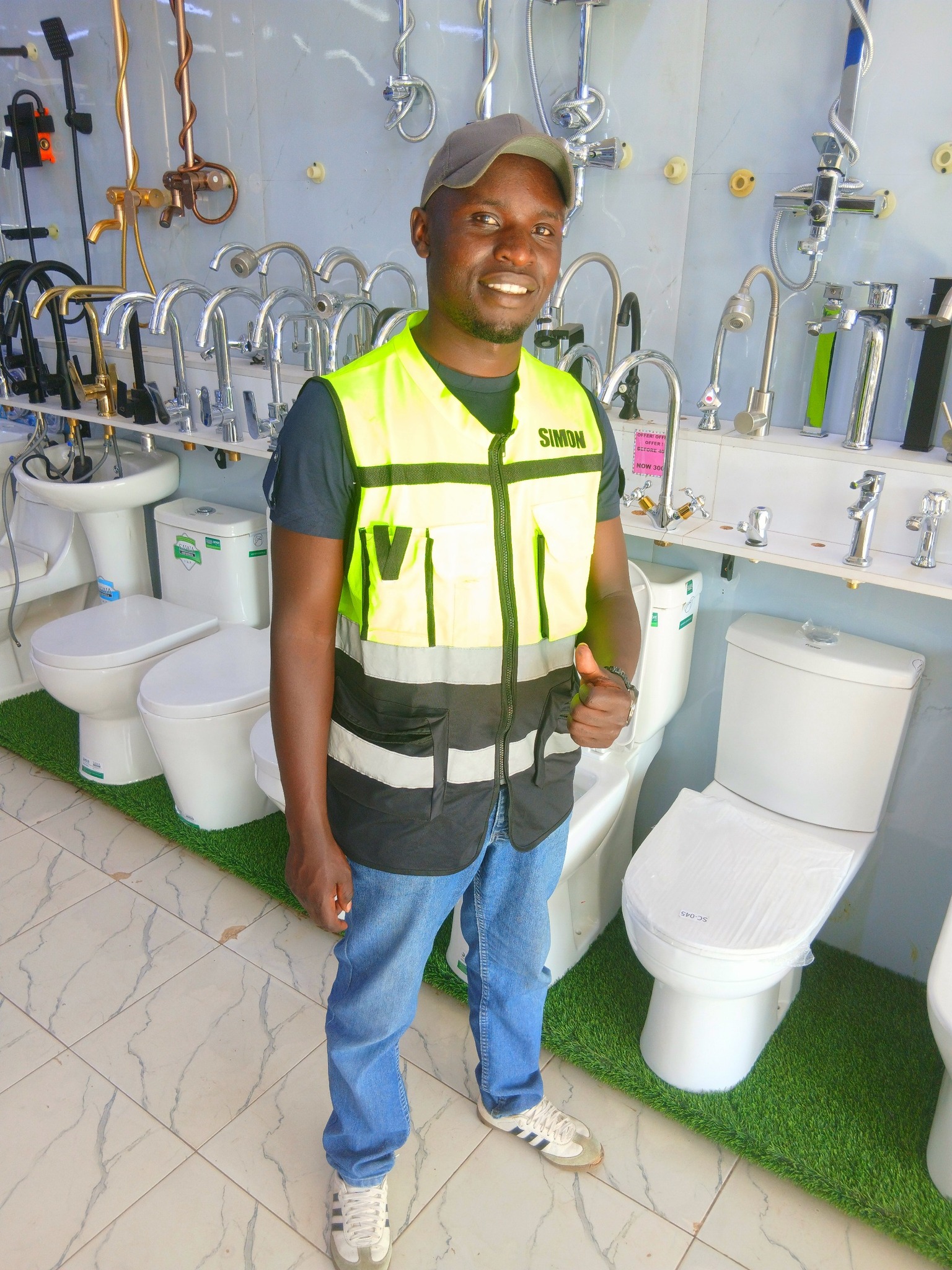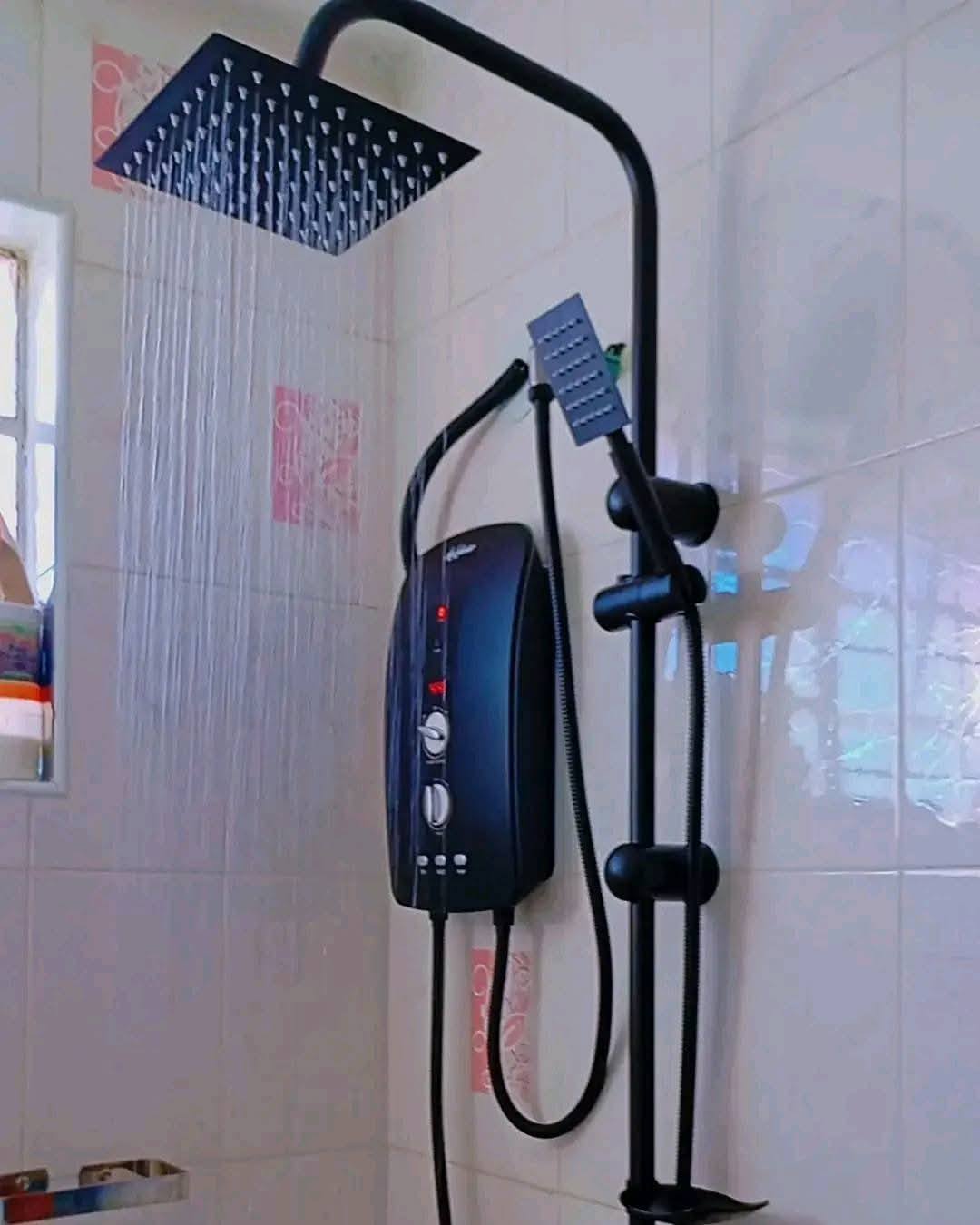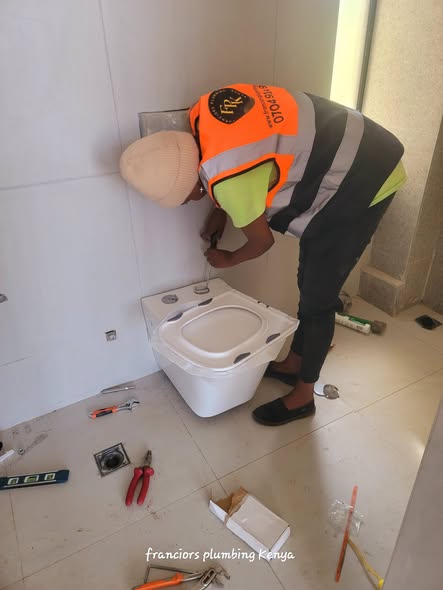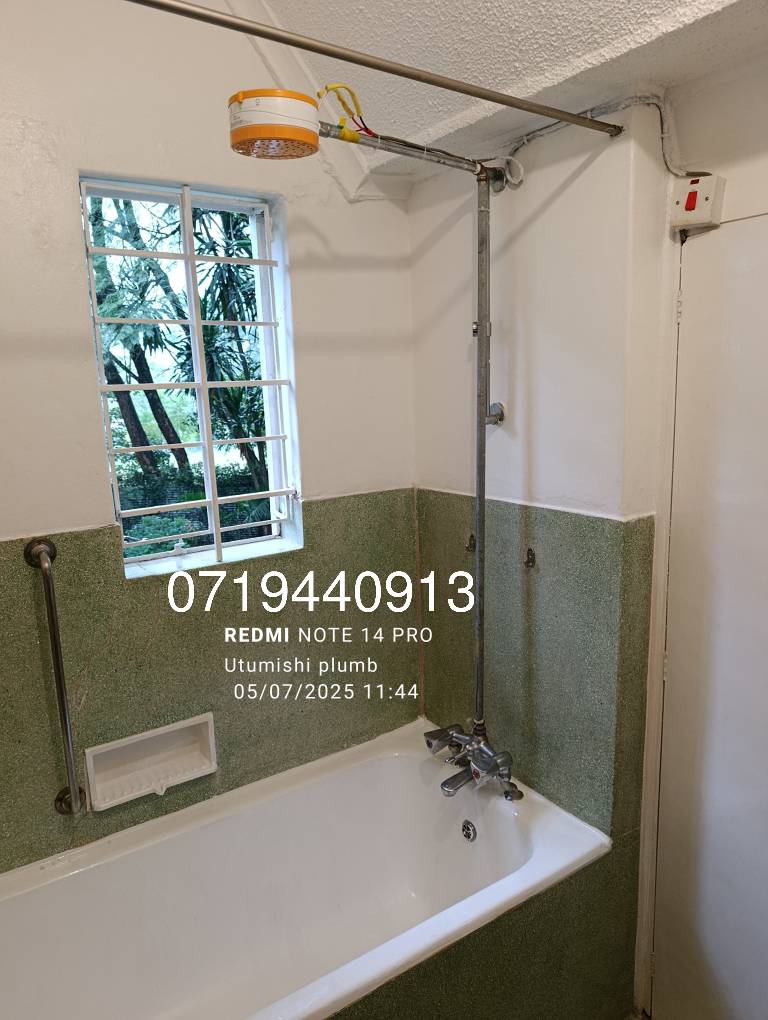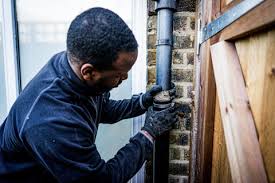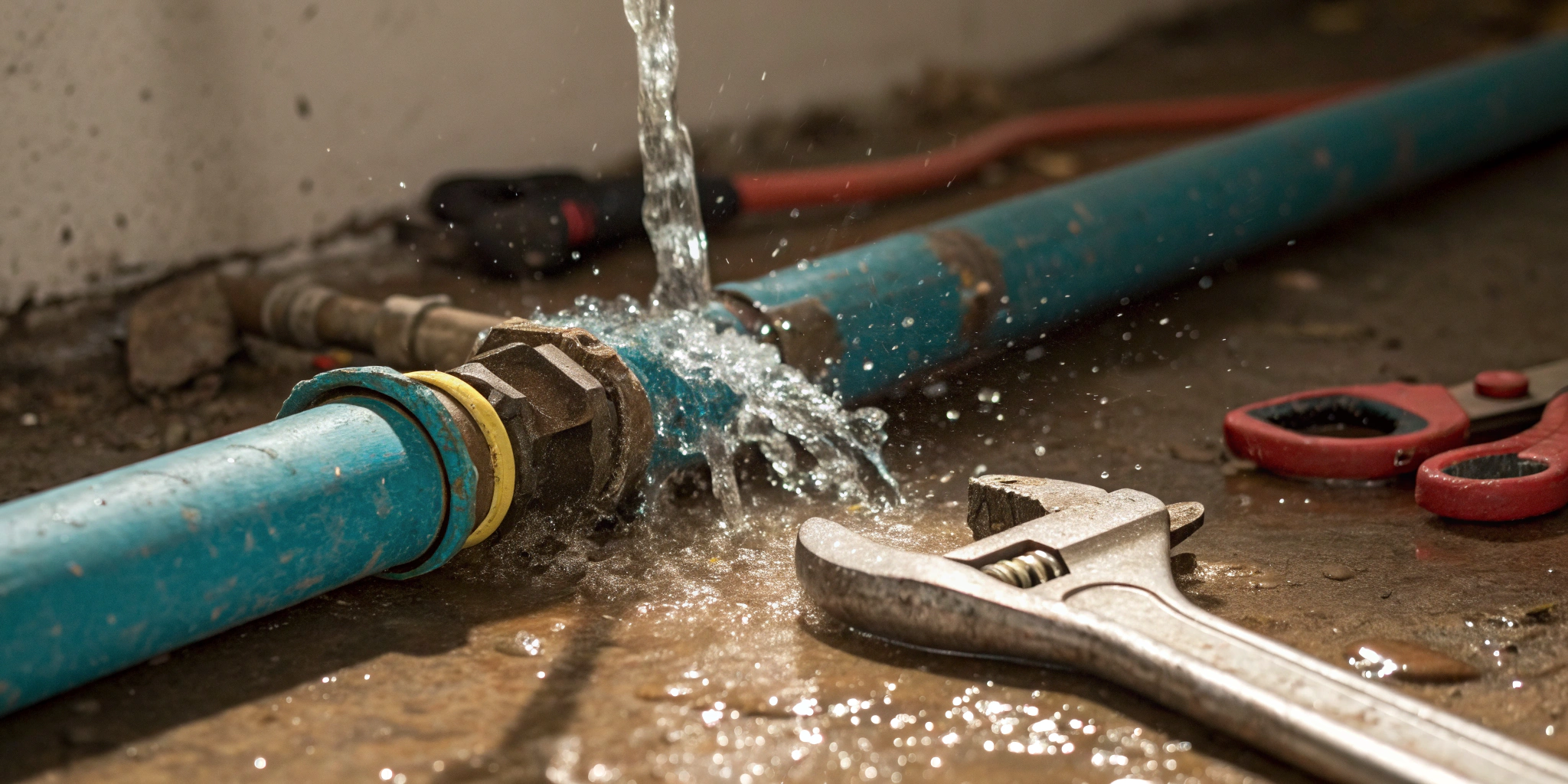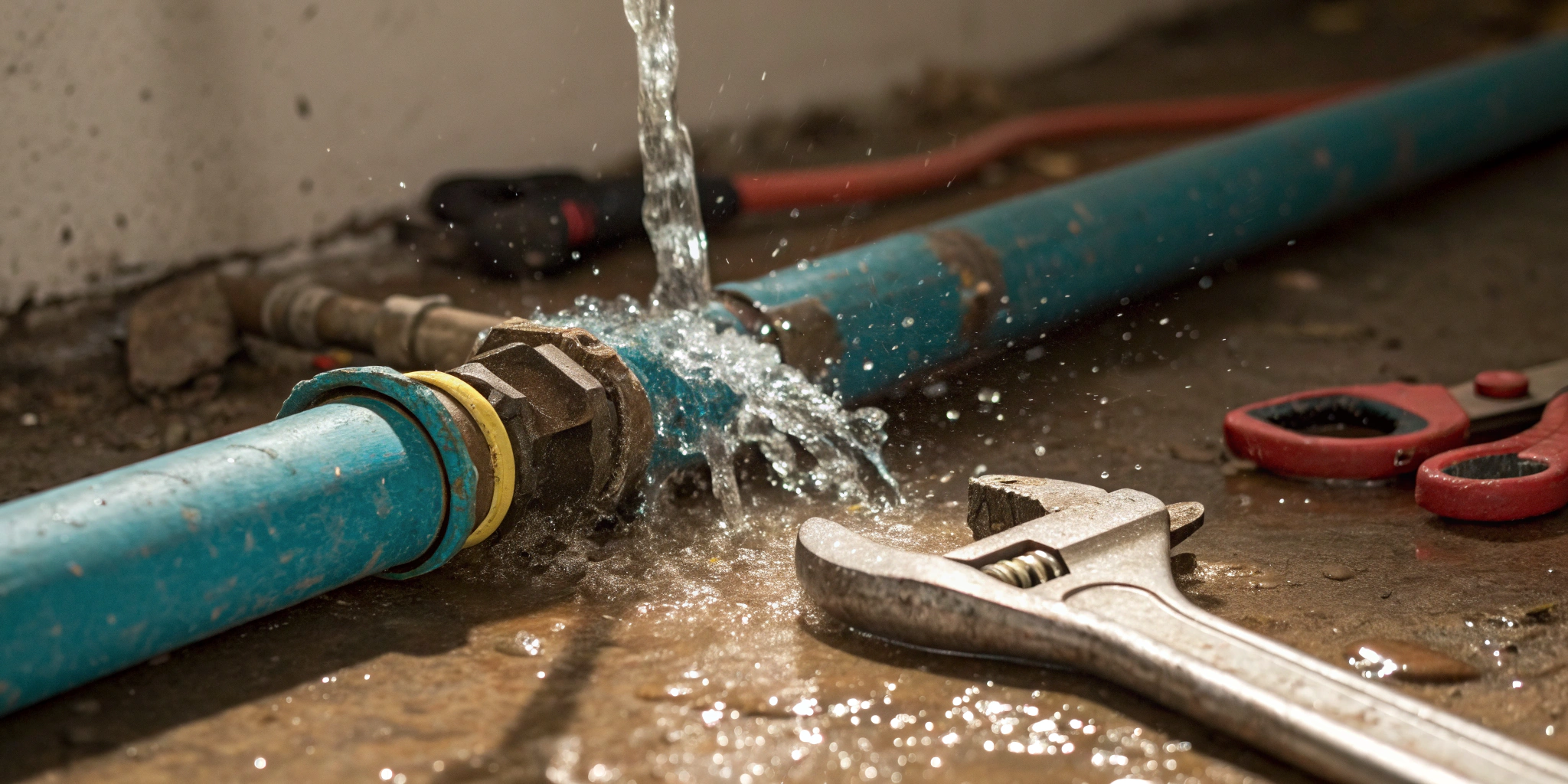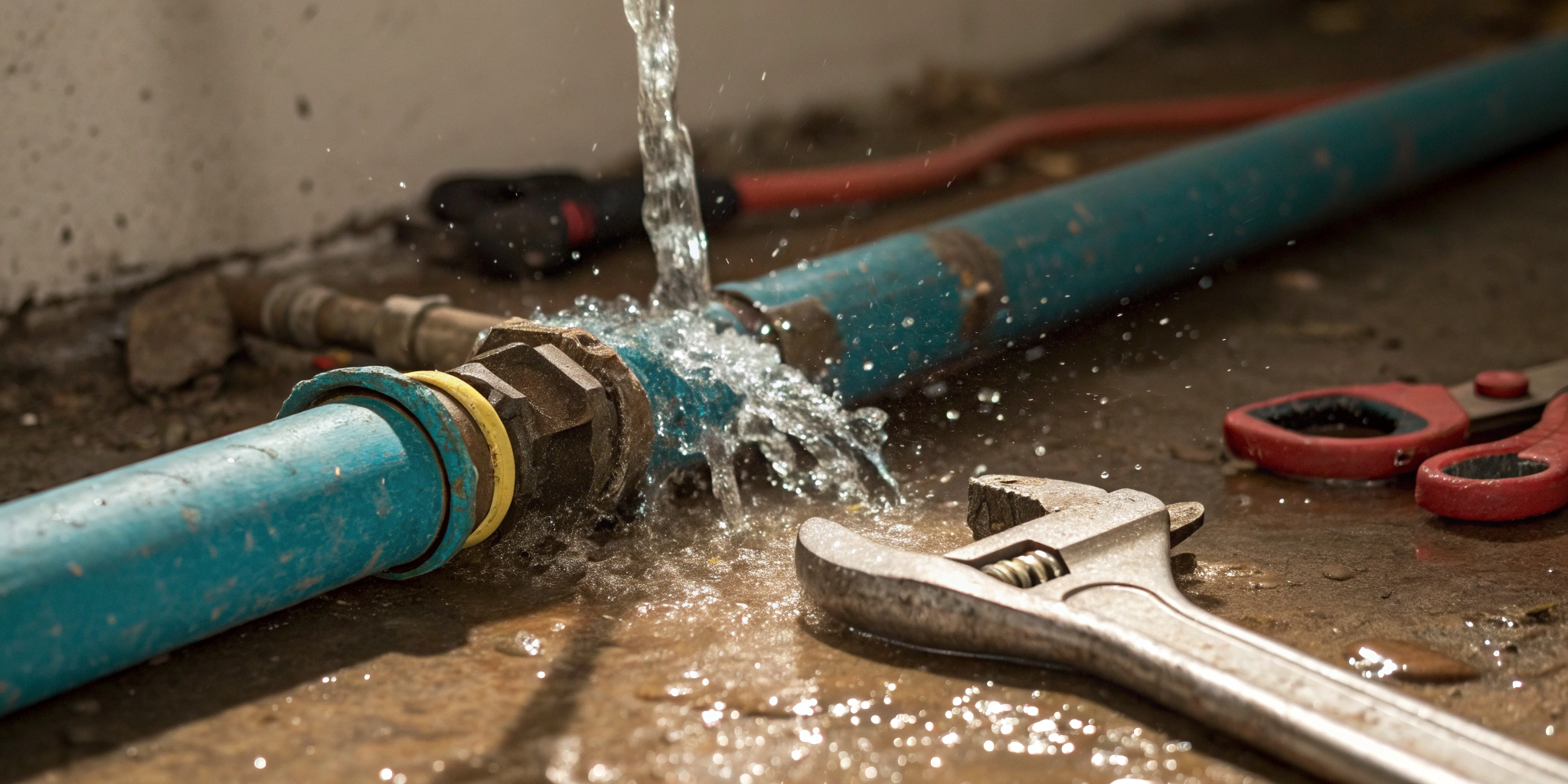


A good plumber in Kenya is never short of real problems to solve. One day it is a leaking pipe in a Kilimani apartment. The next day it is a blocked drainage line in Rongai, a water tank installation in Kitengela, or full plumbing work for a new rental block in Ruiru. It is practical, skilled work that keeps homes, schools, hotels, factories, and offices running.
That same skill is also needed outside Kenya. In 2026, countries such as Canada, Australia, Germany, the United Kingdom, and several Gulf countries continue to need qualified plumbers. The demand is real, but the process is not as simple as paying an agent and waiting for a flight ticket.
For Kenyan plumbers, working overseas can be a strong career move if handled carefully. It can lead to better earnings, wider experience, and long-term opportunities. At the same time, it involves paperwork, trade assessments, language tests, licensing rules, relocation costs, and the risk of fake recruiters. Before spending money or handing over documents, it is important to understand how the process actually works.
Why Kenyan Plumbers Are Looking for Overseas Jobs
Many Kenyan plumbers work hard but still face unstable income. Some months are good, especially when there are construction jobs or maintenance contracts. Other months can be slow, particularly for plumbers who depend on referrals or small repair jobs.
Overseas jobs attract attention because skilled trades are better structured in many countries. Plumbing is treated as a regulated profession, not casual labour. A qualified plumber may earn hourly wages, receive overtime, access insurance, and work under clear employment contracts.
Countries with aging workforces also have fewer young people joining trades. At the same time, housing construction, water system upgrades, energy-efficient buildings, and maintenance work continue to grow. This creates a labour gap that foreign workers can sometimes fill.
Kenyan plumbers are often practical, adaptable, and used to solving problems in difficult environments. That is a strength. However, foreign employers still want proof of training, experience, safety knowledge, and the ability to follow local standards.
Countries Hiring Kenyan Plumbers in 2026
Australia
Australia remains one of the most attractive options for skilled plumbers. Demand is common in states such as Queensland, Western Australia, South Australia, and regional areas where fewer tradespeople are available.
The pay can be good, but so are the requirements. Kenyan plumbers usually need a skills assessment through Trades Recognition Australia. This checks whether your training and work experience match Australian standards. After that, you may still need state licensing before working independently.
Experience in drainage, roofing, gas fitting, hot water systems, or commercial plumbing can improve your chances. However, Australia has strict building codes, so expect to learn local regulations before being fully licensed.
The cost of living is also important. A salary may look high when converted to Kenya shillings, but rent, transport, tools, tax, and insurance can reduce your take-home income. Regional towns may offer better savings than major cities such as Sydney or Melbourne.
Canada
Canada is another strong destination for plumbers. Provinces such as Alberta, Ontario, British Columbia, and Saskatchewan often need skilled tradespeople for construction, repairs, and infrastructure work.
Many plumbers enter through skilled trade immigration pathways or provincial nominee programs. You may need proof of at least two years of experience, English or French language test results, and settlement funds. Once in Canada, many foreign-trained plumbers start under supervision before working toward certification.
The Red Seal certification is highly valued because it allows plumbers to work across provinces. Preparing for it takes effort, but it can improve pay and job security.
The biggest adjustment for many Kenyans is the weather. Plumbing work in a Canadian winter is very different from working in Nairobi, Kisumu, or Mombasa. Pipes freeze, outdoor work becomes harder, and safety rules are taken seriously. Still, for disciplined plumbers, Canada can offer a clear long-term path.
Germany
Germany has a strong need for skilled workers, including plumbers, sanitation technicians, heating technicians, and building services workers. The country has opened pathways for non-EU tradespeople, but the process is structured.
The main challenge is language. Most employers expect German language ability, often around B1 level. This is not just for conversation. Safety instructions, technical documents, client communication, and workplace forms are usually in German.
Kenyan qualifications must also go through recognition, commonly known as Anerkennung. If your training does not fully match German standards, you may need an adaptation course or further assessment.
Germany can be a good option for plumbers who are patient, organized, and willing to study the language. The work culture is formal, punctual, and paperwork-heavy, but it also offers strong worker protections.
United Kingdom
The United Kingdom continues to need plumbers, especially in domestic plumbing, heating systems, maintenance, and energy-efficient installations such as heat pumps.
Kenyan plumbers may need a job offer from a licensed employer to qualify for a Skilled Worker visa. Qualifications may also need to be compared with UK standards, such as NVQ levels.
Gas work is a separate issue. In the UK, plumbers who work on gas systems must be properly registered. A Kenyan plumber should not assume that experience with local systems automatically allows them to work on gas boilers abroad.
The UK can offer good earnings, especially for experienced plumbers, but living costs vary widely. London pays more, but rent and transport are expensive. Smaller towns may offer a better balance.
United Arab Emirates and Gulf Countries
The Gulf remains one of the most common routes for Kenyan tradespeople. Countries such as the United Arab Emirates, Qatar, Saudi Arabia, and Oman hire plumbers for construction, hotels, facility management, commercial buildings, and residential projects.
The process is often faster than Western migration routes. Many jobs do not require IELTS or complex trade licensing. Employers may provide accommodation and transport, which can help workers save.
However, contracts must be checked carefully. Confirm the salary, overtime rules, accommodation conditions, medical cover, working hours, and return ticket arrangement. Do not rely only on verbal promises from an agent.
Gulf jobs can be useful for gaining international experience and saving money, but workers are often tied to one employer during the contract. Breaking a contract early can be costly.
What Overseas Employers Usually Check
Foreign employers do not hire plumbers based on confidence alone. They want evidence. A NITA trade test, TVET certificate, diploma, or other recognized training can help prove your skill level.
Work history also matters. If you have worked on apartment blocks, schools, hotels, hospitals, borehole connections, drainage systems, or bathroom renovations, document it properly. A signed reference letter from a contractor or client is stronger than simply saying you have ten years of experience.
Employers also look for plumbers who can read drawings, follow specifications, observe safety rules, communicate clearly, and arrive on time. In many countries, a small mistake can create legal or insurance problems, so professionalism matters.
Costs Kenyan Plumbers Should Plan For
Working overseas usually requires money before you earn anything. Costs may include passport renewal, police clearance, medical exams, skills assessment, language tests, visa fees, document certification, flights, tools, and first-month living expenses.
The exact amount depends on the country. Western routes such as Canada and Australia can be more expensive because of assessments, visa fees, and settlement requirements. Gulf jobs may cost less upfront, especially where the employer covers flights and accommodation.
Be careful with loans. Do not sell land, borrow heavily, or pay large agent fees before confirming the employer, contract, and visa process. A genuine opportunity should be verifiable.
How to Avoid Fake Overseas Job Offers
Scams are common because many people are desperate for better opportunities. Be cautious if someone promises a guaranteed job with no interview, no documents, no qualification checks, or no clear employer name.
Never hand over your passport to anyone except an official visa centre, embassy process, or legally authorized channel. Always ask for the company name, physical address, contract details, job description, and recruiter registration.
In Kenya, it is wise to verify recruitment agencies through the relevant government channels before paying anything. The same habit applies locally when choosing service providers. Platforms such as The Real Plug help users find vetted professionals, service providers, and businesses in Kenya, and that same verification mindset is useful when dealing with overseas recruiters.
If something feels rushed or secretive, step back. A real employer will not pressure you to send money immediately through unclear channels.
Preparing Yourself Before Applying
Start by organizing your documents. Make sure your names match across your passport, certificates, ID, and work records. Small differences can delay applications.
Update your CV so it shows real plumbing experience. Instead of writing only “experienced plumber,” mention the types of systems you have worked on. For example, drainage installation, bathroom fittings, water tank connections, pump systems, apartment plumbing, or commercial maintenance.
Improve your technical knowledge. Learn how to read plumbing drawings, understand safety procedures, and write basic work reports. If you are targeting Germany, begin language lessons early. If you are targeting Canada, Australia, or the UK, prepare for English tests where required.
It also helps to speak with Kenyans already working in your target country. They can explain real costs, weather conditions, accommodation issues, savings potential, and workplace expectations.
Should Every Kenyan Plumber Move Abroad?
Not necessarily. Working overseas can be rewarding, but it is not the only path to success. Some plumbers are already building strong businesses in Kenya by offering reliable service, proper quotations, honest communication, and quality workmanship.
If you have steady clients in Nairobi, Mombasa, Kisumu, Eldoret, Nakuru, or other growing towns, staying and expanding locally may make sense. Good plumbers are still needed in Kenya, especially as more people build homes, apartments, schools, shops, and hospitality businesses.
Moving abroad is best for plumbers who are ready to adapt, study, follow strict rules, live away from family, and start at a lower level if required. It should be a planned decision, not a move made because a friend posted good photos online.
Conclusion
Kenyan plumbers can work overseas in 2026, but success depends on preparation, patience, and verification. Australia, Canada, Germany, the UK, and Gulf countries all offer real opportunities, but each has different rules, costs, licensing steps, and lifestyle challenges.
The safest approach is to organize your documents, understand the requirements of your preferred country, avoid shortcuts, verify recruiters, and budget realistically. Plumbing is a valuable skill, but abroad, skill must be backed by paperwork, professionalism, and compliance.
Whether you choose to work overseas or build your reputation in Kenya, the main lesson remains the same. Good plumbing work, done honestly and professionally, will always be needed.