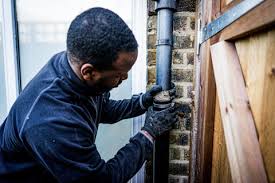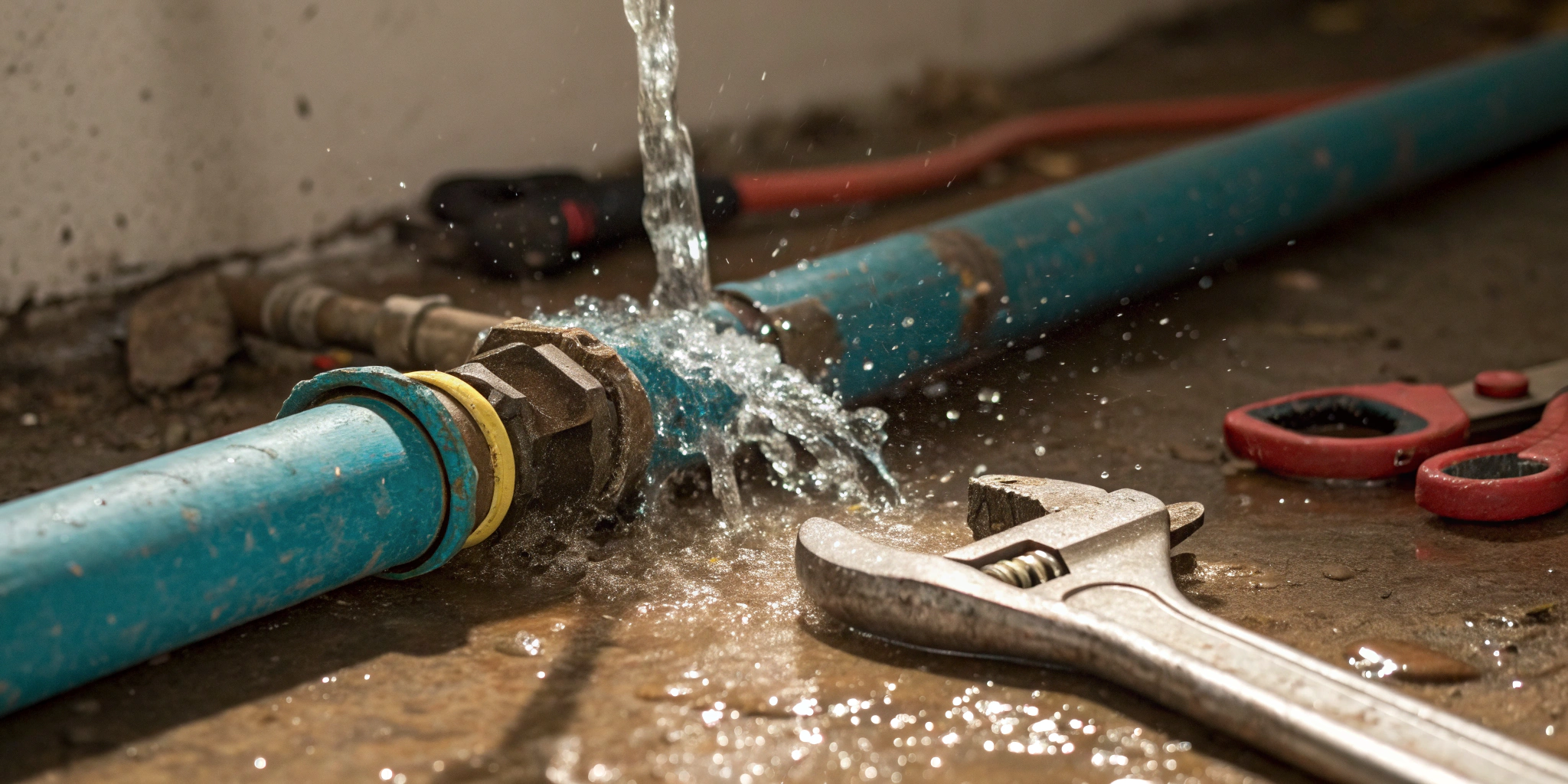


For many Kenyan plumbers, Canada sounds like the kind of opportunity that can change a life. You may be fixing burst pipes in Pipeline, installing a water heater in Karen, handling drainage work in Kisumu, or doing full-house plumbing for new homes in Ruiru. Then you hear that Canada needs plumbers, pays hourly, and gives skilled tradespeople a legal path to work and settle.
That is true, but it is only part of the story.
Plumbing careers in Canada can be rewarding for Kenyan fundis who prepare properly. The country needs skilled tradespeople because of housing growth, infrastructure upgrades, and an aging workforce. However, Canada is strict about licensing, documentation, safety, and immigration rules. It does not matter how many apartments you have piped in Ruaka or how many bathrooms you have fitted in Eldoret if you cannot prove your training and experience.
Before you spend money on an agent, IELTS, or a visa process, it is important to understand how plumbing work in Canada actually works, what employers expect, how licensing is done, and what mistakes Kenyan applicants should avoid.
Why Canada Needs Skilled Plumbers
Canada has a growing need for tradespeople, and plumbing is one of the practical skills that remains important in both cities and smaller towns. New homes need water supply and drainage systems. Old buildings need repairs. Schools, hospitals, hotels, offices, and factories need regular maintenance. In colder provinces, plumbing systems also face pressure from freezing weather, heating systems, and seasonal repairs.
Another reason is retirement. Many experienced Canadian plumbers are getting older, while fewer young people are entering the trades fast enough to replace them. This has created openings for trained workers from other countries, including Kenya.
For Kenyan plumbers, the opportunity is attractive because many already have hands-on experience. A fundi who has worked on residential houses, rental flats, borehole connections, water tanks, pump systems, drainage lines, or commercial buildings may already understand many practical parts of the job. The main challenge is proving that experience in a way Canadian employers and licensing bodies accept.
How Plumbing Careers in Canada Differ from Plumbing Work in Kenya
In Kenya, plumbing work can be informal. A client may call you directly, you inspect the job, buy materials from a local hardware, and complete the work based on experience. On larger construction sites, there may be drawings and supervision, but smaller jobs often depend on the fundi’s judgment.
In Canada, plumbing is more regulated. You are expected to follow codes, work under permits where required, pass inspections, and document your work properly. Safety is also taken very seriously. Personal protective equipment, daily safety briefings, hazard assessments, and proper tool use are part of the job.
This does not mean Kenyan plumbers cannot adjust. Many can. But the mindset must change from “I know how to fix it” to “I know how to fix it according to the local code, safety rules, and inspection standards.”
Common Pathways for Kenyan Plumbers to Move to Canada
There is no special visa called a plumber visa. Kenyan plumbers usually use skilled worker or skilled trade immigration routes. The right option depends on your experience, age, language score, education, job offer, and preferred province.
Federal Skilled Trades Program
The Federal Skilled Trades Program is part of Canada’s Express Entry system. It is designed for people with experience in skilled trades, including plumbing. Applicants generally need recent work experience, language test results, and either a valid job offer or a certificate of qualification from a Canadian province.
For many Kenyans, the challenge is getting a Canadian job offer before arrival. It is possible, but employers are careful because the process can be expensive and time-consuming for them.
Provincial Nominee Programs
Canada’s provinces have their own immigration streams. Provinces such as Alberta, Saskatchewan, Ontario, British Columbia, and Nova Scotia may invite tradespeople depending on labour needs.
A provincial nomination can make your application stronger, especially if your Express Entry score is not high enough. However, most provincial routes still require proof of experience, language test results, and sometimes a job offer.
Temporary Foreign Worker Program
Some plumbers enter Canada through an employer-specific work permit under the Temporary Foreign Worker Program. This means a Canadian employer hires you for a specific role and may need approval showing they could not find a suitable local worker.
This route can be faster than permanent residence, but it ties you to one employer. If the job is not what you expected, changing employers may not be simple. That is why checking the employer carefully before accepting is important.
Atlantic Immigration Program
For plumbers open to smaller provinces such as Nova Scotia, New Brunswick, Newfoundland and Labrador, or Prince Edward Island, the Atlantic Immigration Program may be worth exploring. Some of these areas have lower rent, smaller communities, and real demand for tradespeople.
The pace may be quieter than Toronto or Vancouver, but for a Kenyan worker trying to build a stable life, smaller cities can sometimes offer a better balance between income and living costs.
Licensing and the Red Seal: Why It Matters
One of the biggest differences between Kenya and Canada is licensing. You cannot simply arrive in Canada and call yourself a fully licensed plumber because you have a NITA certificate or many years of experience.
Each province has a body that regulates skilled trades. You may start as an apprentice, plumber helper, or supervised worker while your experience is assessed. If you have enough documented hours and strong references, you may be allowed to challenge the certification exam.
The Red Seal endorsement is highly valued in Canada because it shows that a tradesperson meets a national standard. A Red Seal plumber can work across provinces more easily than someone certified only locally.
To qualify, you may need to prove thousands of hours of plumbing experience. This is where many Kenyan plumbers struggle. They may have worked for ten years, but without letters, job records, contracts, or employer references, it becomes difficult to prove.
Start documenting your experience while still in Kenya. Ask contractors, developers, property managers, and previous employers for letters that include dates, duties, project types, and contact details.
How Much Plumbers Can Earn in Canada
Plumbing pay in Canada depends on province, experience, licensing level, union status, and specialization. Apprentice plumbers and helpers usually earn less than fully licensed journeyperson plumbers. Once certified, pay can improve significantly.
Plumbers in large cities may earn more per hour, but expenses are also higher. Toronto and Vancouver can be expensive, especially when it comes to rent. Smaller towns in Alberta, Saskatchewan, Manitoba, or Atlantic Canada may offer lower living costs and better savings potential.
Specializations can also increase earnings. Plumbers with additional skills in gas fitting, hydronic heating, backflow prevention, medical gas, or industrial systems may access better-paying roles. However, these areas often require extra certification.
When comparing salaries, always look at take-home income, not just the hourly rate. Canada has taxes, insurance deductions, transport costs, rent, winter clothing, and sometimes tool expenses. A high salary on paper may feel smaller after deductions and living costs.
What Canadian Employers Expect from Plumbers
Canadian employers value skill, but they also care about safety, timekeeping, communication, and professionalism. On a job site, you may work with people from different backgrounds, including Canadians, Filipinos, Indians, Nigerians, Ukrainians, and other immigrants. Clear communication matters.
You should be able to read work orders, understand drawings, follow specifications, and explain problems to a supervisor. If your English writing is weak, start practicing simple job reports before applying.
Canadian plumbing also uses materials and methods that may differ from what you commonly see in Kenya. Depending on the province and type of building, you may work with copper, PEX, ABS, PVC, cast iron, or other systems. Drawings and building codes guide the work. Guesswork is not accepted.
Safety is another serious issue. Showing up without proper protective gear, ignoring a hazard, or rushing a job can cost you employment. In Canada, a good plumber is not only the person who fixes the problem, but the person who fixes it safely and according to code.
Costs Kenyan Plumbers Should Prepare For
Moving to Canada is not cheap. Before you earn your first Canadian pay cheque, you may spend money on language tests, credential assessment, trade assessment, medical exams, police clearance, visa fees, flights, document certification, and settlement costs.
If you are applying without a job offer, you may also need proof of funds. This money shows the Canadian government that you can support yourself when you arrive.
Be careful with agents who promise that everything can be done cheaply or without documents. A genuine process usually involves official fees and proper paperwork. Avoid borrowing large amounts unless you fully understand the pathway, timeline, and risks.
Also remember that arrival costs are real. You may need money for rent deposit, transport, food, warm clothing, phone connection, tools, and licensing preparation. Canada is not the place to land broke and hope things will sort themselves out.
Common Mistakes Kenyan Plumbers Make
One common mistake is trusting fake job offers. Some people claim they can sell Canadian contracts or arrange work permits quickly. Canada checks employers, documents, and immigration applications carefully. A fake job offer can lead to refusal or even a ban.
Another mistake is ignoring the licensing process. Some plumbers arrive and remain helpers for years because they never prepare for certification. If your goal is to earn well, licensing should be part of your plan from the beginning.
Many applicants also focus only on Toronto or Vancouver because those cities are famous. But rent can be very high. A plumber may save more in a smaller city with lower costs, even if the hourly rate is slightly lower.
Poor documentation is another major issue. If you worked on sites in Nairobi, Nakuru, Kisumu, or Mombasa, start collecting proof. A strong reference letter should include the client or employer name, project dates, duties performed, and contact information.
When checking employers, recruiters, or local service providers, verification matters. Platforms such as The Real Plug help users find vetted professionals, service providers, and businesses in Kenya. Use the same careful mindset when dealing with Canadian employers or migration consultants. Ask for registration details, official contacts, and written agreements before paying anything.
How to Prepare While Still in Kenya
Start with your papers. Make sure your passport, ID, school certificates, NITA or TVET documents, and work records are accurate and consistent. If your names differ across documents, resolve that early because immigration systems can be strict.
Update your CV so it reflects real plumbing experience. Avoid vague phrases such as “hardworking plumber.” Instead, mention specific work such as bathroom installations, drainage systems, water tank connections, pump repairs, apartment plumbing, or commercial maintenance.
Improve your English, especially reading and writing. You do not need to sound like a lawyer, but you should be able to understand safety instructions, write simple reports, and handle interviews confidently.
Learn about Canadian plumbing systems before applying. Watch training videos, study basic code concepts, and understand common materials used in Canada. If possible, take a short course in technical drawing or blueprint reading at a local TVET institution.
Also speak to Kenyans already living in Canada. Ask practical questions about rent, weather, licensing, job search, tools, taxes, and transport. Real experiences can help you avoid expensive assumptions.
Is Canada the Right Move for Every Kenyan Plumber?
Canada can be a strong option, but it is not for everyone. The process takes money, patience, and discipline. You may start lower than expected while you work toward certification. You will also adjust to cold weather, a new work culture, taxes, and being far from family.
If you already have a thriving plumbing business in Kenya, steady clients, and good income, moving may not be necessary. There is still strong demand for reliable plumbers locally, especially in fast-growing towns and estates. Many homeowners, landlords, hotels, schools, and businesses struggle to find fundis who communicate well, arrive on time, and do clean work.
For plumbers who feel stuck, have strong documents, and are ready to study and adapt, Canada may offer a more structured long-term path. The key is making the decision based on facts, not pressure from friends, relatives, or online success stories.
Conclusion
Plumbing careers in Canada offer real opportunities for skilled Kenyan fundis, but the move must be planned carefully. Canada needs plumbers, but it also expects proper documentation, language ability, licensing, safety awareness, and respect for local codes.
Before applying, organize your certificates, collect reference letters, improve your English, understand the Red Seal pathway, and research provinces beyond the big cities. Be cautious with agents, fake job offers, and shortcuts that sound too easy.
A Kenyan plumber who prepares well can build a strong career in Canada. But success does not start at the airport. It starts at home, with honest planning, verified information, clean documents, and a clear understanding of what the journey really requires.