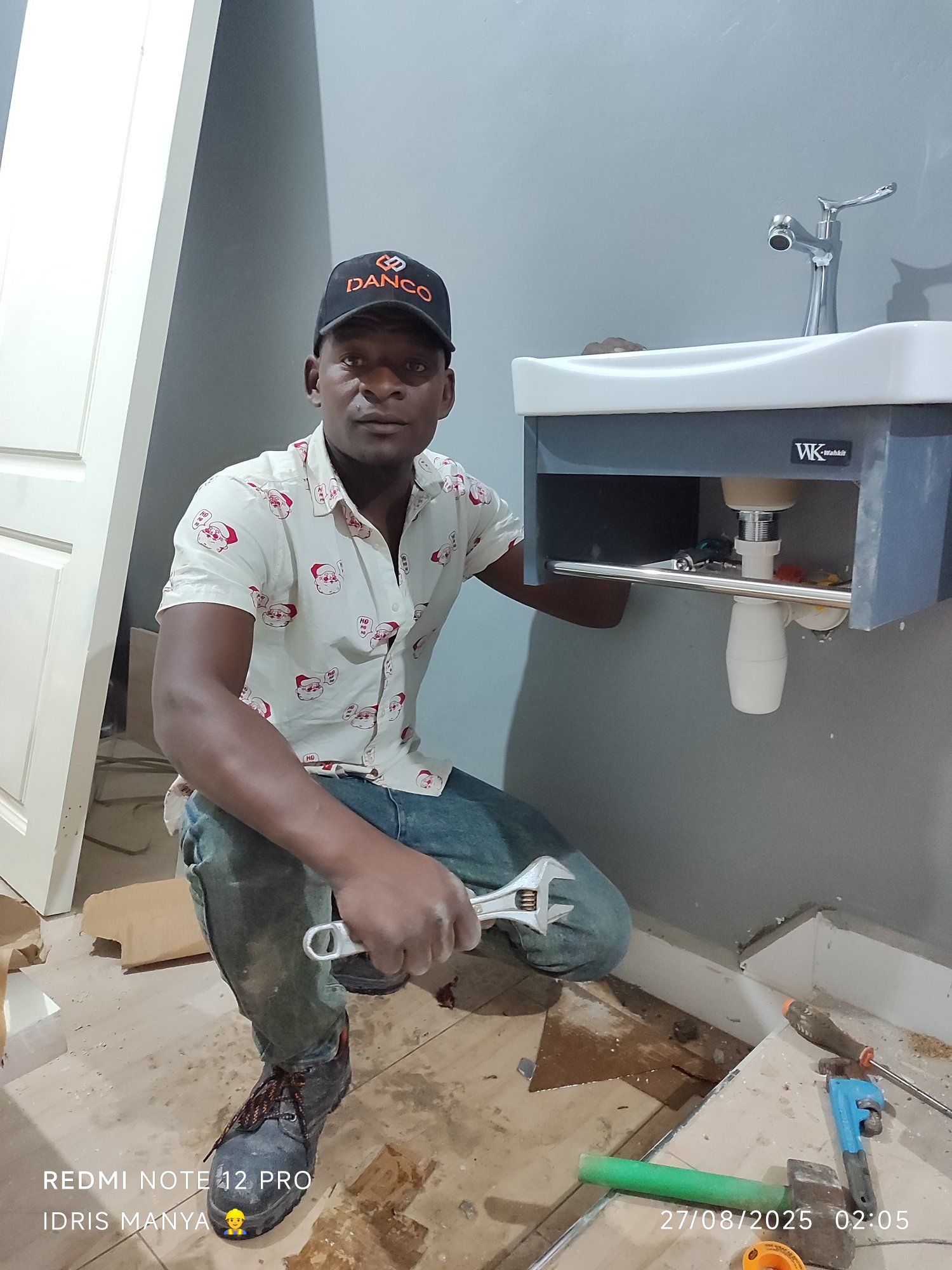


A Kenyan plumber can be very skilled and still miss good overseas opportunities because of a weak CV. You may have fixed water systems in Githurai, installed full-house plumbing in Syokimau, repaired drainage problems in Mombasa, or worked on apartments in Ngara. Locally, people may know your work because you delivered clean jobs and got referrals from clients.
But an employer in Canada, Australia, the UK, or Dubai does not know your reputation. They only see your CV.
That is why a plumbing CV for overseas jobs must be clear, professional, and detailed. It should not look like a quick document prepared for a local site supervisor who already knows you. It should explain your skills in a way that makes sense to foreign employers, recruiters, and immigration officers.
A good CV will not guarantee a job by itself, but it can help you get noticed. A poor one can block you before you even get an interview.
Why Your Local CV May Not Work for Overseas Employers
In Kenya, many plumbing jobs come through referrals. A contractor calls you because someone recommended you. A landlord trusts you because you fixed another tenant’s bathroom. In such cases, a CV may be treated as a formality.
Overseas hiring is different. The CV comes first. Before anyone calls you, they scan your document to see whether your experience, training, and skills match the job.
Foreign employers usually want to see clear dates, proper job titles, specific duties, certificates, and evidence that you understand safety. A CV that only says “hardworking plumber with experience” does not say enough.
They also look for familiar terms. “Fundi wa maji” may be understood in Kenya, but it will not help an employer in Australia or Canada. Use professional words such as plumber, plumbing technician, pipefitter, maintenance plumber, or MEP plumber, depending on your experience.
What an International Plumbing CV Should Include
A plumbing CV for overseas jobs should usually be two pages. One page may be too short if you have several years of experience, while three or more pages can feel too long.
Keep the design clean. Avoid photos, bright colours, heavy borders, and unnecessary graphics. Many companies use systems that scan CVs before a human reads them. A simple, well-arranged document is safer.
Header Section
At the top, write your full name exactly as it appears on your passport. Add your phone number with the Kenya country code, a professional email address, and your location, such as Nairobi, Kenya or Mombasa, Kenya.
Avoid adding unnecessary personal details such as religion, tribe, marital status, ID number, or full home address. In many countries, employers do not ask for those details during hiring.
Use a simple email address, preferably based on your name. An email like [email protected] looks more professional than a nickname from high school.
Professional Summary
The professional summary should be short and specific. This is not the place to say you are “God-fearing, hardworking, and ready to work under pressure.” Instead, explain your trade level, years of experience, main skills, and target role.
For example, you can write that you are a NITA-certified plumber with experience in residential and commercial installations, drainage systems, PPR pipework, sanitary fittings, pressure testing, and maintenance.
This section helps an employer understand your value quickly.
Key Skills
Your skills section should not simply list “plumbing.” Break your skills into practical areas that employers search for.
You can include skills such as water supply installation, sanitary plumbing, drainage systems, pipe repairs, pressure testing, PPR welding, HDPE pipework, PVC drainage, water tank installation, pump systems, solar water heating, drawing interpretation, and occupational safety.
If you have worked with commercial buildings, hotels, schools, hospitals, apartment blocks, or industrial sites, mention those areas where relevant.
How to Write Your Work Experience Properly
The work experience section is the most important part of your CV. It should show what you have actually done, not just where you worked.
Start with your most recent job and move backwards. For each role, include the job title, employer or contractor name, location, and exact dates. Use month and year, not just year.
If you were self-employed, write “Self-Employed Plumbing Contractor” and list the towns or areas where you worked.
Under each job, describe your duties clearly. Avoid vague statements such as “did plumbing work.” Instead, write specific examples. You can mention installing water supply systems for apartments, repairing drainage lines, fitting bathroom fixtures, pressure-testing pipe systems, replacing old galvanized pipes, or maintaining hotel plumbing systems.
Numbers help when they are honest. For example, saying you installed plumbing for a 12-unit apartment block is stronger than saying you worked on buildings. If you led a small team, mention it. If you reduced repeat call-backs through better repairs, say so carefully.
How to Translate Kenyan Experience for Foreign Employers
Many Kenyan plumbers have strong experience, but they describe it in local language that foreign employers may not understand.
Instead of writing “installed tanks,” explain that you installed roof water storage tanks, connected inlet and outlet lines, fitted ball valves, and tested the system.
Instead of “worked on toilets,” describe sanitary fixture installation, drainage connection, venting, and leak testing.
Instead of “mjengo plumbing,” describe residential plumbing installation, first fix and second fix plumbing, or new-build water and drainage systems.
This does not mean exaggerating. It means explaining your real work in terms that international employers understand.
Education, Training, and Certifications
Your education section should include plumbing-related training first. List NITA trade test certificates, TVET qualifications, craft certificates, diplomas, and relevant short courses.
For example, include NITA Grade I, II, or III in Plumbing and Pipe Fitting, a craft certificate from a technical college, or training in occupational safety, first aid, fire safety, working at heights, or confined spaces.
If you are self-taught and have no formal papers, consider taking a NITA trade test before applying abroad. Practical experience is valuable, but many foreign employers and assessors need formal evidence.
Keep scanned copies of your certificates. Some overseas applications require uploads in PDF format, not phone photos.
Referees and Work References
Referees matter in overseas applications. Choose people who can confirm your work honestly and respond by phone or email.
A good referee may be a contractor, site supervisor, company owner, hotel maintenance manager, property manager, or long-term client. Avoid listing relatives unless they were genuinely your employer.
Let your referees know before adding their details. A recruiter may call or email them, and a confused referee can weaken your application.
Where possible, collect written reference letters. A strong letter should mention dates, job title, duties, project type, and contact details.
Common CV Mistakes Kenyan Plumbers Should Avoid
One common mistake is using the same CV for every country. A CV for a Gulf maintenance role should highlight hotel, mall, and high-rise maintenance experience. A CV for Canada should show safety awareness, documentation, code compliance, and readiness for licensing.
Another mistake is leaving out dates. Employers may become suspicious if your work history is unclear. If you had gaps, explain them honestly using acceptable terms such as independent contracts, family responsibilities, further training, or job search period.
Do not lie about skills. If you claim to be experienced in gas fitting, copper press systems, or backflow prevention, be ready to answer interview questions. It is better to state limited exposure honestly than to claim expertise you do not have.
Poor formatting is another issue. Do not send blurry scanned documents, handwritten CVs, or files named “final CV new edited last.” Save your CV as a PDF with a clean file name such as Peter_Otieno_Plumber_CV.pdf.
Tailoring Your CV for Different Countries
For Canada, highlight safety, work documentation, cold-weather readiness where relevant, technical drawings, and your interest in certification such as the Red Seal pathway.
For Australia, mention sanitary plumbing, drainage, roof plumbing, gas exposure where accurate, and skills related to Australian-style regulated trade work.
For the Gulf, focus on MEP work, high-rise buildings, hotels, facility maintenance, pump systems, and the ability to work in multicultural teams.
For the UK, highlight domestic maintenance, customer-facing work, heating systems, copper pipework, and any exposure to boiler or central heating systems if genuine.
Tailoring does not mean rewriting your whole history. It means adjusting the summary and skills so the most relevant experience is easy to see.
How to Check Employers and Recruitment Agencies
A good CV can attract attention, but you still need to verify who is contacting you. Be careful with recruiters who promise guaranteed overseas jobs without interviews, documents, or proper contracts.
Check whether local recruitment agencies are licensed by the relevant authorities. Ask for the employer’s name, job description, salary range, location, and contract terms before paying any money.
In Kenya, platforms such as The Real Plug help users find vetted professionals, service providers, and businesses. The same verification mindset is useful when dealing with overseas recruiters. A genuine employer should have a real business presence, clear contacts, and written job details.
What to Do Before Sending Your CV
Before sending your CV, read it slowly and check for spelling mistakes. Ask someone with good English to review it. Small errors may make you look careless, especially when applying to strict employers.
Save the document as a PDF so the layout does not change. Keep an editable Word version so you can adjust it for different jobs.
Write a short cover letter when applying. It should explain why you are suitable for that specific job and mention your strongest relevant experience. Avoid emotional stories or long personal explanations.
Also keep records of every job you apply for. Save the job advert, the CV version you sent, the date, and any response. If you are invited for an interview, this helps you prepare properly.
Conclusion
A strong plumbing CV for overseas jobs helps foreign employers understand your real value. It translates your Kenyan experience into clear, professional language that matches international expectations.
Do not rely only on saying you are skilled. Show your experience through dates, project details, materials used, systems installed, certificates earned, and references that can be verified.
Whether you are targeting Canada, Australia, the UK, or the Gulf, your CV should be honest, specific, and easy to read. Your plumbing skills may already be strong. Now your CV needs to show them clearly enough for employers abroad to take you seriously.