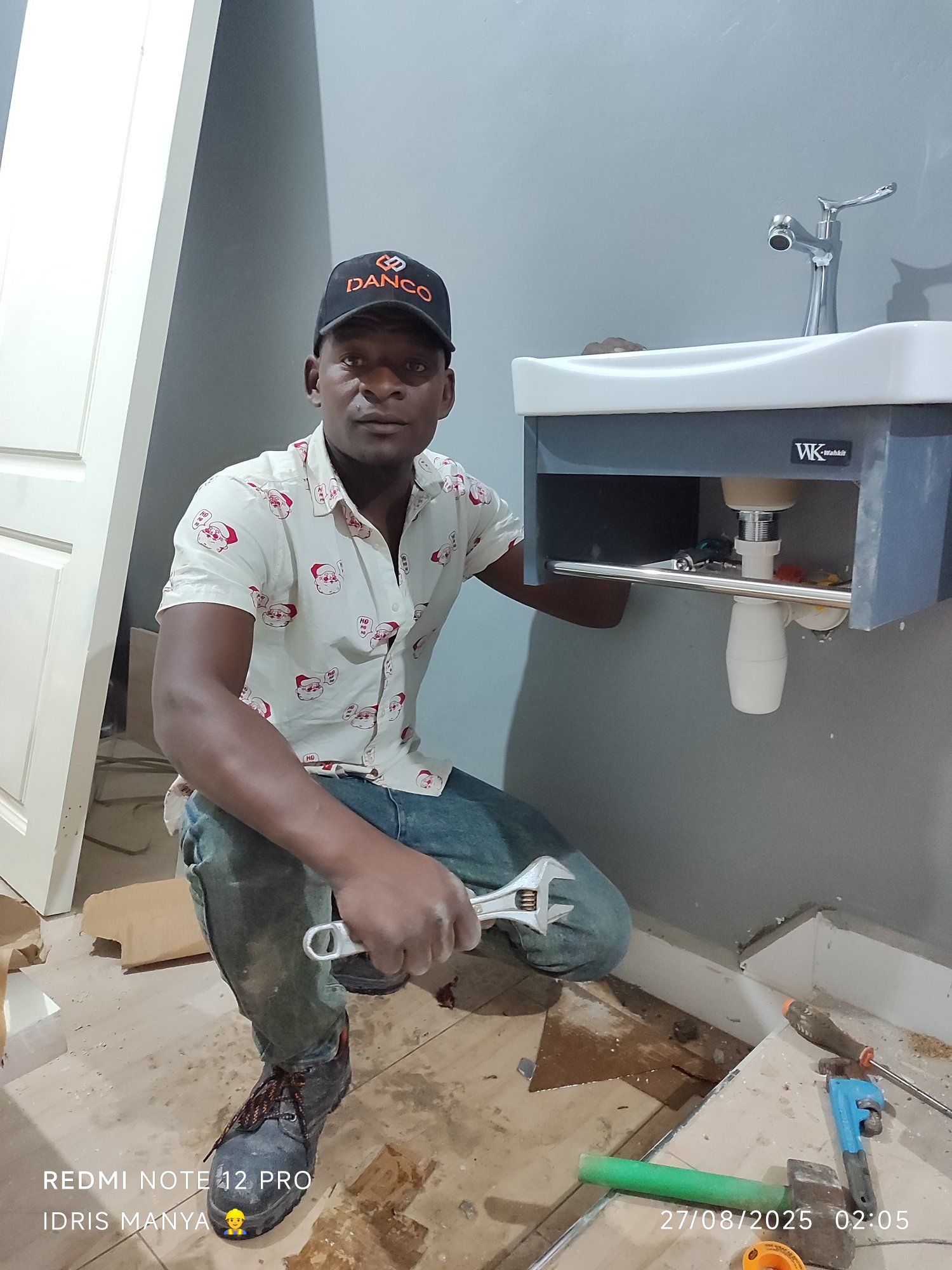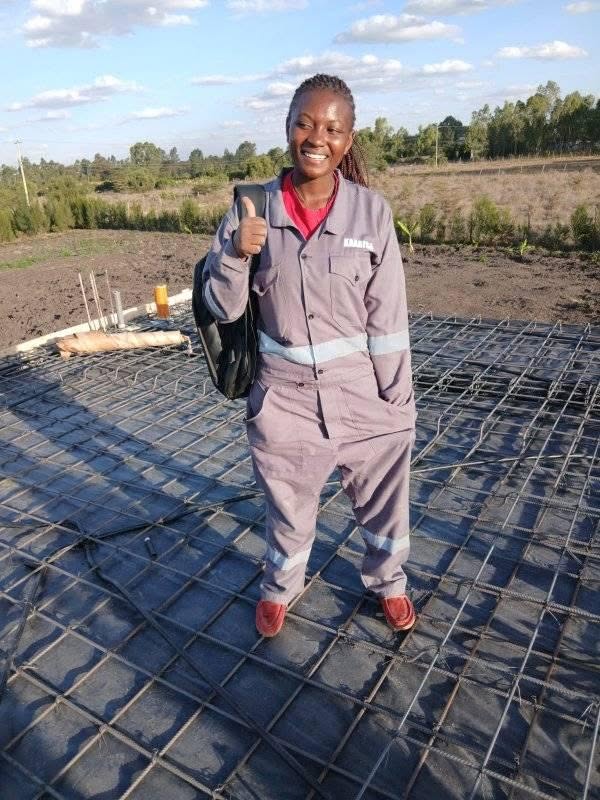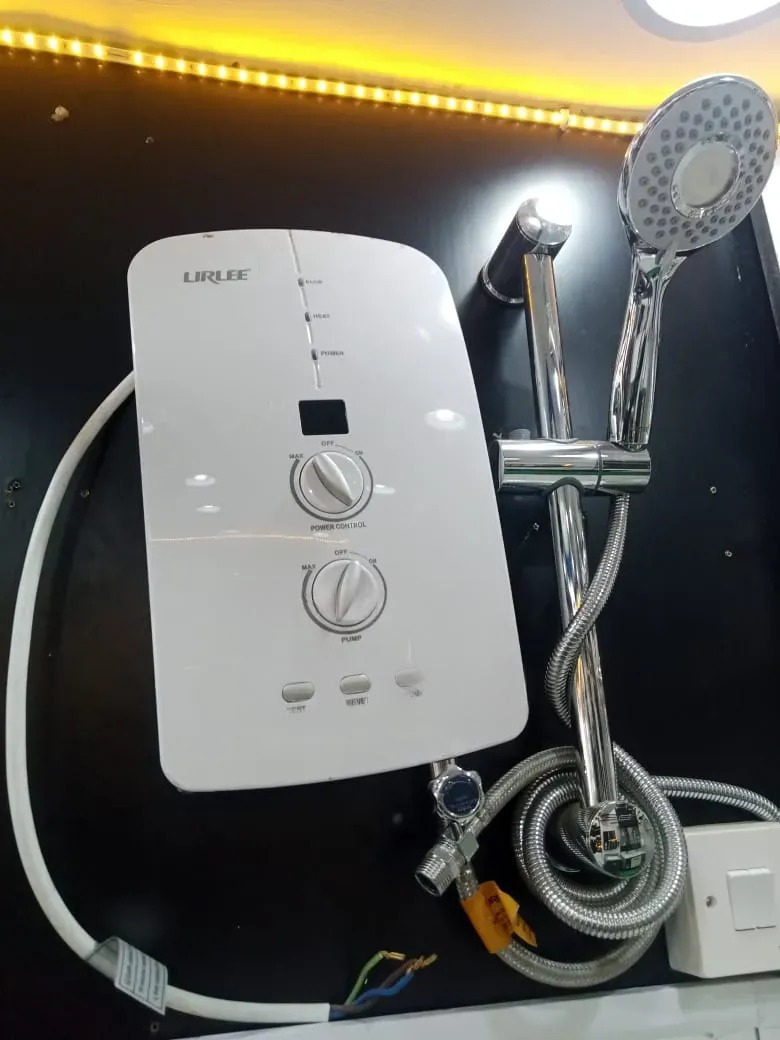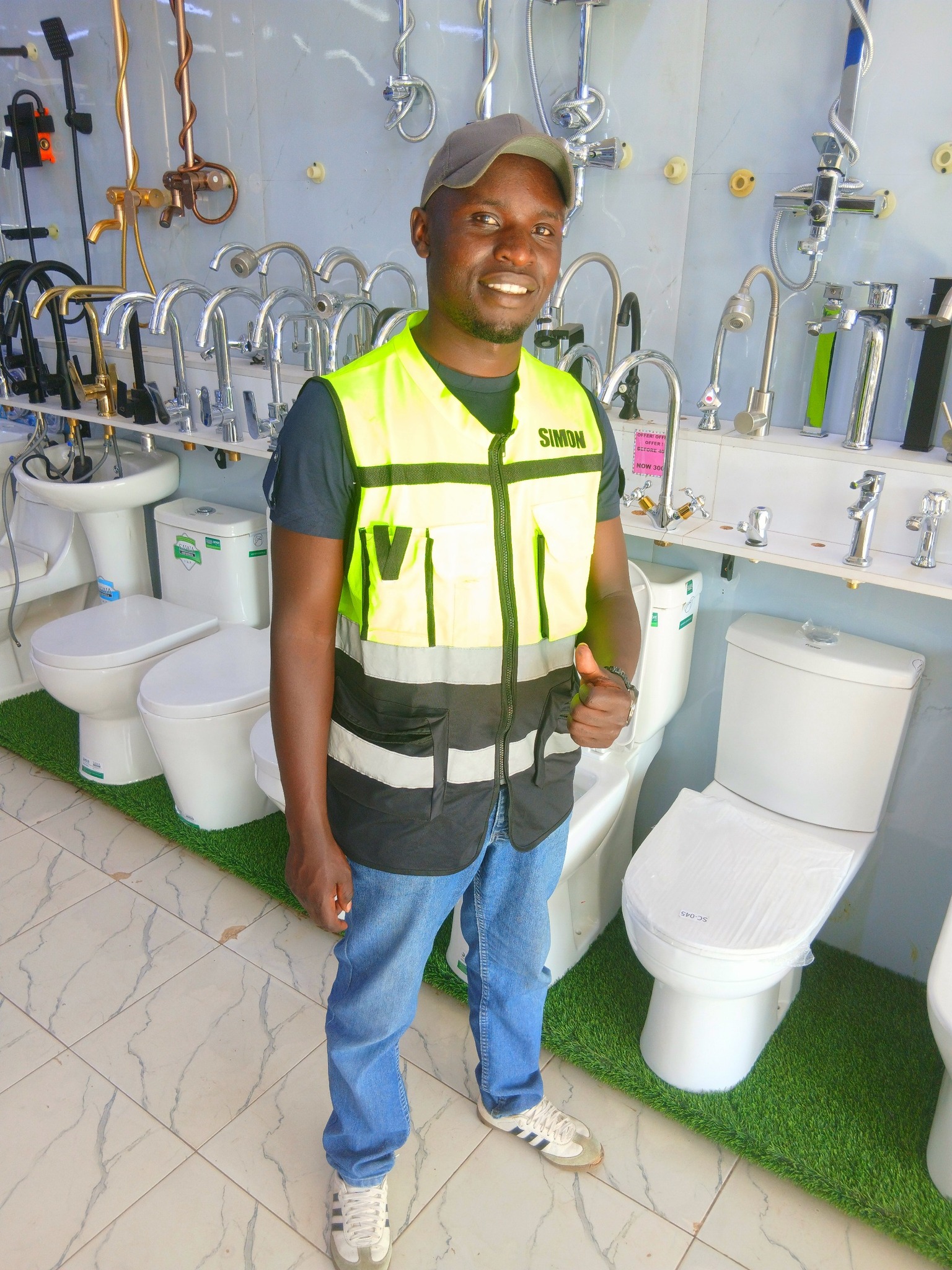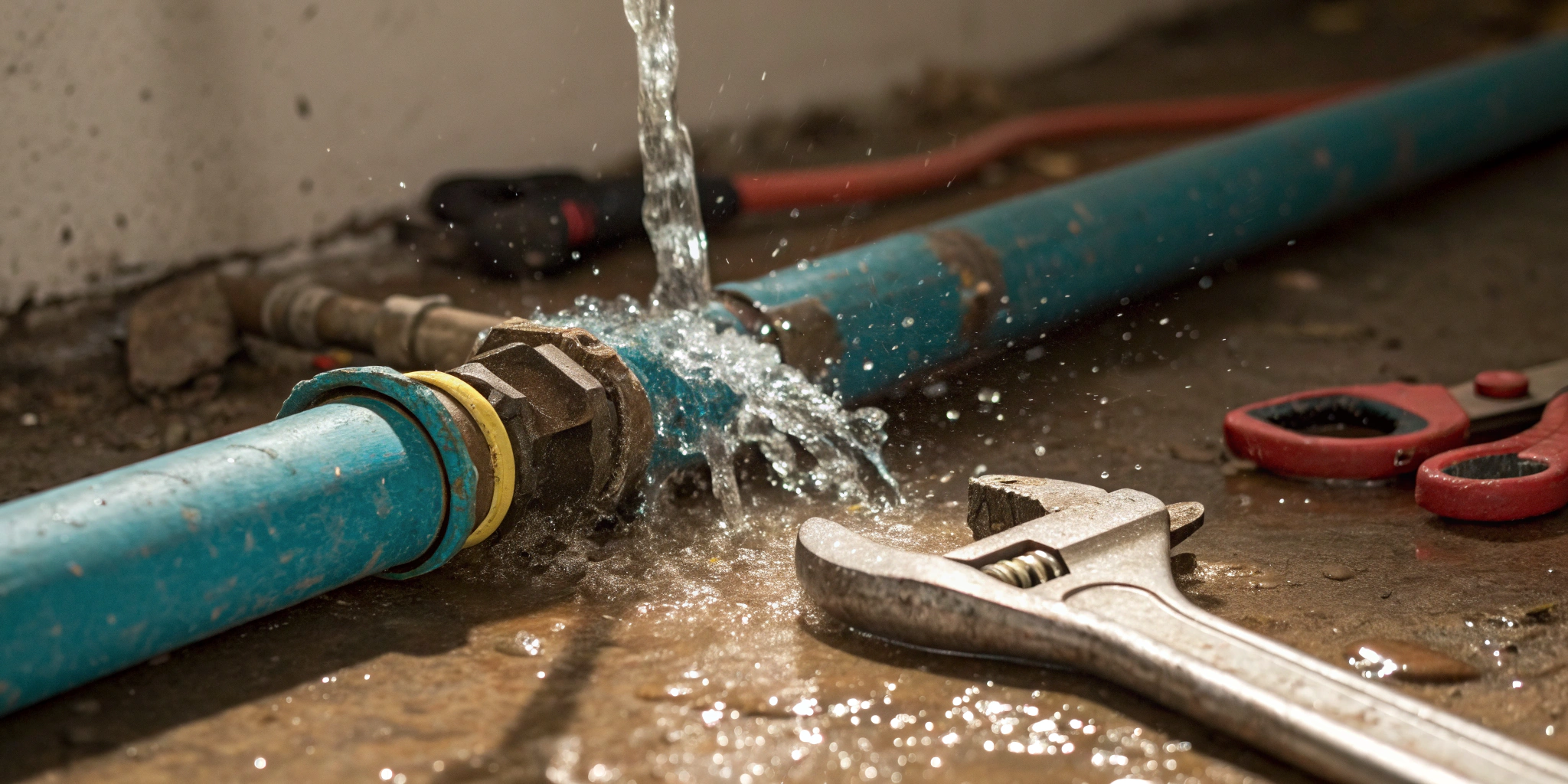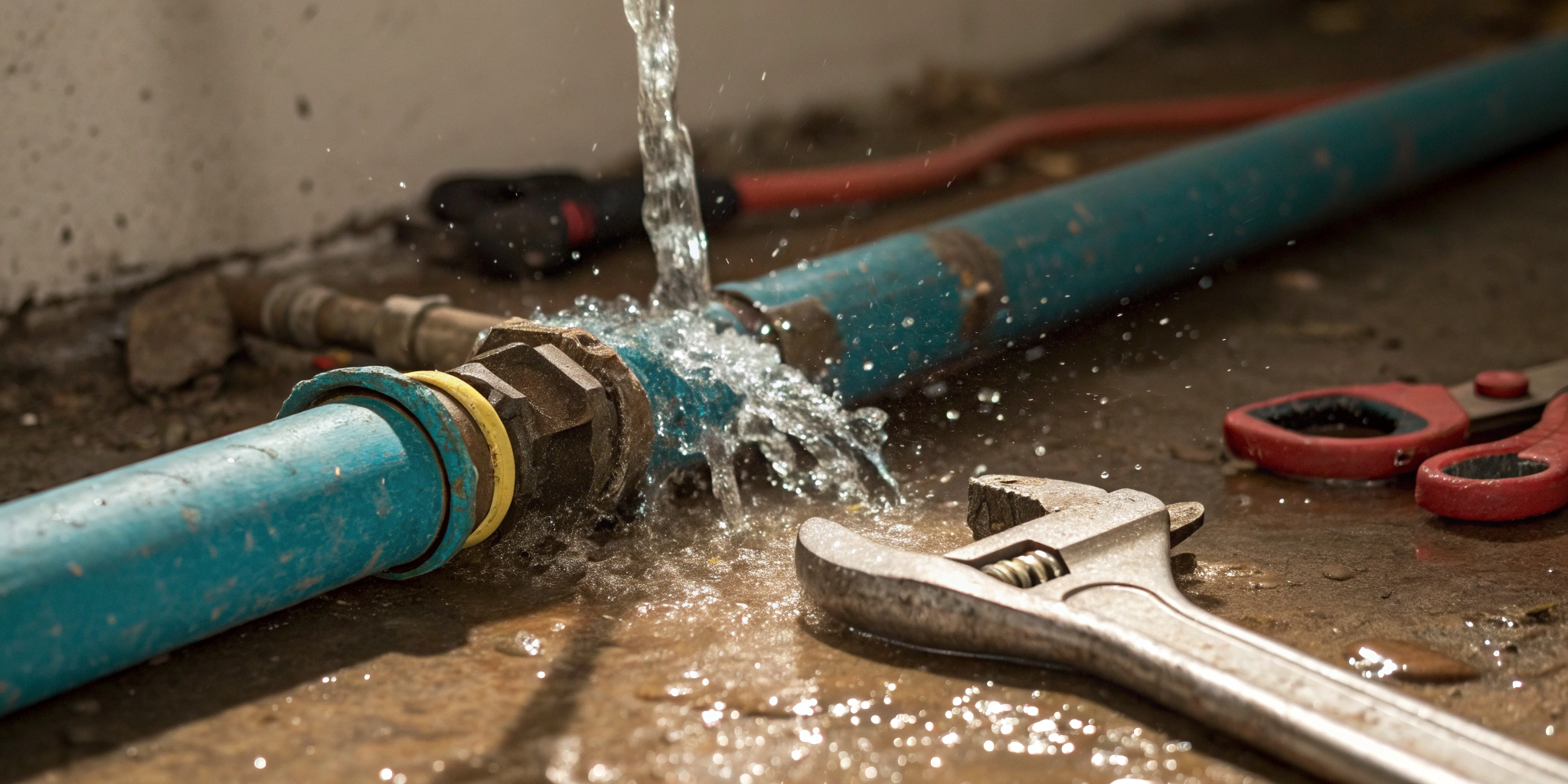


Plumbing is one of those trades people only remember when something goes wrong. A kitchen sink blocks just when supper is being prepared. A toilet starts leaking before visitors arrive. A new apartment block in Ruaka is almost ready, but the water fittings still need proper testing. Suddenly, everyone is asking, “Unajua plumber mzuri?”
That is why plumbing jobs in Kenya are rarely completely dry. The demand is there. Homes, schools, hotels, apartments, factories, hospitals, and farms all need plumbers. The bigger challenge is knowing where to look for serious opportunities and how to present yourself so clients see you as a reliable professional, not just another fundi passing by.
Why Plumbing Work in Kenya Is Still in Demand
Kenya’s towns are growing fast, and every new building needs water systems, drainage, fittings, repairs, and maintenance. From apartments in Syokimau to maisonettes in Ruiru and rental units in Bamburi, plumbing work begins long before tenants move in.
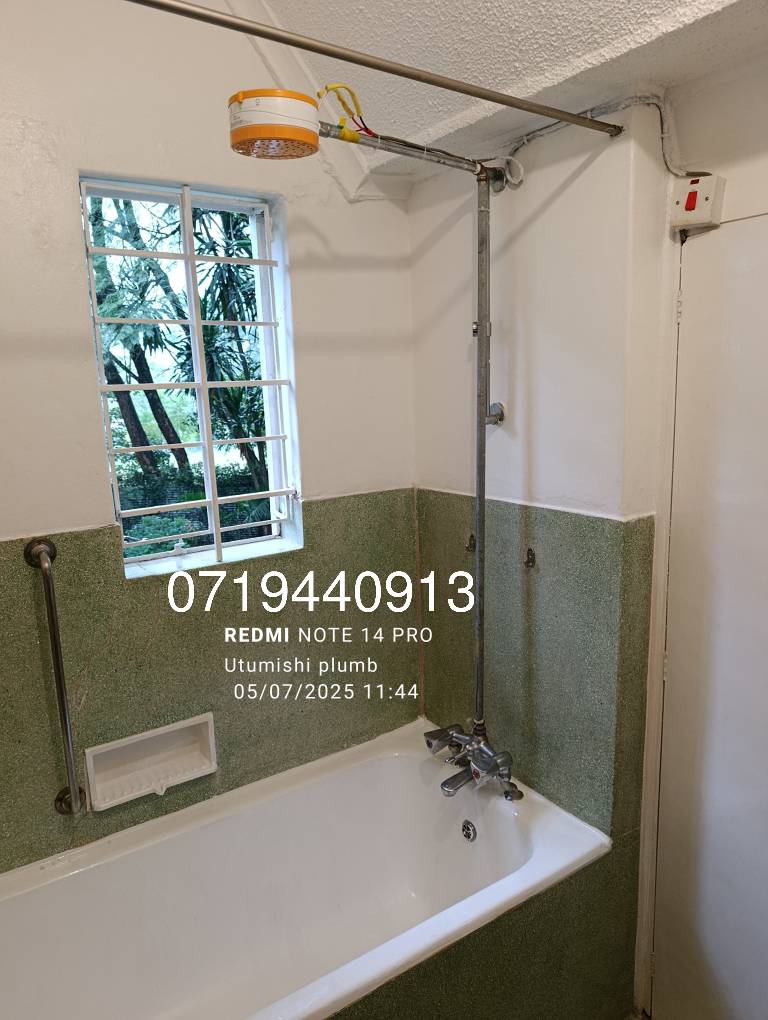
Old estates also create regular jobs. Pipes burst, tanks overflow, taps wear out, toilets block, and shower heaters fail. In places like Eastleigh, Umoja, Kileleshwa, Kisumu town, and Mombasa Island, many buildings are used heavily every day. That means plumbing systems are under pressure.
For trained plumbers, this creates steady opportunities. But the people who get consistent work are usually the ones who are visible, trusted, and easy to reach.
Start With Local Homeowners and Estate Networks
Many plumbing jobs begin inside homes. A tenant notices water leaking under the sink. A landlord needs a bathroom repaired before a new tenant moves in. A homeowner wants a water tank connected.
In most cases, the first place people ask is not a job board. They ask in estate WhatsApp groups, at the hardware shop, through the caretaker, or by searching online for a plumber near them.
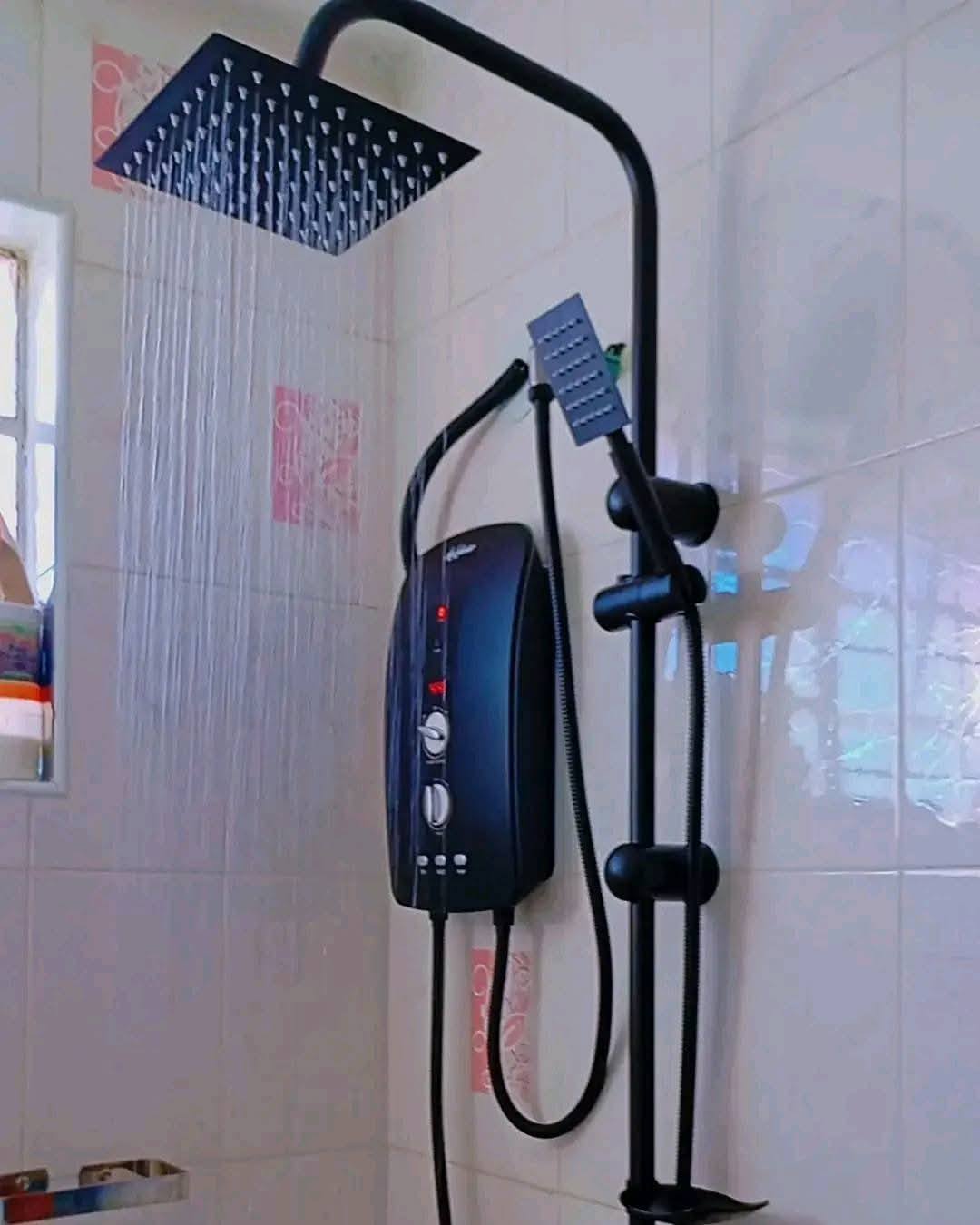
If you work in a specific area, make that clear. Don’t just say, “I’m a plumber.” Say something more useful like, “I handle blocked sinks, toilet repairs, pipe leaks, tank installations, and instant shower fittings around Kitengela, Athi River, and Mlolongo.”
That kind of clarity helps people remember you.
Estate groups can bring good work, but they should be handled carefully. Posting “plumber available” every day can irritate people. A better approach is to respond when someone has a real problem. If a resident says their bathroom is leaking, reply politely, mention your location, explain your call-out fee, and offer to assess the issue.
One good repair in an estate can lead to several referrals. Neighbours talk, especially when someone finally finds a fundi who shows up on time and doesn’t create new problems while fixing old ones.
Use Hardware Shops and Local Suppliers
Hardware shops remain one of the best places to find plumbing work in Kenya. People buying pipes, taps, valves, tanks, or fittings often need someone to install them.
Build relationships with hardware owners and attendants in your area. Don’t just leave your number and disappear. Buy small items there when you can, greet them regularly, and explain the kind of work you handle.
A hardware attendant in Ngong, Thika, Nakuru, or Nyali may refer you when a customer asks, “Do you know someone who can install this?” That referral already comes with a little trust because it is coming from someone the customer is dealing with directly.
Suppliers can also connect you to bigger opportunities. Shops selling water pumps, tanks, solar heaters, and irrigation systems often need reliable installers. If you understand those products well, you become more valuable than a general plumber who only handles small repairs.
Look for Work on Construction Sites
Construction sites are still one of the strongest sources of plumbing jobs in Kenya. New buildings need rough plumbing, drainage lines, water supply systems, bathroom fittings, testing, and final installations.
Sites in Nairobi, Kiambu, Machakos, Kajiado, Mombasa, Kisumu, and Nakuru regularly need skilled plumbers. The challenge is getting known by contractors and foremen.
Walking into a site with confidence can work, but be respectful. Ask for the foreman, site supervisor, or the person in charge of plumbing works. Introduce yourself briefly, mention your experience or training, and ask if they need extra hands.
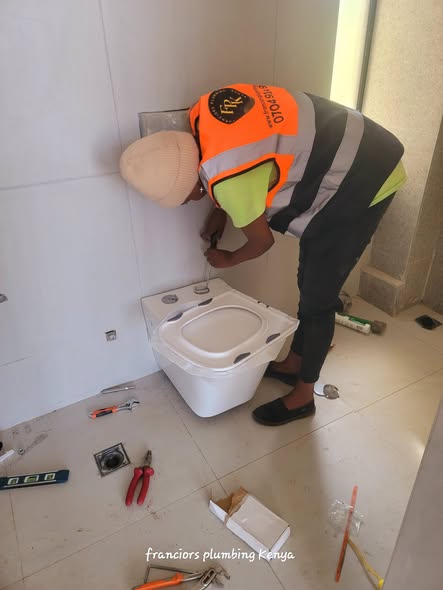
If you have a NITA certificate or previous site experience, say so. Carry photos of past work on your phone. Contractors like seeing proof. A neat pipe installation, tank connection, bathroom fitting, or drainage layout can speak louder than a long explanation.
Site work may start as day labour, but it can grow into subcontracting. Once contractors trust you, they may call you for other projects. Over time, you can move from small repair jobs to handling plumbing packages for apartments, shops, schools, or offices.
Target Schools, Hotels, Offices, and Institutions
Private institutions often need plumbers more than people realise. Schools need toilets, water tanks, kitchen drainage, dormitory bathrooms, and regular maintenance. Hotels need quick repairs because plumbing problems can affect guests immediately. Offices, clinics, churches, and factories also need reliable plumbing support.
These clients usually prefer someone who can be contacted quickly, issue receipts, explain costs clearly, and document the work done.
To approach them, prepare a simple one-page profile. Include your name, services, areas covered, phone number, experience, and references if available. Ask to speak to the maintenance manager, administrator, or procurement officer.
Don’t oversell. Just explain what you do clearly. For example, say you handle emergency leaks, toilet repairs, pump installations, tank cleaning support, drainage issues, and routine plumbing maintenance.
If you serve them well, you can later suggest a monthly maintenance arrangement. This works well for schools, rental apartments, hotels, and offices that prefer predictable service costs.
Find Opportunities Through Online Listings
More Kenyans now search online before hiring a fundi, especially when they want someone they can verify. A phone number scribbled on a wall is no longer enough for many clients.
This is where professional listings help. Having a profile on The Real Plug can make it easier for homeowners, businesses, and property managers to find vetted professionals. For plumbers, it also helps build confidence because clients want to know who they are allowing into their homes or business premises.
Your profile should be simple and practical. Mention your service areas, the plumbing jobs you handle, your availability, and whether you offer emergency call-outs. Use real photos of your work where possible. Avoid fake images or exaggerated promises.
Upskill Into Better-Paying Plumbing Areas
Basic plumbing repairs are useful, but specialised skills can open better-paying opportunities.
Water pumps, borehole connections, solar water heaters, bio-digesters, drainage systems, and irrigation setups are growing areas in Kenya. In places like Kajiado, Machakos, Naivasha, Nanyuki, Kiambu, and Isinya, demand for water storage, pumping, and irrigation systems is strong.
A plumber who understands pump installation or drip irrigation can serve homes, farms, schools, and small businesses. These jobs often pay better than simple tap repairs because they require more skill and planning.
Short courses through NITA or supplier-led training can help. Some suppliers also refer trained installers to customers, especially for products like pumps, tanks, and solar water systems.
Build Trust So Jobs Keep Coming
Finding plumbing jobs is one thing. Getting repeat work is another.
Clients remember plumbers who arrive on time, explain the problem clearly, charge fairly, and clean up after the job. They also remember those who disappear, overcharge, or fix one leak while creating another.
Always communicate before arriving. Give a clear call-out fee. Explain labour charges before starting. If materials are needed, share the cost before buying. Keep receipts where possible.
Photos also help. Take before-and-after photos of your work, especially for larger jobs. With the client’s permission, you can use them as proof of experience when approaching new clients.
Conclusion
Plumbing jobs in Kenya are found in many places: homes, estates, construction sites, hardware shops, schools, hotels, offices, farms, and online platforms. The work is there, but it goes to plumbers who are visible, skilled, and trusted.
Start where you are. Build local relationships. Show proof of your work. List your services where serious clients can find you. Keep improving your skills.
In a country where water systems are part of everyday life, a good plumber will always have a place in the market.