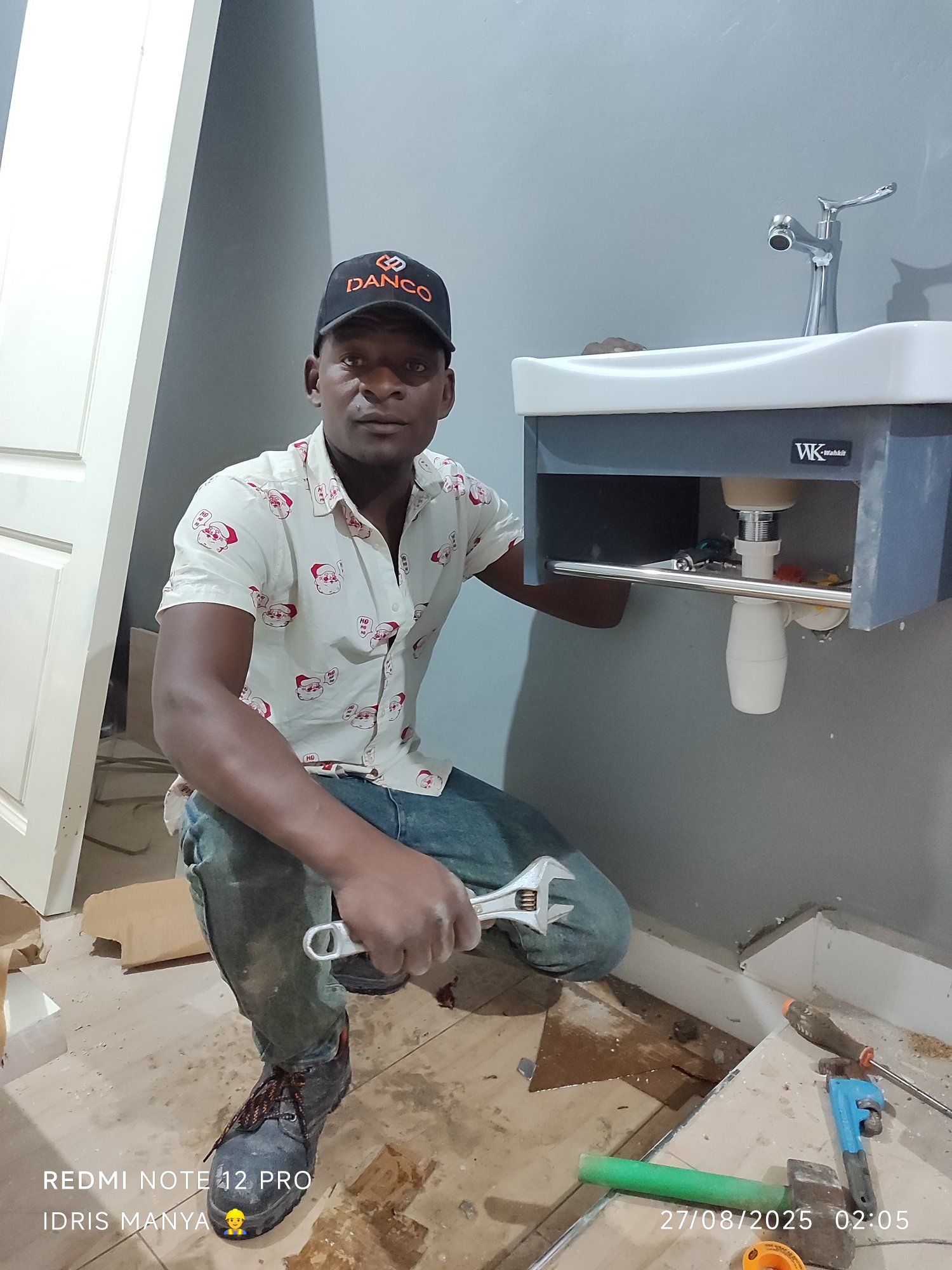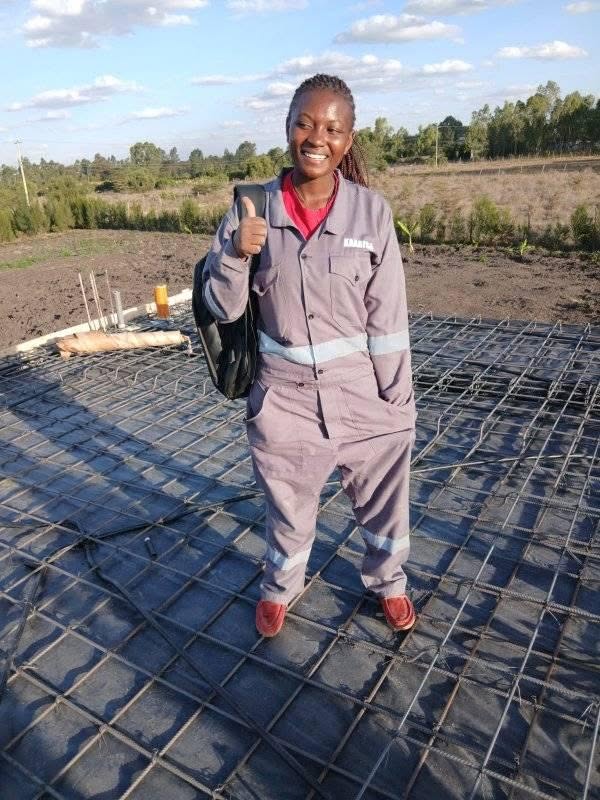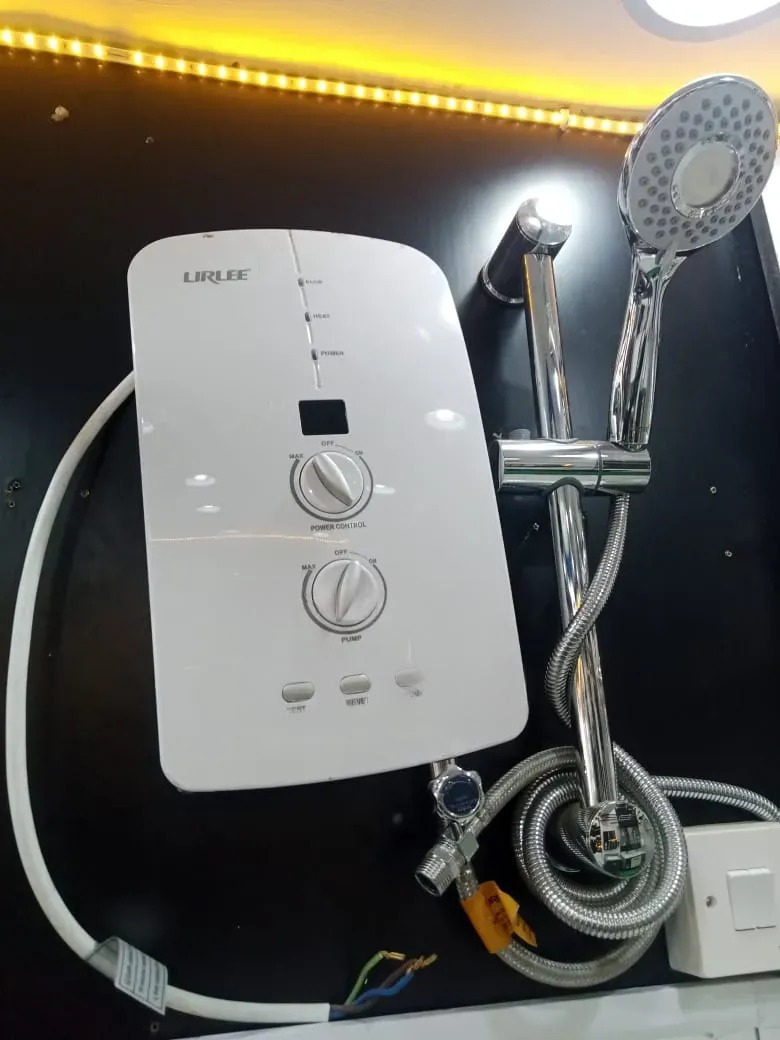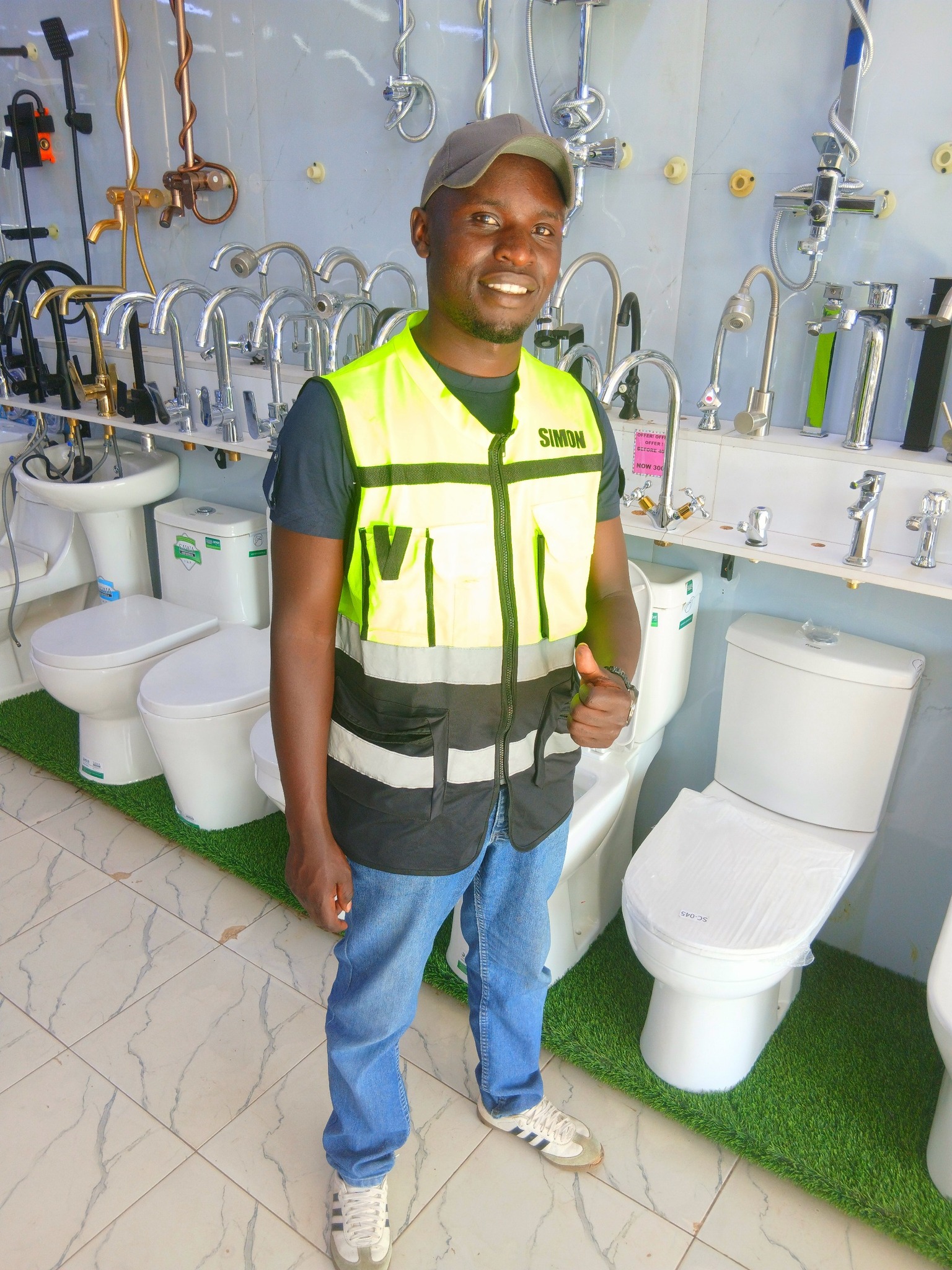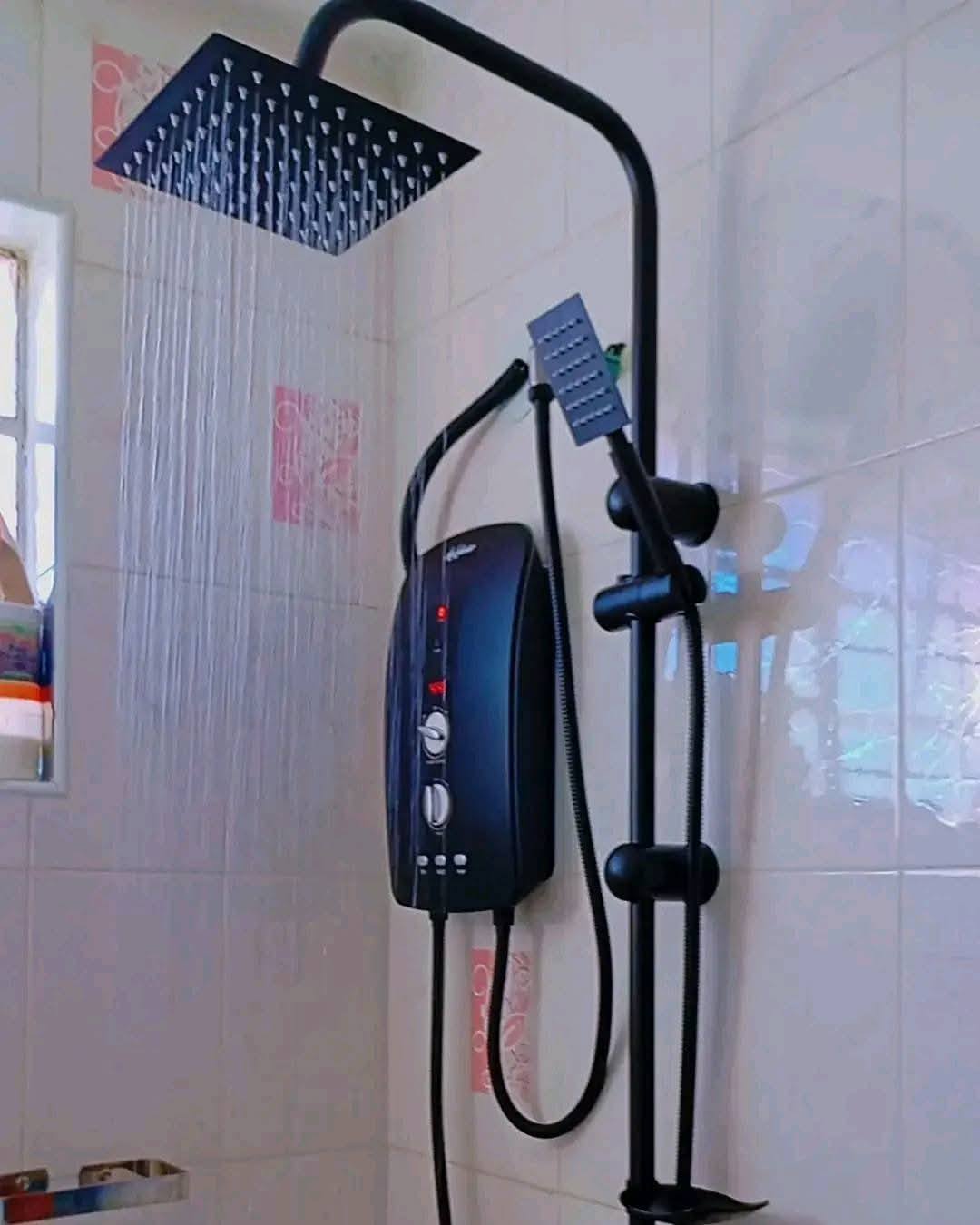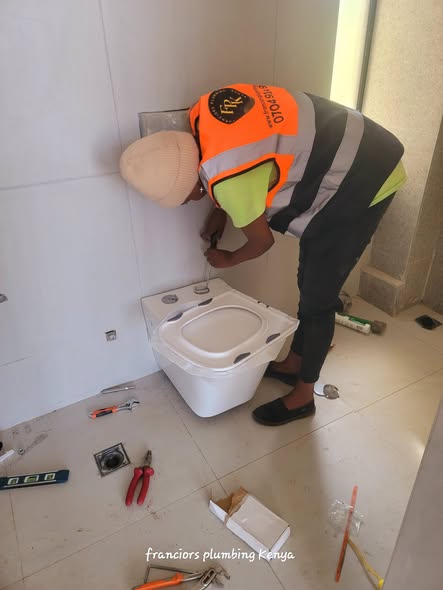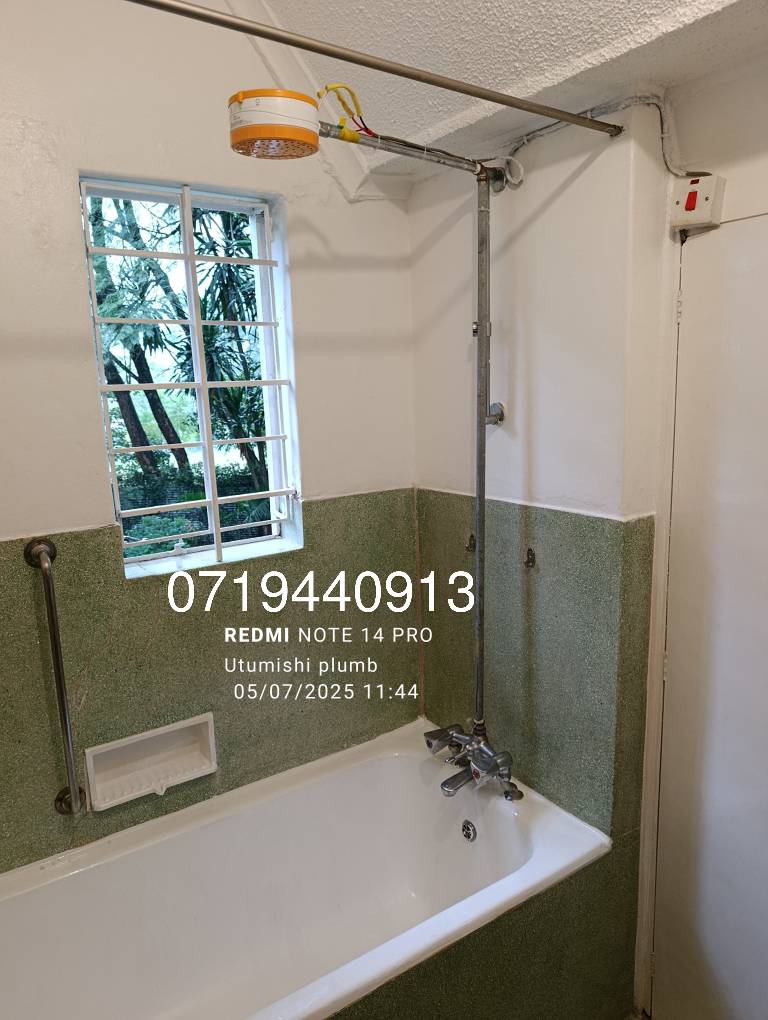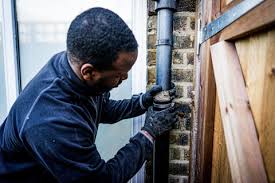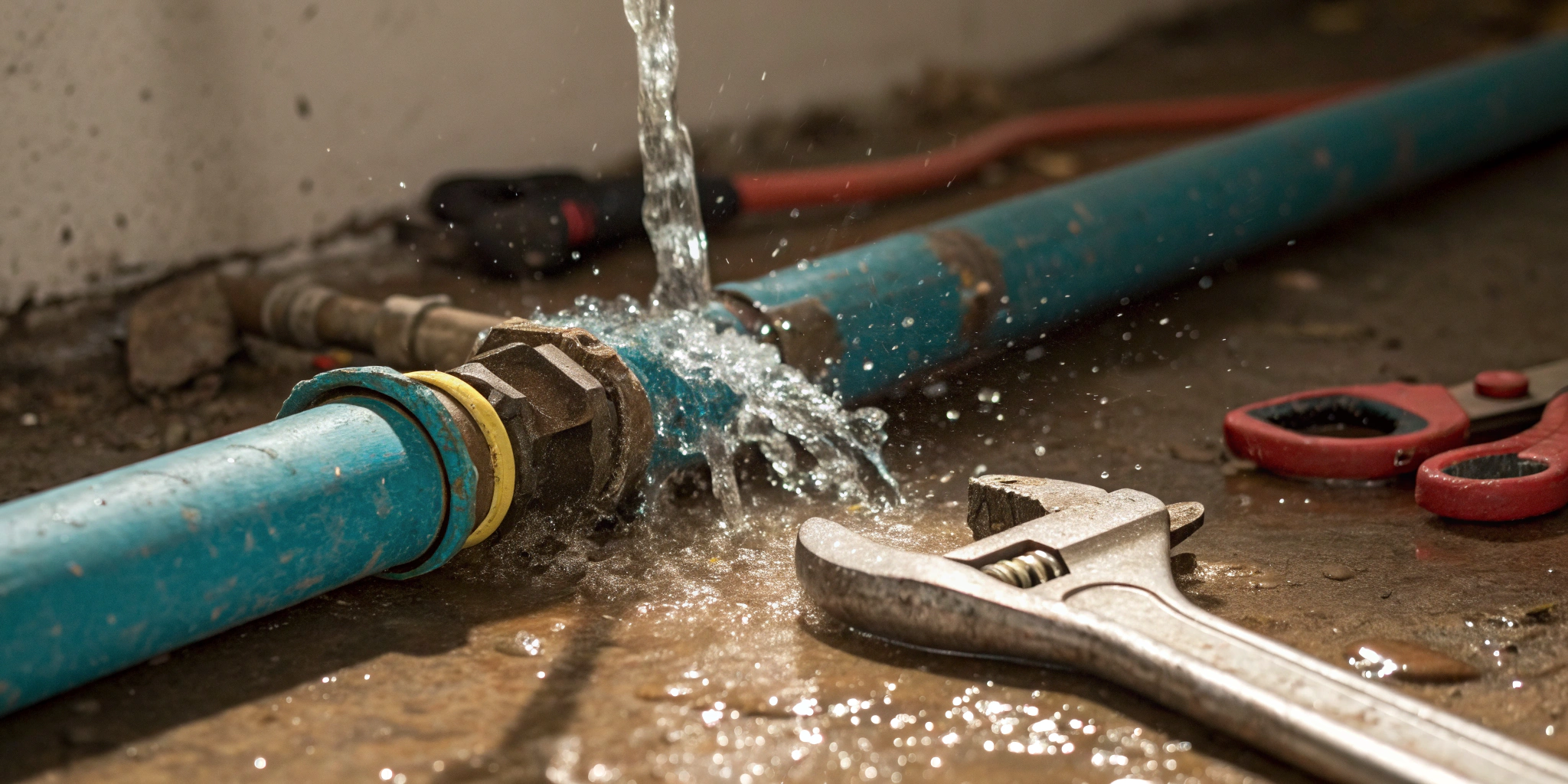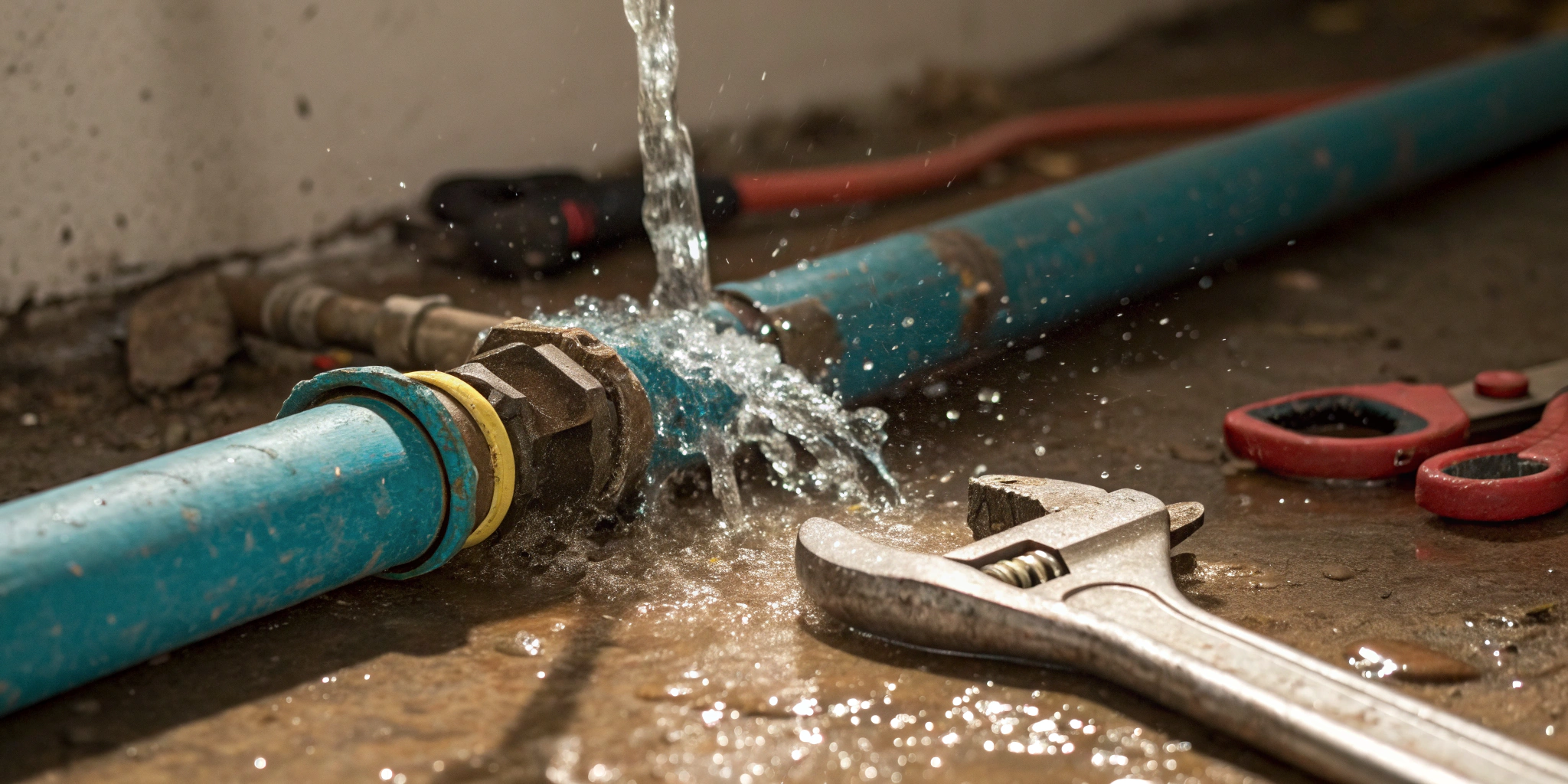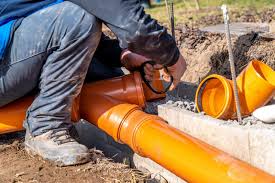


Becoming a plumber in Kenya often starts in a very ordinary way. Maybe you followed an older fundi to a site in Ruaka during school holidays. Maybe you learned by fixing pipes in your neighbourhood. Or maybe you joined a TVET course because you wanted a practical skill that could actually put money in your pocket. Whichever way you start, one thing becomes clear very quickly: plumbing is not just about carrying a wrench and knowing how to stop a leak.
At some point, clients begin asking for proof. A landlord wants to know whether you are trained before letting you work on a block of rentals. A contractor in Westlands wants papers before giving you site work. A hotel in Naivasha will not hand over its hot water system to someone who cannot show experience. That is where licensing, certification, and proper registration come in.
In Kenya, becoming a licensed plumber is not one single step. It is more like building a ladder: training, certification, practical experience, business registration, and, if you want construction contracts, NCA registration.
What “Licensed Plumber” Means in Kenya
Kenya does not have one simple plumber licence that covers everyone in the same way. What most people call being licensed usually means you have recognised plumbing training, a NITA or TVET certificate, and the right registration to work professionally.
For small home repairs, some plumbers still work informally. That happens everywhere, from Kayole to Kisii. But once you want better jobs, informality starts limiting you. Serious clients want accountability. They want to know you can be traced if something goes wrong.
A certified plumber looks more trustworthy because there is proof behind the skill. A registered plumbing contractor looks even stronger because they can handle formal jobs, issue invoices, and work with developers, institutions, and property managers.
Start With Proper Plumbing Training
The first real step is learning the trade properly. Plumbing has changed a lot. Today’s plumber may deal with PPR pipes, concealed cisterns, solar water heaters, pumps, borehole systems, bio-digesters, and water filters. Guesswork is expensive.
You can train through TVET colleges, national polytechnics, county vocational centres, or private technical institutes. A good course should teach water supply, drainage, sanitary fittings, pipe jointing, tools, safety, measurements, and how to read simple drawings.
The theory may look boring when you are eager to start earning, but it matters. On a construction site, nobody wants to hear that you “thought the slope was enough.” Drainage, pressure, pipe sizing, and venting need proper understanding.
Get NITA or TVET Certification
NITA trade tests are among the most recognised plumbing qualifications in Kenya. Many plumbers begin with Grade III, then move to Grade II and Grade I as they gain experience.
Grade III is a starting point. It can help you get small repair jobs, assist on sites, and build confidence. Grade II is stronger and can make you more employable for maintenance jobs, apartment work, and small commercial projects. Grade I gives you better standing if you want to supervise teams, handle complex systems, or approach bigger clients.
TVET certification is also valuable. An Artisan Certificate can help beginners get started, while a Craft Certificate gives deeper training in water supply, drainage, fittings, and technical work. A diploma can help if you want to move into supervision, project management, or contracting later.
If you learned through apprenticeship, you are not locked out. You can still pursue assessment through recognised channels and formalise the skills you already have. Many good Kenyan fundis only need the paperwork to match what they can already do.
Build Real Site Experience
Papers are important, but plumbing is still a hands-on trade. You learn properly when things refuse to behave the way they did in class.
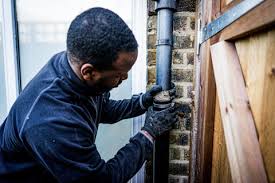
On site, you meet old pipes hidden behind tiles, low pressure in upper floors, wrong fittings bought by clients, blocked drains that need patience, and contractors pushing deadlines. That is where a plumber becomes sharp.
Look for attachment, apprenticeship, or assistant roles with experienced plumbers, contractors, hotels, property managers, or water companies. Do not despise small jobs. Replacing taps, fixing toilets, installing sinks, and repairing leaks teach you how clients think and how buildings actually work.
Keep photos of your work, save references, and document the types of jobs you have handled. Later, when someone asks what you can do, you will have proof beyond words.
Register Your Plumbing Business
Once you start getting regular work, it helps to stop operating casually. Registering a business name through eCitizen gives your plumbing work a more professional face. It also allows you to open a business bank account, issue invoices, and keep cleaner records.
This matters more than many fundis realise. A school, hotel, NGO, or company may like your work but still fail to hire you because you cannot provide proper documents. Bigger clients need receipts, invoices, KRA details, and accountability.
Even if you are starting small, separate your business money from personal money. Mixing everything in one M-Pesa line makes it hard to know whether you are growing or just busy.
Register With NCA If You Want Construction Work
If your goal is to work on construction projects as a contractor or subcontractor, the National Construction Authority becomes important. NCA registration helps you operate formally in the construction sector.
For plumbing contractors, NCA registration can make it easier to bid for projects, approach developers, and work with main contractors. Without it, you may still get casual work, but bigger opportunities will often pass you by.
You will need your qualifications, business details, identification documents, KRA details, and other compliance documents. It may feel like a lot of paperwork, but that paperwork is what separates a serious plumbing contractor from someone who only gets called when there is an emergency.
Add Skills That Make You More Valuable
A licensed plumber who keeps learning will always have an edge. Basic plumbing can get you started, but specialised skills help you earn better.
Solar water heater installation is useful in homes, apartments, and hotels. Pump installation and borehole plumbing are in demand in estates, farms, and factories. Water filtration is growing in areas where borehole water is salty or hard. Bio-digester installation is also common in places without sewer connections.
You do not need to learn everything at once. Pick what fits your area. A plumber in Kitengela may benefit from borehole and filtration skills. One working around hotels in Mombasa may find pool plumbing, pumps, and grease traps more useful.
Make Yourself Easy to Trust and Find
After getting certified and registered, clients still need to find you. Referrals are powerful, but they are no longer enough on their own. Many people now search online before hiring a plumber, especially if they are new in an area or have had bad experiences before.
This is where a professional profile helps. Platforms such as The Real Plug allow vetted professionals to show their services, qualifications, photos, and reviews in one place. For a plumber, that kind of visibility can help new clients trust you faster without sounding like you are over-selling yourself.
A simple, honest profile with your training, service areas, and real work photos can bring opportunities from people outside your usual circle.
Final Thoughts
Becoming a licensed plumber in Kenya is not about collecting papers for the sake of it. It is about building trust around your skill. Training gives you the foundation. Certification proves your ability. Experience sharpens your hands. Registration opens formal doors.
You can start small, and many people do. But if you want better jobs, better clients, and a stronger reputation, do the process properly. Get trained, sit the exams, work under good people, register your business, and keep improving.
Kenya will always need plumbers. Homes, hotels, schools, apartments, factories, and estates all depend on water and drainage systems that work. The plumbers who combine skill with proper documentation will always stand a step ahead.