

Commercial plumbing is a different world from fixing leaks in homes and estates. If you have mostly handled residential jobs, your first commercial site can feel intimidating. The pipes are larger, the drawings are more detailed, and everyone seems to be asking for updates before you have even unpacked your tools.
But this is also where plumbing starts to look like serious business. A school project in Kisumu, a hotel in Diani, an office block in Upper Hill, or an apartment development in Syokimau can pay far better than chasing small household repairs every day. The money is better, yes, but so are the expectations.
Commercial plumbing jobs need planning, paperwork, teamwork, and discipline. If you go in casually, the site will expose you quickly.
How Commercial Plumbing Differs from Residential Work
In a home, you may deal with one kitchen, two bathrooms, and one client. If something goes wrong, you explain, repair it, and move on. On a commercial project, you are dealing with architects, engineers, site supervisors, county inspectors, project managers, and sometimes a client who only appears during site meetings.
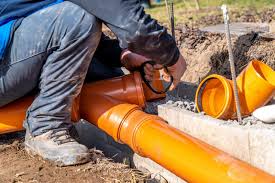
The systems are also more complex. A restaurant needs grease traps and reliable drainage. A hotel needs hot water circulation, pumps, tanks, and multiple bathrooms working at the same time. A school may need many toilets, showers, handwashing points, and durable fittings that can survive heavy use.
You cannot guess pipe sizes the way some people do in small jobs. Water pressure, flow rate, drainage slopes, access points, and testing all matter. One wrong decision can affect an entire floor or even the whole building.
Qualifications and Documents Matter
Commercial clients usually want proof that you know your work. A NITA Grade I, NITA Grade II, TVET Craft Certificate, or diploma-level training can help you stand out. The higher the project value, the more important your papers become.
NCA registration is also important if you want to bid directly for construction work. Many main contractors will not consider you without proper registration. You also need a KRA PIN, business registration, a bank account, and the ability to issue invoices or receipts.
This is where many skilled plumbers get locked out. They know the work, but they do not have the paperwork. For small repairs, that may pass. For a mall, school, hospital, or government project, it will not.
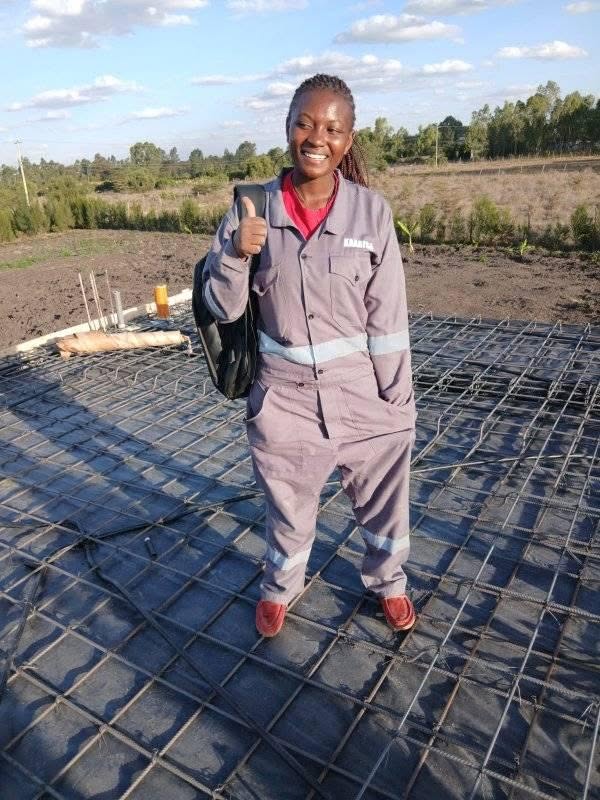
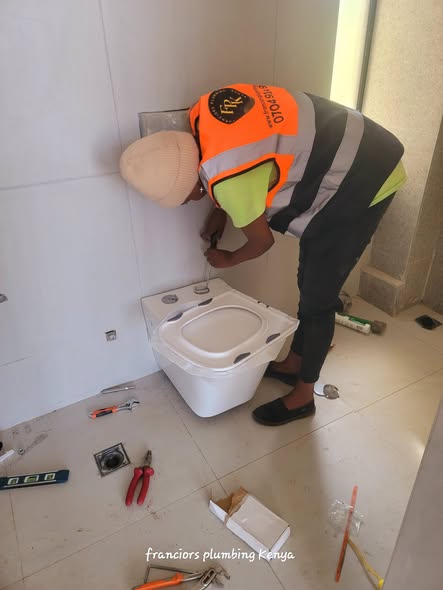
Safety is another serious issue. Commercial sites expect PPE such as helmets, safety boots, reflectors, gloves, and sometimes insurance cover for your team. If you bring workers without proper safety gear, the site supervisor may send you away before you even start.
Common Types of Commercial Plumbing Jobs in Kenya
Office blocks and malls are common in areas such as Westlands, Upper Hill, Kilimani, and major county towns. These jobs involve multiple floors, toilets, drainage stacks, water risers, restaurants, and sometimes borehole or treatment systems. Coordination is key because you are working alongside electricians, HVAC teams, tilers, and fire system installers.
Hotels and restaurants need plumbers who understand hot water, kitchen drainage, and grease management. A blocked kitchen line in a busy hotel is not a small inconvenience. It can affect service, hygiene, and business operations.
Schools and hospitals often involve many repeated installations. Toilets, showers, laboratories, sinks, and water storage systems must be durable. In public or NGO-funded projects, payment may delay, so you need enough cash flow to survive while waiting.
Factories and warehouses are more technical. In places like Industrial Area, Athi River, and Eldoret, plumbing may include process water, compressed air lines, chemical drainage, or heavy-duty piping. These jobs pay well, but they need stronger technical skill and safety awareness.
Apartment blocks and gated communities sit somewhere between residential and commercial work. A 100-unit development in Kiambu or Mavoko is not just “many houses.” It needs proper planning, pumps, tanks, drainage, meters, and testing.
How to Get Your First Commercial Plumbing Job
Most plumbers do not begin with a full commercial contract. They start small. Maybe a contractor gives you one floor, one toilet block, or a repair section to test how you work.
Visit active sites, but do it professionally. Ask for the foreman, site engineer, or project manager. Carry a simple company profile with your qualifications, NCA registration if you have it, photos of past work, and contacts. Do not oversell yourself. If you have mostly done residential jobs, say so honestly, but show that you are ready to grow.
Relationships matter in construction. Foremen, engineers, and contractors talk. If you finish work on time, avoid leaks, follow instructions, and do not create drama, your name moves to the next site.
Online visibility also helps. Developers, property managers, and contractors sometimes search for vetted plumbers when they need support quickly. Having a profile on The Real Plug can make your business look more credible because clients can see your services, reviews, and professional details before calling.
Pricing Commercial Plumbing Work
Do not quote commercial jobs the same way you quote home repairs. That is how many plumbers lose money.
Start from the drawings. Count materials properly. Include labour, transport, tools, testing, safety gear, supervision, wastage, and delays. If the project is large and you are unsure, get help from someone who understands quantity take-offs.
Underquoting may help you win a job, but it can destroy your business. You may end up paying workers, buying fittings, and fuelling transport from your own pocket while waiting for payment.
Agree on payment terms before starting. For bigger jobs, make sure there is a written agreement, purchase order, or subcontract. Verbal promises disappear quickly when money gets tight.
Mistakes That Can Ruin a Commercial Job
Poor timing is one of the biggest mistakes. Commercial projects follow schedules. If plumbing first fix delays, plastering, tiling, ceiling work, and finishing may also delay. The main contractor will not be happy, and you may be blamed for lost time.
Poor workmanship is another serious risk. A small leak in a house is bad. A leak on the eighth floor of an apartment block can damage ceilings, walls, paintwork, electrical fittings, and several units below. Test your work properly and keep records.
Lack of documentation also causes problems. Take photos. Keep delivery notes. Record tests. Confirm instructions in writing, even if it is just through WhatsApp. When disagreements come later, proof helps.
What You Gain from Commercial Plumbing
Commercial plumbing is demanding, but it can change your career. It can move you from being seen as a casual fundi to being recognised as a contractor. It allows you to build a team, buy better tools, and take on larger projects.
It also gives you stronger references. Once you successfully complete a school, apartment block, hotel, or office project, it becomes easier to approach the next client with confidence.
Kenya is still building. New homes, malls, schools, hospitals, factories, and county projects all need proper water and drainage systems. Plumbers who prepare well will continue to find opportunities.
Start with the skills you have, but do not remain casual. Get certified, organise your paperwork, learn to read drawings, price properly, and treat every project seriously. In commercial plumbing, one well-done job can open doors you did not expect.