

Construction sites are one of the best places for plumbers in Kenya to find steady work. A single apartment block in Syokimau, a school project in Bungoma, or a hospital upgrade in Kisumu can keep a plumber busy for months. Compared to one-off repair jobs, construction plumbing offers bigger contracts, better learning, and a clearer path to growth.
But site work is not the same as fixing taps in someone’s kitchen. The pace is faster, the pressure is higher, and mistakes are expensive. If you delay, other trades delay. If your pipework leaks after tiling, everyone knows your name for the wrong reason.
What Plumbing Work Looks Like on Site
Plumbing on a construction project happens in stages. The first stage is usually called first fix. This is when the building is still open, before plastering, tiling, and finishes. You install pipes that will later be hidden inside walls, slabs, ducts, and floors.
This stage needs accuracy. A drainage pipe with the wrong slope can cause problems long after the building is complete. A water line placed carelessly can clash with electrical conduits or cabinet fittings. On site, small errors do not stay small.
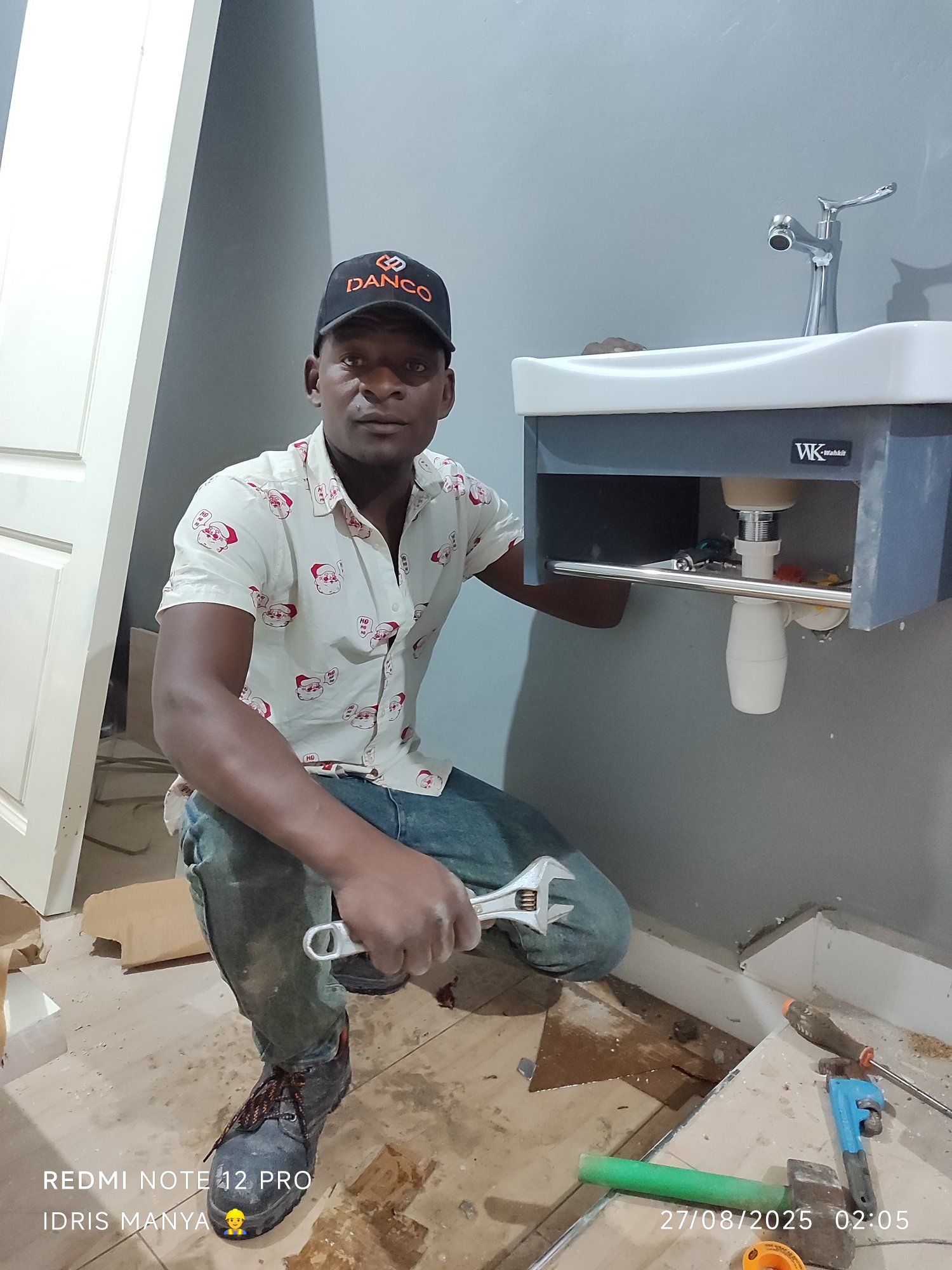
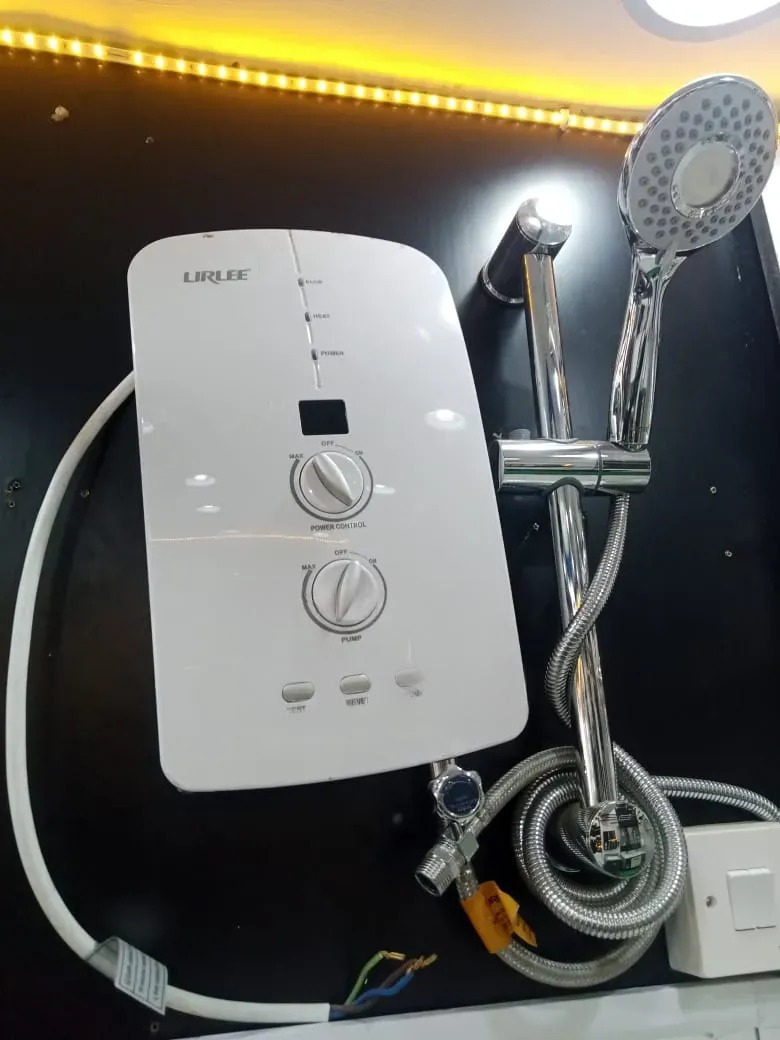
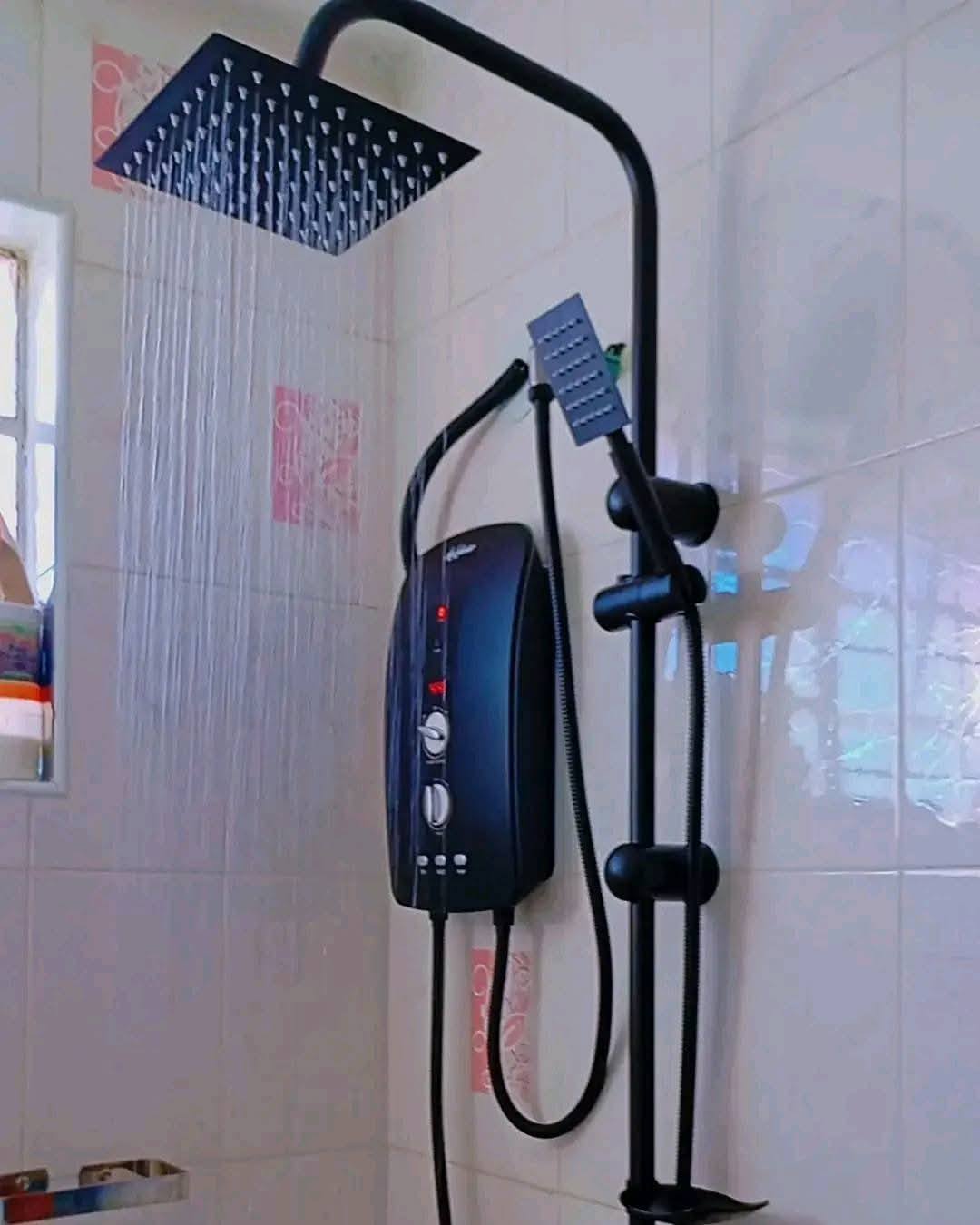
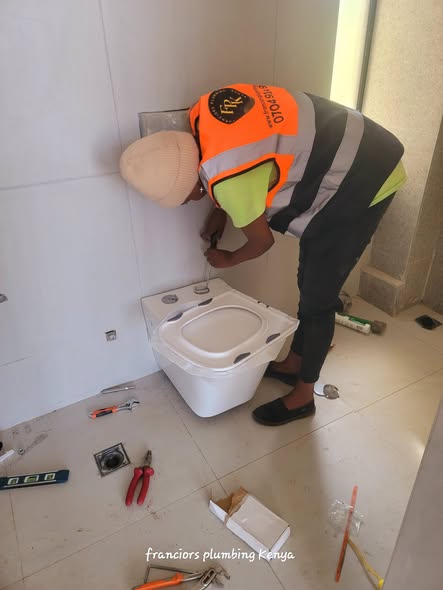
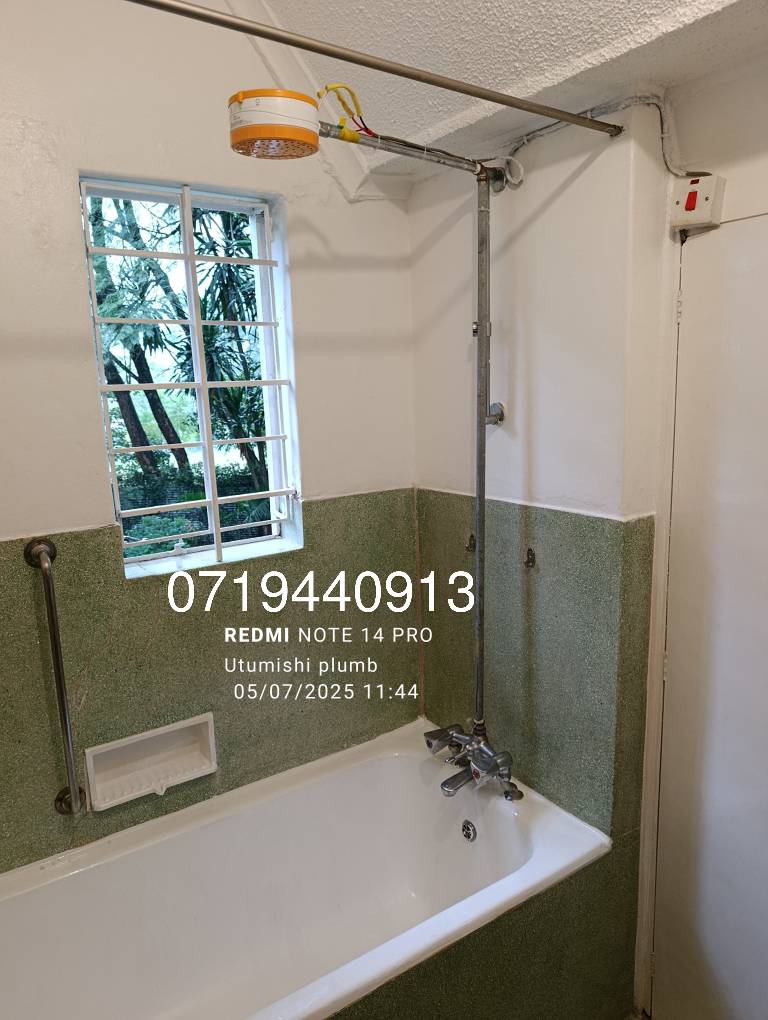
Second fix comes later, after plastering and tiling. This is when you install the visible items: toilets, sinks, mixers, showers, taps, water heaters, and other fittings. Here, neatness matters. A scratched imported tap or badly aligned basin can cause arguments with the client, architect, or contractor.
After that comes testing and commissioning. Water lines are pressure-tested, bathrooms are flood-tested, and drainage systems are checked before handover. This part should never be rushed. A leak discovered after tenants move in is far more costly than one caught during testing.
Who You Work With on a Construction Site
A construction site is not a one-man show. You will work under the main contractor, site engineer, foreman, clerk of works, and sometimes a mechanical engineer. You will also share space with electricians, masons, tilers, painters, ceiling installers, HVAC teams, and fire system technicians.
This is where many plumbers learn patience. The electrician may want the same wall space as your pipe. The HVAC team may block your ceiling route. The tiler may cover an access point you still need. If you do not communicate, you waste time redoing work.
Site meetings matter. Even if they feel boring, they help you know what is coming next. A plumber who understands the programme is easier to work with than one who just appears with tools and waits for instructions.
Qualifications and Documents You Need
For serious construction plumbing jobs in Kenya, skill alone is not enough. Contractors want documents.
A NITA certificate or TVET plumbing qualification helps you get accepted as a trained plumber. If you want to work as a subcontractor, NCA registration becomes important. Many contractors and developers will not give you formal work without it.
You also need basic business documents such as a KRA PIN, registered business name, bank account, and ability to issue invoices or receipts. Big projects do not run on casual M-Pesa arrangements.
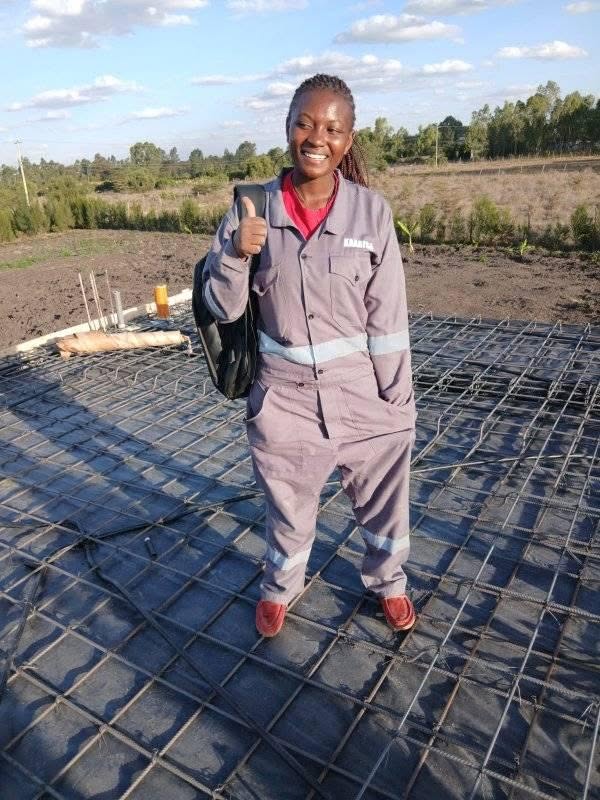
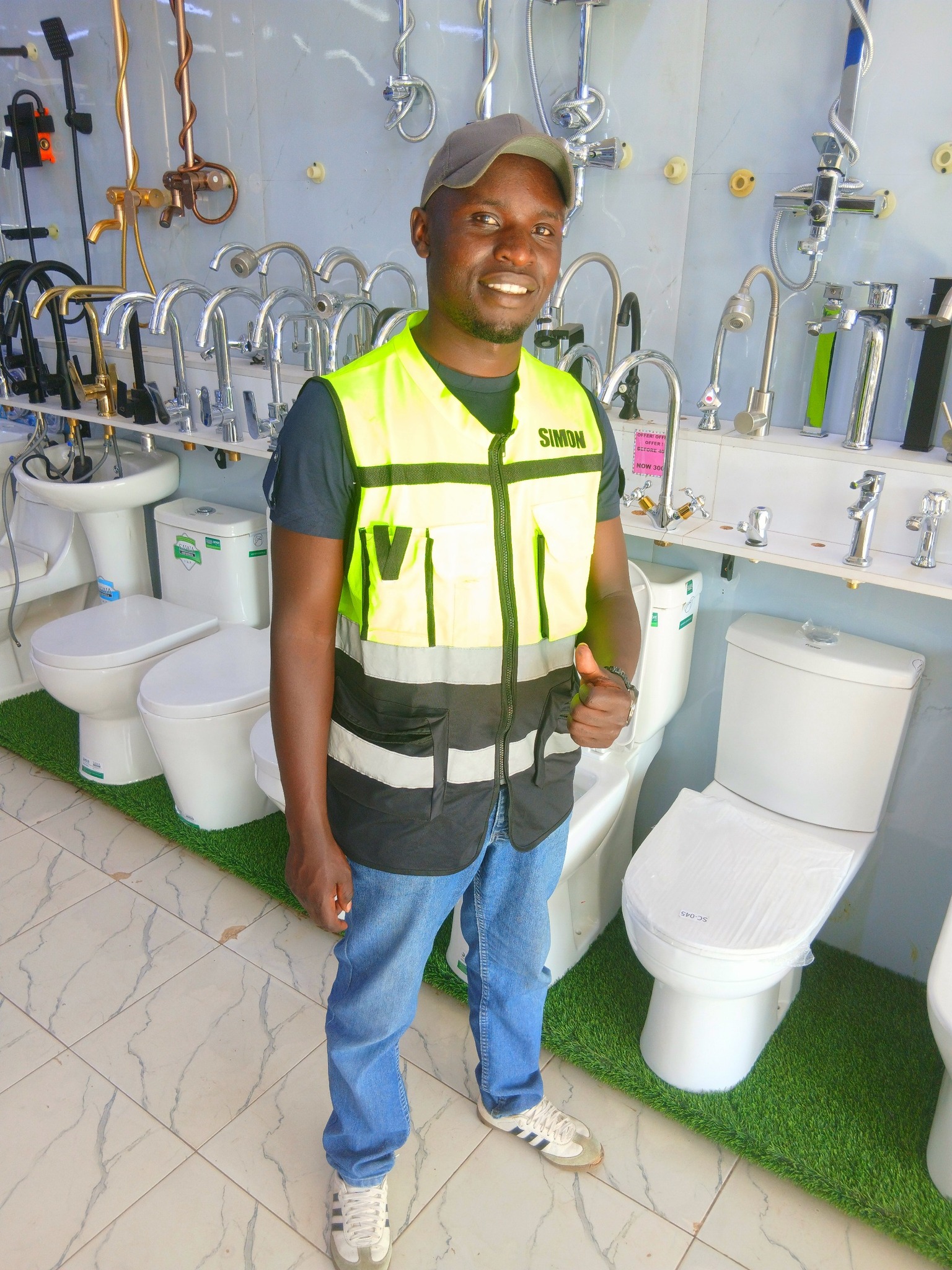
Safety documents also matter. Most sites require PPE: helmet, safety boots, reflector jacket, gloves, and sometimes goggles. Some contractors ask for NSSF, NHIF, and WIBA cover for workers. If your team is turned away at the gate for lacking PPE, the lost day is on you.
How to Get Your First Site Plumbing Job
Most plumbers do not start by winning a whole block. You usually begin small.
One way is to work under an experienced plumber who already gets construction jobs. Even if the pay is modest at first, the exposure is valuable. You learn how to read drawings, follow site schedules, handle pressure tests, and work around other trades.
Another way is through attachment from technical colleges. Institutions often connect students with contractors. If you are serious during attachment, the foreman or subcontractor may keep your number.
You can also visit active sites professionally. Ask for the foreman or site office. Carry a short profile showing your training, experience, photos of past work, and contacts. Do not exaggerate. If you are looking for piece work or a small section to prove yourself, say so clearly.
Online visibility also helps. Contractors, property managers, and developers sometimes search for vetted technicians when they need support quickly. A profile on The Real Plug can help show your services, qualifications, photos, and reviews in one place, which makes you easier to trust before the first call.
Pricing Construction Plumbing Work
Many plumbers lose money on construction jobs because they quote like they are pricing a house repair. Site work needs proper costing.
Read the drawings. Count toilets, sinks, showers, floor drains, pipe lengths, fittings, valves, clips, testing materials, transport, labour, and supervision time. Add something for wastage and delays. Small items like clips, screws, tape, sleeves, and sealants can quietly eat your profit.
Understand payment terms before starting. Many construction projects pay after work is measured and certified. That may mean waiting 30, 60, or even 90 days. You still need to pay your workers, transport, and meals during that period.
For bigger jobs, insist on a written agreement or local purchase order. Verbal agreements are risky. When money becomes tight, people forget what they promised.
Common Challenges on Construction Sites
Delays are normal. A mason may delay walling, meaning you cannot chase pipes. Tiles may arrive late. Drawings may change. The client may decide to move a toilet after you already installed the pipework.
When changes happen, document them. If extra work is requested, ask for a variation instruction before proceeding. Otherwise, you may do free work and struggle to get paid.
Theft and damage are also common. Materials disappear. Other workers step on exposed pipes. Someone may pour cement or paint waste into a drain you just installed. Store your materials carefully and report damage immediately.
Tight deadlines are another reality. If the contractor says second fix for 20 units must be completed in two weeks, you need enough labour and planning. Construction rewards plumbers who are fast, neat, and organised.
Why Construction Plumbing Is Worth It
Despite the pressure, construction plumbing can grow your career quickly. In a few months on site, you may learn more than you would in years of small repairs. You handle different fittings, pipe systems, drawings, tests, site meetings, and client expectations.
The work can also lead to repeat contracts. If a contractor trusts you on one project, they may call you for the next one. Developers building in phases may keep the same reliable plumber for phase two and three.
It also helps you move from being seen as a casual fundi to becoming a subcontractor or contractor. You can build a team, buy better tools, and take on larger work.
Final Thoughts
Plumbing jobs in construction projects in Kenya are not easy, but they are worth pursuing if you want serious growth. You need skill, documents, discipline, and patience. You must show up on time, work safely, test properly, and keep records.
Kenya is still building homes, schools, hospitals, malls, and apartments. Every one of those projects needs water supply, drainage, and sanitation systems that work properly.
Start small, learn the site culture, protect your reputation, and finish every job well. On construction sites, one good project can open the door to many more.