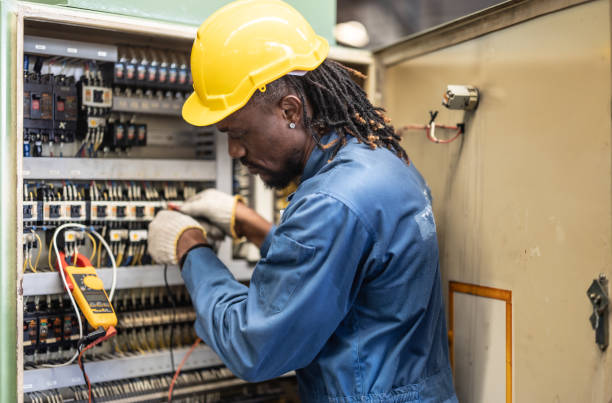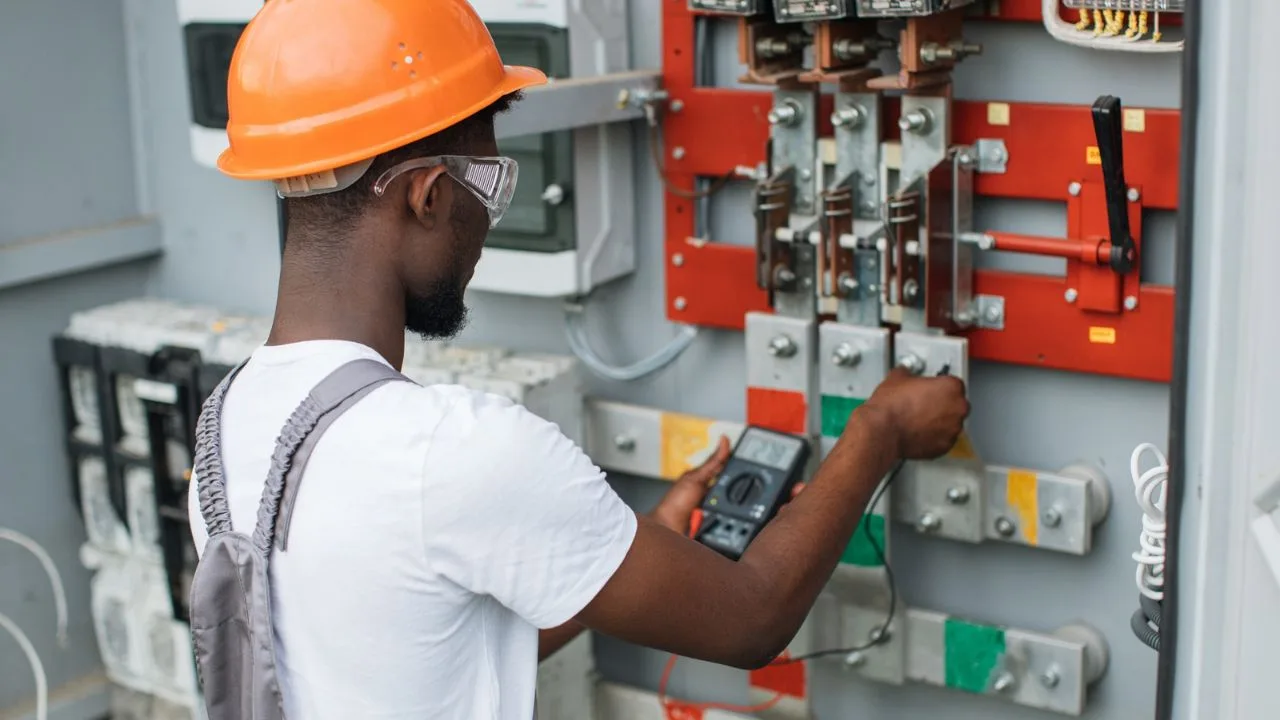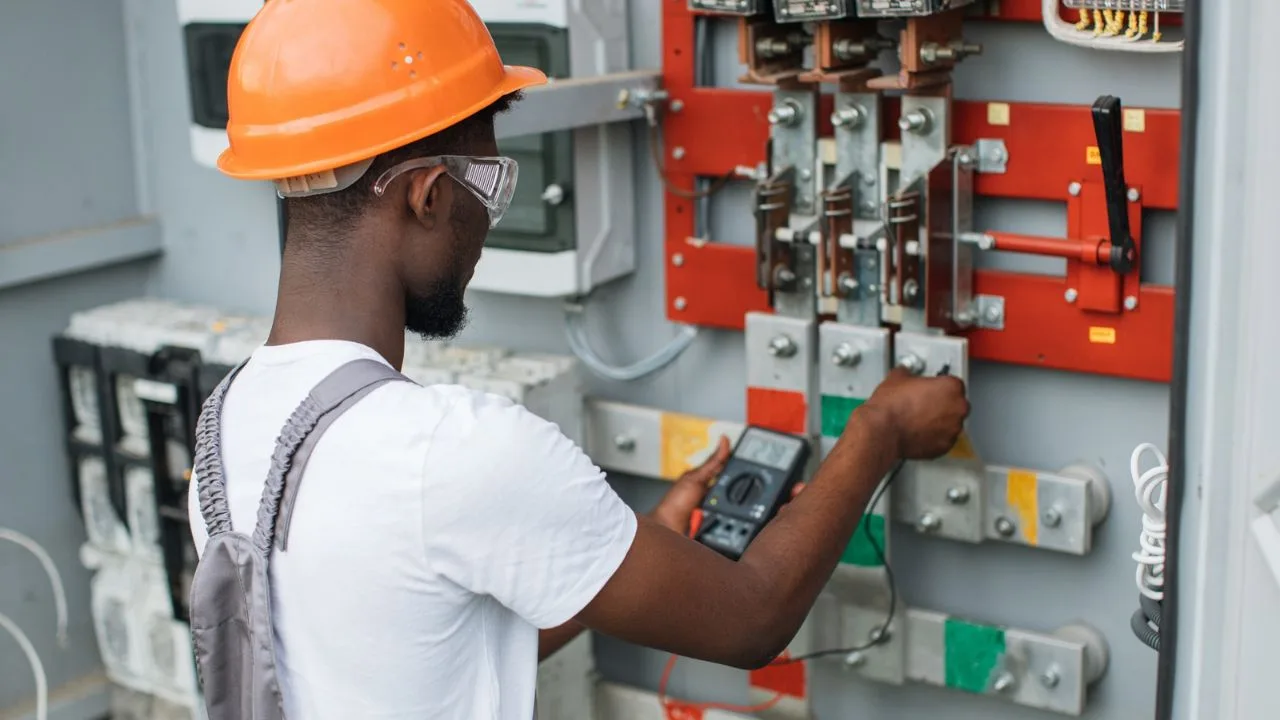


There’s a particular kind of frustration that comes with electrical problems. It’s not just the inconvenience it’s the uncertainty. One minute your lights are flickering, the next your tokens are disappearing faster than usual, or worse, an appliance gives you that unsettling shock. At that point, you don’t just need an electrician. You need someone who actually knows what they’re doing.
For a long time, finding that person in Kenya was mostly informal. You’d ask a caretaker, a neighbor, or post in a WhatsApp group. Someone would recommend “their fundi,” and you’d hope for the best. Sometimes it worked. Other times, you ended up fixing the same problem twice.
These days, things have shifted slightly. Not completely, but enough to matter. More people are starting to pay attention to certification, licensing, and accountability. And if you’re hiring an electrician in 2026, that awareness can save you a lot of money and stress.
Why Certification Matters More Than People Think
It’s easy to assume that electrical work is all about experience. If someone has been doing it for years, that should be enough, right?
Not quite.
In Kenya, electricians are licensed by regulatory bodies, and that certification isn’t just paperwork. It determines what kind of work they’re allowed to handle and whether their installations meet safety standards. If your house wiring isn’t done by a certified professional, you can run into problems that go beyond faulty sockets.
Power connection approvals can be delayed or denied. Insurance claims related to electrical faults can be rejected. And in the worst cases, poor wiring becomes a genuine safety hazard.
That’s why the first question shouldn’t be “How much do you charge?” It should be “Are you licensed?”
A certified electrician won’t hesitate when asked. They’ll know their license class and provide details without making it feel like a big deal. If someone starts explaining why certification isn’t necessary, that’s already a sign to slow things down.
How to Verify an Electrician Without Guesswork
Knowing that certification matters is one thing. Actually verifying it is another.
Start by asking for the license number and the name it’s registered under. Don’t just accept a photo or a casual mention. Details matter here. Once you have that information, take a few minutes to confirm it through official listings or directories.
It might feel like an extra step, especially when you’re dealing with an urgent issue, but it’s one of the simplest ways to avoid long-term problems. A genuine professional understands this and won’t push back.
You’ll also notice something else when dealing with certified electricians they tend to be more structured. They ask clearer questions about the job. They want to understand the scope before giving a quote. That’s not them being difficult. It’s part of doing the work properly.
Understanding Pricing Without Getting Confused
Pricing is where most people get stuck.
Ask around or post online, and you’ll get wildly different figures. One person quotes a few hundred shillings. Another gives a number that seems significantly higher. Without context, it’s hard to know what’s reasonable.
The first thing to understand is that serious electricians don’t rely on vague day rates. Instead, they price based on the actual work required. Installing sockets, upgrading a distribution board, or tracing a fault are all different tasks, and each has its own complexity.
When you describe the job clearly, you’re more likely to get an accurate estimate. Saying “I need wiring done” is too broad. Explaining the number of rooms, the type of fittings, or the specific issue helps the electrician assess the work properly.
It’s also important to separate labour from materials. A quote that seems unusually low often leaves out essential components or assumes shortcuts that compromise quality. Electrical materials, especially cables and protective equipment, are not cheap. If a quote feels unrealistically low, there’s usually a reason.
Paying slightly more for a well-defined job often ends up being cheaper than fixing mistakes later. Electrical work is one of those areas where cutting costs upfront rarely pays off.
Common Red Flags You Shouldn’t Ignore
Over time, certain patterns have become easy to spot.
One of the biggest warning signs is a lack of transparency. If someone avoids giving a written breakdown of the work or the materials needed, you’re left guessing. That’s how costs spiral and misunderstandings happen.
Another issue is exaggerated diagnoses. You might call someone for a minor fault, and suddenly you’re being told the entire system needs replacing. A good electrician will show you the problem and explain it in a way that makes sense. They won’t rely on technical jargon to pressure you into a bigger job.
There’s also the question of past work. In today’s environment, most professionals have some form of record whether it’s photos, references, or previous clients who can vouch for them. If someone claims years of experience but can’t point to anything concrete, it’s worth being cautious.
And then there’s the attitude toward certification. Anyone who openly dismisses licensing requirements is essentially telling you they operate outside standard regulations. That might not seem urgent in the moment, but it can create serious complications later.
Where to Find Reliable Electricians in Kenya
Finding a qualified electrician isn’t as difficult as it used to be, but it still requires a bit of intention.
Recommendations from people you trust are always valuable, especially if they’ve had consistent positive experiences. But even then, it’s worth verifying credentials independently.
Online platforms have also made the search easier. Instead of relying entirely on informal networks, you can now find professionals whose identities and qualifications have already been checked. Platforms like The Real Plug are part of this shift, offering access to electricians who have gone through verification processes before being listed.
That doesn’t eliminate all responsibility on your end, but it reduces the amount of guesswork involved.
Social media can still be useful, particularly for discovering service providers or seeing examples of their work. The difference is how you use that information. Instead of stopping at a phone number, you take the extra step to confirm credibility.
Setting Clear Expectations Before Work Begins
One of the simplest ways to avoid problems is to agree on details before anything starts.
Even a short written agreement, whether it’s a formal document or a clear WhatsApp message, can make a big difference. Outline what work will be done, who is responsible for materials, how much will be paid, and when the job is expected to be completed.
It doesn’t have to be complicated. The goal is clarity.
This protects both you and the electrician. It reduces misunderstandings and gives both parties a reference point if questions come up later.
Why This Shift Is Happening Now
If you talk to enough people, you’ll notice a pattern. Many have had at least one experience where electrical work didn’t go as planned. Maybe it was a small issue that kept recurring. Maybe it was a larger problem that required expensive corrections.
Those experiences are gradually changing how people approach hiring.
There’s more awareness now. More emphasis on doing things properly the first time. And a growing willingness to pay for quality rather than gamble on uncertain outcomes.
That’s why certification, clear pricing, and accountability are becoming more important. Not because the system suddenly changed, but because people are learning from experience.
Making the Right Choice When It Matters
At the end of the day, hiring an electrician isn’t just about fixing a problem. It’s about ensuring your home or business remains safe and functional.
It’s tempting to go with the fastest or cheapest option, especially when you’re dealing with an urgent issue. But electrical work has long-term consequences. A small mistake today can turn into a much bigger problem later.
Taking a few extra minutes to verify credentials, understand the scope of work, and set clear expectations can make all the difference.
And once you’ve worked with a reliable, certified electrician, you’ll notice something else the stress disappears. You’re no longer second-guessing every switch or socket. You’re not wondering whether the job was done properly.
That peace of mind is hard to measure, but it’s exactly what you’re paying for.