Nairobi CBD - 00100

You walk into a hospital expecting care, healing, and safety. Whether you are visiting a relative, taking a child for treatment, going for surgery, or attending a clinic appointment, you trust that the environment is clean enough to protect you. But in healthcare spaces, ordinary cleaning is not always enough. Germs can remain on bed rails, door handles, waiting room seats, medical trolleys, washrooms, floors, and equipment surfaces if sanitization is not done properly.
Hospital and healthcare facility sanitization services are important because patients are often more vulnerable than ordinary visitors in a public space. Some have open wounds, weak immunity, chronic illness, recent surgery, or infections that can spread if the environment is not controlled well. In Kenya, hospitals, clinics, dental centres, laboratories, maternity homes, theatres, pharmacies, and care facilities need more than casual cleaning. They need professional sanitization that supports infection prevention and gives patients, staff, and families more confidence.
Hospital and healthcare facility sanitization is a specialized cleaning and disinfection service designed for medical environments. It focuses on reducing harmful microorganisms on surfaces, equipment, air spaces, and high touch areas. Unlike general cleaning, which may mainly remove visible dirt, healthcare sanitization aims to reduce infection risks in places where hygiene standards must be much higher.
A professional service usually begins with assessment. The provider checks the type of facility, the rooms to be sanitized, the level of risk, the kind of patients served, and the areas that need special attention. A small outpatient clinic does not have the same sanitization needs as an operating theatre, intensive care unit, maternity ward, dental room, laboratory, isolation room, or emergency department.
Before disinfection, surfaces must be properly cleaned. Dirt, blood, body fluids, dust, and other organic matter can reduce the effectiveness of disinfectants. A trained team will first remove visible dirt using appropriate cleaning methods before applying disinfectants. This step is important because disinfecting a dirty surface can give a false sense of safety.
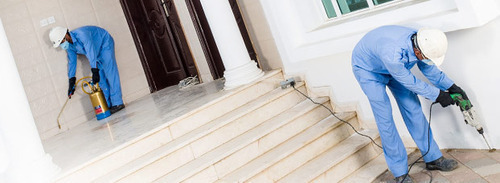
The disinfection stage may include manual wiping of high touch surfaces, fogging, misting, targeted treatment of rooms, and sanitization of selected equipment surfaces where appropriate. High touch areas such as bed rails, door handles, switches, taps, nurse call buttons, reception counters, waiting chairs, examination couches, and trolley handles need careful attention because many people touch them throughout the day.
Healthcare spaces must protect people who are already dealing with illness or injury. If hygiene systems fail, patients can be exposed to harmful organisms in the same place where they came to recover. This is especially serious for newborns, surgical patients, elderly patients, people with chronic conditions, and anyone with a weakened immune system.
Sanitization also protects healthcare workers. Doctors, nurses, cleaners, laboratory staff, pharmacists, clinical officers, dentists, and support teams interact with many people and surfaces every day. A properly sanitized work environment reduces unnecessary exposure and supports safer daily operations.
For healthcare facility owners and managers, hygiene directly affects trust. Patients notice the smell of a ward, the condition of washrooms, the cleanliness of waiting areas, and how surfaces are handled. A clinic may have qualified staff, but if the environment looks or feels poorly maintained, patients begin to doubt the quality of care.
There is also a compliance and reputation issue. Healthcare facilities may be inspected by health authorities, professional bodies, insurers, partners, or internal quality teams. Proper sanitization records can help show that hygiene is being managed seriously. A facility that waits for complaints or outbreaks before acting is taking a risk that can damage both patients and reputation.
A private clinic in Nairobi may have a busy reception area where dozens of patients pass through daily. Children sit on the chairs, patients lean on counters, and staff handle documents, phones, and payment devices. Even if the floor is mopped, high touch surfaces can still carry contamination if they are not disinfected properly and regularly.
A maternity facility in Kisumu may need deep sanitization of delivery rooms, recovery spaces, washrooms, and newborn areas. Mothers and babies require a clean environment because even small hygiene failures can create serious risks. Professional sanitization gives the facility a stronger layer of protection beyond routine housekeeping.
A dental clinic in Mombasa may deal with aerosols, saliva, instruments, patient chairs, light handles, and surfaces that are touched repeatedly between appointments. Careful room sanitization and proper surface disinfection help protect both patients and staff throughout the day.
A hospital in Nakuru may need terminal disinfection after handling a patient with a contagious illness or after a ward has had suspected infection spread. In such cases, ordinary cleaning may not be enough. The space may need a structured sanitization process before it is safely returned to normal use.
One major challenge in healthcare sanitization is knowing which areas carry the highest risk. Many people focus only on floors because they are visible, yet the bigger risk may be bed rails, switches, counters, door handles, medical carts, curtains, waiting chairs, and shared equipment. A professional understands that high touch areas need consistent attention.
Another issue is product selection. Not every disinfectant is suitable for healthcare use. Some products may not be effective against the organisms of concern. Others may damage medical equipment, irritate patients, or leave strong odours in sensitive areas. A trained provider knows how to choose products that are appropriate for clinical spaces and how to apply them safely.
Contact time is also important. Disinfectants need time to work. If a surface is sprayed and wiped dry immediately, the product may not have enough time to reduce germs properly. Professional teams understand how to apply disinfectants correctly, leave them for the recommended period, and avoid shortcuts that reduce effectiveness.
Documentation is another area where professionals add value. Healthcare managers may need proof that sanitization was done, especially after deep cleaning, outbreak response, theatre preparation, or inspection readiness work. A good provider should give clear service records showing what was sanitized, when it was done, and what products or methods were used.
Finding a reliable sanitization provider for a healthcare facility is not the same as hiring someone to clean a normal office or home. Medical spaces require care, discretion, proper products, trained handling, and respect for patient safety. Hiring an unverified provider can create risks if the job is rushed, poorly documented, or done with unsuitable chemicals.
The Real Plug helps connect healthcare facilities in Kenya with vetted local professionals offering hospital and healthcare facility sanitization services. Instead of relying on random referrals, clinic managers, hospital administrators, dental practices, laboratories, and care facilities can find providers who understand healthcare hygiene needs.
This is useful for hospitals, outpatient clinics, maternity centres, dental clinics, medical laboratories, pharmacies, rehabilitation centres, nursing homes, dialysis centres, theatre units, and specialist clinics. Each facility has different risk areas, and the right professional should be able to recommend a practical sanitization approach based on the environment.
The Real Plug also helps reduce the stress of hiring blindly. When patients and staff depend on a clean clinical environment, you need a provider who is reliable, careful, professional, and clear in communication. A trusted platform makes it easier to find help without gambling with patient safety.
The Real Plug is built for people and organizations that want reliable local professionals without wasting time on guesswork. When you search for hospital sanitization in Kenya, healthcare disinfection services, medical facility fumigation, or clinic sanitization near me, you need more than a general cleaner. You need someone who understands sensitive healthcare environments.
Through The Real Plug, healthcare facility managers can connect with vetted providers for routine sanitization, deep disinfection, terminal cleaning, theatre sanitization support, outbreak response, and hygiene preparation before inspections or audits. This helps facilities act faster and more confidently when hygiene standards must be maintained.
For clinics and hospitals that operate daily, reliability matters. Sanitization may need to be scheduled around patient flow, theatre use, ward occupancy, or emergency operations. A professional provider should work with management to reduce disruption while still doing the job properly.
For sanitization and fumigation professionals, The Real Plug creates a way to reach serious healthcare clients. Skilled providers with experience in clinical disinfection, healthcare hygiene, and facility sanitization can connect with hospitals and clinics looking for trusted support.
Before the provider arrives, define the areas that need sanitization. This may include waiting areas, consultation rooms, wards, theatres, laboratories, washrooms, reception areas, isolation rooms, pharmacies, staff rooms, or ambulances. Clear scope helps the provider plan the right method and timing.
Inform the provider about the type of healthcare activity in each space. A treatment room, dental area, operating theatre, laboratory, and general reception area do not carry the same risk. If there has been a suspected infection case or outbreak concern, share that information so the provider can plan safely and appropriately.
Remove or protect sensitive items as advised. Some medical equipment, documents, electronics, drugs, food items, and personal belongings may need to be moved, covered, or handled carefully. The provider should explain any preparation needed before sanitization begins.
Coordinate with staff so patient care is not disrupted unnecessarily. Some areas may need to be empty during treatment and for a short period after. Nurses, cleaners, clinical officers, doctors, laboratory staff, and administrators should know which areas are restricted and when they can be used again.
Professional sanitization works best when supported by strong daily hygiene routines. Clean high touch surfaces frequently, especially in reception areas, consultation rooms, wards, and washrooms. Door handles, counters, chairs, bed rails, switches, taps, and shared equipment should not be ignored just because the floor looks clean.
Train staff on infection prevention habits. Everyone should understand hand hygiene, safe waste handling, correct cleaning procedures, and how to report hygiene concerns. Cleanliness in healthcare is not only the responsibility of cleaners. It is part of patient safety culture.
Manage medical and general waste properly. Waste bins should be emptied on schedule, clinical waste should be handled according to safety procedures, and waste areas should be kept clean and secure. Poor waste management can attract pests and increase contamination risk.
Keep records of routine cleaning, deep cleaning, and professional sanitization. These records help with inspections, internal quality checks, infection control reviews, and accountability. They also make it easier to know when the next sanitization service is due.
Hospital and healthcare facility sanitization services help create safer spaces for patients, staff, visitors, and caregivers. In medical environments, cleanliness is not only about appearance. It is about reducing infection risks, supporting recovery, protecting vulnerable people, and maintaining confidence in the quality of care.
A healthcare facility should feel safe from the reception desk to the treatment room, from the ward to the theatre, from the laboratory to the washroom. Professional sanitization adds an important layer of protection where ordinary cleaning may not be enough. With the right provider, proper routines, and consistent records, healthcare hygiene becomes easier to manage.
When you need hospital and healthcare facility sanitization services, hire a vetted sanitization professional through The Real Plug and protect your patients, staff, visitors, and clinical spaces with expert support.
If you are a sanitization or fumigation professional with healthcare facility experience, register on The Real Plug and connect with hospitals, clinics, and medical facilities looking for reliable hygiene support.