Nairobi CBD - 00100
You have finally bought land, approved the house plan, and started thinking about the small details that make a home feel personal. Maybe you are choosing tiles, comparing fundis, checking kitchen layouts, or planning how the compound will look once everything is complete. In the middle of all that excitement, one quiet decision can protect your building for years. That decision is whether to treat the soil before termites ever get the chance to reach your timber.
Many property owners in Kenya think about termite control only after damage appears. By then, mud tubes may already be climbing the foundation, skirting boards may be hollow, and wooden fittings may be breaking from inside. Pre construction termite proofing services change that story. Instead of waiting for termites to attack, the treatment is done while the ground is still open, before the slab is poured and before the building becomes difficult and expensive to treat.
Pre construction termite proofing is a professional soil treatment done during the building process to protect the structure from subterranean termites. These termites live in the soil and travel underground until they find timber, cardboard, paper, or other cellulose materials to feed on. Once the building is complete, they can enter through cracks, foundation gaps, pipe openings, and untreated soil areas.
The service usually begins after the site has been cleared and levelled. A trained termite control professional assesses the building footprint, foundation layout, soil condition, and construction schedule. This helps them decide when and where treatment should be applied. The goal is to create a protective treated zone under and around the building before concrete and backfill cover the soil.
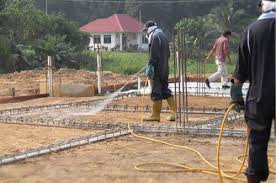
One major stage is treating the soil before the slab is poured. This is often called pre slab termite treatment. The termiticide is applied to the soil at the correct rate so that the building sits on treated ground. Once the slab is poured, the treated soil becomes part of the protective system beneath the house, shop, apartment block, school, office, or commercial building.
Another important stage is treating the foundation perimeter. Before soil is backfilled around the foundation walls, the area is treated to reduce the risk of termites travelling from the surrounding ground into the building. Service trenches, plumbing points, electrical entries, and drainage lines also need attention because termites often use these weak spots as hidden entry routes.
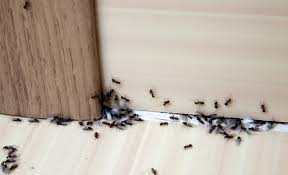
Termites are not the kind of pest you want to discover late. They can feed quietly for months before you notice visible damage. A wooden floor may start sagging, a door frame may become soft, or kitchen cabinets may begin breaking apart. By the time the signs appear, the repair cost may already be much higher than the cost of prevention.
Pre construction termite proofing is easier because the soil is still accessible. There is no need to drill finished floors, move furniture, disturb tenants, or break through tiles. The treatment can be applied properly before the building hides the ground beneath concrete, walls, and finishes. This makes it more practical and usually more cost effective than waiting until the structure is complete.
For homeowners, early termite protection gives peace of mind. You know that the foundation stage was handled with future protection in mind. For landlords, it helps protect rental units from avoidable damage and complaints. For developers, it adds value because buyers often feel more confident when they know termite treatment was done during construction.
In many parts of Kenya, termite pressure is real. Areas around Nairobi outskirts, Kitengela, Athi River, Kiambu, Thika, Kisumu, Nakuru, coastal towns, and rural developments can all face termite activity depending on soil, vegetation, moisture, and construction practices. Treating the soil early is a practical decision, not an extra luxury.
A family building a four bedroom home in Kitengela may be focused on roofing costs, water connection, tiles, and final finishes. Termite proofing may feel like something that can wait. But once the slab is poured and the house is occupied, treating the same soil becomes harder. If termites later appear, the family may need drilling, repairs, and repeated inspections that could have been avoided with early treatment.
A developer building rental units in Thika may want to keep construction costs low. Skipping termite treatment may look like a small saving at first. But if tenants start reporting damaged skirting boards, weak door frames, or hollow cabinets after two or three years, the landlord will spend more on repairs and tenant management. Pre construction treatment protects both the building and the business.
A school building new classrooms in western Kenya may have a tight budget, but termite protection still matters. Desks, doors, frames, roof timber, and storage cabinets can all be affected over time. Treating the soil during construction helps reduce future maintenance pressure, especially when school funds are already stretched.
A homeowner near the coast may be building with beautiful wooden finishes and outdoor structures. Coastal humidity can make timber more vulnerable if moisture is not managed properly. Pre construction termite proofing gives the building a stronger start before the furniture, finishes, and landscaping are added.
Pre construction termite proofing needs proper timing. If the fumigation team arrives after concrete has already been poured, an important treatment stage may be missed. If the foundation is backfilled before soil treatment is done, the barrier may have gaps. A professional understands how to work with the builder so treatment happens at the right stage.
Application also matters. Termite treatment is not just pouring chemical on the ground. The soil must be treated evenly, at the right concentration, and in the correct areas. Service trenches, pipe openings, foundation edges, and backfilled areas must be handled carefully. If any weak point is left untreated, termites may eventually find it.
Soil conditions can also affect treatment. Black cotton soil, red soil, sandy soil, and compacted fill may absorb and hold treatment differently. A trained provider knows how to adjust the method based on the site. This is one reason it is safer to hire a termite proofing expert rather than a casual provider who treats every site the same way.
Documentation is another important part of the service. A professional should be able to provide treatment records showing when the work was done, what areas were treated, and what product was used. These records can be useful for homeowners, developers, property buyers, construction managers, and future inspections.
Finding the right fumigation expert during construction can be stressful because building already involves many moving parts. You are dealing with contractors, suppliers, county approvals, water connection, materials, labour, and site supervision. The last thing you need is to gamble with an unverified provider for such an important stage of construction.
The Real Plug helps connect people in Kenya with vetted local professionals offering pre construction termite proofing services. Instead of relying on random referrals or social media contacts, you can find termite control experts who understand soil treatment, construction timing, foundation protection, and termite prevention.
This is helpful for plot owners, homeowners, developers, landlords, architects, quantity surveyors, contractors, schools, churches, hotels, and commercial property owners. Whether you are building one family home or several rental units, the right professional can advise on when treatment should happen and how to protect the building properly.
The Real Plug also makes the hiring process easier because trust matters on a construction site. You need a provider who can communicate with your builder, arrive on schedule, explain the treatment, and provide clear service details. A missed treatment window can create problems, so reliability is not something to take lightly.
The Real Plug is built for people who want reliable local professionals without wasting time on guesswork. When you search for pre construction termite proofing near me, pre slab termite treatment, soil barrier Kenya, or termite treatment during construction, you need more than a quick quote. You need someone who understands the building process.
Through The Real Plug, you can connect with vetted termite proofing providers before construction begins. This helps you include termite treatment in your project schedule and budget early. It also helps prevent the common mistake of remembering termite protection only when the slab is already done.
For developers and contractors, The Real Plug can support better planning. A termite treatment provider can be brought in at the right stage, work with the site team, and provide treatment records that may later support sales, handover, or property management. This makes the building process feel more organized and professional.
For fumigation professionals, The Real Plug creates a way to reach clients at the most important point in their project. Skilled termite proofing experts can connect with people who are building now and want protection done correctly from the start.
The best time to contact a termite proofing provider is before construction starts or as soon as the site is cleared. Share the building plan if available and explain the construction timeline. This helps the professional know when to visit the site and which treatment stages will be required.
Make sure your contractor understands that termite treatment is part of the construction schedule. The site foreman should know not to pour concrete or backfill foundation walls before the fumigation provider has completed the required stage. Clear communication prevents delays, missed treatment areas, and extra costs.
If imported soil or fill material will be used, mention it to the termite control provider. Fill material can create untreated pathways if it is placed after the original soil treatment. The provider may recommend treating fill layers or areas around service trenches as construction continues.
Ask for documentation after every treatment stage. This may include a report, certificate, product details, and photos where possible. Keep these records safely because they may be useful when selling the property, handling future inspections, or proving that termite protection was done during construction.
After construction is complete, avoid disturbing treated soil around the foundation without professional advice. Digging flower beds, installing new pipes, adding drainage channels, or changing paving near the walls can interfere with the treated zone. If future work must be done, speak to a termite control provider so protection can be restored where needed.
Keep water away from the foundation. Leaking pipes, blocked gutters, poor drainage, and wet soil close to walls can create conditions that attract termites. Good drainage supports the work done during termite proofing and helps protect the building over time.
Do not store timber, cardboard, firewood, or construction waste directly against the house. These materials can attract termites and create a bridge from the soil to the building. If you have leftover timber after construction, keep it raised and away from walls.
Schedule periodic termite inspections even after pre construction treatment. A good soil barrier can protect a building for years, but landscaping changes, repairs, soil movement, or extensions may affect it. Regular checks help confirm that the protection remains intact.
Pre construction termite proofing services help you protect your building from the ground up. Instead of waiting until termites cause hidden damage, you treat the soil while access is easy and the building is still taking shape. It is one of those construction decisions that may not look exciting, but it can save you serious stress and money later.
Whether you are building a family home, rental units, a school, a hotel, an office, or a commercial property, termite protection should be part of the plan from the beginning. Foundations, slabs, and soil treatment may not be as visible as tiles and paint, but they are part of what makes a building last.
When you need pre construction termite proofing services, hire a vetted termite control professional through The Real Plug and protect your building before the slab is poured.
If you are a skilled fumigation professional offering pre construction termite proofing and soil treatment services, register on The Real Plug and connect with builders and property owners who need reliable termite protection.