Nairobi CBD - 00100

A parent receives a message from school saying there has been a pest sighting in one of the classrooms. The message may sound calm, but the parent is already worried. They start thinking about bed bugs in dormitories, rats near the kitchen, cockroaches in dining halls, or mosquitoes around stagnant water. Even if the school says the issue is under control, trust has already been shaken.
This is why school and institutional pest prevention programs matter. Schools, colleges, boarding facilities, children’s homes, training centres, churches, hostels, and other institutions need more than emergency fumigation after a problem appears. They need a structured prevention plan that keeps pests from becoming visible, spreading through buildings, or creating panic among parents, students, staff, and visitors.
A school and institutional pest prevention program is an ongoing pest management plan designed to stop infestations before they grow. It is different from calling a fumigator only after someone sees rats, cockroaches, bed bugs, ants, flies, or mosquitoes. Prevention focuses on inspection, monitoring, early action, hygiene, staff awareness, and proper documentation.
The program usually starts with a full inspection of the institution. A pest control professional checks classrooms, dormitories, kitchens, dining halls, stores, washrooms, staff rooms, administration offices, libraries, laboratories, playgrounds, drainage areas, waste zones, and surrounding grounds. The aim is to understand where pests may enter, hide, feed, or breed.
Different areas carry different risks. A school kitchen may attract cockroaches, rodents, flies, and ants because of food handling and waste. Dormitories may face bed bug risks because students bring mattresses, bags, blankets, and personal belongings from different homes. Stores may attract rats if food supplies are not sealed properly. Classrooms may have pests entering through broken windows, gaps under doors, or ceiling spaces.
After the inspection, the provider creates a practical prevention plan. This may include rodent monitoring stations, cockroach control, bed bug inspections, fly control, mosquito breeding checks, drain treatment, waste area management, sealing of entry points, and scheduled inspections. The goal is to keep the institution ahead of pest activity instead of reacting after complaints have already started.
Schools and institutions have a duty to protect the people under their care. Students, especially young children and boarding learners, depend on the institution to provide a clean and safe environment. A pest problem is not just embarrassing. It can affect health, comfort, sleep, learning, food safety, and confidence in the management.
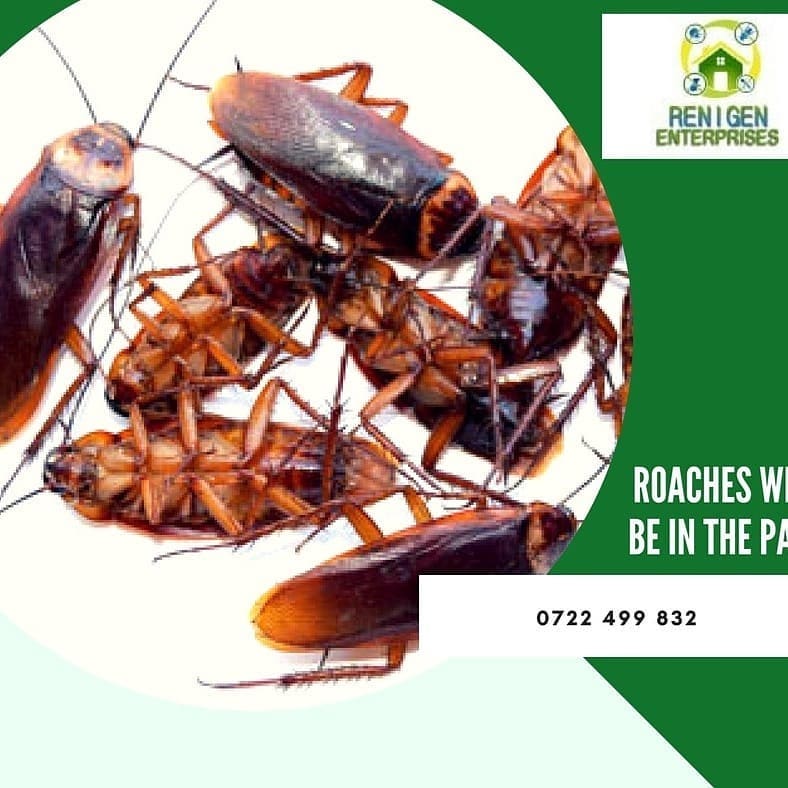
Rodents can contaminate food stores, damage books, chew wires, and scare students in dormitories. Cockroaches can move from drains and dirty areas into kitchens and dining spaces. Bed bugs can spread quickly in boarding schools because students sleep close together and share common spaces. Mosquitoes can become a serious issue where drainage is poor or water collects around the compound.
Parents in Kenya are more alert than ever about school hygiene. A single pest complaint can quickly move from a class WhatsApp group to social media. Once that happens, the school may struggle to control the story. Even if the issue is later solved, some parents may continue doubting the school’s standards.
Public health inspections can also create pressure. School kitchens, dining halls, hostels, and boarding facilities are expected to maintain proper hygiene. If pests are found in food service areas or dormitories, the institution may face warnings, closure of affected areas, or demands for urgent corrective action. A prevention program helps reduce that risk and provides records showing that pest control is being managed seriously.
A boarding school in Nyeri may notice rats during the cold season when they move indoors looking for warmth. At first, only one student reports noises in the ceiling. A few weeks later, droppings appear near the dormitory store and kitchen. If the school only puts poison randomly after complaints, the rodents may keep returning through roof gaps, drains, or open waste areas.
A private primary school in Nairobi may have a clean compound but still struggle with cockroaches in the kitchen. The source may be food debris behind equipment, open drains, damp corners, or deliveries coming in from suppliers. Without regular inspection, the problem may only be discovered when a child or staff member sees cockroaches near serving areas.
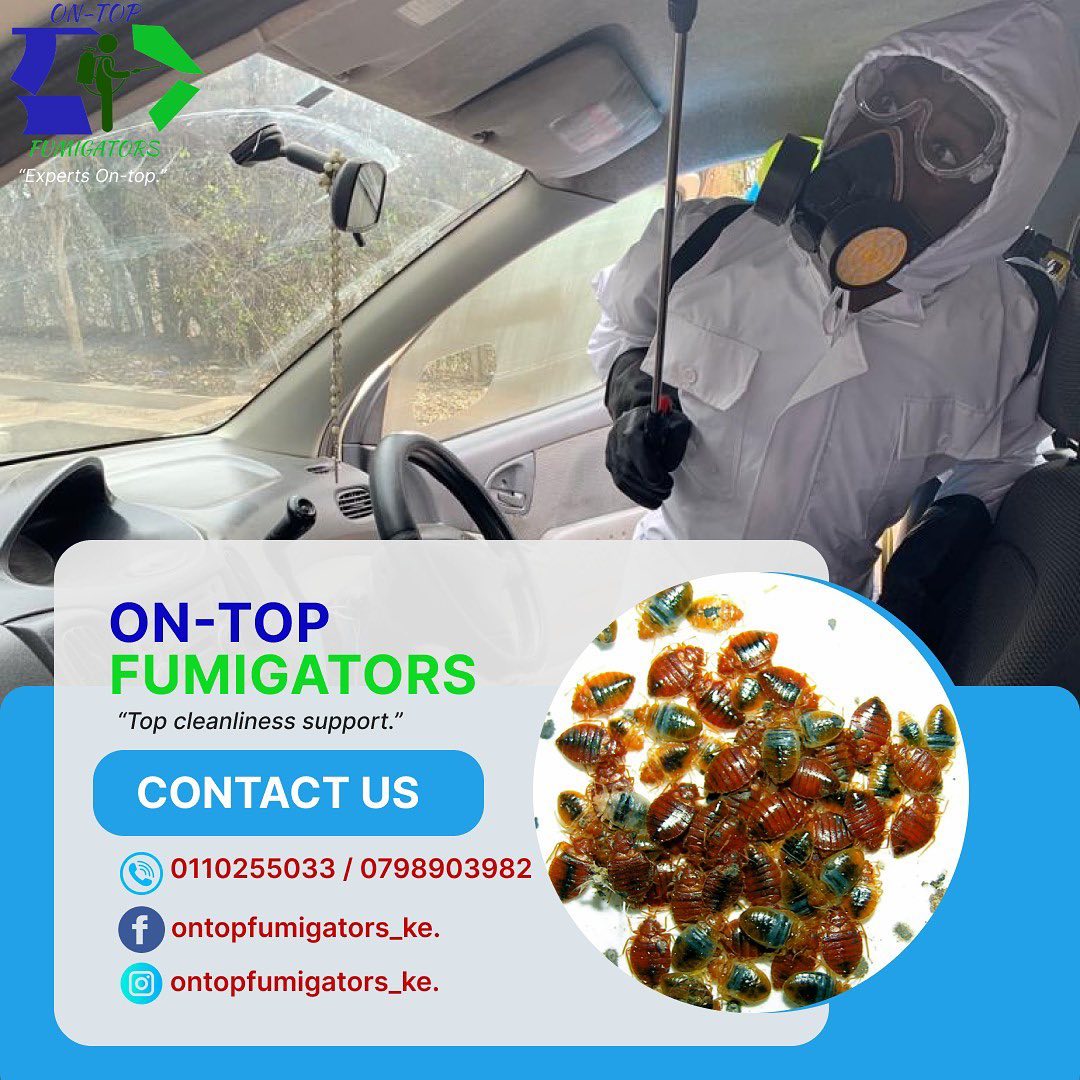
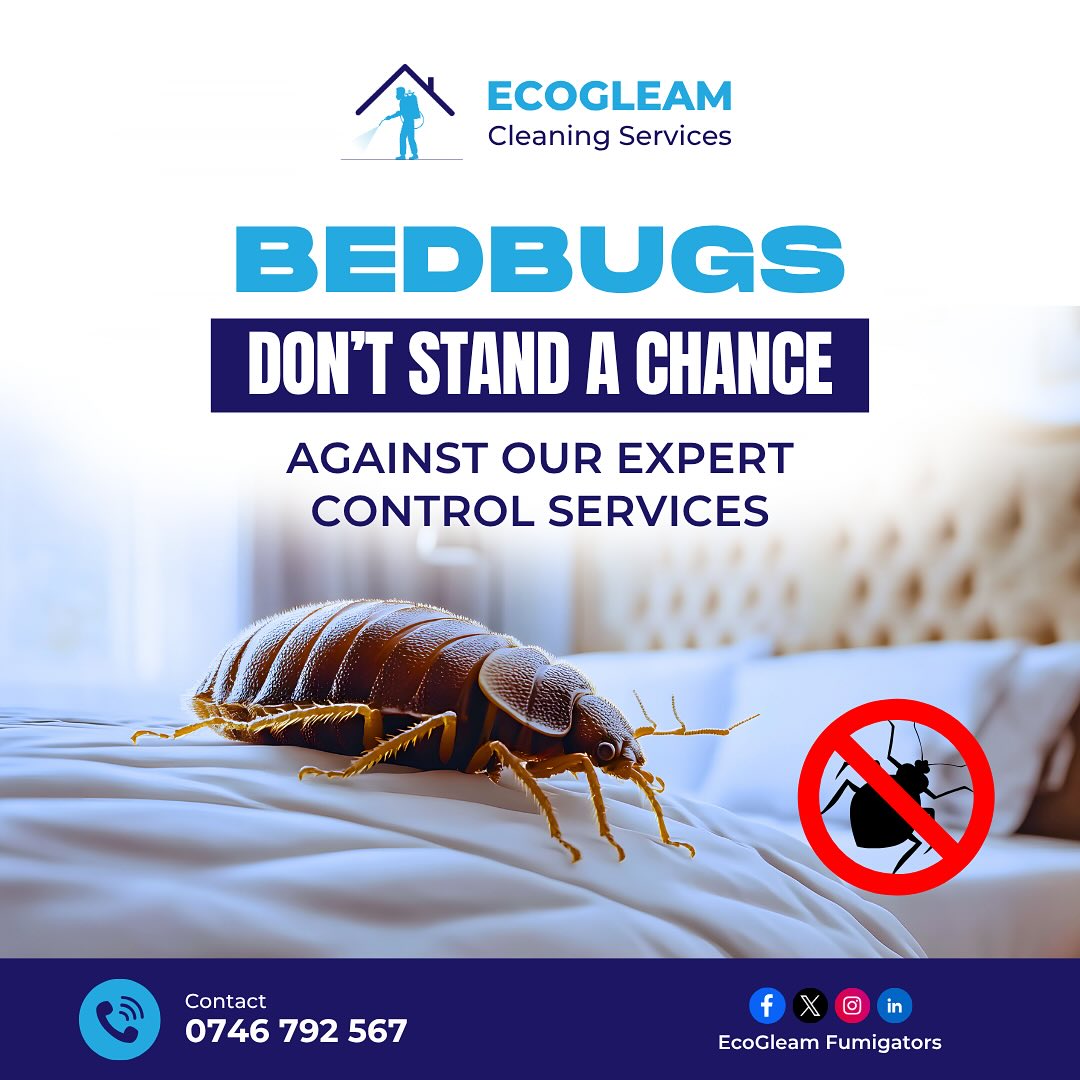
A college hostel in Eldoret may face bed bug complaints after students return from holidays. One room reports bites, then another. If the issue is treated casually, students may unknowingly move bedding, clothes, and bags to other rooms, spreading the infestation. A prevention program includes early checks, reporting procedures, and proper treatment before the problem grows.
A children’s home in Kisumu may have mosquito problems during the rainy season because water collects near drainage channels, old containers, or poorly levelled ground. Children playing outdoors in the evening may get bitten often. A pest prevention provider can identify breeding spots and recommend control measures before mosquitoes become a daily problem.
Institutions are different from ordinary homes. They have many rooms, many people, shared facilities, food service areas, and constant movement of belongings. A pest control provider must understand how pests move through large buildings and how to control them without disrupting learning, meals, sleeping areas, or daily operations.
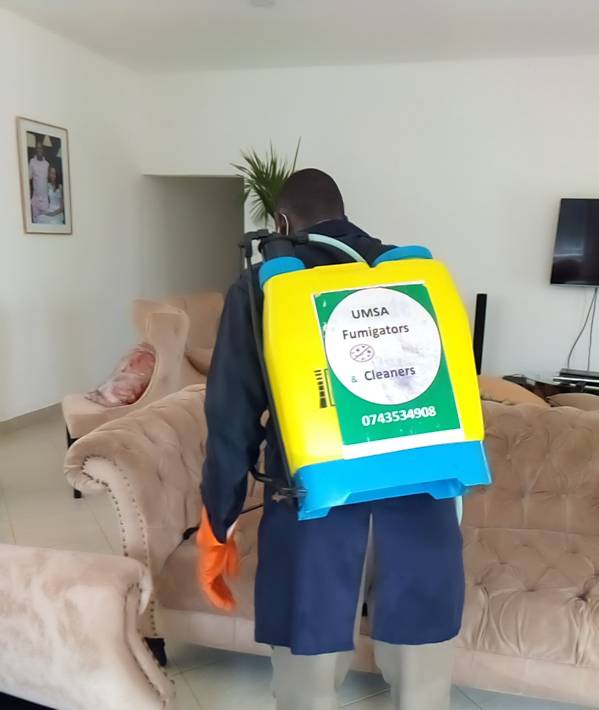
Safety is a major concern. You cannot place loose poison in a school compound where children may touch it. You cannot spray carelessly in a kitchen or dormitory while students are nearby. A professional uses safer methods, tamper resistant stations, targeted treatments, proper scheduling, and clear instructions to protect students and staff.
Another challenge is consistency. A one time fumigation may reduce a visible problem, but it does not replace monitoring. Pests can return through waste areas, broken doors, food stores, nearby bushes, drains, or neighbouring properties. Prevention works because it checks risk areas regularly and responds before pests become a crisis.
Professionals also help with documentation. Schools and institutions may need service records for management, boards, parents, public health inspectors, or internal audits. A good provider gives reports showing what was inspected, what was found, what was treated, and what corrective actions are needed.
Finding a reliable pest control provider for a school or institution can be stressful. Some providers may be fine for small home fumigation but may not understand dormitories, school kitchens, children’s safety, inspection records, and scheduled prevention programs. Institutions need providers who can think beyond spraying and leaving.
The Real Plug helps connect schools and institutions in Kenya with vetted local professionals offering school and institutional pest prevention programs. Instead of relying on random contacts, administrators, bursars, facility managers, head teachers, and institution owners can find pest control experts who understand prevention, monitoring, safe treatment, and institutional hygiene.
This is useful for boarding schools, day schools, colleges, training centres, children’s homes, hostels, religious institutions, canteens, dormitory blocks, and campuses. Each setting has its own risk areas, and the right professional should design a program that fits the buildings, population, schedule, and budget.
The Real Plug also helps reduce the risk of hiring blindly. When students, children, staff, and food service areas are involved, trust matters. You need someone who communicates clearly, follows safety standards, respects school operations, and provides practical advice management can act on.
The Real Plug is built for people and organizations that want reliable local professionals without wasting time on guesswork. When you search for school pest control in Kenya, institutional pest prevention, boarding school bed bug control, or educational facility fumigation, you need more than a provider with chemicals. You need a professional who understands responsibility and prevention.
Through The Real Plug, institutions can connect with vetted providers for regular inspections, rodent control, bed bug monitoring, cockroach prevention, mosquito control, kitchen pest management, and campus wide pest planning. This helps schools move from panic response to organized prevention.
For boarding facilities, prevention is especially important because students live on site. Dormitories, mattresses, laundry areas, storage rooms, and shared spaces need regular checks. A small bed bug or rodent issue can spread quickly if it is not reported and treated early.
For pest control professionals, The Real Plug creates a way to reach serious institutional clients. Skilled fumigators who understand school safety, campus pest prevention, dormitory treatment, kitchen hygiene, and monitoring programs can connect with schools and institutions looking for reliable long term support.
Before the provider begins, the institution should share information about pest history. This may include previous bed bug complaints, rodent sightings, cockroach activity, mosquito issues, kitchen inspection reports, parent complaints, or areas where pests appear repeatedly. Honest information helps the provider create a better plan.
Make sure all key areas are accessible during the first inspection. Dormitories, kitchens, dining halls, stores, waste areas, classrooms, washrooms, staff rooms, roof spaces, drainage channels, and external walls should be checked. If some areas are locked or blocked, the assessment may miss important risks.
Assign one staff member to work directly with the pest control provider. This person can coordinate access, receive reports, follow up on recommendations, and make sure corrective actions are not forgotten. Without a clear contact person, important tasks can easily fall between departments.
Inform staff about the program. Kitchen teams, dormitory supervisors, cleaners, maintenance workers, teachers, guards, and storekeepers all play a role in prevention. They should know how to report pest signs and why they should not move bait stations, spray random chemicals, or ignore small signs.
Keep food storage areas clean and organized. Store dry food in sealed containers or well protected stores. Keep food off the floor where possible and inspect supplies when they arrive. If food deliveries bring pests into the institution, the problem can spread quickly.
Manage waste properly. Bins should have lids, rubbish should be removed regularly, and waste areas should be cleaned often. Food waste left overnight can attract rats, flies, cockroaches, ants, and stray animals. The waste area should never be treated as an afterthought.
Repair buildings promptly. Gaps under doors, broken windows, open vents, cracked walls, damaged drain covers, and holes around pipes can all allow pests to enter. Maintenance teams should treat pest proofing as part of school safety, not just general repairs.
Control clutter in dormitories and stores. Too many unused items, old mattresses, broken furniture, cardboard boxes, and piles of materials create hiding places. Clean, organized spaces are easier to inspect and harder for pests to settle in unnoticed.
School and institutional pest prevention programs help protect learners, staff, visitors, food stores, dormitories, classrooms, and the reputation of the institution. Instead of waiting until pests are seen by students or parents, a prevention program keeps watch over the areas where problems usually begin.
A safe institution is not only one with good teachers and strong buildings. It is also one where hygiene, pest control, waste management, and maintenance are handled consistently. Parents may not see all the work happening behind the scenes, but they feel the difference when the environment is clean, calm, and well managed.
When you need school and institutional pest prevention programs, hire a vetted pest control professional through The Real Plug and protect your learners, staff, facilities, and reputation with proper preventive care.
If you are a fumigation or pest management professional offering school and institutional pest prevention services, register on The Real Plug and connect with institutions looking for reliable long term pest control support.