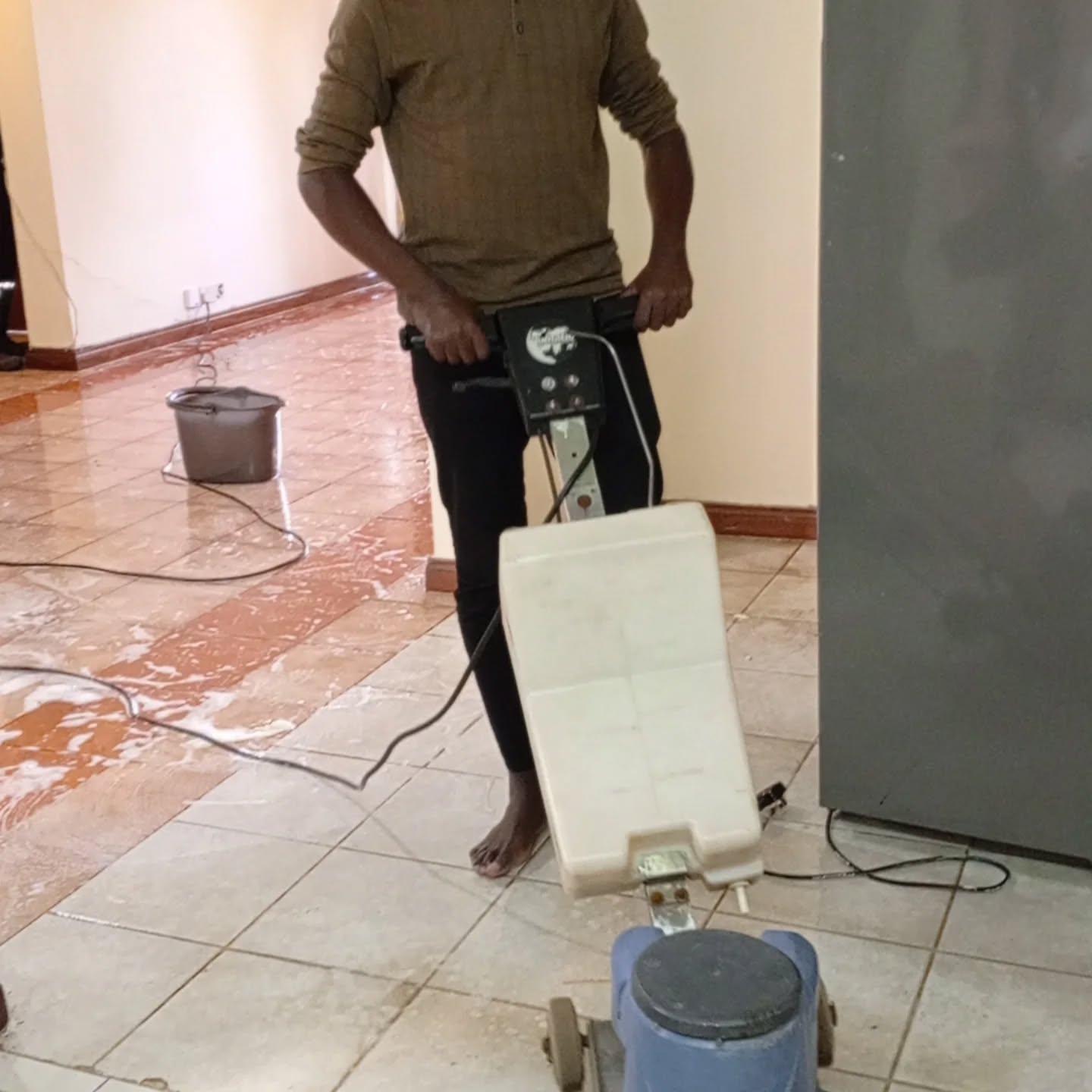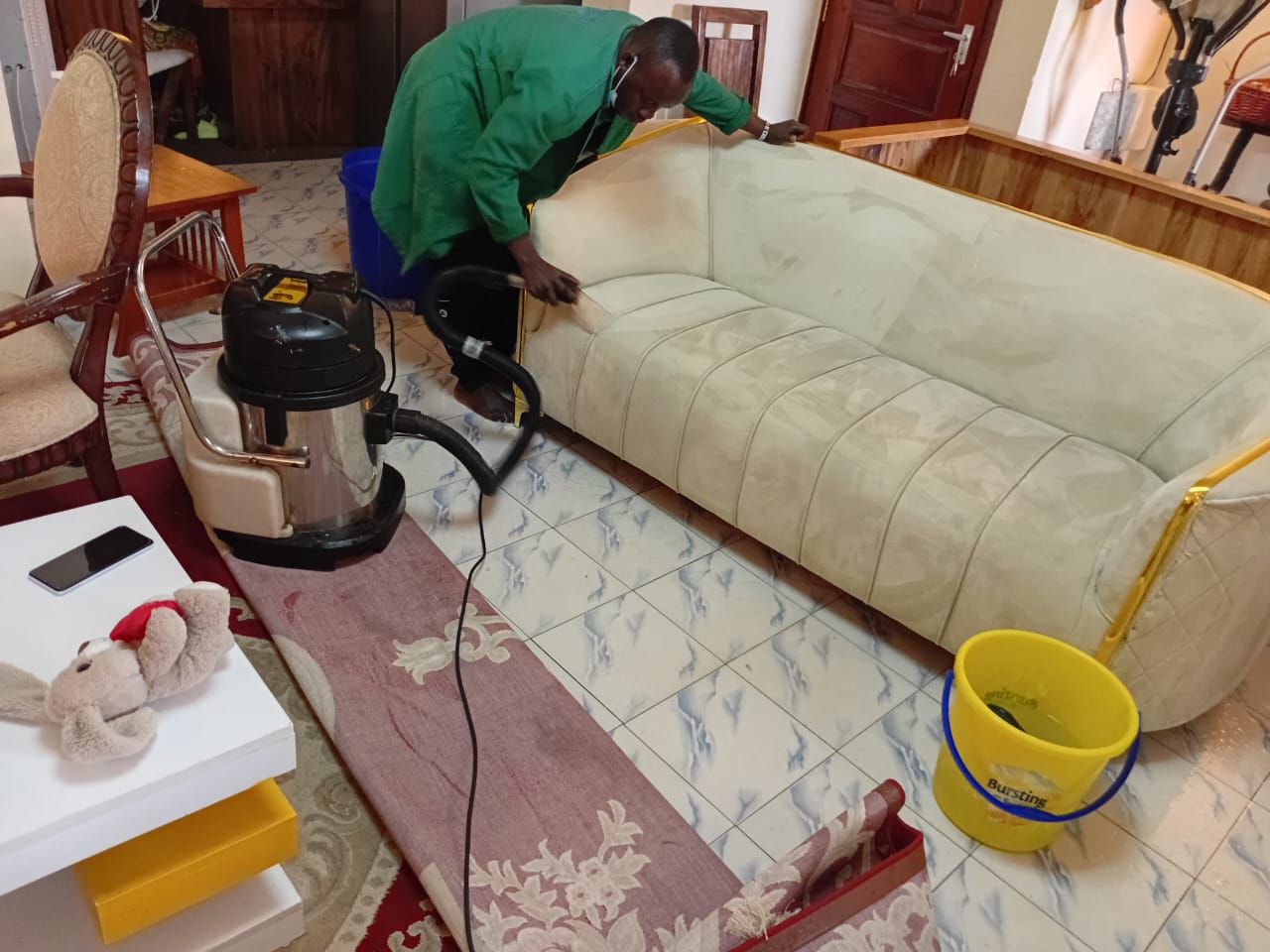


Not long ago, cleaning jobs in Kenya were mostly informal arrangements built on trust, referrals, and a bit of luck. Someone in your estate knew you, recommended you, and that was it. Payment was cash, negotiation happened at the gate, and consistency depended entirely on how well you were known in the neighbourhood. For many cleaners, it was survival work, not a structured income.
Fast forward to today, and the same work is being booked online. A client in Kilimani can request a cleaner late at night and have someone show up the next morning through a platform or booking system. Payment is handled digitally, jobs are pre-agreed, and reviews determine future opportunities. It sounds like a major upgrade, and in many ways, it is. But it also raises an important question: can cleaning jobs online in Kenya actually support a stable living?
The answer is yes, but only under certain conditions that most people rarely talk about honestly.
How Cleaning Jobs in Kenya Have Shifted from Informal Work to Online Platforms
The traditional cleaning economy in Kenya was heavily dependent on personal connections. You would get a job through word of mouth, agree on a price at the client’s doorstep, and work without a clear scope. It was common for expectations to change mid-job, with extra tasks added without additional pay. If a client decided to delay payment or reduce the agreed amount, there was very little a cleaner could do.
Online cleaning platforms have changed this structure significantly. Jobs now come with defined scopes such as number of rooms, estimated hours, and type of cleaning required. Pricing is usually fixed in advance, and payments are processed digitally once the job is completed. Ratings also play a central role, meaning your reputation directly influences how many jobs you get.
In practical terms, this shift has reduced uncertainty. Cleaners no longer need to negotiate at the gate or chase payments. However, it has also introduced performance pressure. One poor rating can affect future bookings, which means consistency and professionalism matter more than ever.
What Cleaners Actually Earn from Online Cleaning Jobs in Kenya
Income from cleaning jobs online varies widely depending on location, experience, and ratings. In cities like Nairobi, Mombasa, and Kisumu, the earning potential is significantly different from traditional informal arrangements.
A part-time cleaner working a few days a week can realistically complete multiple jobs per week, with each job paying anywhere between Ksh1,800 and Ksh2,800 depending on size and complexity. Over a month, this can translate to earnings ranging between Ksh35,000 and Ksh60,000 after basic expenses like transport and supplies are considered.
Full-time cleaners who maintain strong ratings often earn more. Those consistently working in high-demand areas such as Kilimani, Lavington, Runda, or Nyali may take home between Ksh60,000 and Ksh100,000 monthly. Some even exceed that, especially when handling Airbnb turnovers or deep cleaning assignments, which are typically higher paying.
Smaller towns like Nakuru, Eldoret, and Kisumu tend to offer slightly lower rates, but competition is also lower, making it easier to secure regular work. In many cases, cleaners still earn more than entry-level informal or retail jobs, even if the absolute figures are lower than Nairobi.
The key difference in online cleaning income is stability. Unlike casual vibarua work, income is tied to reputation, reliability, and consistency rather than chance referrals.
The Real Costs Behind Online Cleaning Work in Kenya
While earnings can look attractive on paper, cleaning is not a pure income stream. There are real operational costs that directly affect take-home pay.
Transport is one of the biggest expenses. Cleaners often move between estates such as Kasarani, Westlands, Karen, or South B, and daily commuting costs can accumulate quickly. Smart cleaners reduce this by grouping jobs in the same area to avoid unnecessary travel.
Supplies are another cost factor. Even though clients provide basic materials in many cases, professional cleaners often carry their own detergents, microfiber cloths, gloves, and protective gear. Better supplies not only improve efficiency but also influence client ratings.
Time is also a hidden cost. A four-hour cleaning job often takes closer to six hours when travel and setup are included. This means a full day may realistically accommodate only two jobs. Without proper planning, burnout becomes a real risk.
There are also platform commissions to consider, which typically range between 10% and 20%. While this reduces gross earnings slightly, it is often offset by consistent job flow and guaranteed payment security.
Who Succeeds in Online Cleaning Jobs and Who Struggles
The difference between those who make a sustainable income and those who struggle usually comes down to professionalism rather than effort alone.
Successful cleaners treat the work as a structured service. They arrive on time, communicate clearly, and maintain consistency. They also understand that ratings matter and actively work to maintain high standards. Over time, this builds a strong profile that attracts repeat clients and higher-paying jobs.
On the other hand, cleaners who struggle often approach the work casually. Late arrivals, poor communication, and inconsistent quality quickly lead to low ratings. Since most platforms rely on algorithms and reviews, poor performance reduces visibility, which in turn reduces job opportunities.
The online system rewards reliability. In many ways, it mirrors formal employment structures more than informal labour markets.
How to Start Cleaning Jobs Online in Kenya the Right Way
Getting started does not require capital, but it does require structure and discipline.
The first step is joining a vetted platform where clients are verified and payments are secure. Platforms such as The Real Plug https://therealplug.online/ connect cleaners with clients who are actively looking for services, ensuring that work is legitimate and payments are processed safely.
Starting with fewer jobs is often more effective than overloading early. Building a strong rating history in the first few weeks is more valuable than chasing volume. Once trust is established, better-paying jobs naturally follow.
Specialisation also matters. General cleaning is common, but niche services like Airbnb turnover cleaning, post-construction cleaning, or deep kitchen cleaning tend to pay more. Focusing on one area allows cleaners to position themselves as experts rather than general labourers.
Over time, successful cleaners begin to operate more like small businesses. They manage schedules, track income, reinvest in tools, and sometimes even subcontract work to others. At that stage, cleaning becomes more than a job; it becomes a structured income system.
Final Thoughts on Earning from Online Cleaning Jobs in Kenya
Cleaning jobs online in Kenya can absolutely support a decent living, but only when approached professionally. The days of inconsistent casual earnings are slowly being replaced by structured platforms that reward reliability, skill, and discipline.
For some, this shift creates opportunity to earn between Ksh35,000 and Ksh100,000 monthly depending on consistency and location. For others who treat it casually, it remains low-paying and unstable work.
The difference is not the platform. It is how the work is approached. In today’s digital economy, even cleaning has evolved into a reputation-based service industry. Those who understand that transition are the ones building stable incomes.