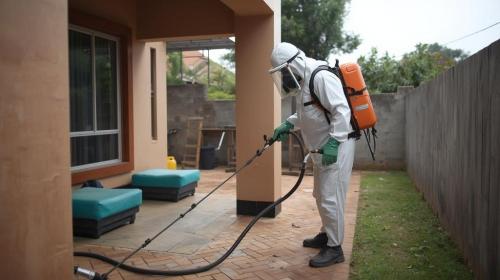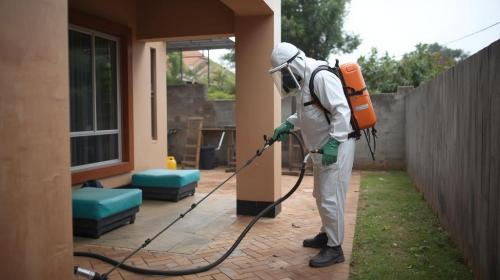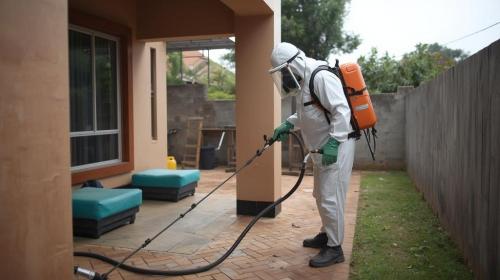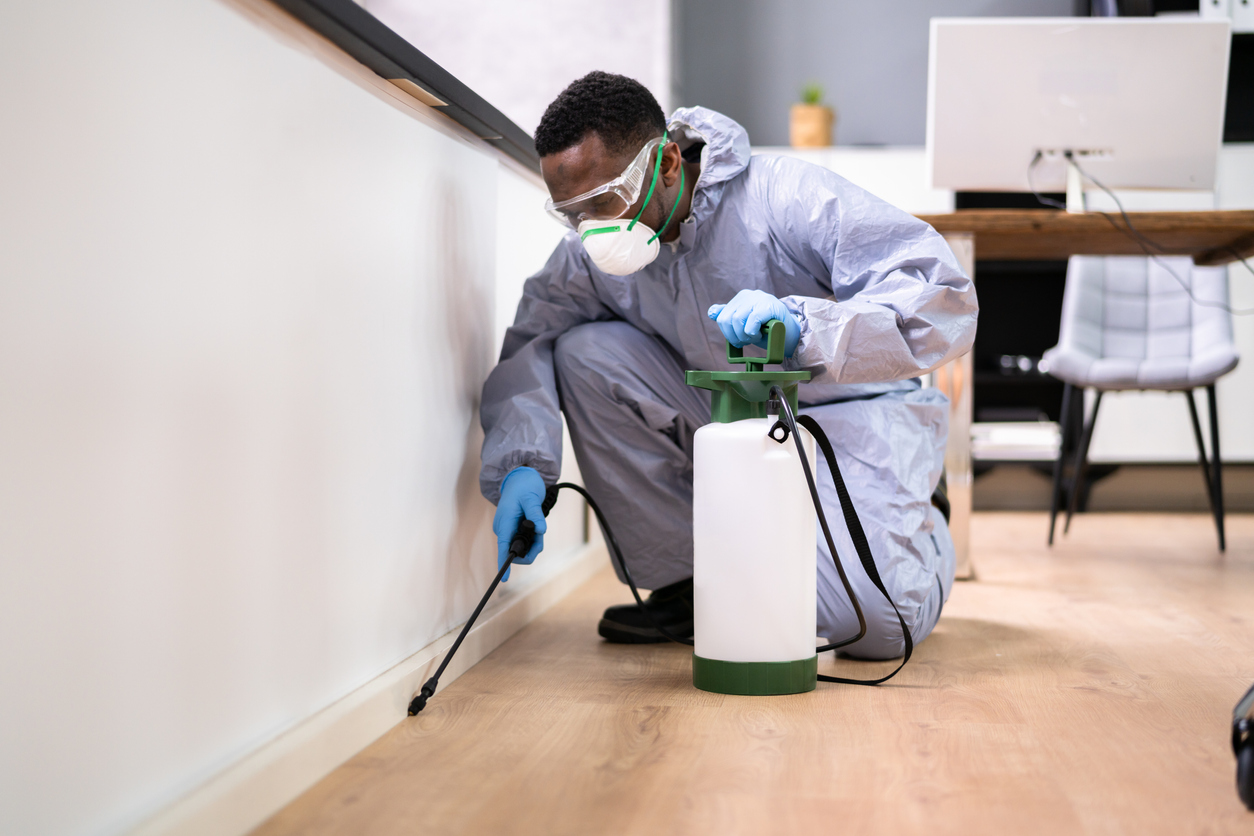


Anyone who has dealt with pests in Nairobi knows the frustration rarely comes from the insects alone. It often comes from hiring someone who promises a quick fix, only for the problem to return a few weeks later. In many estates, the real issue is not the lack of fumigators but the difficulty of identifying professionals who are reliable, accountable, and properly licensed.
Across Kilimani, Westlands, Kasarani, and Embakasi, the demand for pest control services is high, but the expectations and challenges differ from one area to another. Understanding these differences makes it easier to choose a fumigator who can actually solve the problem rather than temporarily mask it.
Why Location Matters When Hiring a Fumigator in Nairobi
Nairobi’s neighborhoods are not uniform, and pest control strategies that work in one area may not be effective in another. The type of buildings, tenant turnover, and environmental conditions all influence the kind of pests you are likely to encounter and how they should be handled.
In high-rise areas like Kilimani, pest issues often revolve around German cockroaches and bedbugs, especially in furnished apartments and Airbnbs. These pests spread easily through shared walls, plumbing systems, and frequent guest turnover. In such settings, fumigation is not just about eliminating pests but also about maintaining a standard that satisfies property managers, tenants, and short-term guests.
Westlands presents a different dynamic, with a mix of offices, restaurants, and residential spaces. Pest control here often requires after-hours service to avoid disrupting business operations. Kitchens, storage areas, and shared office spaces demand more structured pest management programs rather than one-off treatments.
Kasarani, with its concentration of student housing and bedsitters, experiences frequent bedbug infestations and cockroach problems. High tenant turnover and shared facilities mean infestations can spread quickly between units. This makes consistency and follow-up treatment essential.
Embakasi, particularly in areas with warehouses and industrial activity, deals with a broader range of pests including rodents, termites, and cockroaches. Larger spaces require more technical approaches, including baiting systems and structured treatment plans.
What Defines a Vetted Fumigator
The term “vetted” is often used loosely, but in practical terms, it refers to a fumigator who meets specific professional and regulatory standards.
A key requirement is registration with the Pest Control Products Board. This ensures that the company is authorized to handle and apply pest control products within Kenya. A legitimate fumigator should be able to provide a verifiable license number.
Beyond licensing, a vetted provider operates as a registered business with proper documentation, including a valid tax registration and a traceable payment method such as a business till number. This level of transparency is important, especially if follow-up service is required.
Another important factor is the use of approved chemicals. Professional fumigators should be able to provide Safety Data Sheets upon request, detailing the products they use and their safety guidelines. This is particularly relevant for offices, restaurants, and Airbnb properties where health and compliance standards are higher.
Insurance is also part of professional vetting. Established pest control companies typically carry public liability coverage, which protects both the client and the service provider in case of accidental damage or health concerns during treatment.
Finally, a vetted fumigator follows a clear service process. This includes providing preparation guidelines before treatment, carrying out a structured inspection, issuing a certificate after service, and offering a follow-up or guarantee period where necessary.
Pest Control in Kilimani: Apartments and Short-Term Rentals
Kilimani has become a hub for modern apartments and short-term rentals, which brings a unique set of pest control challenges. Frequent guest turnover increases the risk of bedbug introductions, while shared building infrastructure allows cockroaches to spread between units.
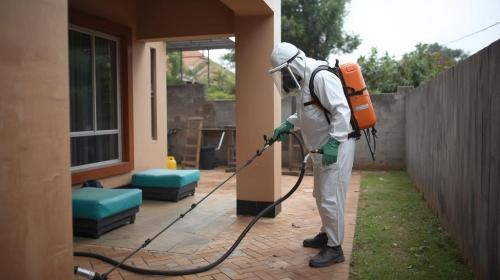
In this environment, fumigators are expected to work within building regulations. Property managers often require documentation before granting access, and tenants expect minimal disruption. Treatments typically focus on targeted methods such as gel baiting for cockroaches and structured chemical programs for bedbugs.
A reliable fumigator in Kilimani understands the importance of discretion, proper documentation, and the need to deliver results without leaving strong chemical odors that could affect neighboring units or guests.
Pest Control in Westlands: Offices and Commercial Spaces
Westlands is one of Nairobi’s busiest commercial districts, and pest control here is closely tied to business continuity. Offices cannot afford downtime, and restaurants must meet strict hygiene standards.
Fumigators working in this area usually operate outside normal business hours to avoid disrupting daily activities. Treatments often involve integrated pest management approaches, combining monitoring systems, targeted applications, and scheduled maintenance visits.
For businesses, documentation is critical. Service reports, treatment logs, and compliance certificates are often required for inspections and audits. A vetted fumigator in Westlands is expected to provide these consistently.
Pest Control in Kasarani: High Turnover Housing
Kasarani’s housing landscape, dominated by bedsitters and student accommodation, creates a cycle of recurring pest problems. Bedbugs are particularly common due to frequent movement of tenants and shared living spaces.
Effective pest control in this area requires more than a one-time treatment. It involves educating tenants on preparation, ensuring follow-up visits are completed, and sometimes coordinating treatment across multiple units to prevent reinfestation.
Fumigators who understand this environment tend to focus on practical solutions that balance cost and effectiveness while still maintaining professional standards.
Pest Control in Embakasi: Industrial and Residential Mix
Embakasi presents a broader range of pest control needs, from residential units to large warehouses. Rodents, termites, and cockroaches are common concerns, especially in areas with storage facilities and high human activity.
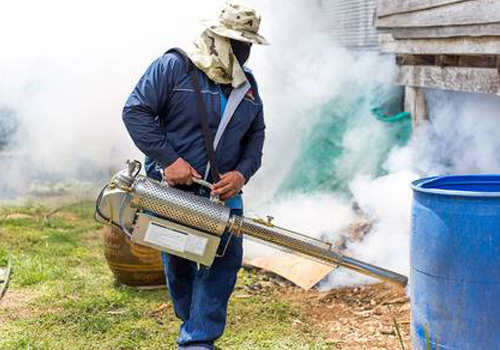
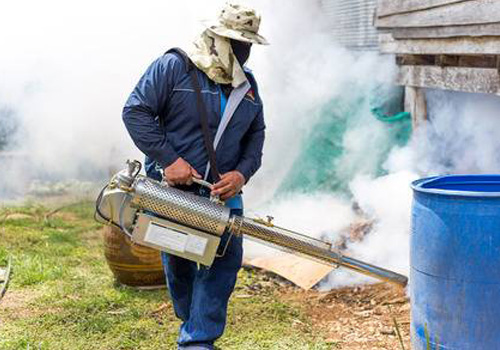
Treatments here are often more technical, involving larger volumes of product, specialized equipment, and detailed planning. For businesses, compliance with regulatory bodies and maintaining proper documentation is essential to avoid operational disruptions.
A vetted fumigator in Embakasi is typically one who conducts site assessments before quoting, ensuring that the scope of work matches the size and complexity of the property.
How to Identify the Right Fumigator
Choosing a fumigator in Nairobi should go beyond comparing prices. A more effective approach is to focus on verification and clarity.
Start by confirming licensing and business registration. Ask for details about the chemicals being used and whether safety documentation is available. Clarify whether the service includes a follow-up visit and whether a certificate will be issued after treatment.
It is also useful to ask about experience in your specific area or property type. A fumigator who regularly works in apartments may not be the best fit for a warehouse, and vice versa.
Finally, ensure that communication is clear from the beginning. A professional provider should be able to explain their process, timelines, and expectations without ambiguity.
The Value of Working with Vetted Professionals
Hiring a vetted fumigator may involve a higher upfront cost, but it often reduces long-term expenses. Proper treatment minimizes the need for repeat services, lowers the risk of health issues, and ensures compliance with regulatory requirements.
In areas like Kilimani and Westlands, it can also protect business reputation and tenant satisfaction. In Kasarani and Embakasi, it helps break the cycle of recurring infestations that many residents experience.
Ultimately, effective pest control in Nairobi is less about finding the cheapest option and more about choosing a service that is structured, accountable, and suited to your specific environment.