

There was a time when housekeeping in Kenya followed a predictable path. You found one employer, settled into a routine, and stayed for years if things worked out. That model still exists, but something quieter has been happening alongside it. More and more people are organizing their cleaning work through their phones, moving between different homes, apartments, and short-term rentals depending on demand. It is not unusual now to meet someone who schedules their entire week through WhatsApp messages and referrals rather than a fixed contract.
This shift has been driven by how people live today. The rise of Airbnb apartments in Nairobi, holiday villas in places like Diani and Nanyuki, and busy households that prefer flexible help has created a steady demand for reliable cleaners. For many Kenyans, especially those who are organized, detail-oriented, and responsive, online housekeeping has become a practical way to earn a living. It is not effortless, and it is not as simple as posting your number online and waiting, but with the right approach, it can be consistent and rewarding work.
What Online Housekeeping Jobs Actually Look Like in Kenya
The term “online housekeeping” can be misleading at first. The work itself is still hands-on, physical, and often demanding. What has changed is how people find and manage these jobs. Instead of relying only on word of mouth within a neighborhood, opportunities now circulate through digital spaces like WhatsApp groups, Facebook pages, and direct messages between hosts and cleaners.
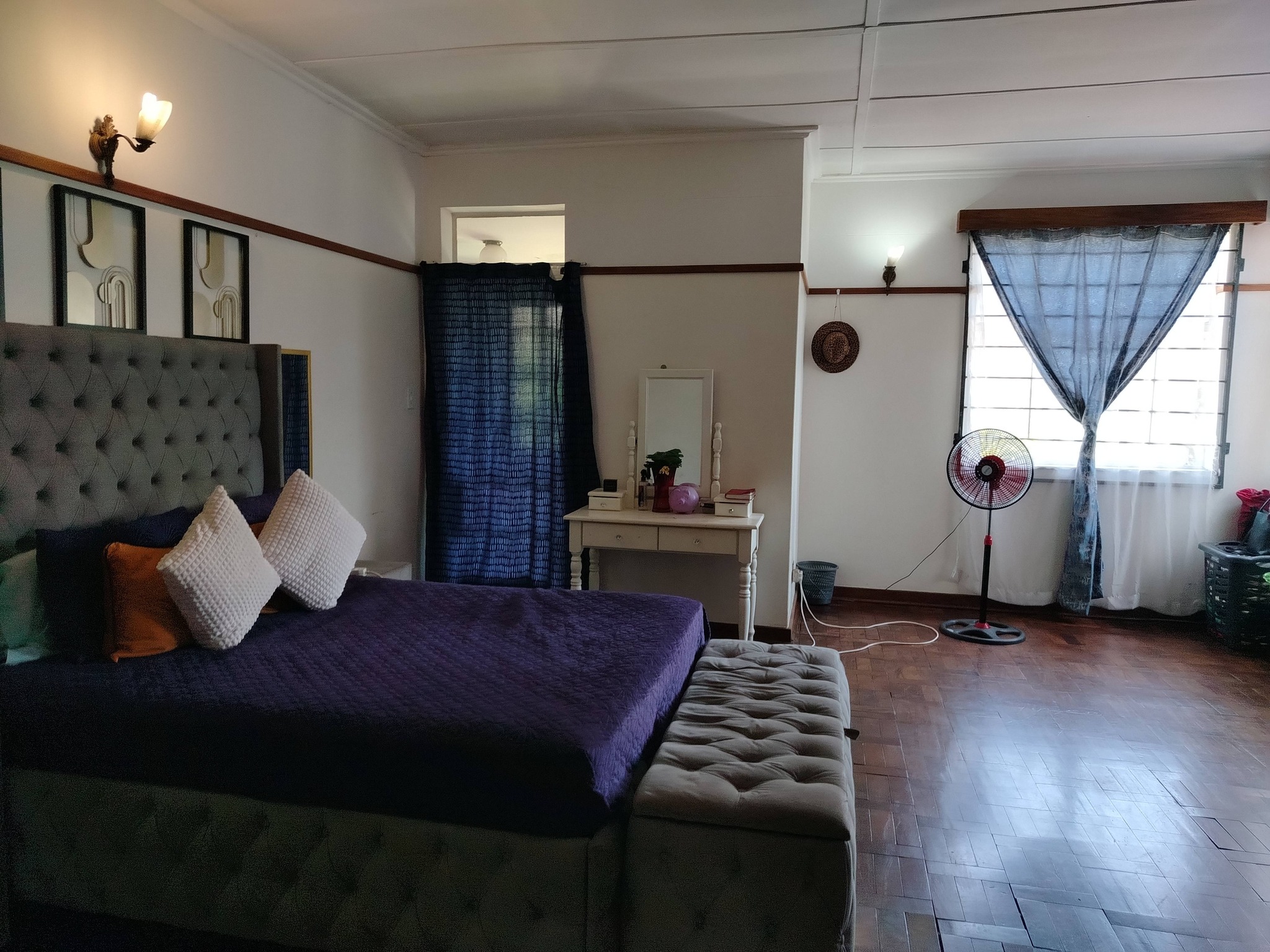
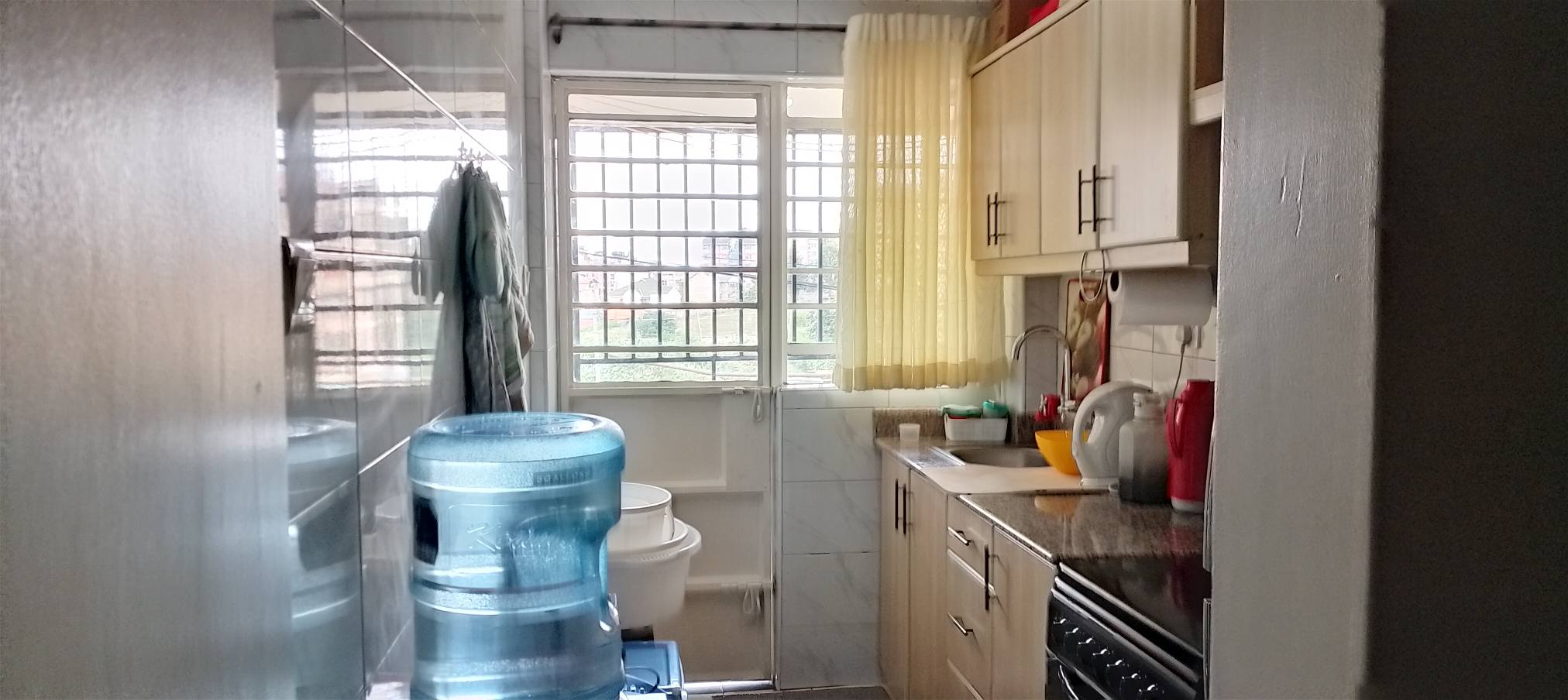
Most of the work falls into a few common patterns. One of the most visible is short-term rental cleaning. Airbnb hosts, for example, need quick turnaround cleaning between guests. This type of work requires speed and attention to detail because the space has to look fresh and ready within a short window. It can be unpredictable, but it also offers frequent opportunities, especially in busy areas of Nairobi, Mombasa, and Kisumu.
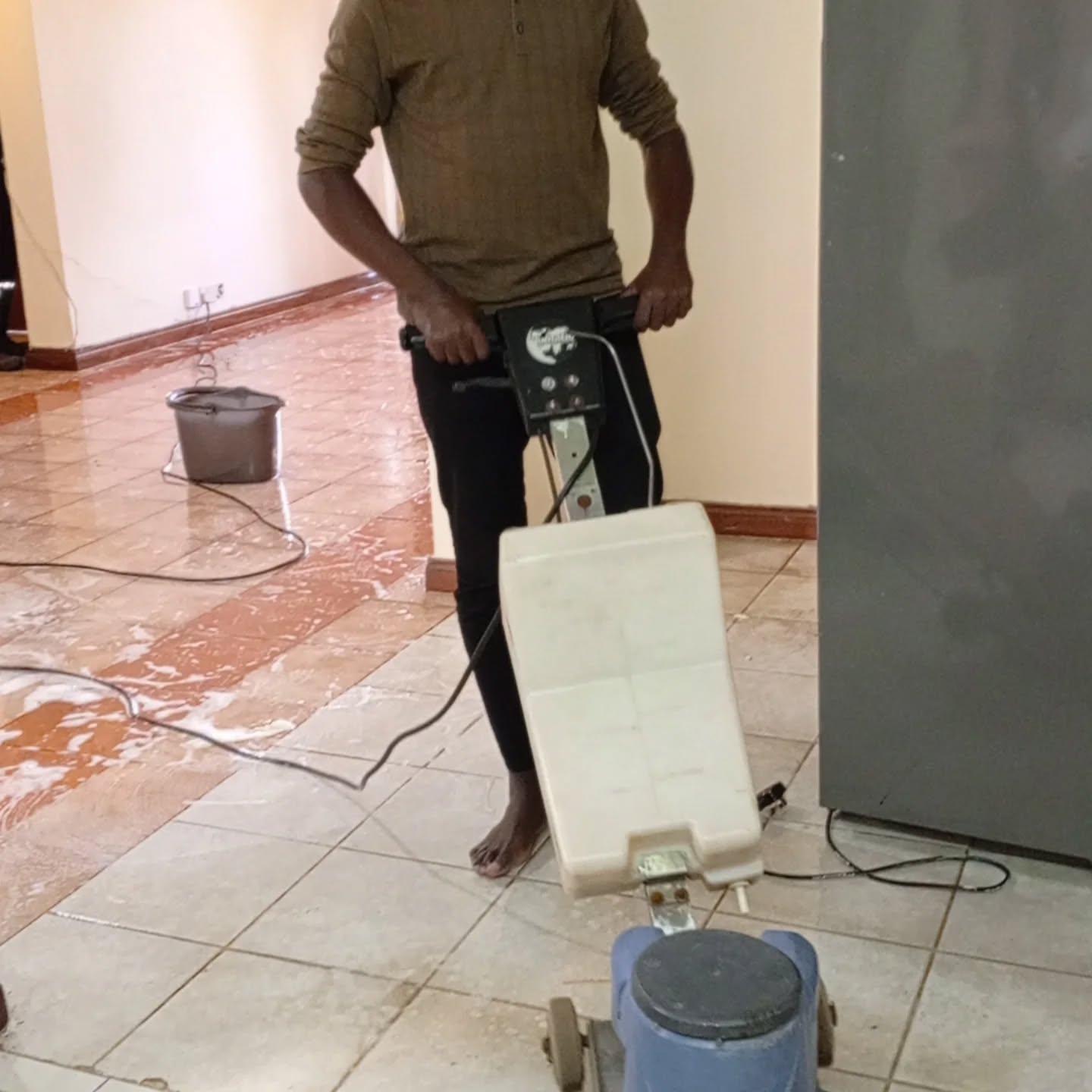
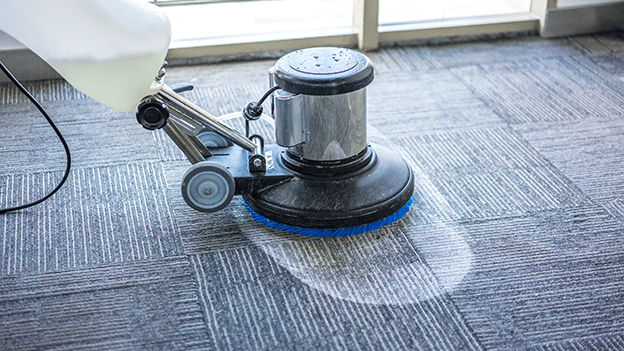
There is also steady demand from private homes. Families often look for someone to come in once or twice a week, or occasionally for a deep clean before an event or after a move. These jobs tend to be more stable, and over time, they can turn into long-term working relationships. Then there are villa and holiday home roles, which are less frequent but often better paying. These usually involve preparing a property before guests arrive or maintaining it during off-peak periods.
How Much Housekeeping Work Pays in Kenya
Income from online housekeeping varies depending on the type of work, location, and consistency of jobs. Short-term rental cleaning often pays per task rather than per month. A small apartment in Nairobi might bring in a modest fee per cleaning, while larger homes or villas can pay significantly more for a single visit. The key factor here is volume. Someone handling multiple jobs in a day or week can earn a steady income over time.
Private home cleaning tends to offer more predictable pay. Weekly or biweekly arrangements can provide consistent earnings, especially if you build trust with several clients. Villa or holiday home jobs, while less frequent, often come with higher pay per visit and sometimes include additional support such as transport allowances.
It is important to keep expectations realistic. Work can fluctuate depending on the season, especially in tourist areas. Expenses such as transport also play a role in overall earnings. Still, many people combine different types of housekeeping jobs to create a balanced income stream that meets their needs.
Getting Started Without Overcomplicating the Process
One of the reasons online housekeeping has become accessible is that it does not require formal qualifications to begin. What matters most is reliability, communication, and the ability to deliver quality work consistently. A smartphone becomes your main tool, not just for finding jobs but also for presenting yourself professionally.
Setting up a simple and clear profile on platforms like WhatsApp Business can make a difference. A clean, presentable profile photo and a short description of your services help potential clients understand what you offer. Instead of a traditional CV, most clients are interested in practical information. They want to know where you are based, what kind of cleaning experience you have, and whether you are available when they need you.
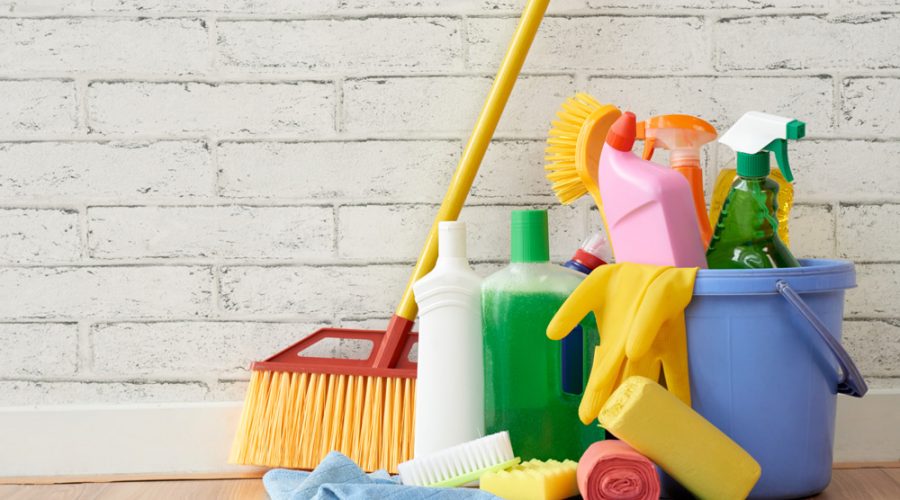
Having a few basic cleaning supplies of your own can also be useful, especially when working with clients who may not always be fully prepared. While many Airbnb hosts provide supplies, private home jobs sometimes expect you to come ready with essentials.
Where People Are Finding Housekeeping Jobs Online
Finding reliable housekeeping jobs online requires knowing where to look and how to evaluate what you find. Facebook groups remain one of the most active spaces, especially those focused on specific locations like Nairobi, Mombasa, or Nanyuki. These groups often feature direct posts from homeowners and Airbnb hosts looking for immediate help.
WhatsApp networks are equally important, although access usually comes through referrals. Once you complete a job successfully, it is common for clients to recommend you or add you to groups where new opportunities are shared. This is where consistency and professionalism start to pay off.
Some job seekers also use business listing platforms and social media pages to connect with clients. Property owners and cleaning service providers sometimes post opportunities directly, making it easier to identify legitimate offers. The key is to look for clear details such as location, scope of work, and payment terms before engaging further.
Applying Smartly and Building Trust with Clients
The way you respond to a job opportunity can influence whether you get hired. A short, clear message that shows you understand the job and are available goes a long way. Instead of sending a generic response, it helps to mention your experience and your location, which reassures the client that you are both capable and accessible.
Trust plays a major role in housekeeping work. Clients are inviting you into their personal or business spaces, so reliability matters just as much as skill. Showing up on time, communicating clearly, and paying attention to detail can quickly set you apart. Over time, this leads to repeat work and referrals, which are often the most reliable sources of new jobs.
Keeping a simple record of your work, such as photos of completed cleaning tasks, can also help you demonstrate your experience to new clients. It provides visual proof of what you can do and builds confidence in your services.
Staying Safe While Searching for Jobs Online
While there are many genuine opportunities, it is important to remain cautious. Any request for upfront payment should be treated as a warning sign. Legitimate employers pay for your services, not the other way around. It is also important to confirm details such as the exact location of the job and the identity of the person hiring you.
Taking simple precautions, such as informing someone you trust about a new job or meeting a client in a safe and known location, can help reduce risk. Most genuine clients understand these concerns and are willing to provide the necessary information to make you feel comfortable.
Conclusion
Online housekeeping jobs in Kenya are changing how people approach cleaning work. What was once limited to fixed roles is now more flexible, allowing individuals to work across different homes, Airbnbs, and villas depending on demand. While it requires effort, awareness, and consistency, it also offers an opportunity to build a steady income without being tied to a single employer.
If you are exploring this path, focus on building trust, staying organized, and choosing your opportunities carefully. For those looking to connect with more reliable listings and verified clients, platforms like The Real Plug provide a practical starting point. Instead of navigating uncertain spaces alone, you can find opportunities that are clearer, safer, and better suited to your skills.