Nairobi CBD - 00100

You pull your washing machine slightly forward to clean behind it, then you notice brown patches on the lower panel. Or you open the back of your fridge and see rust around the hinges, condenser area, screws, or compressor mount. It may look like a small issue at first, something you can ignore until later. But in Kenya, especially in humid areas like Mombasa, Kisumu, parts of Nairobi, and homes with poor ventilation, rust can spread quietly and damage expensive appliances. That is why Appliance Rust and Corrosion Treatment matters.
Rust is not just an appearance problem. It weakens metal, affects electrical connections, makes moving parts stiff, and can shorten the life of your fridge, washing machine, cooker, oven, dryer, or freezer. A small rust spot on a washing machine base can become a hole. Corrosion near electrical terminals can cause heating and faults. Rust around a fridge compressor mount can become serious if left too long. Professional Appliance Rust and Corrosion Treatment helps clean rust properly, apply protective coatings, and replace parts that are too damaged to save.
Appliance Rust and Corrosion Treatment is the process of identifying, cleaning, treating, and protecting metal parts affected by rust or corrosion. It is not the same as wiping the brown patch with a cloth or spraying paint over it. If rust is covered without being removed, it can continue spreading underneath the surface.
The first part of the service is inspection. A technician checks both visible and hidden areas of the appliance. Rust often appears around lower panels, hinges, screws, brackets, condenser coils, drum parts, oven bodies, cooker frames, and areas exposed to water or steam. For washing machines, rust may form near the base, drum support, or around areas where water leaks. For fridges, corrosion may appear near the back, bottom, door hinges, compressor mount, or condenser section.
The second part is rust cleaning. Depending on how serious the damage is, a professional may use wire brushes, sandpaper, safe rust removers, contact cleaner, or small tools to clear corrosion from the affected area. The aim is to remove loose rust and expose stable metal without damaging plastic parts, wiring, seals, or delicate appliance surfaces.
After cleaning, the technician may apply a protective coating. This can include rust-inhibiting primer, anti-corrosion spray, moisture-resistant paint, high-heat coating for ovens and cookers, or other safe protective products depending on the appliance. The right coating helps seal the metal and slow down future rust formation.
Some parts cannot be saved once corrosion is too advanced. A badly rusted washing machine drum spider, a weak hinge, a crumbling mounting bracket, or a corroded electrical terminal may need replacement. A professional will advise whether treatment is enough or whether replacing the part is safer and more practical.
Humidity is one of the biggest reasons appliances rust. In coastal areas such as Mombasa, Kilifi, Malindi, and Diani, salty air makes metal parts corrode faster. Even away from the coast, moisture from rainy seasons, indoor laundry areas, leaking pipes, wet floors, and poorly ventilated kitchens can create the same problem over time.
Many Kenyan homes place washing machines in bathrooms, balconies, kitchens, or small laundry corners. These areas often stay damp. If the machine has a small leak or water splashes around the base, rust can start forming without anyone noticing. By the time the brown patches become visible, the corrosion may already be deeper than it looks.
Fridges and freezers also suffer from moisture. Condensation, spills, humidity, and dust around the back of the appliance can create rust on coils, panels, screws, hinges, or compressor supports. If the rust reaches electrical parts or weakens supporting brackets, the repair becomes more complicated.
Cookers and ovens face a different kind of corrosion. Food spills, steam, cleaning chemicals, and heat can damage paint and expose metal. Once the protective coating is gone, rust begins to spread. If the rust is inside an oven cavity or near burners, it must be handled carefully using products that are safe for heat and food areas.
Appliance Rust and Corrosion Treatment helps slow down this damage early. It can extend the life of your machines, improve safety, and save you from replacing an appliance that could have been protected in time.
The most obvious sign is visible brown, orange, or reddish marks on metal surfaces. You may see them on the back panel of a fridge, around a washing machine base, near cooker edges, on screws, hinges, brackets, or underneath an appliance. Even if the rust looks small, it is worth checking before it spreads.
Peeling or bubbling paint is another warning sign. Often, rust starts under the paint before it appears on the surface. If the paint is lifting, cracking, or bubbling, moisture may already be trapped underneath.
Rusty hinges or screws can make doors hard to open or close. A fridge door may begin to squeak or fail to align properly. An oven door hinge may feel stiff. A washing machine panel may become loose because the screws holding it are corroded.
Unusual noises can also be connected to corrosion. A rusted bearing, weak drum support, or corroded moving part may produce grinding, squeaking, or knocking sounds. This is common in washing machines where water and detergent slowly affect internal metal parts.
Electrical signs should be taken seriously. If an appliance trips power, smells metallic or burnt, switches on and off, or behaves inconsistently, corrosion on electrical terminals or control board connections may be one possible cause. This needs professional inspection because electricity and corrosion are a risky combination.
Many people try to treat rust by spraying oil, applying paint, or scrubbing the surface quickly. That may make the appliance look better for a short time, but it does not always stop the problem. Rust needs to be cleaned properly, treated with the right product, and protected according to where it is located.
A professional technician can tell the difference between surface rust, deeper corrosion, and damage that requires replacement. Surface rust may only need cleaning and coating. Deeper rust may need rust converter or more careful preparation. Penetrating rust, where the metal has become weak or has holes, may require a new part.
Professionals also know which products are safe for different appliances. You cannot use ordinary paint on a hot oven surface. You should not spray harsh chemicals near food storage areas in a fridge. You should not use rough tools on a control board or delicate electrical terminals. A trained technician chooses the right method for the specific part being treated.
Safety is another reason to hire a professional. Rust removal can create dust, sharp flakes, fumes, or chemical exposure. Appliances also have electrical parts, motors, coils, heating elements, and sometimes gas connections. A professional knows when to disconnect power, protect nearby parts, and work without creating new problems.
A good technician will also help prevent the rust from returning quickly. They may advise you to improve ventilation, fix leaks, avoid leaving appliances on wet floors, clean spills early, keep the back of fridges dust-free, or use safer cleaning products. This practical advice can make a big difference, especially in humid homes.
Rust on refrigerator condenser areas and compressor mounts is a common issue. Dust and moisture collect at the back or bottom of the fridge, especially when the appliance has not been moved for cleaning in a long time. A technician can clean the area, remove loose rust, apply a suitable protective coating, and check whether the mount or bracket is still strong.
Washing machine rust often appears around the base, lower panels, drum area, or internal supports. If water leaks from a hose, pump, door seal, or detergent drawer, the moisture can sit around metal parts and start corrosion. A technician will not only treat the rust but also check whether a leak is causing it. Treating rust without fixing the water source means the problem will come back.
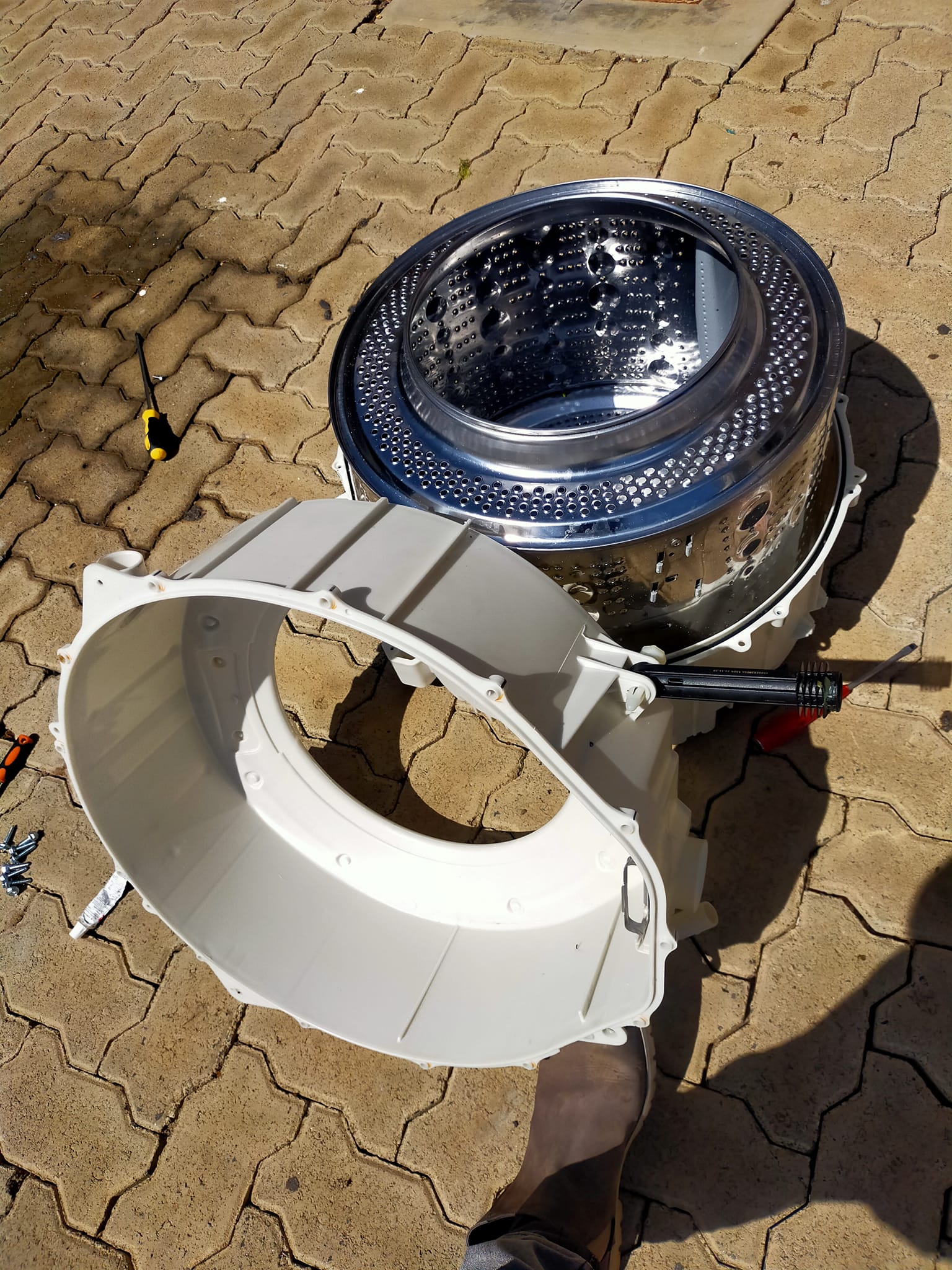
Front-load washing machines can suffer from corrosion around the drum spider assembly. This part supports the drum from behind. When it corrodes badly, the machine may start banging, vibrating, or making rough noises. In such cases, cleaning may not be enough. The spider may need replacement, and the technician may also inspect the bearings and seal.
Ovens and cookers can develop rust around the body, door edges, burner area, or inside the oven cavity. A professional will clean the affected area, remove grease and rust, and apply the correct heat-resistant coating where appropriate. For areas exposed to food or high heat, they must use safe materials.
Rusty screws, hinges, and brackets are also common. These may look small, but they affect how doors, panels, and covers work. A technician can remove stuck screws carefully, replace them with better-quality ones where possible, lubricate hinges, and make sure doors or panels sit properly again.
Corrosion on electrical terminals is one of the most serious problems. It can cause poor contact, overheating, sparks, or intermittent appliance failure. A professional will disconnect power, clean terminals with proper contact cleaner, inspect wiring, and replace damaged connectors if needed. This should not be handled casually.
Rust spreads if it is ignored. What starts as a small patch on a panel can become a hole. A weak bracket can break. A corroded hinge can fail. A rusty washing machine support can affect the drum. By the time the appliance becomes noisy, unstable, or unsafe, the repair may cost much more than early treatment.
Structural rust can cause serious damage. If a washing machine drum support corrodes badly, the drum may wobble and damage the outer tub. If a fridge compressor mount becomes weak, the compressor may vibrate more than it should. If cooker or oven rust spreads near heat areas, it may affect safety and performance.
Electrical corrosion is even more dangerous. Corroded terminals create resistance, and resistance creates heat. Over time, this can melt insulation, burn connectors, trip power, or create fire risk. This is especially important for appliances that draw high power, such as ovens, dryers, washing machines, and refrigerators.
Hiring an unverified person can also lead to poor results. Someone may simply paint over rust without removing it. The appliance looks fine for a few weeks, then the rust returns. Another person may use the wrong paint on a hot surface, creating fumes or peeling. Someone else may spray chemicals near electrical parts or food-contact areas without understanding the risk.
There is also the issue of fake parts, poor-quality coatings, and deposit scams. A person may ask for money to buy a replacement part, then disappear. Or they may use cheap materials that fail quickly. With no accountability, you are left paying again for the same problem.
Finding someone who understands rust treatment, appliance repair, and safe coating methods can be difficult. The Real Plug helps connect you with vetted service providers who offer Appliance Rust and Corrosion Treatment and other appliance maintenance services across Kenya. Instead of relying on random social media contacts or a handyman who says they can fix everything, you can search for Appliance Rust and Corrosion Treatment near me and find local professionals in Kenya who are ready to help.
Whether you are in Mombasa, Nairobi, Kiambu, Thika, Rongai, Machakos, Nakuru, Kisumu, Eldoret, Kasarani, Kilimani, or Pipeline, The Real Plug makes it easier to find technicians who can inspect rust, clean affected parts, apply protective coating, and replace severely corroded components where needed. You can explain the appliance type, where the rust appears, and whether there are other symptoms like noise, leaks, poor cooling, or electrical faults.
The benefit of using The Real Plug is accountability. Professionals listed on the platform know that customers care about honest diagnosis, fair pricing, quality work, and repairs that last. They also know their reputation matters, so they have a reason to remove rust properly instead of just covering it up.
For technicians who offer Appliance Rust and Corrosion Treatment, The Real Plug is a practical way to reach serious customers. Homeowners, landlords, restaurants, salons, small shops, Airbnb hosts, and property managers need professionals who can protect appliances from humidity, leaks, and long-term corrosion damage.
A small rust patch may not look urgent, but it is usually a warning sign. Once corrosion starts, moisture keeps feeding it unless the area is cleaned, treated, and protected. Early Appliance Rust and Corrosion Treatment can help extend the life of your appliance, improve safety, and prevent bigger repairs later.
Whether the rust is on your fridge, washing machine, oven, cooker, freezer, dryer, hinges, screws, panels, coils, or electrical terminals, a trained professional can inspect it properly and advise whether cleaning, coating, or replacement is the right solution.
Visit The Real Plug today to hire a trusted appliance maintenance professional who can handle Appliance Rust and Corrosion Treatment in your area.
If you are an experienced appliance repair technician with skills in rust removal, protective coating, and corroded part replacement, register on The Real Plug and connect with customers looking for reliable appliance maintenance services across Kenya.