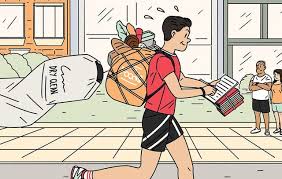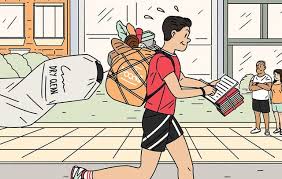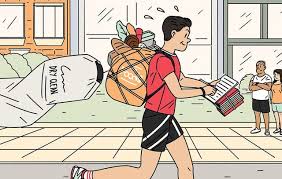


What starts as “let me just pass by town quickly” can easily become the whole day. You leave the house hoping to collect one document, pick up a small parcel, buy something from the market, or follow up at an office, then Nairobi does what Nairobi does. Traffic builds up near Westlands. The queue at Huduma Centre moves slowly. The person you were told to see has stepped out for lunch. By the time you are done, three other things you were supposed to handle have suffered.
That is the everyday frustration that has made errand running services in Kenya more useful than many people expected. They are no longer something people associate only with wealthy households or corporate executives. A parent in South B, a shop owner in Eldoret, a student in Rongai, a landlord living abroad, or a trader in Kisii can all reach a point where paying someone reliable to handle a task makes more sense than doing it personally.
At its heart, errand running is simple. You give a trusted person clear instructions, they handle the physical movement or follow-up for you, and they report back once the job is done. The work may be as small as buying medicine from a chemist or as detailed as checking prices in Kamukunji, collecting receipts, and arranging delivery. The value is not just in the errand itself. It is in the time, movement, and stress you avoid.
What Errand Running Services Mean in the Kenyan Context
In Kenya, errands are rarely as straightforward as they sound. A simple task can involve matatu connections, boda rides, phone calls, queues, photocopies, M-Pesa payments, security checks, and waiting for someone to “confirm from the system.” This is why errand running services in Kenya have developed in a very practical way. They are built around the realities of how people actually live, work, shop, and move around.
An errand runner is not just a delivery person. A courier usually collects an item from one place and takes it to another. A runner may do that, but they can also buy the item, confirm the price, compare options, send photos, queue, make payment, collect change, ask questions on your behalf, and give you feedback before moving to the next step. That flexibility is what separates errand services from ordinary parcel delivery.
Think of someone who needs a specific school sweater from town, a prescription from Hurlingham, and a gas refill delivered to an apartment in Kilimani. A courier may only help with one movement. A good runner can plan the route, make the stops, communicate with each shop, pay where needed, and bring everything back with receipts. For a busy person, that is not a luxury. It is relief.
Common Errands People Outsource in Kenya
The most common errands are the small ones that quietly eat into your day. Grocery shopping, pharmacy pickups, laundry collection, gas refills, water delivery, parcel drop-offs, school item delivery, and household shopping are everyday examples. A parent can be stuck in a meeting in Upper Hill when a teacher calls to say a child forgot their games kit. A runner can pick it from home and take it to school before the child misses the activity.
Businesses also use errand runners heavily, especially small businesses that cannot afford to lose hours moving around. A boutique owner in Meru may need someone to check fabric prices in Eastleigh. A hardware owner in Bungoma may want confirmation of door lock prices in Kamukunji before sending money to a Nairobi supplier. An online seller may need deliveries done across estates such as Ruaka, Kileleshwa, Donholm, Umoja, and Kitengela without leaving their stockroom.
Then there are document and office errands. These include collecting certificates, following up on applications, delivering tender documents, paying county fees, submitting forms, checking office requirements, or confirming whether a document is ready. Anyone who has spent time moving between government offices knows why people pay for this. Sometimes the errand itself is easy, but the waiting is what drains you.
How Errand Running Services Work from Start to Finish
Most errand jobs begin with a phone call, WhatsApp message, website inquiry, or direct booking. The client explains what needs to be done, where the runner should go, what should be collected or bought, and when the task should be completed. A serious runner will not simply say “send money.” They will ask questions so that the task is clear from the beginning.
For example, if the errand is shopping, the runner may ask for the exact item name, quantity, preferred brand, budget, shop location, and whether substitutes are allowed. If the task involves documents, they may ask for a reference number, authorization letter, ID copy, collection point, and contact person. If it is a delivery, they will confirm pickup and drop-off contacts, timing, packaging, and whether the recipient must sign or confirm receipt.
Once the details are clear, the runner gives a quote. This may include transport, waiting time, service fee, and any extra stops. If the runner needs to buy something, the client usually sends the purchase amount through M-Pesa. During the task, a professional runner sends updates. They may share photos from the shop, receipts, screenshots of payment, a short video of an item, or confirmation from the person who received the delivery.
The best runners understand that clients are not only paying for movement. They are paying for confidence. Nobody wants to keep calling every ten minutes wondering whether the person arrived, whether the shop was open, whether the price changed, or whether the parcel was delivered. Good communication is part of the service.
Types of Errand Runners You Will Find in Kenya
Independent runners
Independent runners are common in many towns and estates. Some operate through WhatsApp status, referrals, Facebook groups, Instagram pages, or neighborhood recommendations. You may see someone advertising errands around Rongai, Thika, CBD, Eastleigh, Gikomba, Nyamakima, or Kitengela. Many are hardworking people who have built trust one client at a time.
The advantage of independent runners is flexibility. You can negotiate, explain special instructions, and build a personal working relationship. The challenge is verification. Before sending money, documents, or valuable goods, it is wise to ask who has used them before, whether they have a business profile, and whether they can provide proof of identity or previous work.
Small errand businesses
Some errand providers operate as small businesses with several runners or riders. These are useful when tasks are regular or spread across different locations. For example, an Airbnb manager may need someone to restock toiletries, collect laundry, buy cleaning supplies, and deliver keys. A small team can handle such work better than one person who may already be committed elsewhere.
Small errand businesses may also be better for business clients because they can keep records, issue invoices, assign tasks, and respond even when one runner is unavailable. For SMEs, landlords, online sellers, and property managers, that consistency matters.
Vetted business listing platforms
There are also platforms where users can discover service providers instead of hiring blindly from random posts. The Real Plug is one example of a Kenyan platform where people can find vetted professionals and businesses across different service categories. For someone looking for errand running services in Kenya, this kind of platform can help reduce guesswork because you are not starting from an unknown contact with no background.
This matters most when the errand involves cash, documents, market sourcing, home access, or sensitive instructions. A cheap runner may look attractive, but when something goes wrong, the true cost becomes clear. A little verification before hiring can save you a lot of trouble later.
How Much Errand Running Services Cost in Kenya
There is no single price for errands in Kenya because no two tasks are exactly the same. A quick pickup within the same estate will not cost the same as moving from CBD to Karen, queuing for two hours, buying items, and making another stop on the way back. Distance, traffic, urgency, waiting time, and task complexity all affect the price.
In many urban areas, simple neighborhood errands may cost a few hundred shillings. Cross-town errands are higher because of transport and time. Tasks that involve waiting at offices, following up on documents, or checking prices in busy markets usually cost more. A runner who spends three hours at a counter or moving through Kamukunji is not just charging for fare. They are charging for time you did not have to lose.
Urgency also changes the cost. A planned morning errand is usually easier and cheaper than a last-minute request during evening traffic or when rain has started. Anyone who has tried getting a rider at 6 p.m. when it is raining knows that movement suddenly becomes expensive. The best approach is to agree on the fee before the runner starts, including transport, waiting time, purchase amount, delivery, and any extra stop.
Who Uses Errand Running Services in Kenya?
The people using errand runners are not all the same. Working parents use them when school, home, and work collide. A mother with a newborn may need medicine collected from a specific pharmacy. A father in a meeting may need a forgotten lunchbox taken to school. A family may need groceries delivered before visitors arrive in the evening.
Small business owners are another major group. If you run a shop, salon, hardware, boutique, mini-supermarket, or online store, leaving your business unattended can cost more than the errand fee. Instead of closing shop to go to town, many owners send runners to buy stock, confirm prices, deliver items, collect payments, or submit documents.
Diaspora Kenyans also rely on runners more than many people realize. Someone living in the UK, Qatar, Germany, or the US may need a person on the ground to check a construction site in Ruiru, confirm whether materials were delivered in Juja, pay a caretaker in Kitengela, or send photos of a rental property in Ruaka. For them, a trusted runner becomes their eyes and legs back home.
Tourists, students, landlords, Airbnb hosts, office workers, elderly people, and busy professionals all use errand services differently. The common thread is simple. They need something done physically, but they either cannot go, should not waste time going, or do not know the area well enough to handle it smoothly.
How to Hire an Errand Runner Safely
The trust issue cannot be ignored. Giving someone money, documents, shopping instructions, or access to your home requires caution. Kenya has many reliable runners, but like any service, there are also careless people and scammers. The safest way to start is with a low-risk task. Do not begin by sending a new runner with a large amount of money or sensitive documents.
Check whether the runner has reviews, referrals, a business page, a known location, or a platform profile. Ask clear questions before the job starts. How much will it cost? What does the fee include? What proof will they send? What happens if the item is unavailable? Will they return change immediately? These questions may feel small, but they prevent misunderstandings.
Instructions should also be specific. Instead of saying, “Buy shopping,” give a list with quantities and preferred brands. Instead of saying, “Check my document,” explain which office, which reference number, and what answer you need. A professional runner can only do a clean job when the client communicates clearly.
It is also important to respect boundaries. A good runner should not agree to illegal, suspicious, or risky tasks. They should not handle forged documents, misrepresent themselves, or enter private spaces without proper permission. Professionalism works both ways. The client must give honest instructions, and the runner must operate responsibly.
Why Errand Running Services Are Becoming Part of Everyday Life
Errand running services are growing because Kenyan life is busy, spread out, and often unpredictable. One person may work in Westlands, live in Athi River, have children in school in Lang’ata, and need supplies from CBD. Another may run an online shop from home while serving customers in several estates. Movement is part of life, but not every movement deserves your personal time.
Technology has also made the service easier. WhatsApp allows quick instructions and updates. M-Pesa makes payment simple. Google Maps helps with routing. Smartphones allow runners to send photos, receipts, videos, and live locations. What used to depend only on trust and phone calls can now be tracked more closely.
Still, the heart of errand running remains very local. It is about knowing where to go, who to ask, what time to arrive, which entrance to use, which queue moves faster, and when a shopkeeper is likely to have stock. That local knowledge is difficult to replace with an app alone. A good runner combines movement, patience, judgment, and common sense.
Making Errand Running Services Work for You
Errand running services in Kenya work best when you treat them as a practical time-management tool, not just an emergency option. If a task will cost you four hours, fuel, parking, stress, and lost work time, paying a reliable runner may be the wiser choice. This is especially true for repeat tasks like market sourcing, document delivery, school errands, grocery runs, property checks, and office follow-ups.
The important thing is to choose carefully. Work with people who communicate clearly, give fair pricing, provide proof, and handle tasks with respect. Start small, build trust, and keep your instructions precise. Once you find a dependable runner, you begin to see how many small burdens can be removed from your day.
Errand running services in Kenya are not about laziness. They are about using your time better in a country where one simple errand can easily become a full-day mission. Whether you are a parent, business owner, student, landlord, tourist, or professional, the right runner can help you get things done without being everywhere at once.