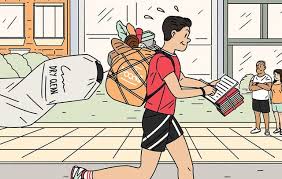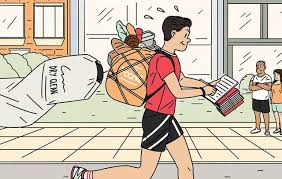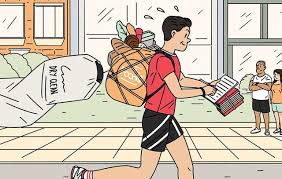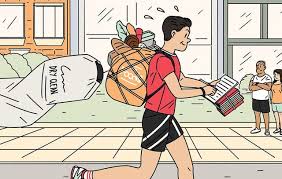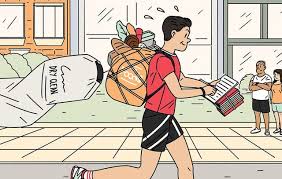


Nairobi has a funny way of swallowing your day before you even notice it. You leave the house thinking you’ll quickly collect a parcel in Industrial Area, pass by the bank, maybe pick up something in town, and still be back before lunch. Then traffic on Mombasa Road has other plans. A light drizzle turns Westlands into a slow-moving puzzle. Someone at the office you’re visiting says, “The person who stamps that document has stepped out kidogo.”
Just like that, a simple errand becomes a half-day mission.
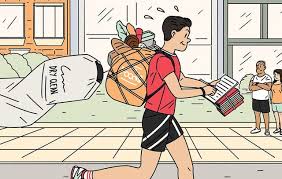
That is why errand running services in Nairobi have become more than a convenience. For many people, they are a practical way to survive the city’s pace. Whether you are a busy professional, a parent juggling school runs, a business owner, a tourist, or someone in the diaspora managing things back home, having a reliable person to handle tasks on your behalf can save time, energy, and unnecessary stress.
But Nairobi being Nairobi, not every person with a motorbike and WhatsApp number is someone you should trust with your documents, payments, shopping, or keys. The real question is not just who can run an errand, but who can do it properly, safely, and without giving you a headache.
Why Errand Services Make Sense in Nairobi
In a city like Nairobi, time is not just money. Sometimes, time is peace of mind. A task that looks simple on paper can turn complicated once you factor in traffic, queues, security checks, parking, weather, and the small delays that are almost part of city life.
Think of collecting documents from Upper Hill, dropping something in Kilimani, then paying a bill in the CBD. On a good day, that might take two hours. On a normal Nairobi day, it can easily stretch to four. And if it rains? Well, you know the story.
Errand runners step into that gap. They help with everyday tasks like parcel delivery, shopping, bill payments, document collection, school-related errands, hospital pickups, and market runs. For businesses, they can support small but important operations such as delivering invoices, collecting supplies, or moving items between branches.
The best errand running services in Nairobi do not just move from point A to point B. They understand how the city works.
What Makes a Good Errand Runner in Nairobi?
A good errand runner is not simply the fastest person on the road. Speed helps, of course, but reliability matters more. You want someone who picks your call, gives updates, follows instructions, and does not disappear when the errand becomes slightly complicated.
Nairobi errands often need common sense. GPS may show the route, but it will not tell a rider that a certain building in the CBD has no parking nearby, or that a back entrance in Westlands saves time. It will not know that some offices in Upper Hill require prior clearance at the gate, or that the queue at a government office can change completely depending on the day of the week.
Local knowledge is a serious advantage. A reliable runner knows shortcuts, peak traffic hours, common office procedures, and how to speak to receptionists, guards, shop attendants, and clerks without wasting time. That kind of experience is hard to fake.
Common Errands People Outsource in Nairobi
Most Nairobians start small. Maybe they need someone to collect a parcel from town or deliver documents across the city. But once they find a dependable runner, they often begin outsourcing more tasks.
Document delivery is one of the most common services. Businesses regularly need invoices, contracts, cheques, certificates, and signed papers moved between offices. Individuals may need someone to collect forms, drop off applications, or follow up with institutions.
Shopping errands are also popular, especially for people who do not have time to move around. This can include supermarket shopping, market runs in places like City Park, Gikomba, Toi, Marikiti, or Burma Market, and picking up specific items from shops in town.
Bill payments and queueing services are another big category. Some tasks still require someone to physically show up, wait, ask questions, make copies, or follow up. For people with tight work schedules, paying someone to handle that process can be worth it.
There are also more personal errands, such as collecting medicine, picking up dry cleaning, checking on a house, delivering forgotten items to school, or helping elderly parents with small tasks around the city.
App-Based Services vs Personal Errand Runners
Nairobi has different types of errand services, and each one fits a different need.
App-based delivery services are useful when the errand is simple and direct. You enter the pickup point, delivery point, and contact details, then track the rider. This works well for parcels, small items, food, and straightforward deliveries.
The challenge comes when the errand needs judgment. For example, if someone must queue, explain a situation, compare prices, bargain, or make a decision on your behalf, an app rider may not be the best fit. Many app-based services are built for delivery, not problem-solving.
Personal errand runners and assistant-style services are better for more involved tasks. These are the people who can follow several instructions, ask questions, send photos, wait in line, confirm details, and report back clearly. They may cost more, but for sensitive or complex errands, that extra accountability is often worth it.
This is where a vetted platform can be useful. For example, The Real Plug helps users find vetted professionals, including service providers who can support everyday needs in Kenya. For someone who does not want to rely only on random referrals or estate WhatsApp groups, that kind of screening can reduce the guesswork.
How Much Do Errand Running Services Cost in Nairobi?
Prices vary depending on distance, urgency, waiting time, weather, and the type of errand. A simple delivery within nearby areas may cost a few hundred shillings, while errands involving long distances, queues, shopping, or multiple stops will cost more.
For example, a basic parcel delivery from the CBD to Kilimani, Westlands, or Hurlingham may fall within an affordable local delivery range. Trips to areas like JKIA, Syokimau, Ruiru, Karen, or Athi River usually cost more because of distance and time.
Waiting time is another important factor. If a runner has to sit at a reception area, queue at an office, or wait for someone to finish preparing a package, they may charge extra. That is fair, as long as it is explained upfront.
For shopping errands, the cost may include the service fee, delivery fee, and the actual cost of goods. It is always wise to agree on a budget before the runner starts buying anything. Asking for receipts and photos is not being difficult; it is just good practice.
What to Check Before Hiring an Errand Runner
Trust is everything. A person running errands for you may handle money, private documents, house access, business items, or personal information. Do not treat that lightly.
Before hiring someone, check whether they are identifiable and reachable. Do they have a real name, ID details, business contact, or known platform profile? Can they provide references or reviews? Are they clear about pricing?
Communication is another major sign. A good errand runner updates you without being chased. They confirm pickup, share progress, report delays, and confirm completion. Silence is what makes people nervous, especially when money or documents are involved.
It is also better to start with a low-risk errand before trusting someone with important items. Let them handle a simple delivery first. See how they communicate, how they manage time, and whether they follow instructions.
Red Flags to Watch Out For
Some warning signs are easy to miss when you are in a hurry. Be careful if someone refuses to share basic identification, gives vague prices, avoids written instructions, or pressures you to send a large amount of money quickly.
Also be cautious with original documents. Passports, title deeds, logbooks, academic certificates, and sensitive business papers should only be handled by someone you fully trust. For high-value or irreplaceable items, use a registered courier or a properly vetted service.
If cash is involved, use M-Pesa records where possible. Direct payments to official paybill numbers are safer than sending large cash amounts through someone you barely know. For purchases, request receipts, photos, and clear confirmation before and after the transaction.
Nairobi teaches people to trust their instincts. If something feels off, pause.
Why Local Experience Matters
An errand runner in Nairobi needs more than movement. They need street sense. They should know when to avoid certain routes, where parking is difficult, how to handle building security, and which areas need extra caution at night.
A person who regularly runs errands in town will understand the difference between picking something up near Archives, inside a busy arcade, or from an office tower with strict access rules. Someone familiar with markets will know how to bargain without looking lost. Someone who handles hospital or pharmacy errands will know the importance of privacy and accuracy.
That practical knowledge is what separates a casual rider from a dependable errand professional.
Final Thoughts
Errand running services in Nairobi are not about laziness. They are about making smarter use of your time. If someone can save you three hours in traffic, queues, and back-and-forth calls, then paying for that service often makes sense.
The key is to choose carefully. Look for reliability, clear pricing, good communication, local experience, and trust signals. Start small, keep records, and build relationships with people who prove themselves.
In a city where one “quick errand” can turn into an entire afternoon, having a reliable runner is not just convenient. It is a small Nairobi life hack worth keeping close.