

Gikomba is one of those places almost every Kenyan has heard about, even if they have never been there. It is famous for mitumba clothes, shoes, bags, household items, bedding, and all kinds of affordable stock that later shows up in shops across the country. For many small businesses, Gikomba is where the real sourcing begins.
But let’s be honest. Traveling to Nairobi just to shop in Gikomba is not always practical. If you are in Mombasa, Kisumu, Eldoret, Kitale, Garissa, or even outside Kenya, the trip can be expensive and exhausting. You have to think about fare, accommodation, meals, time away from work, and then the stress of moving around a busy market you may not know well.
The good news is that you can buy from Gikomba Market without traveling to Nairobi. Many traders now do it through trusted runners, online suppliers, WhatsApp updates, group buying, and courier delivery. It is not perfect, but with the right process, it can work very well.
Why People Buy From Gikomba Remotely
Gikomba attracts buyers because of variety and price. If you are looking for mitumba bales, camera clothes, children’s wear, shoes, jackets, bags, curtains, or household items, chances are you will find several options there.
For shop owners outside Nairobi, the savings can be significant. A bale bought in Gikomba may be resold in another town at a higher price because the local seller has already added transport, labour, and profit. If you can source closer to the market, your margins improve.
Remote buying also saves time. Instead of closing your shop for two days to travel, you can send instructions, confirm stock on video, pay, and receive your goods through a courier or bus parcel service.
That said, Gikomba is not a simple market. Prices change, quality varies, and not every seller is honest. This is why the person helping you on the ground matters.
Use a Trusted Gikomba Runner
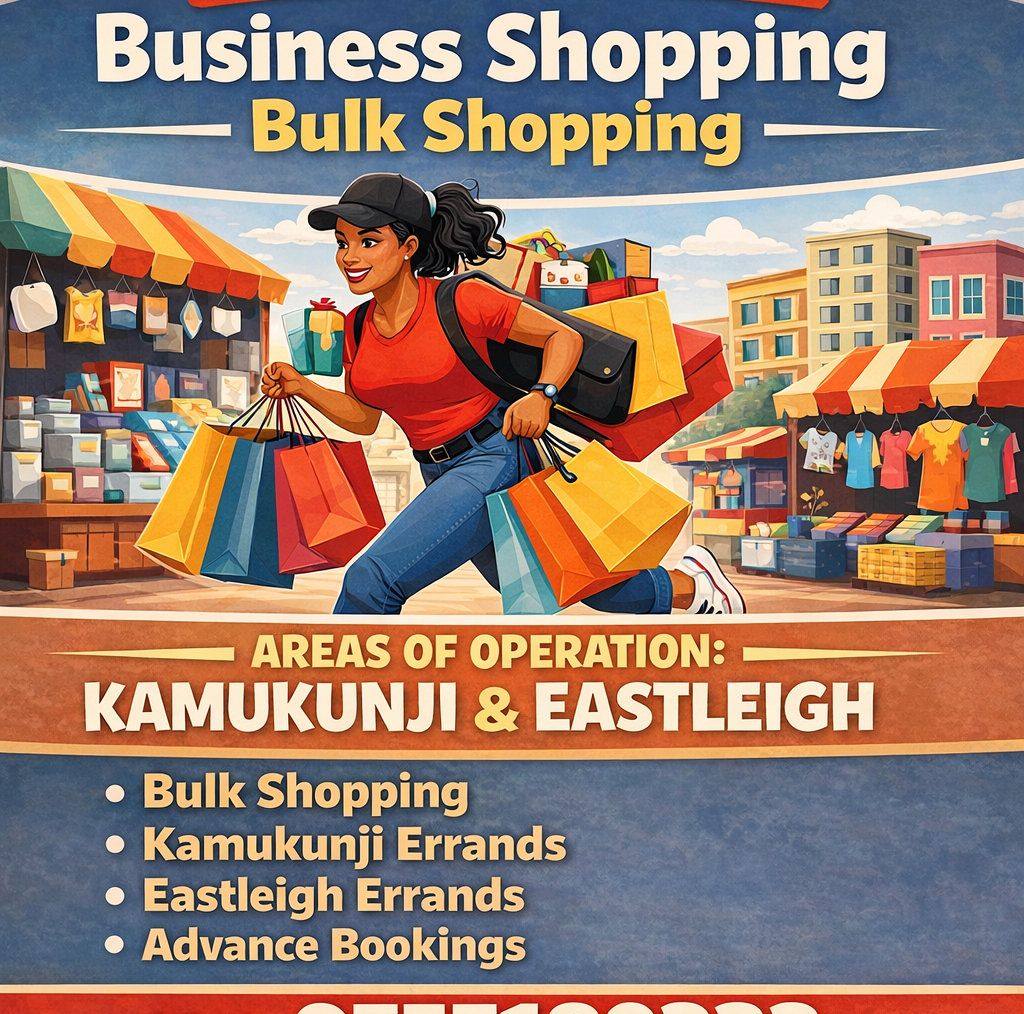
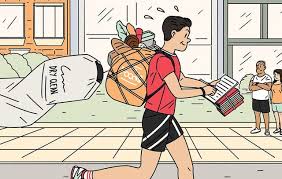
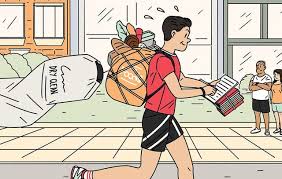
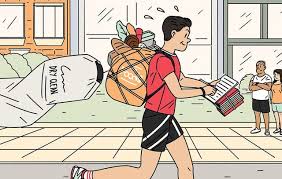
The most common way to buy from Gikomba without going there is by using a runner or personal shopper. This is someone who physically goes to the market, checks the items, negotiates, buys, packs, and dispatches them to you.
A good Gikomba runner knows where to find different categories of stock. They understand the difference between camera clothes, first grade, second grade, and mixed-quality bales. They can also help you avoid overpriced or poor-quality goods.
Before trusting a runner, test them with a small order. Do not send a large amount of money to someone you just found online. Ask for live photos, short videos, or a video call from the market. A serious runner should be able to show you the actual items before you pay.
For buyers who do not have referrals, The Real Plug can be a useful place to find vetted professionals who handle errands and sourcing in Nairobi. It adds a layer of accountability, which is important when you are sending money and trusting someone to shop on your behalf.
Buy From Online Gikomba Suppliers
Many Gikomba traders now sell through WhatsApp, Instagram, Facebook, and Telegram. They post videos of available bales, shoes, bags, jackets, or household items, then dispatch orders after payment.
This method is convenient because the supplier already has stock ready. You do not need to send a runner around the market comparing prices. You simply choose from what is available, pay, and wait for delivery.
The downside is that prices may be slightly higher than what you would get if you were physically bargaining in the market. You are paying for convenience, photos, communication, packing, and dispatch.
Before buying from an online supplier, check their history. Do they post regularly? Do they have real customer feedback? Are they willing to send current videos, not recycled clips? Can they provide parcel details after dispatch? If someone pressures you to pay immediately without giving enough information, take a step back.
Try Group Buying or Shared Shipping
Group buying is another smart way to buy from Gikomba remotely. This works well for traders in the same town or people buying similar items. Several buyers combine orders, send one runner, and share transport costs.
For example, if shipping one bale costs KSh 1,200, one person pays the full amount alone. But if six buyers combine goods, the transport cost becomes much lighter for each person. This is why some chamas and WhatsApp groups organize Gikomba runs together.
Group buying can be useful, but it needs trust. Make sure the coordinator is known, organized, and transparent. They should share receipts, photos, order lists, and delivery details. Avoid groups where money is collected casually without records.
Be Clear About What You Want
Remote buying fails when instructions are vague. Saying “Buy nice shoes” or “Send good dresses” leaves too much room for mistakes. What looks good to the runner may not suit your customers.
Be specific. Mention sizes, colours, gender, age group, grade, quantity, budget, and the type of quality you expect. If you are buying mitumba bales, ask about the category, origin, estimated number of pieces, and whether the bale is sealed.
Photos help a lot. Send examples of what you want, especially if you are buying for resale. If your customers prefer official shirts, children’s denim, trench coats, handbags, or ladies’ tops, show the runner exactly what has sold well before.
The clearer your instructions, the easier it is for the person in Gikomba to get the right stock.
Understand Quality Before You Pay
Quality is the biggest concern when buying from Gikomba remotely. You cannot touch the fabric, inspect every shoe, or smell a bale for dampness. So you need to use video and clear questions.
Ask the runner or supplier to show the actual items, not samples from another day. For clothes, request close-up videos of the fabric, labels, stitching, and any visible defects. For shoes, ask them to show soles, sizes, and pairs clearly. For bales, ask whether it is sealed and what grade it is.
Also, understand that mitumba grading can vary. One trader’s “Grade A” may not match another trader’s standard. That is why it helps to work with the same reliable supplier or runner over time. They learn your expectations, and you learn what their descriptions really mean.
Plan for Transport and Delivery
After buying, your goods need to leave Nairobi safely. Many buyers use bus parcel services, courier companies, or logistics firms depending on location and budget.
For towns along major routes, bus parcels are common and affordable. Courier companies may cost more but can offer better tracking and handling, especially for high-value or fragile items.
Always ask for the parcel receipt, tracking number, vehicle details, or dispatch confirmation immediately. Before the goods leave Nairobi, request a photo of the packed parcel with your name and destination clearly written on it.
Packaging also matters. Clothes and bales may be packed in sacks, but shoes, bags, or breakable household items may need stronger packaging. Paying a little extra for proper packing can save you from losses.
Watch Out for Red Flags
Remote buying is convenient, but scams do happen. Be careful with sellers or runners who refuse video calls, use stolen photos, keep changing prices, or rush you to pay before you are comfortable.
Also avoid anyone who cannot explain where they are sourcing from or how they will dispatch your goods. A genuine supplier should be able to answer basic questions clearly.
Start small, especially with new contacts. Keep screenshots of chats, payment confirmations, receipts, and delivery details. If anything feels rushed or unclear, pause before sending money.
Is Buying From Gikomba Remotely Worth It?
For many business owners, yes. If you buy regularly or in bulk, remote sourcing can save transport costs, time, and energy. It allows someone in Kisumu, Malindi, Eldoret, Nakuru, or even abroad to access Gikomba stock without making the physical trip.
It may not be worth it for one small personal item unless you already have a trusted contact. But for shop owners, online thrift sellers, boutique owners, and resellers, the savings and convenience can be meaningful.
The secret is to build a system. Use trusted people, give clear instructions, confirm quality before payment, and keep records. Over time, remote buying becomes easier because your runner or supplier understands exactly what you need.
Final Thoughts
You no longer have to travel to Nairobi to benefit from Gikomba Market. With runners, online suppliers, group buying, mobile money, and courier services, the market has stretched far beyond Pumwani.
Still, do not rush. Gikomba rewards people who ask questions, compare options, and build trust slowly. Start with a small order, learn the process, and grow from there.
Whether you are running a mitumba business in Kakamega, stocking shoes in Mombasa, or buying for relatives from abroad, remote sourcing can work. You just need the right contact, clear communication, and a careful eye.