

For many business owners outside Nairobi, the city is not just the capital. It is where the stock comes from. A shopkeeper in Kisii, a boutique owner in Eldoret, a hardware dealer in Meru, or a small supermarket in Kitale may all depend on Nairobi markets in one way or another.
Kamukunji, Gikomba, Eastleigh, Nyamakima, Industrial Area, and OTC supply goods that later end up on shelves across the country. Clothes, shoes, kitchenware, cosmetics, electronics, hardware items, textiles, household goods, and food products often pass through Nairobi before reaching county towns.
The challenge is simple: how do you keep your business stocked without traveling to Nairobi every week?
For most upcountry traders, the answer is a mix of relationships, planning, trusted runners, transport networks, and a bit of street wisdom. It is not always smooth, but when done well, it can save time, reduce costs, and keep customers coming back.
Why Nairobi Remains the Main Sourcing Hub
Nairobi has something most other towns do not have in the same concentration: wholesalers, importers, manufacturers, transport companies, and busy open-air markets all operating close to each other. That makes it easier to compare prices, source different products, and dispatch goods quickly.
If you need household goods, Kamukunji is a common stop. For mitumba bales and second-hand clothes, many traders look toward Gikomba. Eastleigh is popular for clothing, fabrics, cosmetics, bags, and imported goods. Nyamakima is known for electronics, spare parts, hardware items, and general merchandise. Industrial Area serves businesses looking for factory-direct supplies, packaging, food products, and bulk materials.
Another reason Nairobi works is transport. Every day, buses, matatus, lorries, and courier companies leave the city for towns across Kenya. Goods bought in the morning can often be dispatched the same day to Nakuru, Kisumu, Eldoret, Kisii, Meru, Mombasa, Busia, or Garissa.
For a business owner, that speed matters. Empty shelves mean lost sales.
Personal Trips Still Matter
Many upcountry business owners still prefer to travel to Nairobi themselves, especially when buying high-value stock or choosing items where quality varies. Seeing goods with your own eyes gives confidence. You can touch fabrics, inspect shoes, compare suppliers, bargain directly, and notice small details that photos may not show.
Personal trips also help build relationships with suppliers. A trader who sees you regularly may give you better prices, alert you when new stock arrives, or reserve fast-moving items for you. In markets like Kamukunji, Gikomba, and Eastleigh, relationships can be just as important as money.
But traveling has costs. Fare, meals, accommodation, transport within Nairobi, and time away from your shop all add up. Closing your business for two days can be expensive, especially if you do it often.
That is why many traders travel occasionally for big purchases, then use other sourcing methods for regular restocking.
Using Trusted Runners and Sourcing Agents
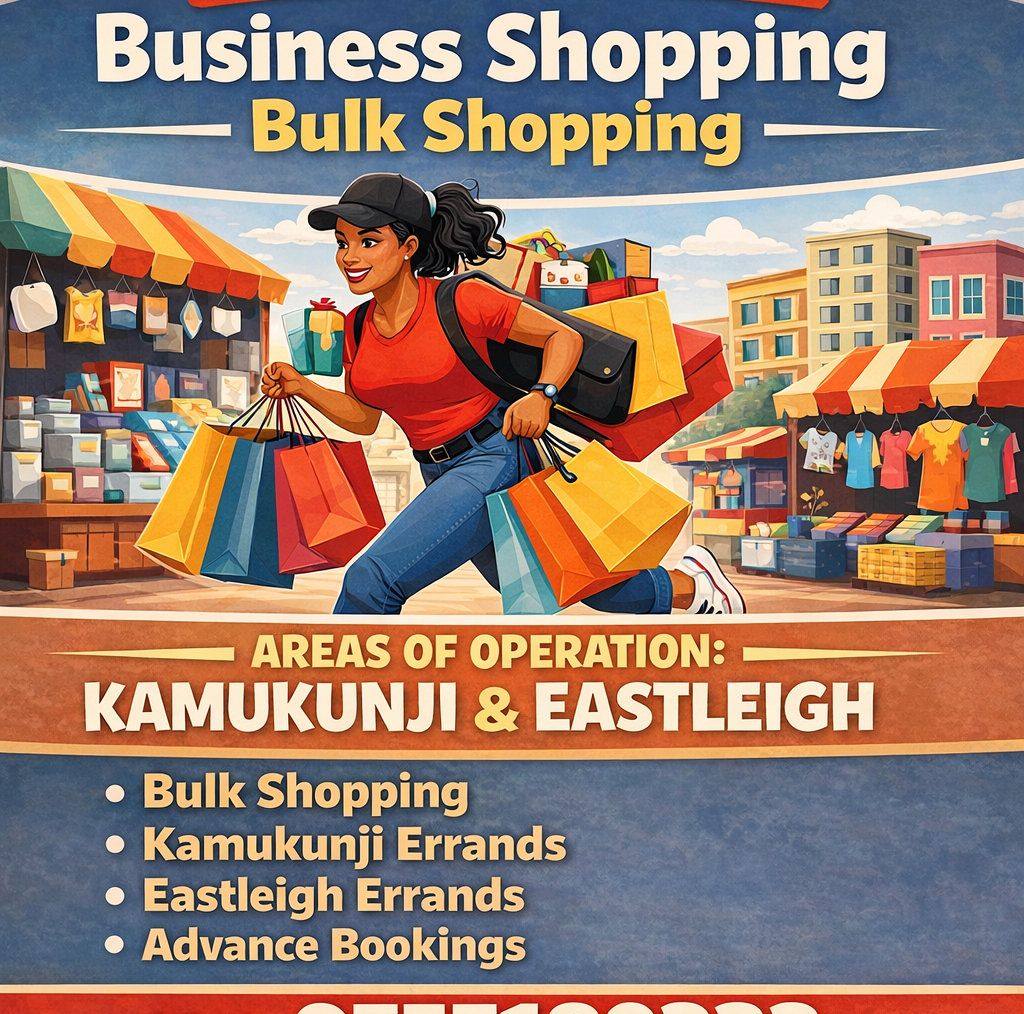
Runners have become a lifeline for many upcountry businesses. These are Nairobi-based people who visit markets on your behalf, check prices, inspect goods, negotiate, buy, pack, and send the items to your town.
A good runner does more than carry bags. They understand markets. They know where to find better-quality kitchenware in Kamukunji, which stalls in Gikomba have decent bales, which shops in Eastleigh are reliable, and how to avoid inflated prices meant for first-time buyers.
Trust is the main issue. You may be sending money to someone far away, hoping they buy exactly what you asked for. That is why it is important to work with people who are known, reviewed, or vetted. Platforms like The Real Plug can help connect business owners with vetted professionals who handle errands, sourcing, and other practical services in Kenya. For someone restocking from another county, that extra layer of accountability can be useful.
Still, start small. Test a runner with a manageable order before trusting them with a large amount of stock.
Buying Directly From Suppliers
Once a business has grown, many owners start dealing directly with Nairobi suppliers. This works well for standard products such as cosmetics, packaged food, plastic goods, hardware items, electrical fittings, stationery, and factory-made products.
A supplier can send photos, confirm prices, pack the order, and dispatch through a courier or bus company. Some wholesalers now handle orders through WhatsApp Business, making repeat purchases easier.
This method saves time, but it works best when the goods are predictable. If you are buying the same brand of lotion, the same size of plastic basin, or the same type of cement accessory, direct supplier ordering is simple.
For items like clothes, shoes, bags, or mitumba bales, quality can vary. In such cases, many traders still prefer sending a runner to inspect the goods before payment or dispatch.
Group Buying and Trader Chamas
Some upcountry traders reduce costs by buying together. A group of shop owners in one town may combine orders, send one runner to Nairobi, and share transport costs.
This is common among traders selling similar goods. Boutique owners may source from Eastleigh together. Hardware dealers may combine orders from Nyamakima. Market traders may pool money for goods from Kamukunji or Gikomba.
Group buying helps smaller businesses access wholesale quantities they may not afford alone. It also reduces the cost of transport per person.
However, it needs honesty and organization. Everyone must pay on time, orders must be recorded clearly, and one person should coordinate communication. Without structure, group buying can easily lead to disagreements.
Transport Is Part of the Sourcing Strategy
Buying goods is only half the job. Getting them safely from Nairobi to your town is just as important.
Upcountry traders use bus parcel services, matatu saccos, courier companies, lorries, and private transport depending on the type of goods. Small parcels can go by courier. Bulky goods may go by bus or truck. Fragile stock needs better packaging and careful handling.
Experienced traders know which transport options are reliable for their route. They know which buses leave early, which courier handles fragile goods better, and which lorries are safer for heavy stock.
A cheap transport option is not always the best. Saving a few hundred shillings means little if goods arrive broken, delayed, or missing.
Hidden Costs Upcountry Traders Must Watch
Sourcing from Nairobi involves more than the buying price. Smart business owners calculate the full cost before deciding whether a deal is worth it.
Transport is one cost. Packaging is another. There may also be runner fees, waiting charges, loading fees, offloading fees, storage charges, or boda costs when collecting goods in town.
Damage is another hidden cost. Glassware can break. Fruits can bruise. Clothes can get wet if poorly packed. Electronics can be mishandled. A good sourcing system should include proper packaging and clear dispatch instructions.
Price changes also matter. Nairobi market prices can shift quickly depending on supply, demand, fuel costs, exchange rates, and shipment delays. A trader using last month’s price may underquote customers and lose money.
How Successful Upcountry Businesses Stay Organized
The businesses that grow usually treat sourcing like a system, not a random errand. They keep supplier contacts, save receipts, compare prices, and record what sells fast.
They also document everything. Photos before dispatch, payment confirmations, parcel receipts, and WhatsApp chats can prevent confusion later. If goods arrive short or damaged, records make it easier to follow up.
Successful traders also avoid depending on one supplier. They build several contacts for the same product line. If one supplier runs out of stock or increases prices, they have alternatives.
Most importantly, they communicate clearly. A runner or supplier should know the exact product, quantity, size, colour, budget, and delivery preference before buying anything.
Finding Reliable Help From Nairobi
For a trader in Kisumu, Kakamega, Kericho, Malindi, or Nyahururu, having a reliable Nairobi contact can change how the business operates. It means fewer emergency trips, faster restocking, and better use of time.
Ask other traders for referrals, but do not rely on word of mouth alone. Test the person. See how they communicate, whether they send photos, whether they provide receipts, and whether they follow instructions.
A good sourcing contact should update you without being chased. They should be honest about prices, delays, stock shortages, and transport options. You want someone who treats your money carefully because they understand it is working capital, not loose cash.
Final Thoughts
Upcountry businesses will continue sourcing from Nairobi because the city remains Kenya’s biggest supply hub. What has changed is how traders do it. You no longer have to travel every week to stay stocked.
With reliable suppliers, trusted runners, clear records, and good transport planning, a business in Kitale, Kisii, Eldoret, Meru, or Mombasa can buy from Nairobi markets without constant trips.
The goal is not just to get cheap goods. It is to build a dependable supply chain that keeps your shelves full, your customers satisfied, and your business moving.