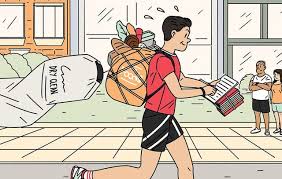


Owning rental property in Kenya sounds simple until the phone starts ringing. A tenant in Embakasi says the water pump has stopped working. The caretaker in Kitengela is not picking up. Someone in your Ruaka bedsitter has moved out and left the keys with a neighbour. Meanwhile, you are in Nakuru, Kisumu, Mombasa, or even abroad, trying to handle everything through phone calls and WhatsApp.
That is the part people do not always talk about when discussing rental income. Property can be a good investment, yes, but managing it from a distance takes patience, trusted contacts, and quick follow-up.
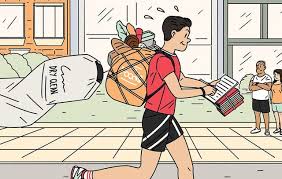
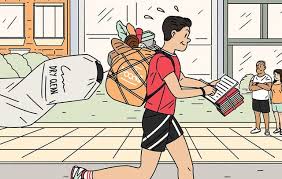
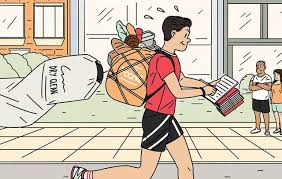
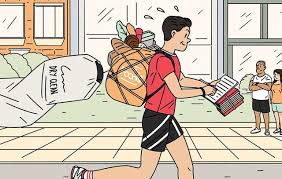
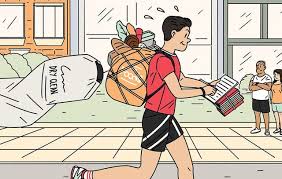
This is why more landlords are using errand runners to manage small but important property tasks. They are not replacing caretakers or property managers. They are simply helping landlords get things done on the ground when travelling is not practical.
The Challenge of Managing Property From Far Away
Remote property management in Kenya can be stressful because many issues need someone physically present. You can send money for repairs, but who confirms the plumber actually fixed the leak? You can ask a caretaker for photos, but what if they delay or give unclear updates? You can call a tenant, but they may only tell you their side of the story.
For small landlords, hiring a full property management company may feel expensive. Property managers are useful, especially for large apartment blocks, but their monthly fees can eat into income if you only own a few units.
Caretakers are helpful too, but their role is often limited. Some collect rent, clean common areas, open gates, or report issues. They may not have the time, skills, or accountability to handle paperwork, inspections, repairs, supplier follow-ups, or county office visits.
Errand runners fill that gap. They offer flexible help when you need someone to go, check, collect, deliver, confirm, or follow up.
What Landlords Use Errand Runners For
One common task is property inspection. When a tenant moves out, a landlord needs to know the condition of the unit. Are the walls damaged? Is the sink working? Are there broken tiles, missing fittings, or unpaid bills? A runner can visit, take photos and videos, record meter readings, collect keys, and send a clear report.
Runners also help with repairs. If a tenant reports a burst pipe, faulty socket, leaking roof, or blocked drain, the runner can meet the fundi, confirm the issue, get a quote, and supervise the work after approval. This is especially useful when the landlord does not want to rely only on verbal updates.
Document errands are another big area. Landlords may need help with land rates, county offices, KRA-related paperwork, title searches, lease documents, demand letters, or utility follow-ups. Some of these tasks still require someone to queue, submit papers, collect receipts, or visit offices in person.
Errand runners can also deliver notices, keys, receipts, padlocks, meter tokens, or small repair materials. For landlords with tenants who are not comfortable with online processes, a runner can help bridge that gap while keeping records.
Why Runners Are Useful for Diaspora Landlords
For Kenyans living abroad, managing rental property back home can be even more complicated. Time zones, distance, and unreliable updates can turn small problems into costly delays.
A landlord in Dubai, London, Doha, or the US cannot fly in because a tenant moved out or a water bill was not paid. They need someone they can trust to confirm what is happening on the ground.
A reliable runner can send videos, collect receipts, meet service providers, check vacant units, supervise cleaning, and confirm when a new tenant has moved in. This gives the landlord a clearer picture instead of depending on rumours, rushed calls, or incomplete photos.
For diaspora landlords, accountability matters a lot. Platforms like The Real Plug can help connect property owners with vetted professionals who handle errands, inspections, and practical support services. When money, tenants, and property access are involved, working with someone vetted is much safer than using a random contact.
How Much Do Property Errands Cost?
Property errands usually cost more than simple parcel delivery because they take more time and responsibility. The price depends on location, distance, waiting time, and the complexity of the task.
A simple delivery within the same area may cost a few hundred shillings. A property inspection with photos and a written update may cost more, especially if the runner has to travel across town. Supervising repairs, waiting for a fundi, or queuing at a government office can attract a half-day rate.
Some landlords prefer paying per task. Others arrange a monthly retainer with a trusted runner, especially if they have several units or frequent issues. This can be cheaper than travelling regularly or paying full property management fees when the workload is light.
The important thing is to agree on the fee before the task starts. Clarify whether transport, waiting time, printing, photocopying, parking, or courier charges are included.
How to Work With an Errand Runner Safely
Clear instructions are everything. A runner should know exactly what they are going to do, who they are meeting, what they should check, and what proof you expect.
For inspections, ask for photos and videos of specific areas such as floors, walls, bathroom fittings, kitchen sink, ceiling, doors, windows, sockets, and meters. For repairs, ask for before-and-after photos, fundi quotes, receipts, and confirmation from the tenant.
Avoid giving a runner full decision-making power too early. They can inspect and report, but they should not approve expensive repairs or negotiate rent changes without your permission.
Payments should be traceable. Use M-Pesa, bank transfers, or official paybill numbers where possible. If cash must be handled, ask for receipts and written confirmation.
It is also wise to inform tenants before sending anyone. A simple message saying, “I have sent John, ID number ending 123, to inspect the kitchen leak at 2 p.m.” avoids confusion and protects everyone.
Errand Runners vs Property Managers
Errand runners do not replace professional property managers. If you own a large building, have many tenants, or need full rent collection, tenant screening, maintenance planning, and legal support, a property manager may still be the better option.
But for small and mid-sized landlords, runners offer flexibility. You only pay when a task needs to be done. This works well for landlords who already manage rent collection digitally but need occasional physical support.
Think of the runner as part of your support team. The caretaker handles daily matters. The fundi handles repairs. The runner confirms, follows up, documents, and moves things where needed.
Building a Reliable Property Support System
The landlords who manage remotely with less stress usually have a simple system. They keep contacts for a trusted runner, plumber, electrician, cleaner, caretaker, and transport provider. They also keep digital records of payments, tenancy agreements, receipts, meter readings, and inspection photos.
When something happens, they do not start looking for help from scratch. They already know who to call.
Start with small errands before trusting someone with sensitive work. Let them deliver a notice, check a vacant unit, or collect a receipt. If they communicate well and provide proper documentation, you can gradually assign bigger tasks.
Trust is built over time, not assumed in one phone call.
Final Thoughts
Managing rental property remotely in Kenya will always come with surprises. Tenants will call at odd hours. Repairs will come up when you least expect them. County offices will delay. Caretakers may not always give full updates.
Errand runners make the process easier by giving landlords reliable support on the ground. They help with inspections, repairs, paperwork, deliveries, utility follow-ups, and small tasks that would otherwise require travel.
For landlords in Nairobi, upcountry, or abroad, the goal is not to be everywhere at once. It is to build a dependable system so your property keeps running even when you are far away.