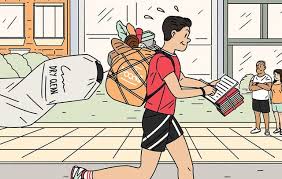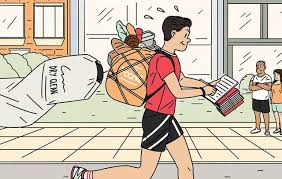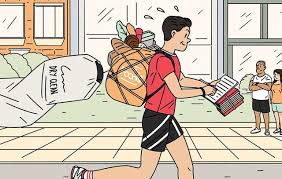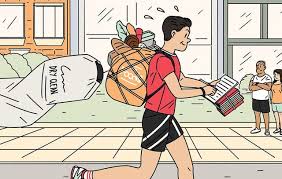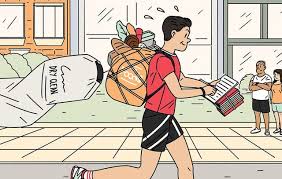


Owning an Airbnb in Kenya while living abroad can look easy from the outside. You list your apartment in Kilimani, Diani, Nanyuki, Westlands, or Nyali, guests book, money comes in, and the property “works for you.” That is the nice version people like to talk about.
The real version has a few more moving parts.
A guest checks in late and cannot find the key. The cleaner has a family emergency on the same day another guest is arriving. KPLC tokens run out on Sunday evening. The Wi-Fi stops working just as a guest is preparing for an online meeting. And because you are in London, Dubai, Doha, Toronto, or Minneapolis, what is daytime in Kenya may be the middle of the night for you.
Still, many Kenyans in the diaspora are managing short-term rentals successfully. The difference is not luck. It is having proper systems and reliable people on the ground.
Remote Airbnb Hosting Is Not Passive Income
Airbnb income can be attractive, especially in areas with strong demand from business travellers, tourists, digital nomads, families, and local guests looking for short stays. Nairobi neighbourhoods like Kilimani, Westlands, Kileleshwa, Lavington, and South B are popular. At the Coast, Diani, Nyali, Bamburi, and Watamu attract holiday guests. Nanyuki and Naivasha also do well with weekend travellers.
But short-term rental income needs active management. Unlike a long-term tenant who stays for a year, Airbnb guests come and go frequently. Every stay needs cleaning, communication, check-in support, maintenance, and review management.
When you live abroad, small issues can feel bigger because you cannot simply drive over and fix them. That is why treating the property like a real hospitality business matters.
Build a Reliable Team on the Ground
The most important part of remote Airbnb management is your local team. At minimum, you need someone who can act as a co-host, a reliable cleaner, and trusted repair contacts.
Your co-host is the person who handles guest issues when you are unavailable. They may help with check-ins, restocking, inspections, emergency calls, cleaner coordination, and small purchases. Some owners use relatives, but that only works if the person is dependable and treats the role seriously. Family help can become complicated when expectations are not clear.
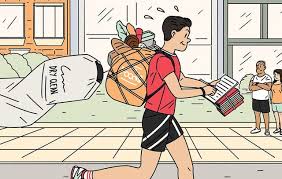
Professional co-hosts or errand runners are often better because they understand that this is a job. They know guests expect quick responses, clean spaces, working utilities, and smooth check-ins.
This is where The Real Plug can be useful. It connects users with vetted professionals, including people who support property errands, cleaning, maintenance, and management tasks. For a diaspora host without trusted local contacts, starting with vetted help is much safer than relying on random referrals.
Your Cleaner Is More Important Than You Think
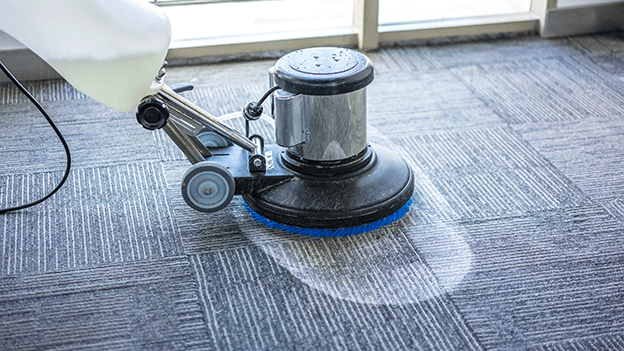
For Airbnb, cleaning is not just sweeping and mopping. It is part of the guest experience. A clean house can protect your reviews. A poorly cleaned one can ruin them quickly.
A good cleaner should know how to reset the space after every guest. That means changing bedding, cleaning bathrooms properly, wiping surfaces, checking the fridge, replacing toilet paper, and confirming that towels, remotes, utensils, and small appliances are still there.
Many remote hosts ask cleaners to send photos after every turnover. This helps confirm the house is ready before the next guest arrives. It also helps you notice missing items, stains, damage, or low supplies.
Pay cleaners fairly and on time. A reliable cleaner who respects your property is worth much more than the cheapest option available.
Use Smart Tools, But Keep Human Backup
Technology can make remote hosting easier, but it cannot replace a person on the ground.
Smart locks or lockboxes help guests check in without needing a physical key handover. This is especially helpful for late-night arrivals. Just make sure your co-host has a backup key in case the lock battery dies or the guest enters the wrong code too many times.
Automated Airbnb messages are also useful. You can schedule check-in instructions, Wi-Fi details, house rules, and check-out reminders. But guests still need a real person when something goes wrong. A leaking tap, power issue, or locked gate cannot be solved by an automated message.
Outdoor security cameras, placed only in allowed common or entrance areas, can help confirm check-ins, cleaner arrivals, and guest movement. Always disclose cameras clearly in your listing and never place them inside private spaces.
Keep Utilities Ahead of Problems
Nothing annoys guests faster than running out of power, water, or internet. In Kenya, these issues can happen even in good apartments, so prevention is better than apology.
Keep KPLC tokens topped up with a buffer. If the property uses prepaid water, monitor that too. Internet should be paid early, and your co-host should know how to restart the router if needed.
It also helps to keep basic backup items in the house. Extra bulbs, batteries, toilet paper, soap, drinking water, and a spare extension cable can save guests from small frustrations.
Guests may forgive a problem if it is handled quickly. They are less forgiving when nobody responds.
Create a Clear Guest Experience
Guests do not care whether you are in Canada or Qatar. They booked a place in Kenya, and they expect it to work.
A simple house manual can reduce repeat questions. Include the Wi-Fi password, hot shower instructions, check-out process, garbage disposal rules, parking details, emergency contacts, and your co-host’s phone number.
For apartments, include rules about security, lifts, noise, visitors, and caretaker instructions. Kenyan apartment blocks can be strict, and guests need to know what is acceptable before problems arise.
Your co-host’s number should be easy to find. When a guest has an urgent issue, they want a local person who can respond quickly.
Handle Money Transparently
Airbnb handles the main booking payments, but other costs still come up. Late check-out fees, transport arrangements, extra cleaning, repairs, restocking, and emergency purchases all need a clear system.
Some hosts keep a separate M-Pesa line or till for the property. Others send money per task. Whichever method you choose, keep records. Receipts, screenshots, shared spreadsheets, and photos help avoid confusion.
Agree in advance on what your co-host can spend without asking. For example, you may allow them to approve small repairs up to a set amount. This avoids delays when a guest needs a quick fix and you are asleep in another time zone.
Stay on Top of Licensing and Taxes
Short-term rentals in Kenya are becoming more regulated. Before listing your property, confirm whether the apartment management allows Airbnb or short stays. Some buildings do not allow them because of security, noise, or resident complaints.
You should also understand county requirements, tourism-related licensing, and KRA tax obligations. Rental income should be declared properly, and short-term rental rules can vary depending on location and property type.
If you live abroad, a local accountant or property professional can help with filings and documentation. Since this may involve your KRA PIN, ID, and property documents, only work with someone you trust.
Plan for Emergencies Before They Happen
Something will eventually go wrong. A guest may lose keys. A tap may burst. The cleaner may fail to show up. A neighbour may complain about noise.
The best remote hosts prepare for these situations before they happen. Have backup cleaners. Save contacts for a plumber, electrician, internet technician, and general handyman. Give your co-host clear authority for urgent situations.
Also create a simple escalation system. What should the co-host handle alone? What requires your approval? When should a guest be refunded or moved? These decisions are easier when agreed on before emotions are high.
Is Remote Airbnb Management Worth It?
For many diaspora property owners, yes. A well-managed Airbnb in the right location can earn more than a long-term rental. But it also requires more attention, better systems, and stronger local support.
It is not truly passive income. It is a business you manage through trusted people.
The owners who succeed are the ones who invest in good cleaners, reliable co-hosts, regular maintenance, proper communication, and clear records. They do not try to control every small decision from abroad. They build a system that works even when they are asleep.
Final Thoughts
Managing an Airbnb property in Kenya while living abroad is possible, but it cannot run on hope alone. You need dependable people, clear processes, smart tools, and regular follow-up.
Start by finding one reliable person on the ground, then build around them. Add a good cleaner, trusted repair contacts, clear guest instructions, and a simple money-tracking system.
With the right setup, your Airbnb can keep running smoothly whether you are in Nairobi, London, Dubai, or anywhere else. The goal is not to avoid every problem. It is to make sure every problem has someone ready to handle it.