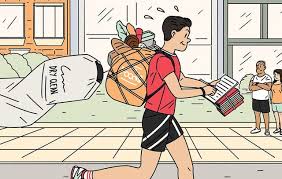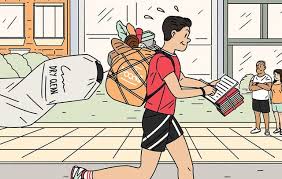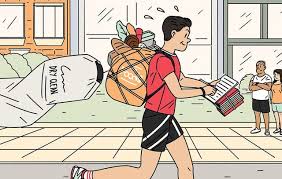


You send the M-Pesa. The person replies, “Nimepata, niko njiani.” Then twenty minutes pass. Then one send updates without being pushed. They will tell you when they have picked the item, when they are on the way, and when delivery is complete. Trust should grow step by step. Many people who use errand services regularly have one or two runners they tested over time. Once someone proves reliable, you can start assigning more important tasks.
Use Traceable Payments Whenever Possible
M-Pesa is helpful because it leaves a record, but how you send money still matters. For goods, it is usually safer to pay the shop, supplier, school, or office directly instead of sending large amounts to a runner.
If a runner is buying from a shop, ask them to confirm the till name before you pay. For suppliers, use official paybill or till numbers where possible. Avoid sending large cash amounts to personal numbers unless you already trust the person.
For service fees, agree on the amount before the errand begins. Clarify whether it includes transport, waiting time, parking, packaging, or delivery. Many disputes come from unclear pricing rather than outright fraud.
Ask for Real-Time Proof
Photos and videos make remote errands safer. If someone is buying goods for you, ask for a live video from the shop or market. If they are collecting a parcel, ask for a photo of the item before they leave. If they are submitting documents, ask for a receipt, stamp, or signed acknowledgment.
For market errands in places like Kamukunji, Gikomba, or Eastleigh, real-time proof is especially important. A runner should show you the actual goods, not old photos from another customer’s order.
Before dispatch, ask for a photo of the packed parcel with your name and destination clearly written. It may feel like a small detail, but it helps confirm that the item exists and is ready to move.
Work With Referrals or Vetted Platforms
A referral from someone you trust is better than picking a random number online. Estate WhatsApp groups, school parent groups, business groups, and close friends can help you find runners who have already been tested.
Still, referrals are not perfect. Someone may be reliable with small errands but careless with bigger ones. Keep doing your own checks.
You can also use vetted platforms such as The Real Plug, which connects users with vetted professionals in Kenya. For errands involving money, documents, property access, school deliveries, or business stock, using a screened professional gives you more accountability than dealing with a stranger from a comment section.
Put Instructions in Writing
A clear WhatsApp message can prevent confusion later. Instead of giving instructions only by phone, write them down.
Mention the pickup point, delivery point, contact person, item description, deadline, agreed fee, and any payment details. For example, say exactly whether the runner should wait, buy, collect, sign, take photos, or call before making a decision.
Written instructions protect both sides. The runner knows what is expected, and you have a record if something goes wrong.
Be Extra Careful With Sensitive Items
Some errands need more caution than others. Original title deeds, passports, logbooks, academic certificates, medical documents, large cash amounts, and valuable electronics should not be handed to someone casually.
For high-value or irreplaceable items, consider using a registered courier, insured service, or a runner you have worked with many times. If cash is involved, use direct transfers instead where possible.
Also avoid giving out passwords, PINs, gate codes, or private family information unless absolutely necessary. Convenience should not come at the cost of security.
What to Do If You Are Scammed
If you realise you have been scammed, act quickly. For M-Pesa payments, contact Safaricom customer care as soon as possible. Fast reporting improves the chances of stopping or reversing a transaction, although it is not guaranteed.
Save all evidence. Keep screenshots of chats, call logs, payment messages, photos, social media profiles, and any names or numbers used. Report the incident to the police or relevant cybercrime channels if the amount or item is serious.
If the runner came through a platform, report them immediately through that platform’s support system. This helps protect other users too.
Also warn the person or group where you found the contact. Scammers often move from one WhatsApp group, Facebook page, or marketplace to another.
Final Thoughts
Errand running services solve a real problem in Kenya. They save time, help businesses move faster, support busy parents, and make it easier to handle tasks in different parts of town or even different counties.
But convenience should come with caution. Check identity, start with small tasks, use traceable payments, ask for real-time proof, and work with referrals or vetted professionals.
Most runners are honest people trying to earn a living. The goal is not to fear everyone. It is to build a simple safety system so you can enjoy the convenience without falling for avoidable scams.