

Few places test a Kenyan’s patience quite like Nyayo House.
You leave home before sunrise, convinced you've beaten the rush. By the time you arrive, hundreds of people seem to have had the same idea. The queues are already forming, security checks are moving slowly, and somewhere in the crowd someone is asking whether the system is working today.
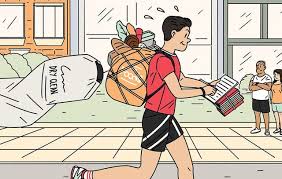
For many Nairobi residents, collecting a passport feels less like a simple administrative task and more like an endurance exercise. What should take a short visit often turns into half a day—or even a full day—of waiting, moving between counters, and trying to figure out where to go next.
The good news is that passport collection doesn't always have to be that way. A little preparation, smart timing, and understanding how the process works can dramatically reduce the amount of time you spend at Nyayo House. Based on the source article provided.
Understand the Passport Collection Process Before You Leave Home
One of the biggest reasons people experience delays is arriving without a clear understanding of what happens during collection.
Before collecting a Kenyan passport, you must have completed the application process through eCitizen, attended your biometric appointment, and received confirmation that the passport is ready for collection. In most cases, applicants receive an SMS notification indicating when the document can be picked up.
That message is important. Arriving before receiving official confirmation can result in unnecessary trips and wasted time.
You'll also need to carry the required documents. Depending on your situation, this may include your original national ID card, your previous passport if you're renewing, and any collection slips or confirmation details associated with your application.
Many delays happen because applicants assume everything is stored digitally and fail to bring supporting documents. Having both physical and digital copies available can save significant time if questions arise during verification.
Choosing the Right Time Can Make a Huge Difference
Ask anyone who visits government offices regularly and they'll tell you the same thing: timing matters.
Most people instinctively aim for the earliest possible arrival. While getting there before opening hours can sometimes help, it can also place you directly into the busiest wave of visitors. Mondays are particularly challenging, as offices often deal with weekend backlogs and increased demand.
Midweek tends to be more manageable. Tuesdays and Wednesdays are frequently less congested, and many regular visitors report smoother experiences compared to Mondays and Fridays.
Late morning can also be surprisingly effective. Once the initial rush has passed and staff are fully operational, queues often move more efficiently. Arriving during this window may result in shorter waiting times than joining the crowd before sunrise.
If possible, avoid visiting immediately after public holidays or during peak travel seasons when passport demand tends to increase significantly.
Preparation Saves More Time Than Speed
Many people focus on arriving early but overlook something even more important: being fully prepared.
Before leaving home, review every document you might need. Organise them neatly in a folder and ensure copies are easily accessible. A missing photocopy or forgotten receipt can send you back outside searching for printing services while everyone else continues moving through the queue.
This simple step may seem obvious, but experienced visitors know that preparation often determines whether your visit takes one hour or four.
It's also wise to save digital copies of important documents in your email or cloud storage. If anything gets misplaced, accessing a backup becomes much easier than trying to recreate documents from scratch while standing outside a government office.
Expect Delays—But Know How to Minimise Them
Even when everything is done correctly, certain delays remain outside your control.
System outages occasionally occur. Verification processes may take longer than expected. Staff shifts and operational changes can affect queue movement throughout the day.
The difference is that prepared visitors know how to adapt.
Carrying a fully charged phone, bringing a power bank, and having all required documents readily available prevents small inconveniences from becoming major disruptions. Comfortable clothing, water, and realistic expectations also make the experience significantly less stressful.
Many frequent visitors also pay attention to online discussions before travelling. Social media platforms and community groups often provide real-time updates about queue lengths, system performance, and unusual delays. Spending a few minutes checking recent reports can help you decide whether it's worth travelling immediately or postponing until conditions improve.
Can Someone Else Collect Your Passport?
For busy professionals, entrepreneurs, and people with demanding schedules, one question comes up repeatedly: can someone collect the passport on your behalf?
In certain situations, authorised collection arrangements may be possible, provided the required documentation and approvals are available. Requirements can vary depending on immigration policies and individual circumstances, which is why it's important to verify current procedures before making arrangements.
Where authorised collection is permitted, many people prefer working with experienced professionals who understand the process and documentation requirements.
The key consideration is trust. Passports and identification documents are highly sensitive, and handing them to an unknown individual carries obvious risks.
This is one reason many Kenyans choose vetted professionals when seeking assistance with administrative errands. Platforms such as The Real Plug make it easier to identify verified service providers who have established credibility through completed work and client feedback.
When sensitive documents are involved, accountability matters just as much as convenience.
Common Mistakes That Cause Unnecessary Delays
Most frustrating passport collection experiences can be traced back to a few avoidable issues.
Document inconsistencies are among the most common. Differences between names on identification documents and application records often require additional verification. Even minor spelling discrepancies can slow the process considerably.
Missing paperwork is another frequent problem. Applicants sometimes rely entirely on digital records and discover too late that a printed document is required.
Some people also underestimate how long administrative procedures can take. Scheduling important meetings immediately after a passport collection visit can create unnecessary stress if delays occur.
Giving yourself a reasonable buffer reduces pressure and allows you to focus on completing the process correctly.
Why Busy Professionals Are Increasingly Delegating Administrative Tasks
Across Nairobi, attitudes toward errands and administrative tasks are changing.
Professionals are becoming more conscious of how they spend their time. Rather than dedicating entire workdays to queues, collections, and document processing, many are choosing to delegate tasks that don't require their personal expertise.
For entrepreneurs, consultants, remote workers, and small business owners, every hour has value. Spending an entire day waiting for paperwork may not be the most productive use of time when alternative solutions exist.
This shift has contributed to growing demand for personal errands help and professional errand services in Kenya. Instead of viewing delegation as a luxury, many people now see it as a practical productivity strategy.
What About Upcountry and Diaspora Applicants?
Passport collection can be even more challenging for applicants travelling from outside Nairobi.
For someone coming from Eldoret, Kisumu, Nakuru, or Mombasa, a delayed collection may involve transport costs, accommodation expenses, and additional days away from work or family responsibilities.
Diaspora Kenyans face similar challenges when coordinating document-related matters from abroad. A process that requires physical presence can quickly become expensive if travel arrangements must be adjusted repeatedly.
In these situations, careful planning becomes even more important. Confirming collection details beforehand, understanding documentation requirements, and exploring authorised assistance options can help avoid unnecessary trips and additional costs.
The Smartest Strategy Is Respecting Your Time
There is a tendency to treat waiting in long queues as an unavoidable part of life. Yet time is one of the few resources that cannot be recovered.
Whether you're a business owner, a parent, a student, or a working professional, the hours spent navigating administrative processes have real value. Approaching passport collection strategically isn't about taking shortcuts—it's about reducing avoidable delays and making better use of your day.
With the right timing, proper preparation, and access to reliable assistance when needed, collecting a passport at Nyayo House can be far less stressful than many people expect.
The goal isn't necessarily to avoid waiting entirely. It's to avoid turning a straightforward collection into an all-day event.